
Why Three-Wheeler Tuk Tuk Becomes Popular Urban Transport in Africa?
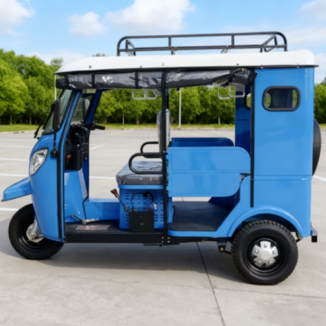
Walk down any busy street in Lagos, Nairobi, or Cairo—seriously, you’ll hear it before you even see it. That little putter-putter of a three-wheeler tuk tuk, weaving in and out of traffic like it’s in a hurry, carrying folks, bags, veggies, and yeah, sometimes even a random chicken. These tiny tricycles aren’t just some “transport option” here—they’re everywhere, man. Like, everywhere. Outside markets, by schools, near hospitals, right at the slum gates—packed with people, stacked high with produce, or zipping past gridlocked cars like they own the road. So why’s this little thing become how everyone gets around in African cities? Ain’t no big secret, honestly. Tuk tuks work ’cause they fit Africa’s cities—messy, loud, full of life, and full of people who just need to get places without blowing all their cash for the day. Lemme tell you the real reasons, the ones you’d hear if you pulled over a tuk tuk driver and just chatted for five minutes, not no scripted stuff.
1. Affordability That Fits Africa’s Pocket—For Riders and Drivers Alike
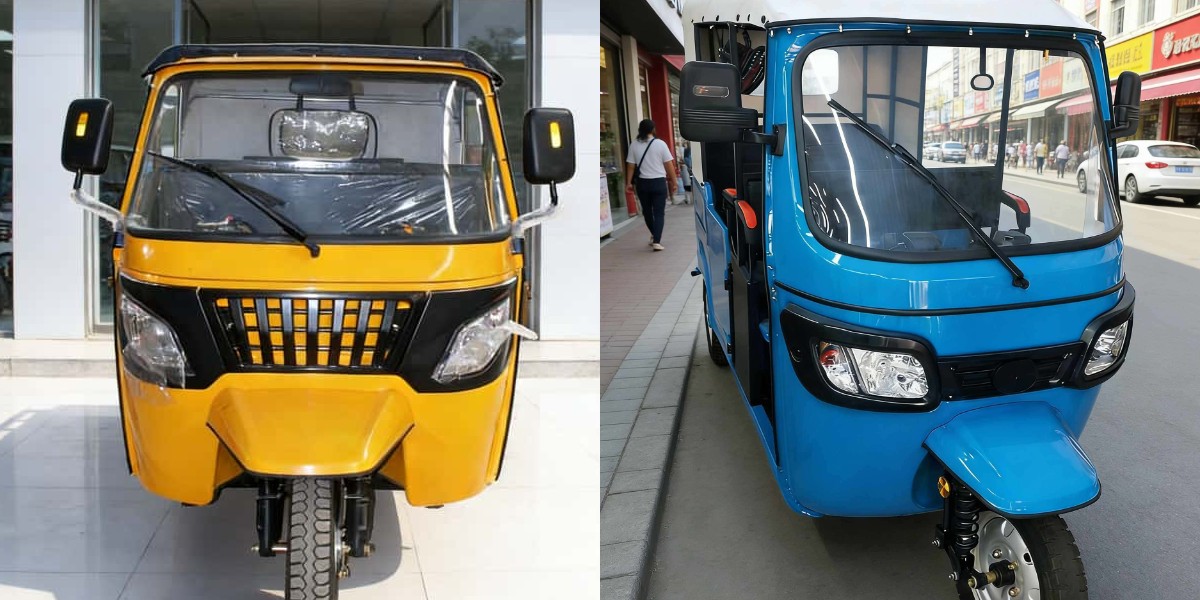
Frankly, let’s cut to the chase—most folks in Africa’s cities are scraping by, like less than $5 a day. When you’re living that way, every single cent counts. Especially when you gotta get to work, or to the market to make that money in the first place. Buses are cheap, sure, but they’re crammed—like, you can barely breathe sometimes. And they’re never on time, ever. Plus, they don’t drop you at your door; you gotta walk an extra 10, 15 minutes just to get home. Taxis? Forget about it. Even a short ride can cost more than some families spend on food in a whole day. Tuk tuks fix that, plain and simple. No fancy stuff, just a ride that don’t empty your pocket.
For people who take ’em, a motorized rickshaw across town is usually 50 cents to $1.50. Half what a taxi charges, and you don’t gotta squeeze into a bus with 20 other people, sweating through your shirt in the hot sun. I sat and talked to a market lady in Accra the other day—she said she takes a tuk tuk every morning ’cause she can throw her wares in the back, get to the market way faster, and still have money left to buy more supplies. Students in Kampala use ’em too, to get to school on time. Waiting an hour for a bus that might not even show up? Nah, they just flag down a tuk tuk. It’s not about being nice or fancy; it’s just about getting where you need to go, without breaking the bank. That’s all.
2. Small Size, Big Advantage—Tuk Tuks Beat Traffic Where Cars Can’t
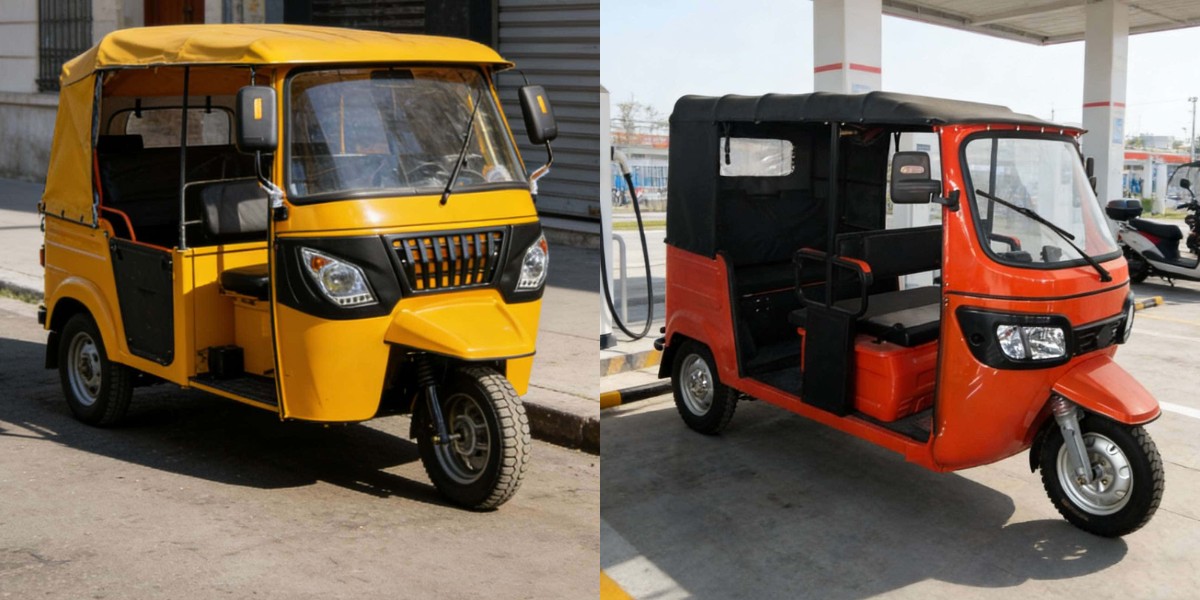
If you’ve ever been to an African city, you know the traffic’s pure chaos. Like, no other way to put it. Roads are narrow, full of potholes, and half the time, they weren’t even planned—just built as the city grew. Street vendors set up stalls on the sides, pedestrians dart across without looking, and cars and buses get stuck for hours. Just sitting there, not moving. But tuk tuks? They’re like magic in that mess. They’re only about a meter wide—small enough to squeeze through gaps between cars, zip down side streets buses can’t even get near, and even drive on the unpaved dirt roads in slums. They don’t get stuck. They just keep going.
Even in busy downtown areas, motorcycle tuk tuk save so much time. A 30-minute bus ride? Turn into 10 minutes in a tuk tuk. ’Cause they can weave through traffic instead of sitting in gridlock. Drivers know all the shortcuts—tiny alleyways cars can’t use, back roads that skip the worst jams. For people who gotta get to work on time, or pick up their kids from school, that extra time? It matters. A lot. It’s not about being fast, though—It’s about being reliable. In a city where traffic’s unpredictable, tuk tuks are the one thing you can count on to get you where you need to go, quick. No waiting, no stress.
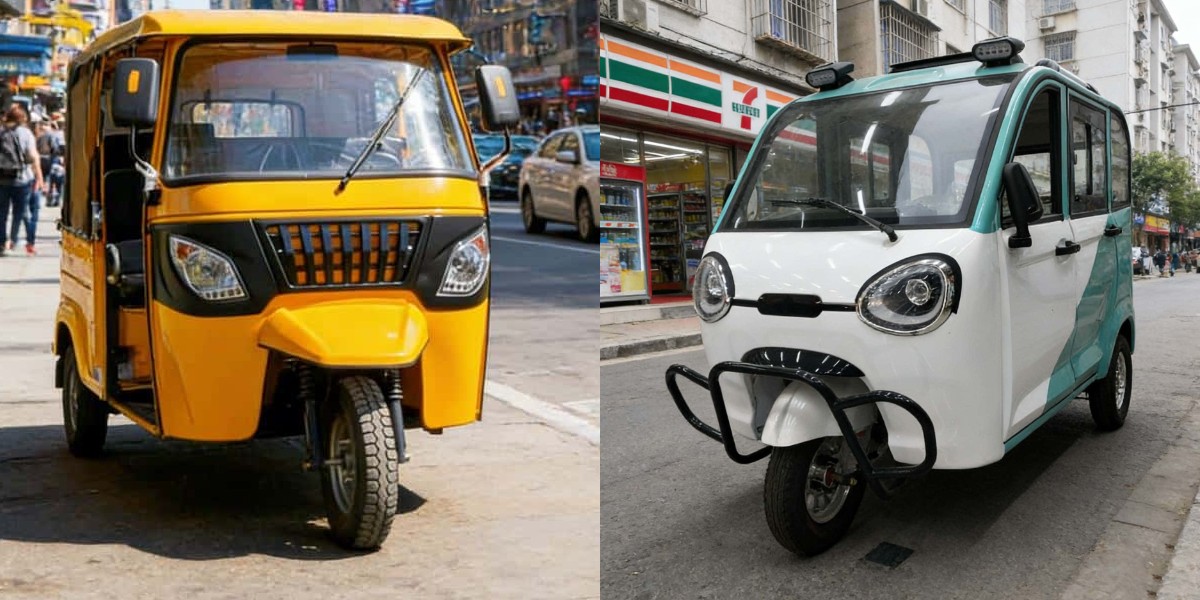
3. Tuk Tuks Aren’t Just Transport—They’re Part of How Africa Lives and Works
Here’s the thing about passenger tuk tuk—they’re not just vehicles. Like, not even close. They’re part of how African cities work, part of the fabric of daily life. They fit right into how we live, work, even hang out. You won’t see a boring, generic tuk tuk here. Drivers deck ’em out to match their personality—bright paint, decals of their favorite football team, loud music systems, even religious symbols. One driver in Lagos painted his tuk tuk bright red, with “God First” on the side. He told me it brings him good luck. Those little touches? They make tuk tuks feel personal. Not just some random ride you hop on, but something that feels like part of the neighborhood.
They also help the informal economy, which is the heart of every African city. Eighty percent of people here work in informal jobs—selling fruit, fixing shoes, sewing clothes. Tuk tuks make those jobs so much easier. A tailor can load his sewing machine into a tuk tuk and go to his customer’s house, no need to rent a truck. A fruit seller can haul a crate of mangoes from the farm to the market without paying for an expensive ride. I’ve seen tuk tuks carrying everything—live chickens, furniture, stacks of textbooks. They’re like little mobile delivery vans for small businesses. Without ’em, a lot of these folks would struggle to make ends meet.
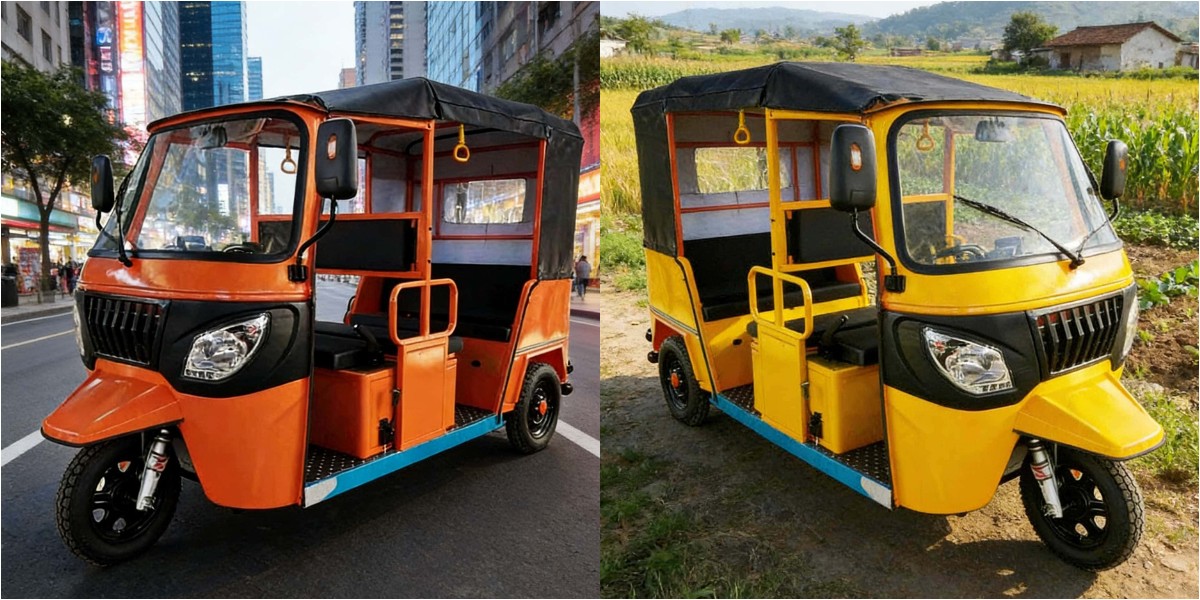
Why Tuk Tuks Are Here to Stay
Tuk tuks ain’t no passing trend in Africa—they’re the answer to the continent’s unique urban problems. They’re cheap, they’re nimble, and they fit how people actually live. Not how some planner thinks they should live. As cities grow, more folks will turn to tuk tuks—even electric ones are starting to pop up, making ’em cheaper and cleaner. But at their core, tuk tuks are popular ’cause they’re for the people. Not rich tourists, not big corporations—for the market lady, the student, the single mom, the driver trying to put food on the table. That’s why they’ve become the beating heart of how people get around in African cities. Next time you’re in an African city, flag one down. Ride it. You’ll see exactly what I mean. No fancy words, just real life.