
How Much Weight Can a Cargo Tuk Tuk Safely Carry?
If you’re a small business owner, delivery driver, or just someone who relies on a cargo tuk tuk to keep your bread and butter coming in every day, you’ve definitely asked yourself this question a million times: How much weight can a cargo tuk tuk safely carry? I get it—we’re all trying to squeeze as much as possible into each trip to save time and make more money, but overloading this workhorse? It’s not worth it, not even a little. Breakdowns are a nightmare, sure, but we’re talking serious accidents, repair bills that’ll make you cringe, and even fines that can put you out of pocket for weeks. The thing is, there’s no one-size-fits-all answer here. Big trucks have those bold, hard-to-miss weight labels, but cargo tuk tuks? They’re all over the map, depending on how they’re built, what powers ’em, and the roads you’re crawling over. Let me break this down for you like I would for a fellow driver—no fancy jargon, just real talk, the myths I’ve heard other operators fall for, and the tips that’ve kept my tuk tuk running strong for 5 years.
1. Cargo Tuk Tuk Weight Capacity by Type: Electric vs. Fuel-Powered Models
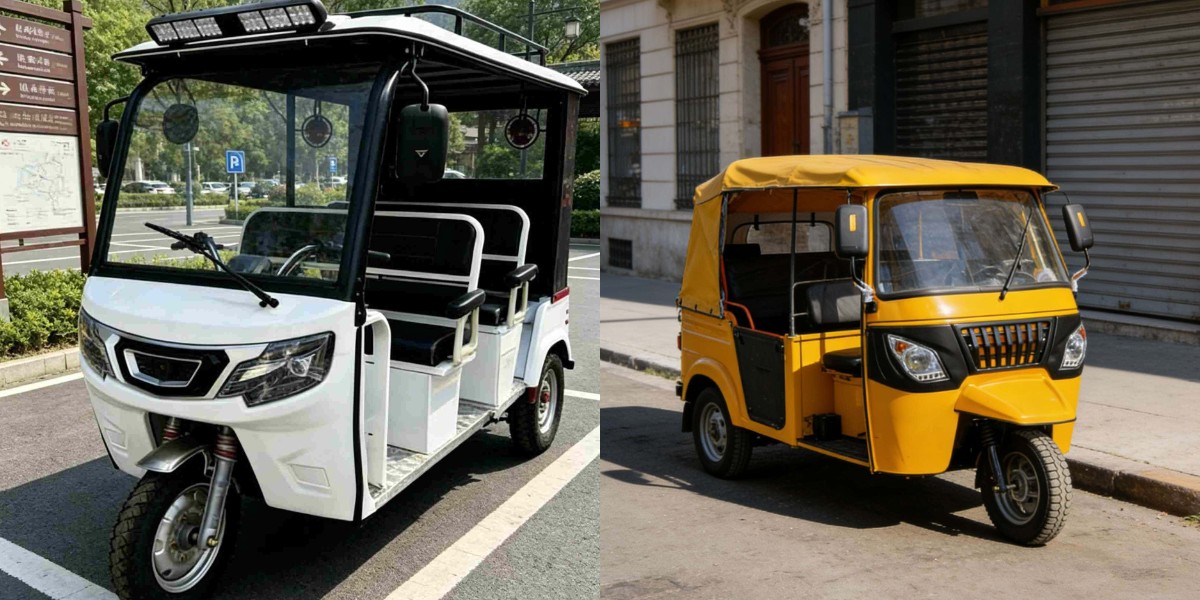
Most operators I chat with—guys I see at the market, fellow delivery drivers—fall for the same trick: they think every cargo tuk tuk can haul the same weight. Man, that’s so far from the truth it’s not even funny. The biggest difference? Electric vs. fuel-powered. They’re built for totally different jobs, so their weight limits? Night and day.
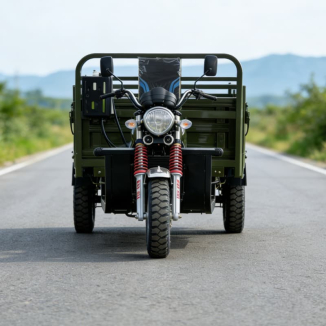
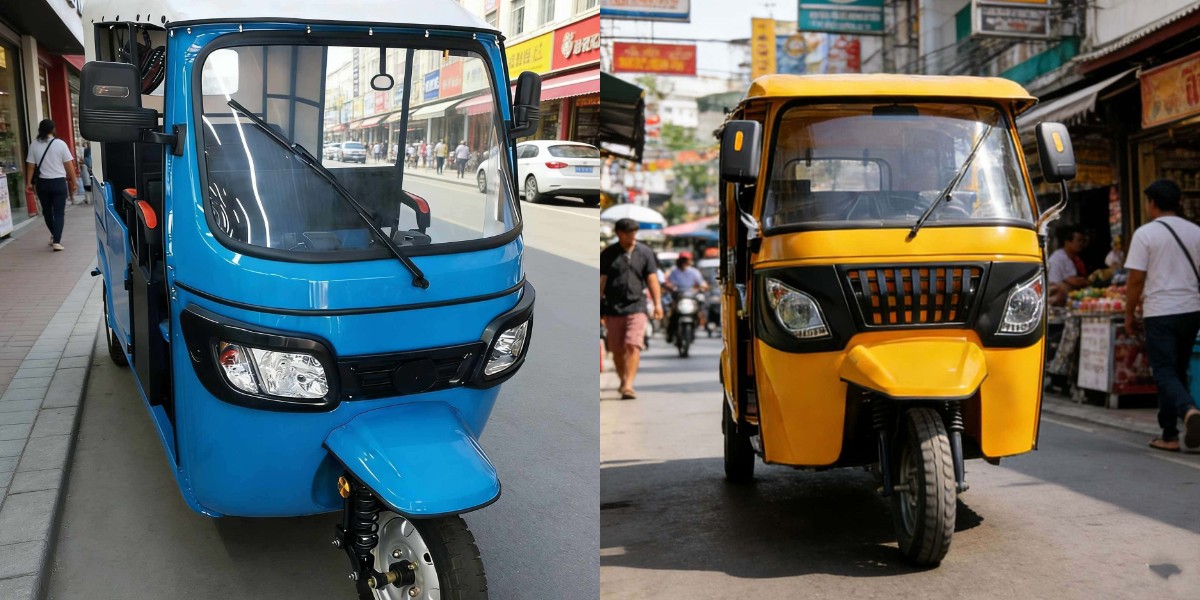
Electric cargo tuk tuks are what most of us use in the city—dropping off food, small packages, that last-mile run to get a parcel to someone’s doorstep before closing time. From what I’ve seen, and what the guys at the repair shop (who fix these things every day) tell me, their safe weight is usually between 300kg and 800kg. This isn’t some random number they pull out of thin air—it’s tied to how strong the battery is, how much power the motor has, and how sturdy the frame is. The smaller electric ones, with 1000w to 1500w motors? They’re for light stuff, like local courier work, and max out at 300 to 500kg. The heavy-duty electric ones, though—with reinforced steel frames and 2000w+ motors—can handle 600 to 800kg. Trust me, don’t push ’em past that. Last month, I talked to a manufacturer who told me about a guy who kept loading 100kg over the limit for two weeks straight—melted his motor, cost him $400 to fix, and he lost three days of work. Not worth the extra boxes, right?
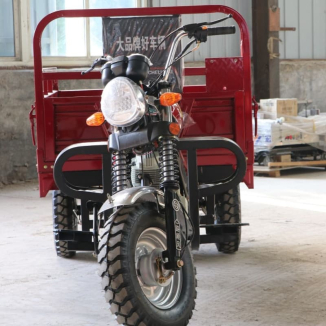
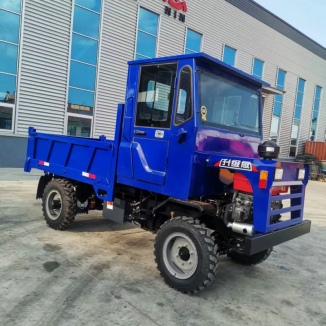
Fuel-powered cargo tuk tuks—usually 150cc to 250cc engines—are built for the heavy stuff. Their safe capacity is between 500kg and 1,200kg. Those internal combustion engines have more torque, so they’re perfect for hauling construction materials, bulk goods, or making deliveries out in the country where roads are rough as gravel. For example, a 200cc fuel tuk tuk with a reinforced rear axle? It can safely carry 800 to 1000kg on flat ground—great for moving bricks to a job site or fresh veggies from the farm to the market. But don’t get greedy here, either. Overloading these guys strains the transmission, wears out tires way faster, and messes up the brakes. I’ve seen it firsthand: a guy tried to haul an extra 200kg to skip a trip, and his transmission blew out halfway to the market. He had to unload everything, call a tow, and lost a full day of sales. Total disaster.
2. Hidden Factors That Destroy Safe Weight Capacity (Most Operators Miss These)
Even if you stick to the GVWR, real-world conditions can chop your tuk tuk’s safe carrying capacity by 20 to 30%. These are the little things most people don’t think about—until something goes wrong. I’ve learned this the hard way, from fixing my own tuk tuk and hearing horror stories from other drivers. These aren’t generic tips; they’re lessons we’ve all paid for, one way or another.
Terrain & Elevation: A tuk tuk that carries 800kg no problem on smooth city streets? It’ll only handle 500 to 600kg on a 15-degree slope. Uphill driving makes the engine—whether electric or fuel—work twice as hard, and downhill? All that weight pushes on the brakes, which can overheat and fail. Rough, bumpy roads—like the ones out in the country or at construction sites—also lower capacity. Potholes and bumps jostle the load, putting extra stress on the frame and suspension. I once saw a delivery driver in the hills overload his tuk tuk; halfway up a steep climb, his rear axle bent right in the middle. He had to unload every box by hand, call a tow, and lose a full day of work. Total waste of time and money.
Load Distribution & Center of Gravity: It’s not just how much you carry—it’s how you stack it. If you put heavy stuff too high or off to one side, you raise the center of gravity, and that’s a one-way ticket to tipping over, especially when you’re turning or stopping fast. Here’s what I do every day: keep the heaviest items at the bottom, right over the rear axle, and don’t stack cargo more than 1.5 times the height of the cargo bed. Use straps or cargo nets to keep everything from shifting—loose loads slide forward when you hit the brakes, and that puts dangerous pressure on the front axle. I had a close call with this last year: loose boxes shifted forward, pushed the steering wheel, and I almost hit a curb. Never again—I always strap everything down now.
Local Regulations: A lot of countries and cities have strict rules about cargo tuk tuk weights, even if the manufacturer’s GVWR is higher. For example, in Thailand and Indonesia, local laws cap cargo tuk tuks at 300 to 500kg. In Colombia and Peru, that limit goes up to 400 to 600kg. Ignore these rules, and you’ll get fined, have your tuk tuk impounded, or even get sued if there’s an accident. I know a guy in Bangkok who got a $200 fine for overloading—money he could’ve used for gas or repairs. Always check with your local transport department—these rules aren’t just red tape; they’re designed for the roads in your area, which are usually way different from what the manufacturer expects.
3. Practical Tips to Maximize Safe Load & Avoid Costly Mistakes
Now that you know the limits and the hidden stuff that messes ’em up, let’s talk about what you can actually do to keep your tuk tuk running smooth and safe. These aren’t AI-generated garbage—they’re what I and every other smart operator use every day to avoid headaches.
Invest in a Portable Scale: Most people just guess the weight of their cargo, and that’s how they end up overloading. A small, cheap portable scale—you can get one for under $50 on Amazon—lets you weigh loads before you hit the road. For example, a stack of 10 boxes might feel light, but each one could be 30kg—that’s 300kg, which is the limit for most small electric tuk tuks. Weighing takes 30 seconds, and it saves you from repair bills later. I keep mine in the cargo bed at all times—never leave home without it.
Inspect Your Tuk Tuk Daily (Focus on These Parts): Overloading damages your tuk tuk over time, but a quick daily check can catch problems early. Here’s what I look at every morning, before I even start the engine: Tires—underinflated or worn tires can’t support heavy loads, so check the pressure and tread every day. Frame—look for cracks or bent metal, especially around the cargo bed (that’s where most stress hits). Brakes—overloaded tuk tuks need working brakes, so test them before each trip. A guy at the repair shop told me that 80% of overloading-related breakdowns could be prevented with a 2-minute daily inspection. I believe it—I’ve caught a few tire issues early thanks to this.
Don’t Sacrifice Safety for Speed: I get it—you want to make fewer trips and save time. But overloading to cut trips? It’s dumb, plain and simple. A single breakdown from overloading can take your tuk tuk out of service for days, which costs you more in lost revenue than you’d save by skipping a trip. Plus, accidents from overloading—tire blowouts, tipping—can hurt you, get you fined, or even put you out of business. I’ve seen it happen to a friend—he overloaded his tuk tuk, had a tire blowout on a busy road, and ended up with a $500 repair bill and a week of no work. Not worth it, not even a little.
Final Thoughts: Safe Weight = Longevity + Profit
So, back to the original question: How much weight can a cargo tuk tuk safely carry? The short answer? It depends on your model, the terrain you’re driving on, and how you load it. Electric models: 300-800kg. Fuel models: 500-1200kg. But the long answer— the important one—is this: respecting these limits isn’t just about safety. It’s about protecting your investment. A well-maintained, properly loaded cargo tuk tuk will last longer, need fewer repairs, and keep your business running smoothly. I’ve had mine for 5 years, and it’s still going strong—because I don’t push it past its limits.
Still not sure what your tuk tuk can handle? Grab your owner’s manual (or shoot the manufacturer an email) to find the GVWR, and stick to the tips I’ve shared. And if you want more real-world advice—on maintenance, safe loading, or picking the right model for your business—hit subscribe to our blog or leave a comment below. I’m not here to sell you anything; I’m just a fellow operator who wants to help you keep your tuk tuk running and your pockets full.