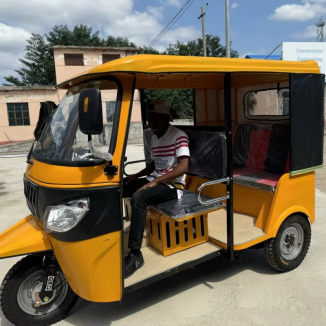

What Is the Maximum Climbing Grade of a Three-Wheeler Tuk Tuk?
If you’ve been in hilly Southeast Asian cities like Bangkok or Baguio, you’ve probably wondered if a tiny tuk tuk can climb steep hills. Let’s be real—tuk tuks are great for weaving through crowds, but their climbing ability only matters when you’re halfway up an incline, holding your breath it doesn’t stall. There’s no one answer, but I’ll break it down like I would for a friend—using what I’ve seen, driver stories, and real tests (no manufacturer hype).
First, quick clarity: climbing grade (percentage) isn’t the same as angle (degrees). A 30% grade is ~16.7 degrees, 45% is ~24.2 degrees. I’ll stick to grade—what you actually see on a hill. Here are the three big things that determine how steep a tuk tuk can go.
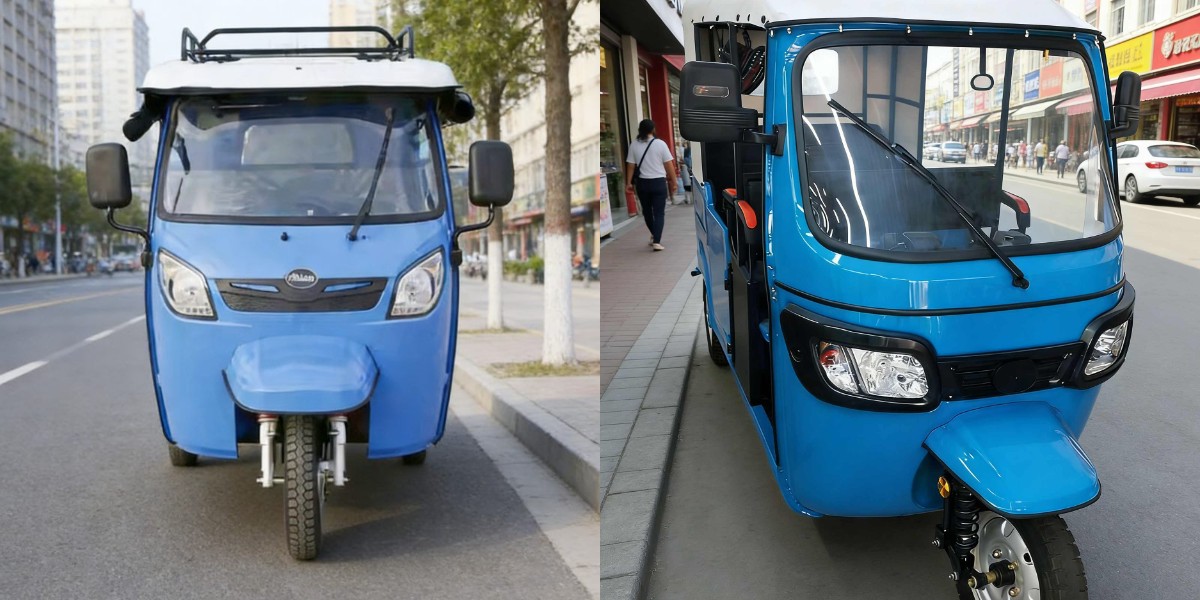
1. Motor Power and Torque: It’s All About the “Pull”
Top speed doesn’t matter for climbing—torque (pulling power) does. Tuk tuks are gas (150–200cc) or electric (1500W–4000W), and they climb totally differently. Let’s skip the specs and talk real life.
Gas tuk tuks like the Bajaj RE are tough in hills. I watched one climb Mount Samat (7.3km steep, with roadworks) with 4 people and luggage (260kg) and keep up with a car. These 150–200cc models handle 25% grade easily. Push to 30%, and it’s slow (under 10km/h) with a strained engine—but it’ll make it if the clutch is adjusted right (drivers often skip this).
Electric tuk tuks are better with big motors. A 3000W model I saw (ShanDong TaiRui) climbs 35 degrees (70% grade) with just the driver, thanks to its steady torque. But add 3 passengers, and it struggles on slopes over 25%—slow and overheating. Cheap 1500W electrics only handle ~15% grade (like a parking ramp) and stall if overloaded.
The takeaway: Electric tuk tuks climb steeper on paper (big motor, light load), but gas ones are more reliable when loaded.
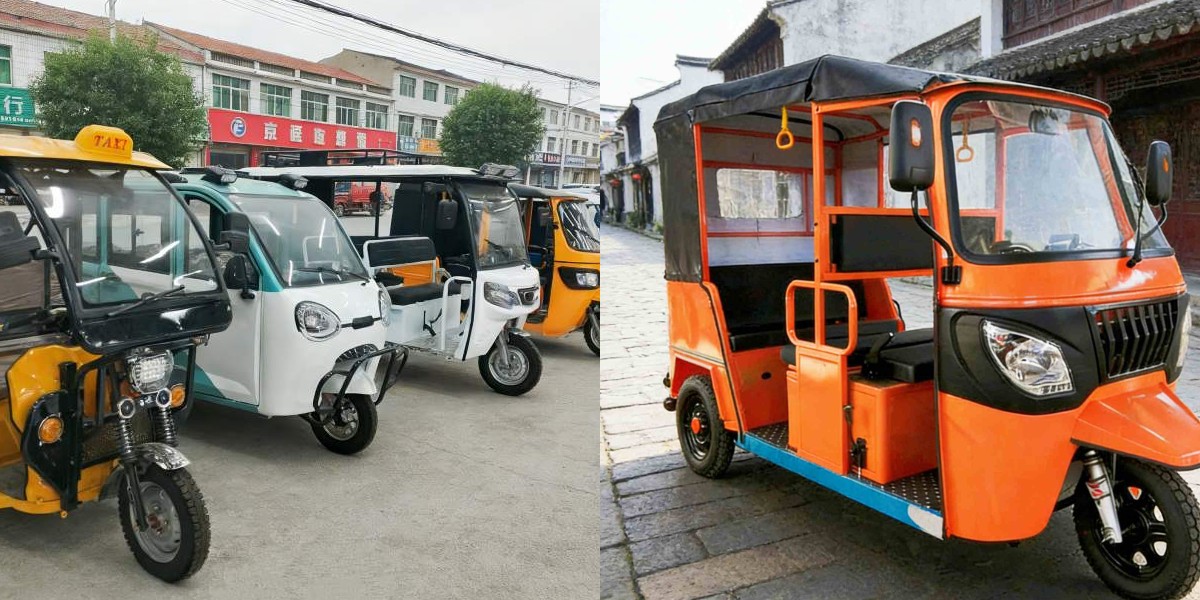
2. Load Capacity: More People = Less Climbing Power
Tuk tuks aren’t for heavy hauling—extra weight kills climbing ability on steep slopes. Here’s real test data:
A 2000W electric tuk tuk climbed 15 degrees (26.7% grade) easy with just the driver. Add 3 people, and it slowed to under 10km/h, overheating fast. A 4000W model, though, carried the same load at 25km/h. More power = more weight it can haul up hills.
Gas tuk tuks handle heavy loads better but still struggle. That Bajaj RE on Mount Samat made it, but dropped to first gear and slowed due to a bad clutch. Without the weight, it could climb 30% grade easily.
Pro tip: Group travel or heavy bags? Don’t expect over 20% grade. Light loads (1–2 people, no cargo) let tuk tuks hit their max climbing potential.
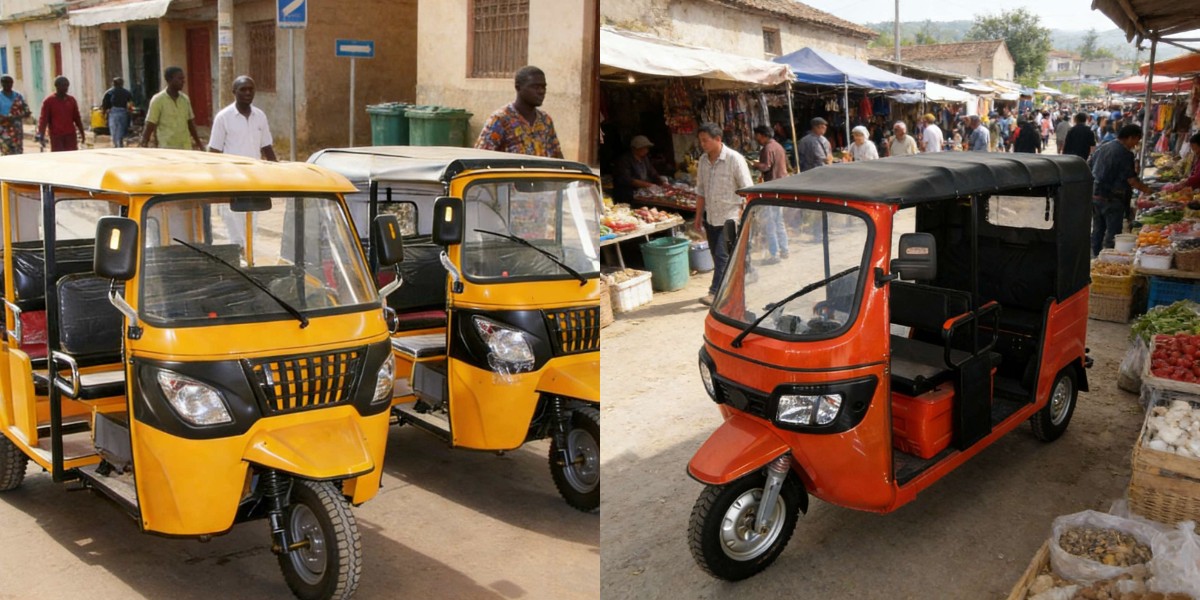
3. Road Conditions: Steepness Isn’t Everything
Even a powerful tuk tuk struggles on steep, unpaved hills. Climbing depends on traction and suspension, not just steepness.
Paved roads are best—smooth and grippy, so tuk tuks use full torque. A 3000W+ electric hits 70% grade (35 degrees), gas hits 25–30%. Gravel/dirt/mud cuts those numbers by half or more.
That Mount Samat test had unpaved sections— the Bajaj RE slipped, slowing it more than the weight. The 3000W electric climbed 35 degrees on pavement but only 20–25 on gravel (tires slip, no torque transfer).
Good suspension helps too. Tuk tuks with dual-shock forks stay on the road; cheap rigid ones bounce, lose traction, and can’t climb steep hills.
So, What’s the Real Maximum Climbing Grade?
Simplified: It depends on motor power, load, and roads. Real-world limits:
High-wattage electric (3000W+): 70% grade (35°) with driver only (paved); 25–30% with 4 people + luggage.
Gas (150–200cc): 30% grade (16.7°) light load; 20–25% full load.
Low-wattage electric (1500W or less): 15% grade (8.5°) driver only; struggles over 10% with weight.
Most city hills (under 25%) are fine if not overloaded. Mountainous areas? Get a high-wattage electric or well-maintained gas tuk tuk, and pack light.
Final tip: Ask the driver—they know their tuk tuk best. These three-wheelers have climbed hills for decades, and drivers know how to avoid stalling (most of the time).
Whether you’re traveling or just curious, knowing these limits helps you avoid getting stuck halfway up a hill.