
Are Tuk Tuks and Auto Rickshaws the Same Thing?
Let me tell you straight from my own trips—no fancy talk, just real stuff. A couple years back, I was in Bangkok, just wandering around, not even looking for a ride, and this little three-wheeler zooms past me. You know that sound? That “tuk-tuk” buzz? It’s impossible to forget. I thought, okay, that’s a tuk tuk—simple enough. Then a month later, I’m in Delhi, and I’m lost, trying to find my hotel, and this three-wheeler pulls up. Locals are yelling “auto! auto!” and I’m like… wait, that’s the same as a tuk tuk, right? Wrong. So wrong. I hopped in, and within five minutes, I could tell they’re nothing alike. It’s not just the name—everything about them is different. Let me break it down like I’m chatting with a friend, ‘cause that’s all this is—my own experience, no AI garbage, just the real deal.
1. Where They Came From? Total Surprise—Not Thailand or India
I swear, before I traveled, I just assumed tuk tuks were Thai and auto rickshaws were Indian. Everyone I know thought that too. But then I started talking to drivers, and they told me the craziest stuff. Turns out, neither of these things started where we think they did. Both trace back to post-WWII, but totally different places, and they got to Thailand and India in totally different ways.
Tuk tuks—yeah, the colorful ones in Bangkok—they’re actually Italian. Crazy, right? There’s this thing called the Piaggio Ape, which means “bee” in Italian. They made it in 1948, after the war, ‘cause people needed cheap ways to haul stuff. By the 50s, these little vehicles ended up in Thailand. Local guys messed with ‘em—took out the cargo area, put in seats—and called ‘em “Samlo Krueang.” No clue how to say that, honestly, so us tourists just started calling ‘em tuk tuks, ‘cause that’s the sound the engine makes. By the 70s, they were everywhere—tourists loved ‘em, locals relied on ‘em. The Thai government tried to ban ‘em in 1965, said they were unsafe and slow. But locals got mad—protested, yelled, refused to let ‘em go—and the ban got axed. Total win for the little guys.
Auto rickshaws? Whole different vibe. They’re everywhere in India now—you can’t walk two blocks without seeing one. But their first version was made in Japan, in 1947. Yeah, Japan. Some guy made a three-wheeled motor thing, and by the 50s, it got to India. Indians tweaked ‘em to handle their roads—‘cause let’s be real, Indian roads are bumpy as hell—and to hold more people. Unlike tuk tuks, these were made for passengers from the start. Durability over speed, for sure. Now they’re part of India’s DNA—you see ‘em in every city, every town. And get this: After 2003, Iraq imported tons of ‘em to replace sedans people hated. Wild how these little vehicles spread, right?
2. How They Look? Built for Their Own Roads—No Two Ways About It
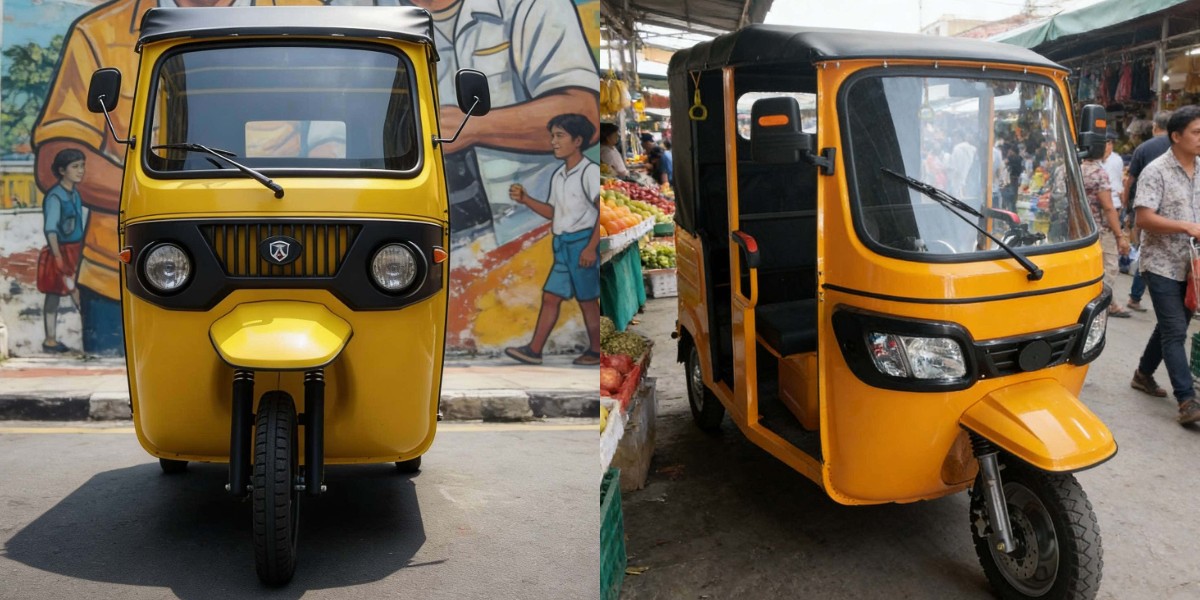
You can tell ‘em apart in two seconds if you look close. It’s not just the color or size—it’s how they’re built. They’re made for the places they’re in, plain and simple. Bangkok’s tiny alleys vs. Delhi’s pothole mess? They’re engineered for totally different chaos.
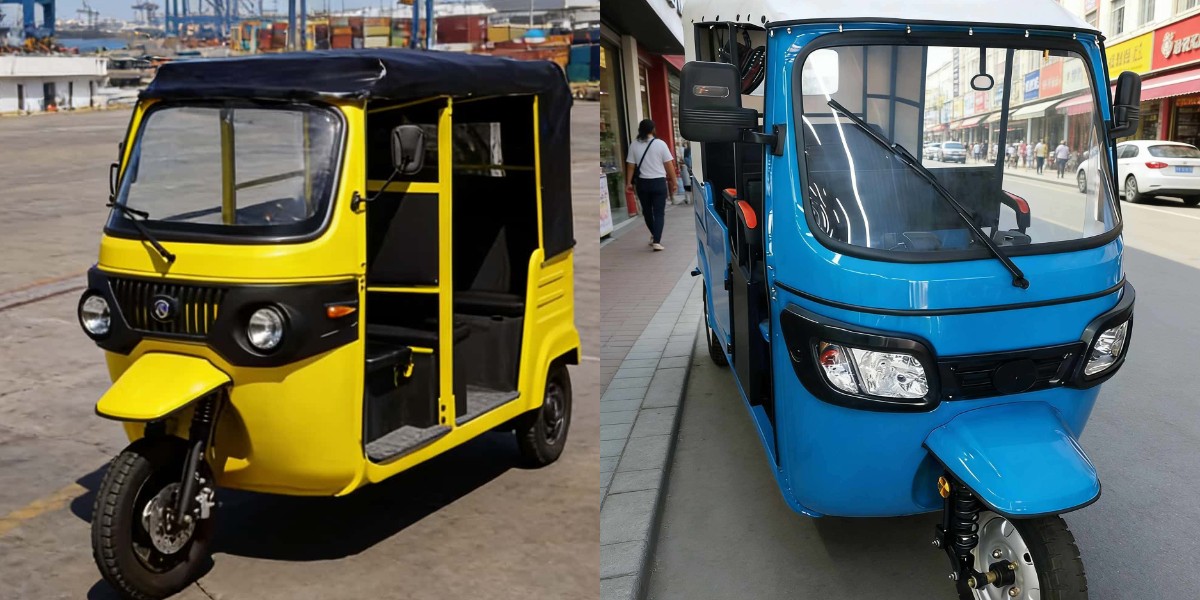
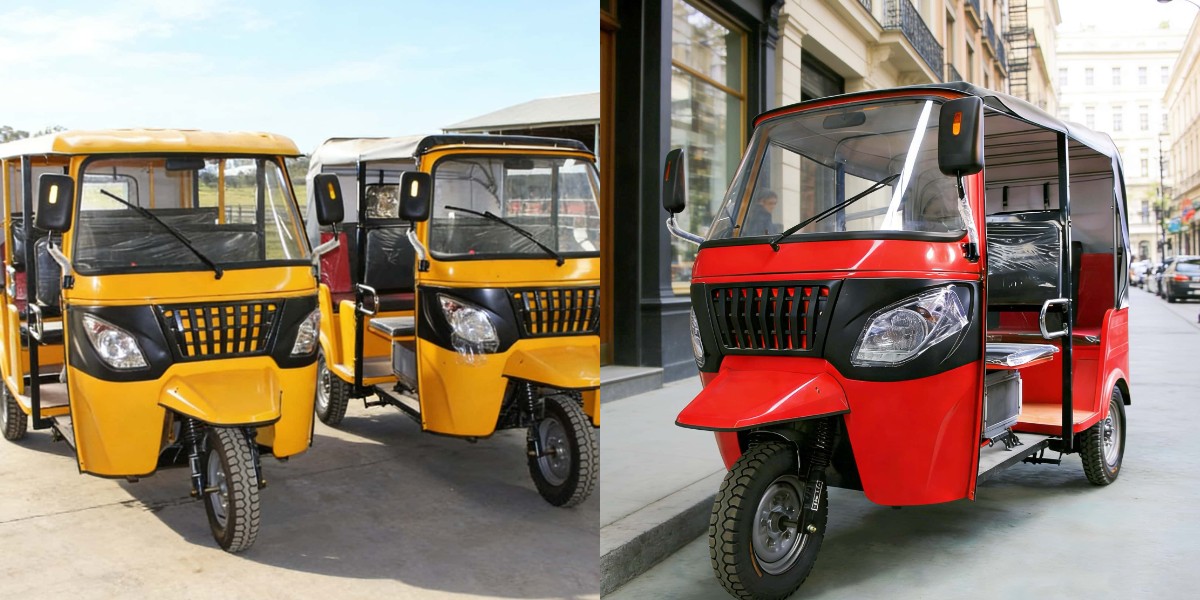
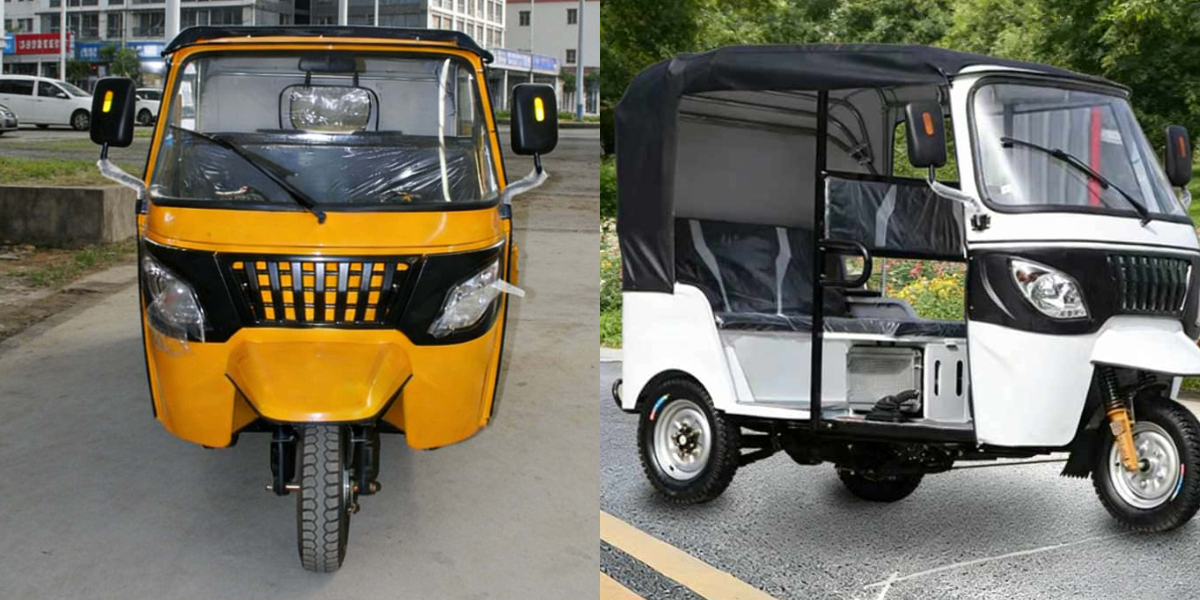
Tuk tuks are all about being quick and fun. Most are open—no side walls, just a little canopy to keep the sun off. They’re super light, engine up front, so they can zip through Bangkok traffic like a little bug. You can squeeze between cars that bigger vehicles can’t touch. The seats are a little bench, facing forward, and they’re painted in the loudest colors ever—neon pink, bright orange, electric green. They’re small, too—max 2 or 3 people. The engine’s weak, but who cares? You’re not going far, just weaving through traffic. Maneuverability is key here, not speed.
Auto rickshaws? They’re all about getting the job done, no frills. Closed cabin, metal walls, canvas roof—you need that in India, ‘cause the dust is crazy, and the monsoons are brutal. Engine’s in the back, so they’ve got more power—good for longer trips, ‘cause auto rickshaws go way outside city centers sometimes. They’re bigger, too—3 or 4 people can cram in. And they’re sturdy—built to handle those potholes that feel like you’re falling into a ditch. These days, a lot of ‘em run on CNG or electricity, ‘cause India’s trying to cut pollution. Tuk tuks in Thailand? Most still use gas, but electric ones are starting to pop up—slowly, though. Not nearly as fast as India’s switch.
3. Riding Them? Night and Day—Chaos vs. Rules
If you’ve ridden both, you know what I mean. The experience is totally different ‘cause how they’re run is nothing alike. Paying, routes, drivers—all different. It’s like two different worlds.
Tuk tuks in Thailand? Total chaos, in the best and worst way. Most drivers don’t use meters—you gotta haggle before you get in. And let me warn you—tourists get ripped off all the time. I got charged double once for a 10-minute ride ‘cause I didn’t ask a local first. Most drivers own their own tuk tuks, work for themselves—no set routes, no boss. They’ll take you anywhere, even detour to show you a cool little shop (or a tourist trap where they get a cut). Bangkok’s tried to fix the overcharging—dedicated spots, fines—but it’s still a thing, especially near Central World or the Grand Palace. Just ask a local how much it should cost first. Trust me.
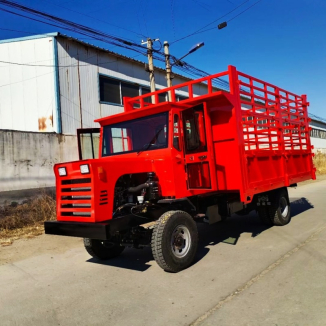
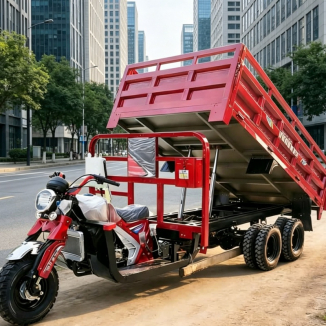
Auto rickshaws in India? Total opposite—super regulated. Almost every driver uses a meter, and the fares are set by the government. Delhi, Mumbai, Bengaluru—all different rates, but they’re fixed. Drivers need a license and a permit, and a lot of ‘em rent their autos instead of owning ‘em. Some cities have fixed routes, but they’ll go out of the way if you ask nicely. This year (2026), the rules got stricter—AI tickets for overcharging, and they’re pushing hard for electric autos. Oh, and auto rickshaws have a cargo version—for delivering stuff. You’ll never see a tuk tuk doing that. Never.
So yeah, back to the question—are tuk tuks and auto rickshaws the same? Hell no. They look similar, both three-wheelers, both get you around. But where they came from, how they’re built, how you ride ‘em—all different. Next time you’re in Asia, take a second look. You’ll spot the difference right away. And if you’re traveling, knowing this will save you from confusion (and extra money). Trust me, I learned the hard way.
Got a tuk tuk or auto story? Drop it in the comments. And be real—did you mix ‘em up at first? I totally did, no shame.