
How to Choose the Right Tuk Tuk for Your Business Needs?
I’ve been in the tuk tuk business for 7 years now, starting with one beat-up second-hand unit in Bangkok and now running a fleet of 12 across three cities in Southeast Asia and East Africa. And if there’s one mistake I see new operators make every single week, it’s buying a tuk tuk based solely on the sticker price. I’ve watched guys sink their life savings into a “great deal” only to have the thing break down every other week, or get banned from city centers 18 months later. Trust me, the wrong tuk tuk doesn’t just lose you money—it can put you out of business entirely.
Over the years, I’ve talked to hundreds of drivers, mechanics and fleet owners, and made every stupid mistake in the book myself. So I’m not here to regurgitate manufacturer specs or sales pitches. I’m here to tell you the three things that actually matter when you’re buying a tuk tuk to make money—the things no salesperson will ever volunteer.
Stop Obsessing Over Passenger Count—Build Your Vehicle Around Exactly What You Do
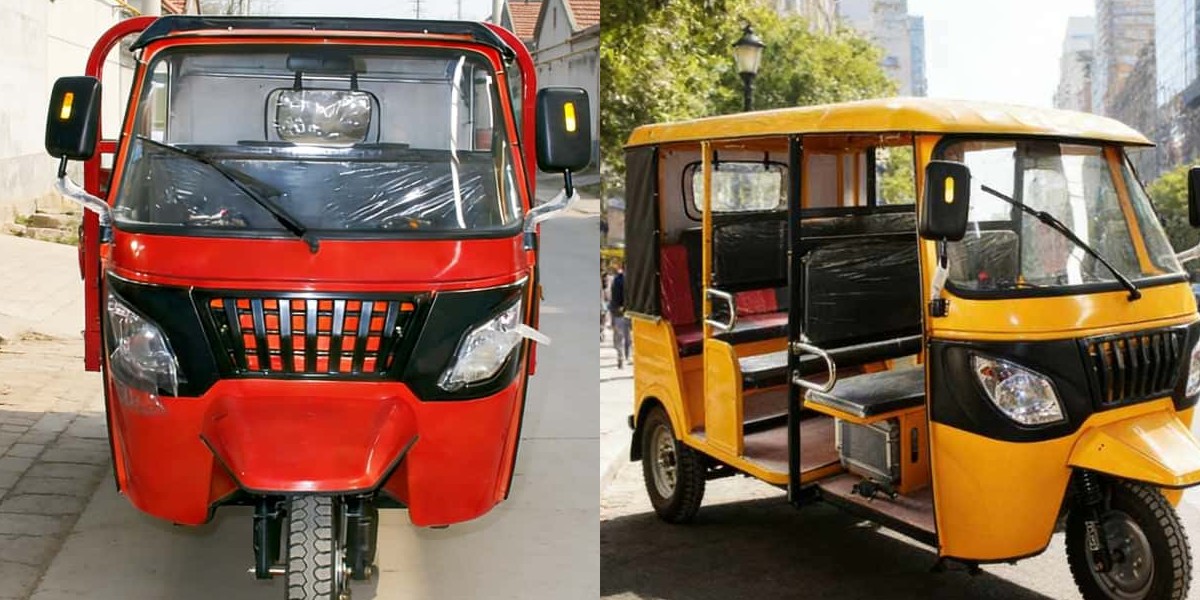
Every manufacturer on the planet will try to sell you a “universal” tuk tuk that “does it all.” Let me save you some time: that’s a lie. There is no one-size-fits-all tuk tuk, and anyone who tells you otherwise is just trying to move inventory. A tuk tuk built for zipping tourists around temple complexes is nothing like one that hauls 200kg of produce to the market every morning, and using the wrong one will cost you cash every single shift.
If you’re doing short urban rides—picking people up from bus stations, ferrying them between shops and apartments—maneuverability is everything. I learned this the hard way in Hanoi. I bought a 6-seater thinking more seats = more money, and spent three months getting stuck in every narrow alley and cursing every U-turn. Most of my rides were still 2-3 people anyway, and the extra weight killed my gas mileage. I sold it at a loss and bought a compact 3-seater, and my daily earnings went up 20% overnight because I could do 4 more rides per shift.
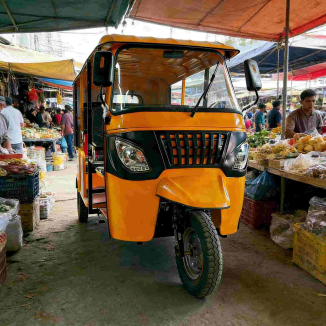
For tourist work, comfort is non-negotiable. Tourists will pay twice as much for a smooth ride and a place to put their backpacks. Skip the basic plastic seats—spring for the padded ones, and add a sturdy roof rack. I even put cheap USB chargers in all my tourist units; it cost me $12 per tuk tuk, but my tips went up 35% and I get more repeat bookings than anyone else on my street. If you do day trips, get the biggest fuel tank you can—nothing kills a tour faster than stopping for gas every hour.
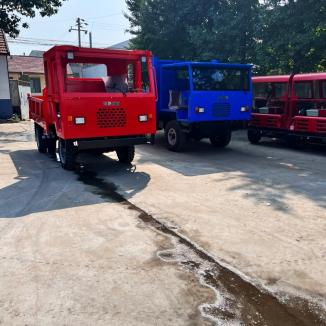
And if you’re doing cargo or deliveries? Don’t even look at passenger tuk tuks. I had a guy working for me who tried to convert a passenger unit by ripping out the back seats. He broke the suspension twice in six months, and once dropped a crate of eggs because the floor wasn’t reinforced. A proper cargo tuk tuk costs a little more upfront, but it will pay for itself in avoided repairs and broken goods.
The Cheapest Tuk Tuk Is Almost Always The Most Expensive One
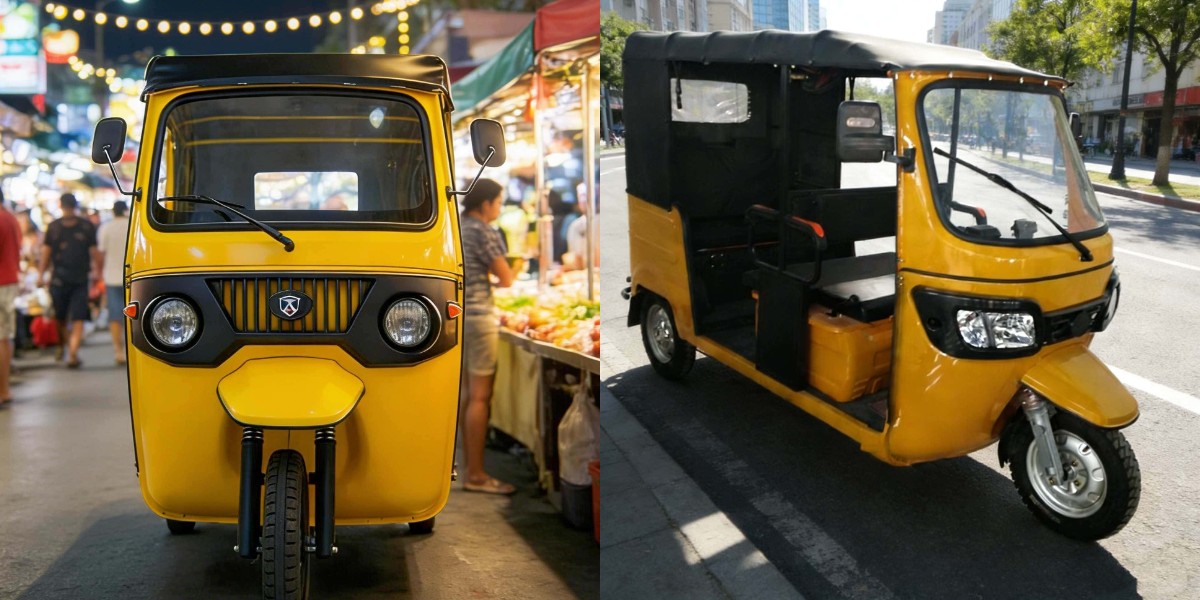
This is the single biggest trap for new operators. You see a $1,800 no-name import and think you’re getting a steal. Then six months later, you’re spending $400 a month on repairs, and it’s sitting in the shop half the time. I’ve done the math a hundred times: over 5 years, that “cheap” tuk tuk will cost you twice as much as a slightly more expensive reliable model.
You have to calculate the total cost of ownership, not just the price tag. That means every single penny you’ll spend on that vehicle from the day you drive it off the lot to the day you sell it for scrap: purchase price, fuel, oil changes, tires, brakes, unexpected repairs, insurance, registration, and most importantly—the money you lose when it’s broken and you can’t work.
Don’t Buy A Tuk Tuk That Will Be Illegal In 3 Years
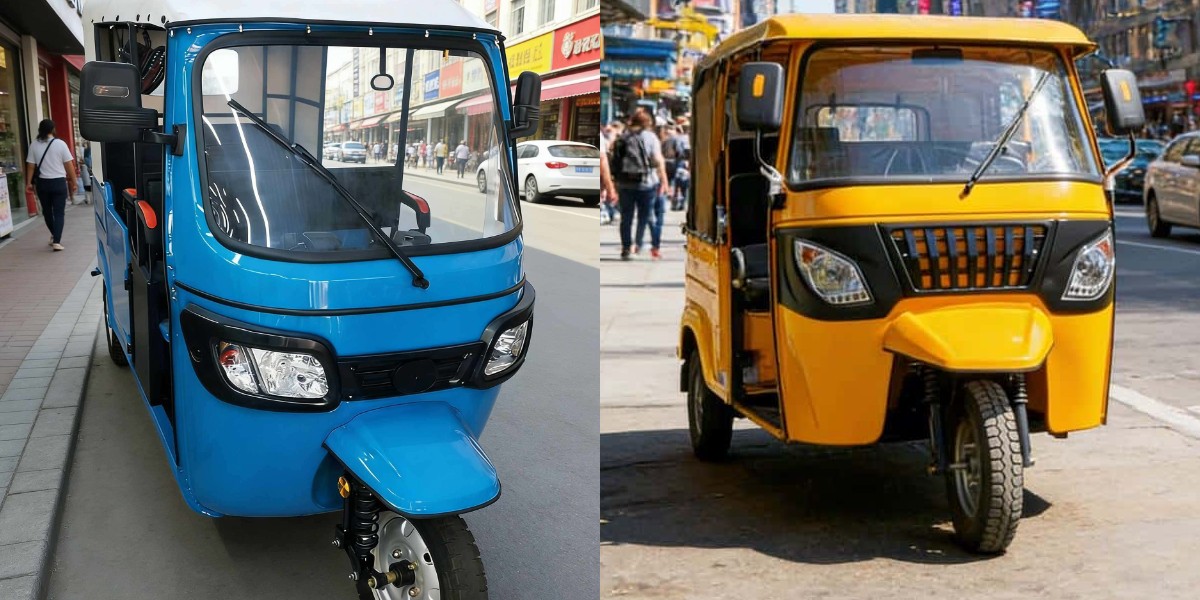
I can’t tell you how many people I’ve seen get wiped out by this. Last year, Jakarta announced that all gasoline tuk tuks would be banned from the city center by 2025. A friend of mine had just bought 8 brand-new gasoline units six months earlier. He couldn’t sell them for half what he paid, and now he’s stuck running them in the suburbs where fares are 60% lower.
Regulations are changing faster than ever, especially around emissions. Cities all over the world are phasing out old gasoline tuk tuks and pushing electric ones. Some are offering big subsidies and tax breaks; others are just banning the old ones outright. If you don’t plan for this now, you could end up with a driveway full of worthless metal.
Before you buy anything, go down to your local transport office and ask what the rules are going to be for the next 5 years. Don’t just ask what’s legal now—ask what’s coming. Find out if there are any low-emission zones being planned, or any bans on gasoline vehicles. And ask about subsidies: many governments will cover 20-30% of the cost of an electric tuk tuk, which makes them way more affordable than you think.
Also, think about how your business might grow. Maybe you’re starting with passenger rides now, but what if you want to add delivery services later? Can you convert the back to a cargo bed? Or if you get more tourist business, can you add a better roof or storage? The more flexible your tuk tuk is, the more options you’ll have down the line.
Final Thoughts
At the end of the day, a tuk tuk is a tool. It’s not a status symbol, and it’s not something you buy based on who gives you the lowest quote. It’s something you buy to make you money, day in and day out, for 5-10 years.
My best advice? Don’t listen to salespeople. Go to the bus stations, go to the markets, find the guys who have been driving tuk tuks for 10 years. Buy them a coffee and ask them what they drive, what breaks, and what they would never buy again. Their real-world experience is worth more than any brochure or online review.
Take your time. Don’t rush into a decision. The right tuk tuk will pay for itself many times over. The wrong one will be a constant headache that drains your bank account. And if you remember nothing else from this guide: cheap is almost never a good deal when it comes to work vehicles.