
Tuk Tuk Tourism Booms: How Three-Wheelers Are Transforming Local Economies
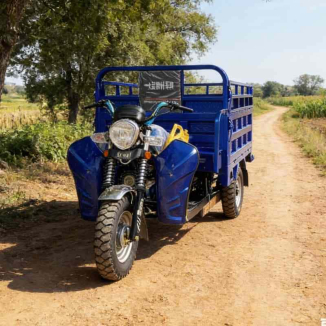
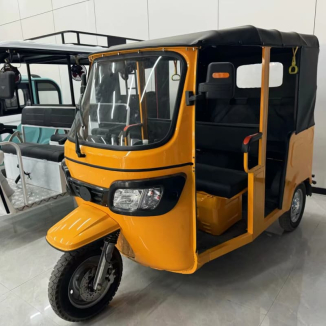
The unmistakable putter of a tuk tuk engine has long been the soundtrack of streets across Asia, Africa, and Latin America. But today, these humble three-wheelers are doing far more than just ferrying passengers from point A to point B. They're becoming powerful engines of economic transformation, creating jobs, empowering marginalized communities, and reshaping how tourists experience the world.
In 2025 alone, international tourist arrivals reached 1.52 billion globally, a 4% increase from the previous year . As travelers increasingly seek authentic, off-the-beaten-path experiences, tuk tuk tourism has emerged as one of the fastest-growing segments of the industry. What makes this trend truly remarkable isn't just its popularity among visitors—it's how it's putting money directly into the pockets of local people who have historically been excluded from the benefits of mass tourism.
The Asset Revolution: How Tuk Tuks Turned Ordinary Families Into Tourism Entrepreneurs
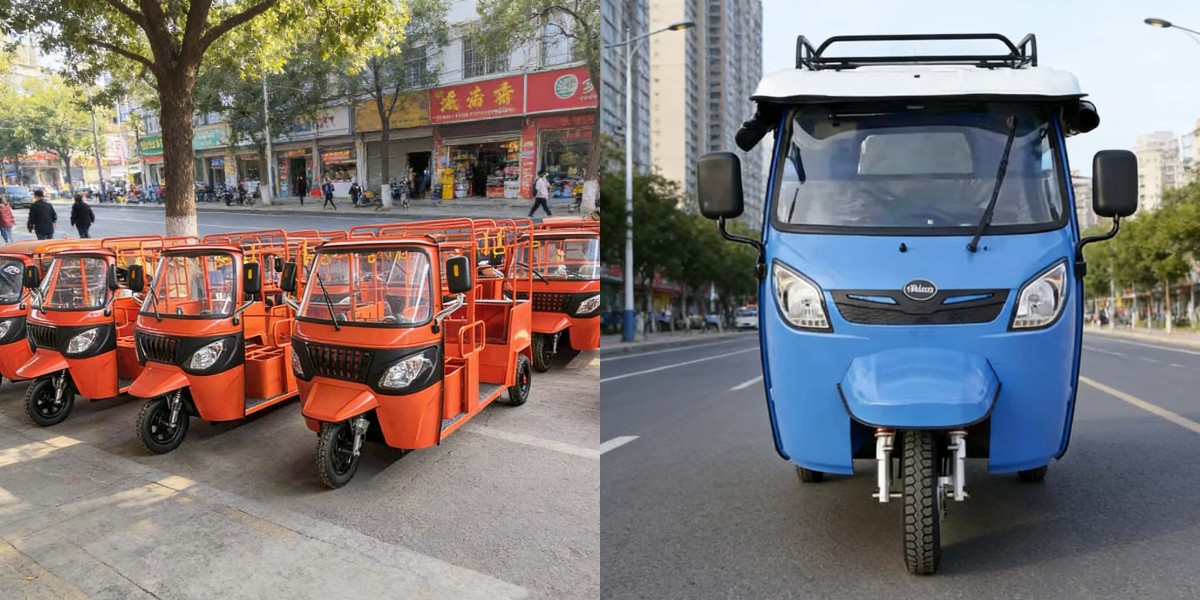
For millions of low-income families across the Global South, a tuk tuk represents more than just a vehicle—it's their most valuable asset.For decades, families who invested in these vehicles faced a difficult choice: either drive them themselves for long hours every day, or let them sit idle when not in use.
That all changed in 2016 when a Sri Lankan startup launched a revolutionary model: allowing tourists to rent and drive tuk tuks legally, using vehicles owned by local families. The company doesn't own any tuk tuks itself. Instead, it acts as a platform connecting vehicle owners with travelers, paying owners up to five times what they would otherwise earn from traditional rentals .
The impact has been extraordinary. Today, over 750 families across Sri Lanka participate in the program, generating more than $1.4 million in additional income annually . Many owners use this money to pay off vehicle loans, build better homes, send their children to better schools, or even start additional small businesses. What's particularly powerful about this model is that it creates passive income—owners don't have to work extra hours to earn money from their vehicles. A single mother in Galle told researchers that renting out her tuk tuk when she wasn't using it allowed her to quit her second job and spend more time with her children .
This asset-sharing model has now spread to other countries, including Cambodia and Thailand, proving that the humble tuk tuk can be a powerful tool for economic mobility. It's turning ordinary people who were once just workers in the tourism industry into actual entrepreneurs and stakeholders.
Beyond Transportation: Tuk Tuk Tours as Community Wealth Engines
While tuk tuks have always been used for transportation, a new generation of tour operators is transforming them into gateways for authentic cultural experiences that benefit entire communities. Unlike traditional bus tours that shuttle tourists between major attractions and chain restaurants, tuk tuk tours take visitors into the heart of local neighborhoods, connecting them with small businesses, artisans, and families.
In Battambang, Cambodia, full-day tuk tuk tours for $35 per person include visits to bamboo sticky rice vendors, handmade rice paper makers, and local fish markets . A portion of each tour fee goes directly to community projects, including infrastructure improvements and educational resources. The guides, who are all local residents, share personal stories and insights that you'll never find in a guidebook.
In northern Thailand, The Tuk Tuk Club has built its entire business model around community benefit. The company employs only local guides, uses locally owned accommodations, and avoids tourist traps and chain establishments entirely . Travelers get to experience hidden temples, family-run restaurants, and traditional craft villages that most tourists never see. Every dollar spent goes directly back into the local economy, supporting dozens of small businesses along the way.
Perhaps the most inspiring example comes from Siem Reap, Cambodia, where Tuk Tuk Lady—an organization founded by former street vendor Kim in 2021—has trained and employed 50 women as tuk tuk drivers . In a country where driving tuk tuks was once considered exclusively men's work, these women are breaking gender stereotypes while providing for their families. Many are single mothers, widows, or women with disabilities who previously had limited employment options.
Tourists love the experience too. Tuk Tuk Lady has won multiple TripAdvisor awards, with visitors praising the drivers' professionalism, knowledge, and warm hospitality . What started as one woman's struggle to support her two children has grown into a movement that's changing lives and challenging societal norms.
The Green Transition: Electric Tuk Tuks Creating Sustainable Livelihoods
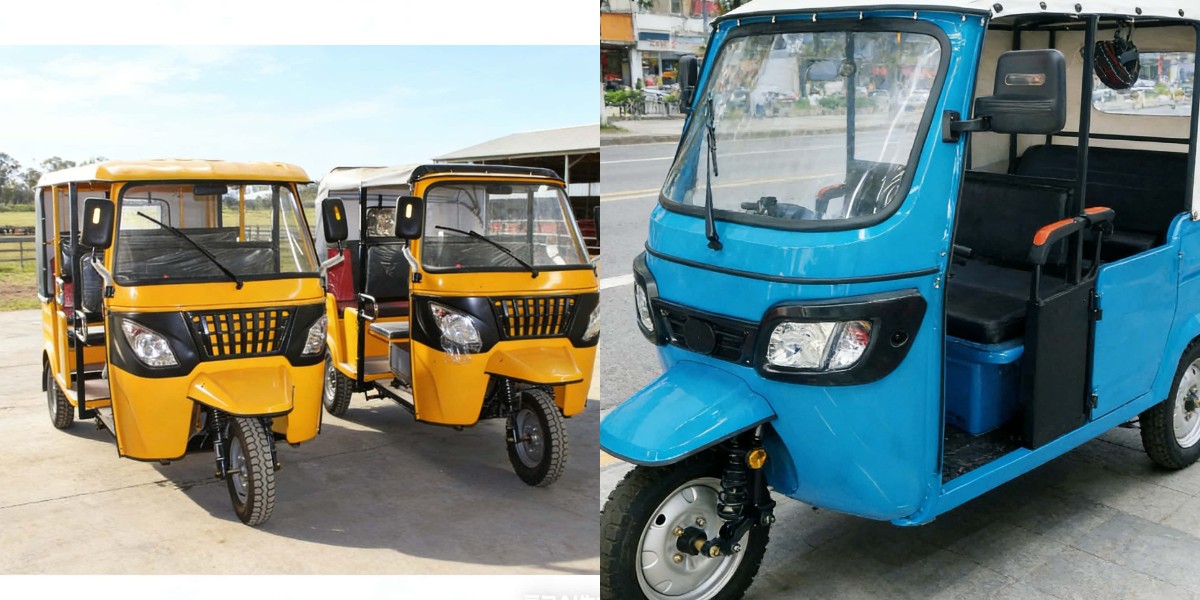
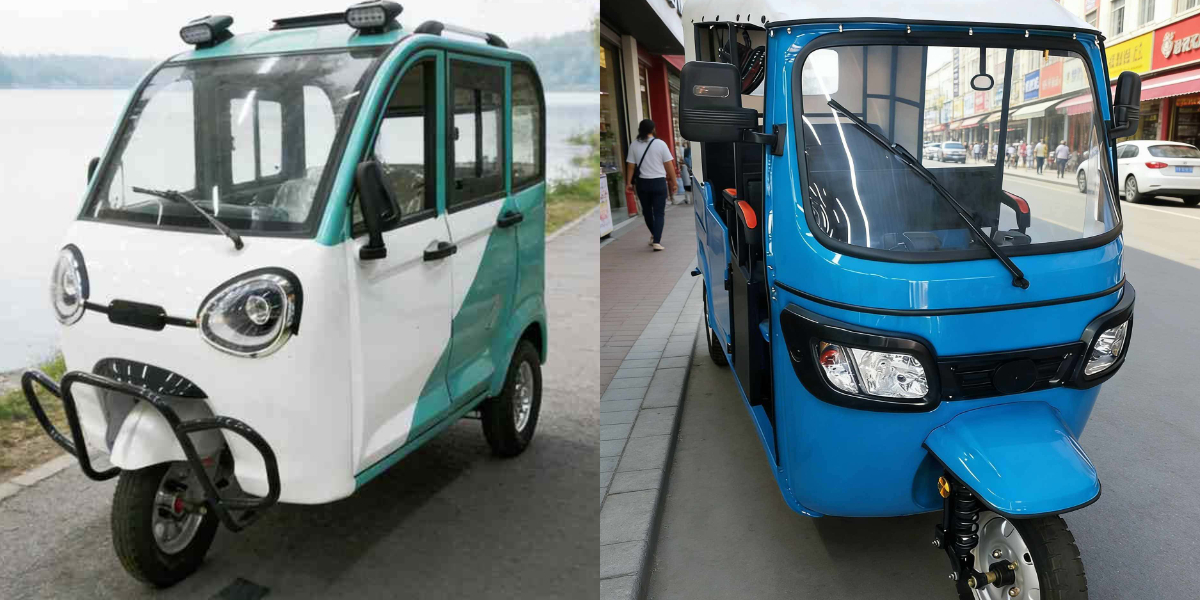
As concerns about climate change and air pollution grow, the tuk tuk industry is undergoing a green revolution that's creating even more economic opportunities. Electric tuk tuks are replacing noisy, polluting petrol models in tourist destinations around the world, offering a win-win for both the environment and local economies.
Traditional petrol tuk tuks are major contributors to air pollution in many cities. A single two-stroke engine tuk tuk can emit as much pollution as 50 cars . Electric models, by contrast, produce zero tailpipe emissions and operate almost silently, making them ideal for historic city centers and residential areas.
The economic benefits for drivers are equally compelling. Electric tuk tuks cost up to 80% less to operate than petrol models . In Kenya, for example, drivers using electric tuk tuks save approximately 800 Kenyan shillings (about $5.50) per 100 kilometers compared to conventional fuel vehicles . This might not sound like much, but for drivers who often earn less than $10 per day, it can double their take-home pay.
In Mombasa, Kenya, Sunny Tuktuk—a startup founded in 2025—operates a fleet of fully electric tuk tuks along the country's South Coast . The company provides training and uniformed drivers, and uses solar-powered charging stations to keep its vehicles running. The result is cleaner air for local residents, quieter streets, and better-paying jobs for drivers.
To address the high upfront cost of electric tuk tuks, many companies are using innovative battery-as-a-service models . Drivers pay a small daily fee to swap their depleted batteries for fully charged ones, eliminating the need to purchase expensive batteries outright. This makes electric tuk tuks accessible to drivers who could never afford them otherwise.
The transition to electric tuk tuks is also attracting a new type of eco-conscious tourist. Travelers who want to minimize their carbon footprint are actively seeking out electric tuk tuk tours, creating even more demand for these sustainable vehicles.
The Road Ahead
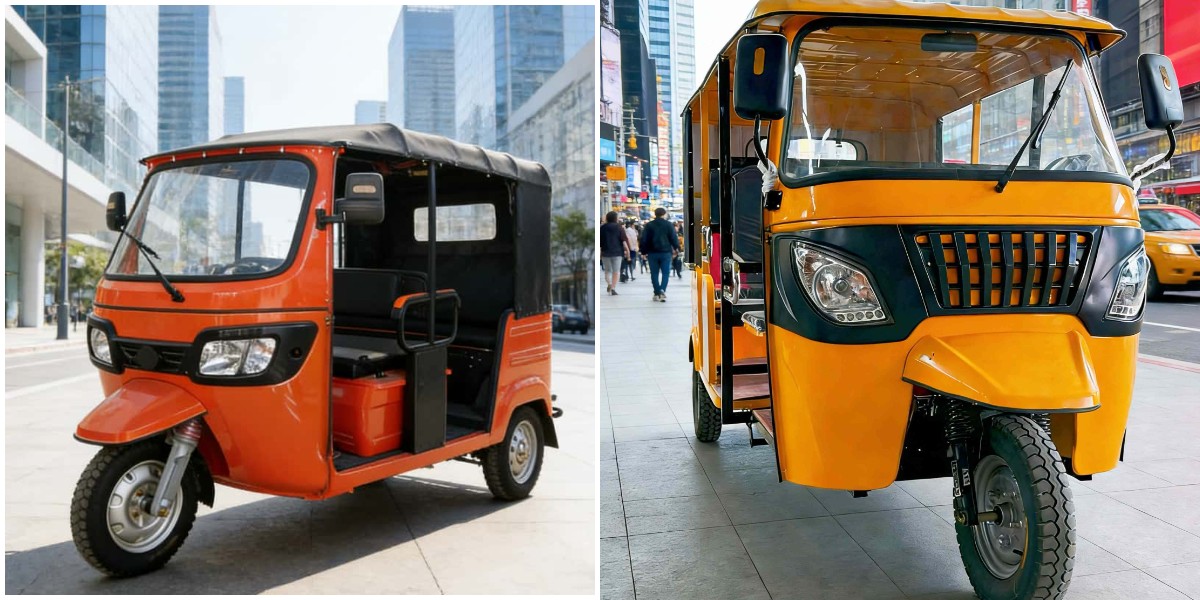
The rise of tuk tuk tourism offers a powerful lesson about economic development: sometimes the most transformative solutions are the ones that are already right in front of us. These three-wheelers, which have been part of the urban landscape for decades, are now proving that they can be powerful tools for creating inclusive, sustainable economic growth.
As the tourism industry continues to recover and evolve, the demand for authentic, community-based experiences will only grow. Tuk tuks are perfectly positioned to meet this demand, offering visitors a unique way to explore while ensuring that the benefits of tourism are shared more equitably.
The next time you're planning a trip, consider skipping the tour bus and hopping on a tuk tuk. You'll not only have a more memorable adventure—you'll be supporting local families and helping to build stronger, more resilient communities. And who knows? You might just witness firsthand how a humble three-wheeler is changing the world, one ride at a time.