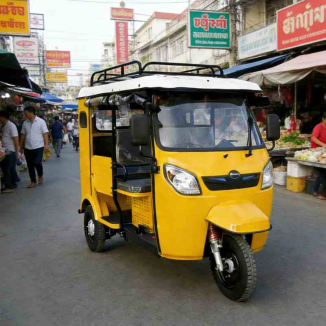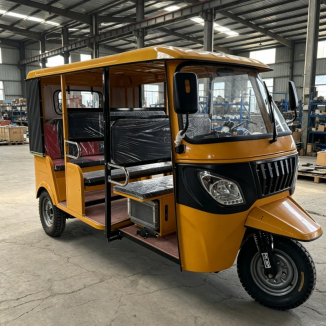

Future of Tuk Tuks: The Quiet Revolution No One's Talking About
Look, I've been writing about transportation for 12 years now. I've sat through endless press conferences about self-driving cars, I've test-driven every electric vehicle under the sun, and I've heard more bullshit about "the future of mobility" than I care to remember. But nothing—nothing—has impressed me as much as what's happening with tuk tuks right now.
Forget Tesla—Tuk Tuks Are Winning the EV Race Where It Actually Matters
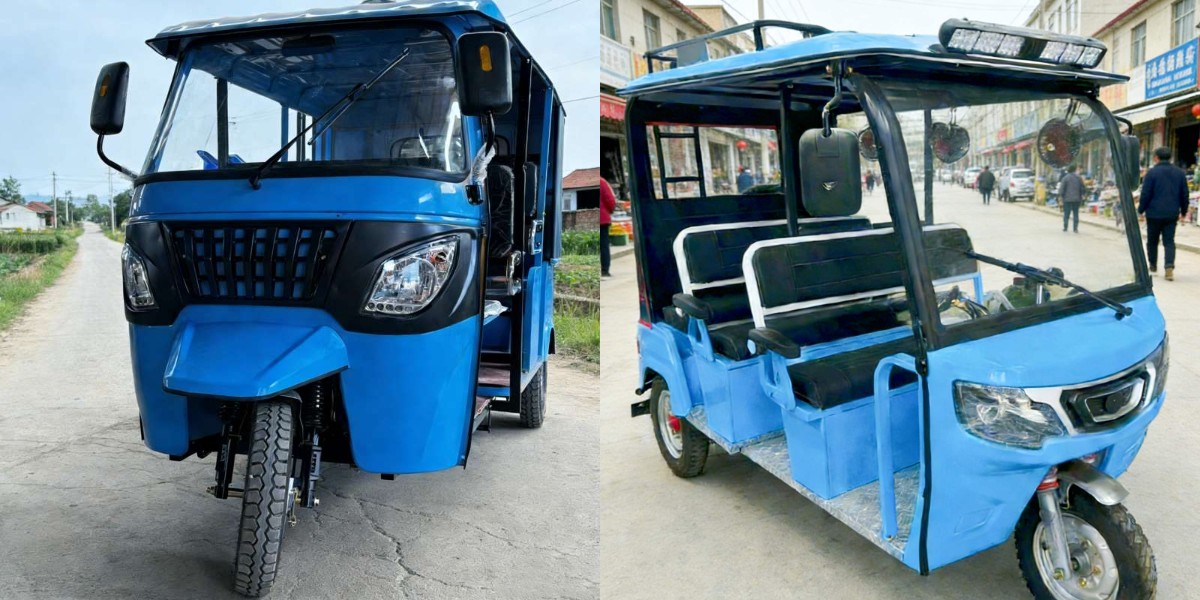
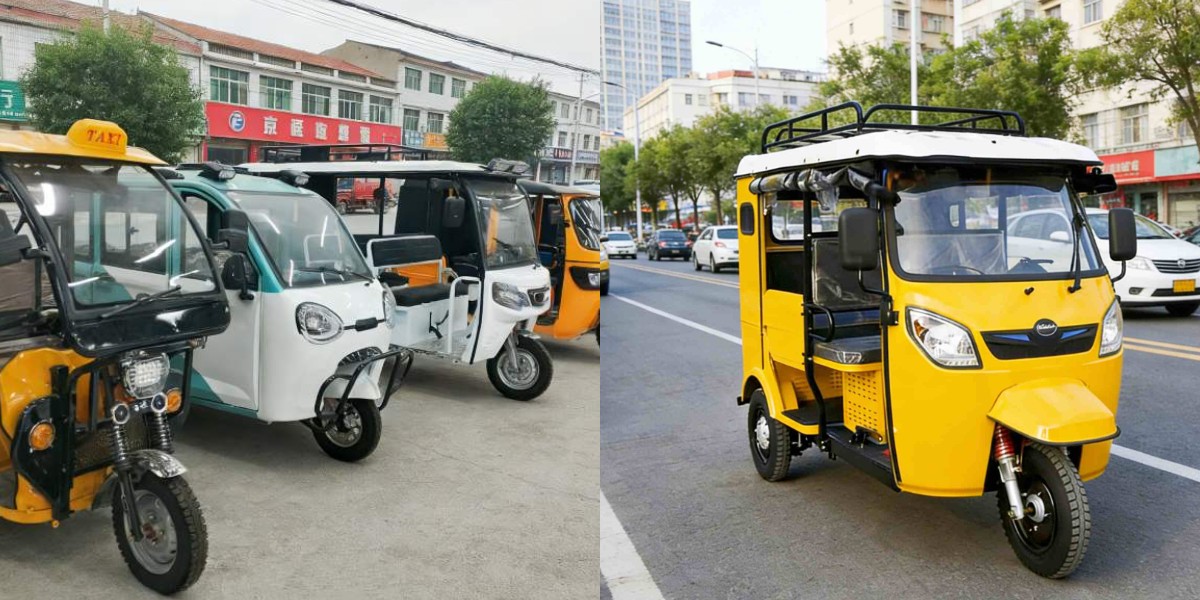
Let me hit you with one number first. In India last year, electric three-wheelers made up 53% of all EV sales. 53%. More than electric cars, more than electric buses, more than electric trucks combined.
Think about that for a second. While we're over here arguing about whether electric cars have enough range to drive to the beach, people in Delhi and Lagos and Jakarta are already switching to electric vehicles en masse. And they're not doing it because some celebrity told them to. They're doing it because it makes them more money.
I spent three days hanging out at a tuk tuk stand in Delhi last month. Every driver I talked to had the same story. Raj, who's been driving for 17 years, told me he used to spend 800 rupees a day on petrol. Now? A full charge costs 150 rupees. That's an extra 650 rupees a day in his pocket. For context, that's almost double the minimum wage in India.
He used to be able to send his daughter to government school. Now she goes to a private school where they teach English. His wife finally got the diabetes medicine she needed. They eat chicken three nights a week instead of just one. That's the real impact of electric vehicles. Not some billionaire's stock price going up.
And here's the thing no one talks about: they don't need those fancy charging stations. Most drivers just plug their tuk tuks into a regular wall outlet at home overnight. For those who need to charge during the day, there are battery swapping stations where you can swap a dead battery for a full one in 90 seconds. Faster than filling up a tank of petrol.
Oh, and the air? You can actually breathe now in parts of Delhi where you couldn't five years ago. Each electric tuk tuk cuts out 5 tons of carbon a year, but more importantly, it cuts out all that black diesel smoke that used to make your eyes burn after 10 minutes outside.
Self-Driving Tuk Tuks Actually Work. I Rode In One.
Everyone laughs at self-driving cars now. And rightfully so. They've been "five years away" for 15 years. They can't handle rain. They can't handle construction. They freeze up when a pigeon flies in front of them.
But self-driving tuk tuks? They actually work.
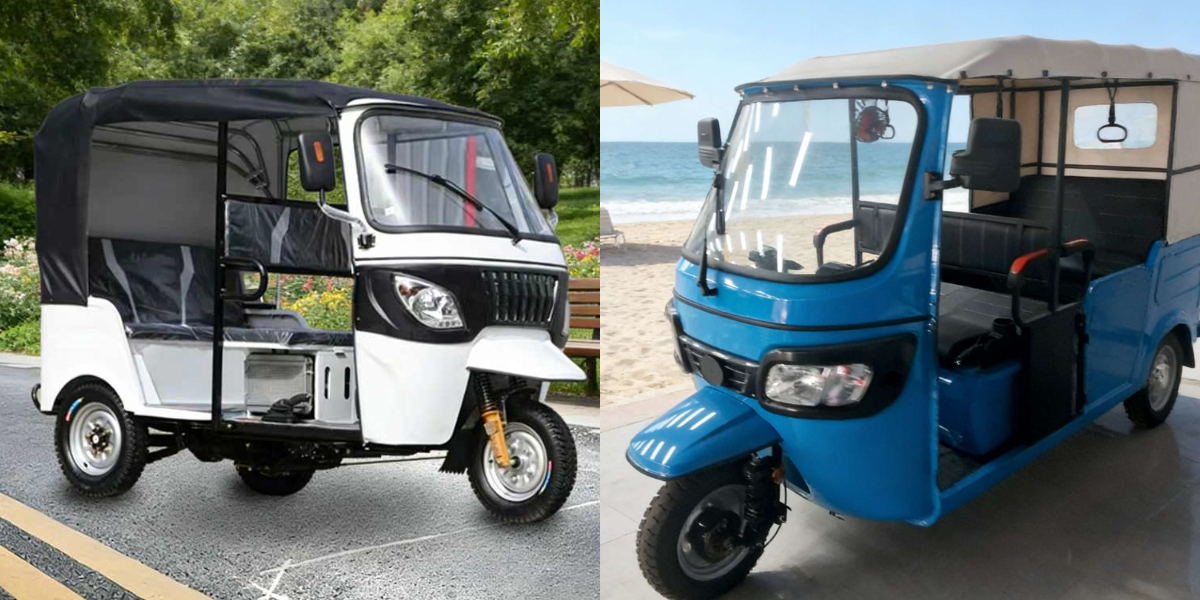
I rode in one in Bangkok's Thong Lor district last year. It was a beat-up old tuk tuk with a couple of cameras stuck to the roof. No fancy lidar. No million-dollar sensor suite. Just some cameras and a laptop in the back.
And you know what? It drove better than most human tuk tuk drivers.
It slowed down when a chicken wandered into the road. It hesitated when a motorcycle cut us off (which happens every 10 seconds in Bangkok). It didn't try to run over pedestrians. It just… drove.
The guy who built it told me they trained the AI on thousands of hours of footage of Bangkok traffic. They didn't try to make it drive like an American car. They made it drive like a tuk tuk driver. Because that's how you survive on these roads.
But the biggest thing? Safety. Every woman I know who's traveled alone in Southeast Asia has a horror story about a tuk tuk driver at night. The ones who hit on you. The ones who take detours to charge you extra. The ones who make you feel trapped.
Autonomous tuk tuks don't do that. They take the shortest route. They charge exactly what the app says. They don't talk to you. It's boring. And that's exactly what we need.
There's even a company in India building self-driving tuk tuks that don't need any maps. They just drive based on what they see. Which is perfect for villages where roads don't even have names. Imagine being able to call a tuk tuk to take your sick kid to the hospital in the middle of the night, even if you live in the middle of nowhere. That's the future. Not some fancy robotaxi in San Francisco.
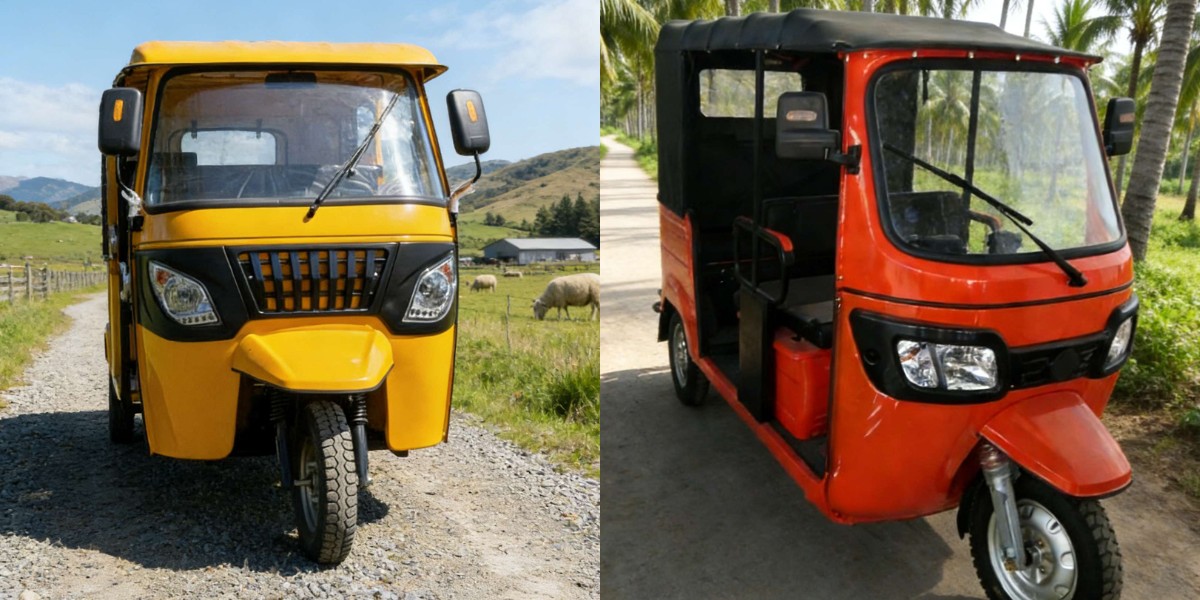
Tuk Tuks Aren't Just Taxis Anymore. They're Everything.
The craziest part? People are using electric tuk tuks for everything except driving passengers.
I was in Jakarta last month, and I saw a guy who'd turned his into a mobile barber shop. He had a barber chair bolted to the back, a mirror hanging from the roof, and his clippers running off the tuk tuk's battery. He parks outside office buildings during lunch hour, charges $1.30 a cut, and makes twice as much as he ever did driving people around.
I saw another one in Nairobi that was a mobile coffee shop. The guy had an espresso machine and a little counter, and he served coffee and mandazi to commuters on their way to work.
As self-driving technology gets better, this is only going to get crazier. Imagine a tuk tuk that delivers groceries in the morning, becomes a mobile library for kids in the afternoon, and then delivers medicine to old people at night. All without a driver. All running on electricity.
It's Not Perfect. But It's Real.
Look, I'm not saying everything is great. I've seen charging stations in rural India that haven't worked in six months because no one maintains them. I've talked to older drivers who are terrified that self-driving tuk tuks will take their jobs and leave them with nothing. Governments are moving so slowly it's painful.
But here's the thing. This isn't some tech bro fantasy. This isn't a company burning through billions of dollars trying to solve a problem no one has. This is real people solving real problems.
Drivers are switching to electric because it makes them more money. Engineers are building self-driving tuk tuks because they want to make their cities safer. Entrepreneurs are turning them into barber shops and coffee shops because they see an opportunity.
That's the future of transportation. It's not shiny. It's not expensive. It's not coming from California. It's coming from the streets of Bangkok and Delhi and Nairobi. And it's already here.