
What is a motorized rickshaw called?
If you’ve ever wandered the streets of Bangkok, Delhi, or Cairo—really wandered, not just rushed from hotel to attractions—you’ve definitely seen them. Those tiny motorized rickshaw things that zip through traffic like they own the road, weaving past cars and pedestrians, their engines humming this weirdly familiar, repetitive buzz. And if you’re anything like me, you’ve probably stopped mid-wander, squinted, and thought: Wait, what do you even call one of these? It’s not a simple answer, I promise. This little vehicle—so iconic, so chaotic, so perfect for getting lost in a new city—has dozens of local nicknames. Each one’s tied to the culture, the language, even the way its engine sputters when it hits a pothole. Below, I’m breaking down three things I’ve learned about these names over years of traveling—stuff you won’t find in those generic “travel guides” online. Real stuff, to help you actually get it, plus tips to not look like a total tourist next time you hop in one.
1. Regional Names: From Tuk-Tuk to Bajaj—What Locals Actually Say (Not What Google Tells You)
The first thing you’ll notice when you bounce between Asia, Africa, even parts of Europe? No two places call these things the same. And these names aren’t random—they’re like little snapshots of how people live. They tell you how the vehicle fits into their days, their slang, their lives. Let me walk you through the ones I’ve actually heard locals use (not the fancy terms from travel blogs):
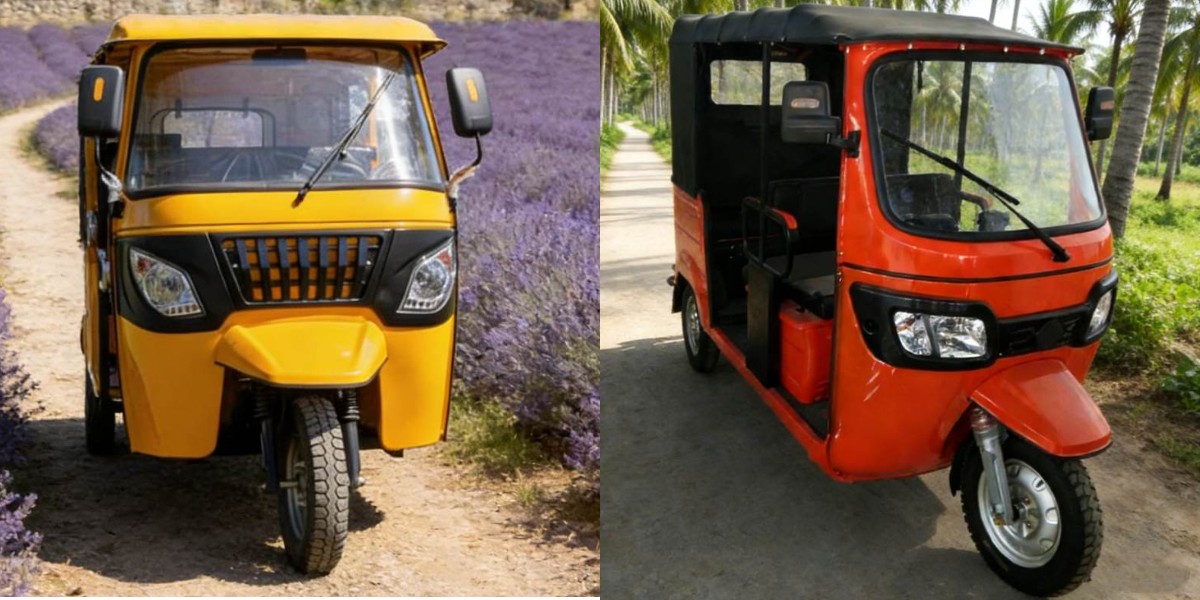
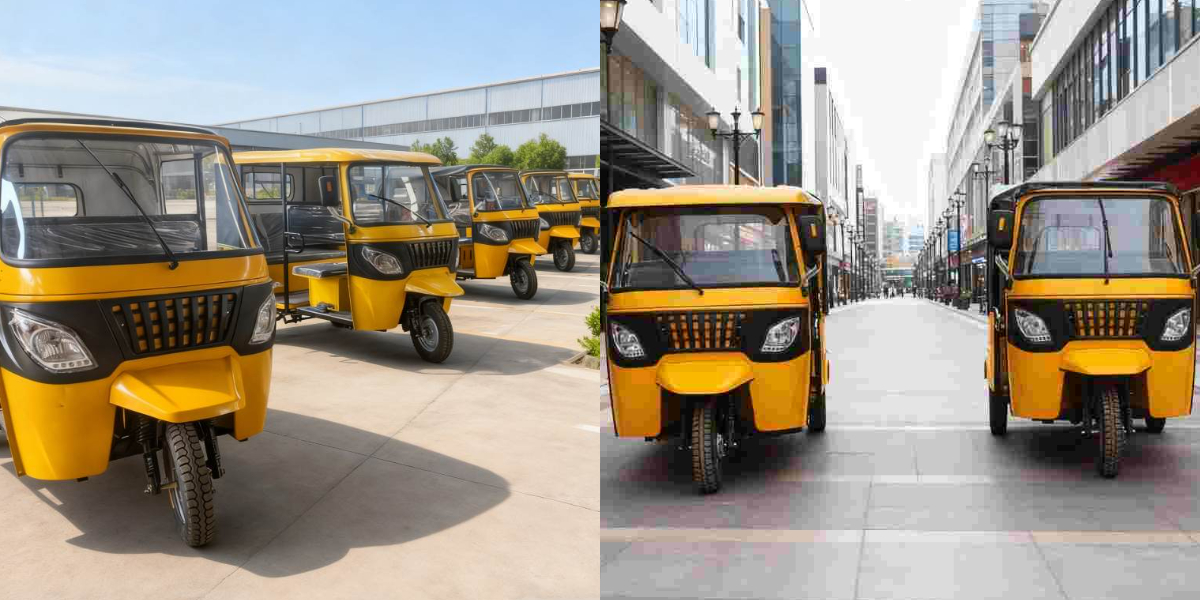
In Thailand, it’s “tuk-tuk”—everywhere. And yeah, there’s a reason. The word’s just the sound the engine makes: that “tóok-tóok” sputter as it bounces down Bangkok’s narrow, crowded alleys. I used to think it meant “cheap” (stupid tourist move, I know), but a local friend laughed and told me that’s “thook” in Thai—totally different sound, totally different meaning. Hop a few thousand miles west to India, and the same exact ride goes by “auto rickshaw” or just “auto.” Makes sense, right? It’s motorized, so they added “auto” to tell it apart from the old human-pulled rickshaws (which you still see in some parts of Delhi). And since India’s home to Bajaj Auto—the biggest maker of these things in the world—locals in places like Mumbai just call ’em “bajaj,” like you’d call a Kleenex a “Kleenex.” No big deal.
Head down to Africa, and the names get even more fun. In Nigeria, they’re “keke-napep.” I asked a local what that meant once, and he said it’s a mix of slang and how people see ’em—fast, spicy, like a dash of pepper in the chaos of Lagos streets. Makes perfect sense when you’ve ridden one. In Tanzania and South Africa, “tuk-tuk” stuck around—probably ’cause tourists love the name, and the rides themselves came from Asia. Even in Europe, places like Lisbon or Paris have electric ones called “e-tuks” ferrying tourists around. Same vibe, just quieter (and way less smelly). Quick tip: If you’re searching for what to call these rides in a specific country, skip the “motorized rickshaw” search—use the local name. That’s how you’ll find real info, not generic garbage.
2. The Hidden Story: Why This One Ride Has a Million Names (It’s Not Just Language)
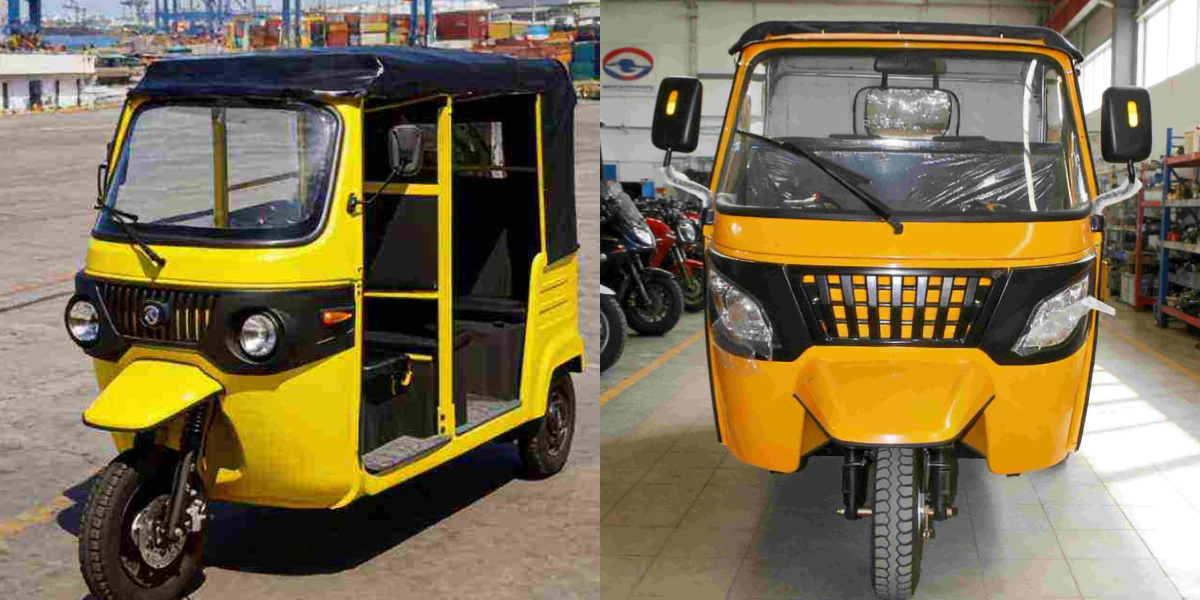
I get it—you’re probably thinking, “Why can’t we all just call it a motorized rickshaw?” I thought the same thing until a local guide in Cambodia sat me down and explained it. Turns out, it’s not just about language. It’s about how the ride evolved, how different cultures made it their own, even the leftover mess from colonial times. Unlike cars or bikes—where everyone calls ’em the same thing—the motorized rickshaw wasn’t invented in one place and spread. It popped up independently, in different countries, and each time, people tweaked it to fit their lives… and gave it a new name.
It started in the 1930s in Japan, from what I’ve read. Manufacturers built these cheap three-wheeled things based on motorcycles, ’cause working-class families couldn’t afford cars. They needed something reliable, something that could carry a few people and some groceries. After World War II, these early models spread to India, Thailand, Southeast Asia—but every place changed ’em. In Thailand, they kept ’em open-air with a canopy (perfect for the heat), so the engine sound became the name: tuk-tuk. In India, they added enclosed cabins (to keep out dust and monsoons), so they called ’em auto rickshaws to distinguish ’em from the old human-powered ones. In Cambodia, they started as bicycle-pulled trailers called “remorque,” but when motorized ones took over? Locals just started calling ’em tuk-tuk too. A guide told me tourism officials tried to make a “official name” in 2013, but no one cared—everyone stuck with tuk-tuk. Classic.
Colonialism played a part too, weirdly enough. In parts of Africa, French and Portuguese colonizers left their words behind. In Madagascar, for example, people still call ’em “pousse-pousse”—a French word that used to mean human-pulled rickshaws. Over time, it just shifted to the motorized ones. So when someone asks, “What’s a motorized rickshaw called?” it’s not just a word. It’s a little piece of history. And that’s why learning the local name feels like a small win when you’re traveling—you’re not just using a word, you’re getting a tiny glimpse of how things got to be.
3. Traveler’s Must-Know: Call It the Right Name (Or Get Scammed—Trust Me)
Here’s the real talk: Knowing what to call these rides isn’t just fun trivia. It’s how you avoid looking like a lost tourist—and getting ripped off. I’ve been there. I once called a tuk-tuk an “auto” in Bangkok, and the driver immediately raised the fare by double. He knew I had no clue. Scammers notice that stuff—fast. They’ll overcharge you, take the longest route possible, even pretend they don’t know where your hotel is—all ’cause you used the wrong name.
So here’s my personal cheat sheet—no need to memorize a million words. If you’re in Thailand, Cambodia, or Vietnam? Say “tuk-tuk” (pronounced “took-took”). Locals will relax immediately—they’ll know you’re not a total newbie. In India, Pakistan, Bangladesh? Stick to “auto” or “auto rickshaw.” Never say tuk-tuk—dead giveaway. In Nigeria? “Keke-napep” or just “keke” works. In Sri Lanka, “three-wheeler” is fine, and tourists can say tuk-tuk without getting side-eyed. Easy enough, right?
And while we’re at it, here are some tips I’ve learned the hard way (no more getting scammed!): Always negotiate the fare before you get in. Most of these rides don’t have meters—especially in tourist spots. Ask your hotel staff or a local what the fare should be—they’ll hook you up. Carry small change—drivers never have change for big bills, and it’s a hassle. If you’re nervous about the fare or route, use apps like Ola or Uber for autos in India—fixed prices, no drama. And most importantly? Just embrace it. These rides are bumpy, loud, sometimes smelly—but they’re the best way to see a city. You’ll zip through back streets, hear local music, wave at kids. It’s not just transportation—it’s part of the trip.
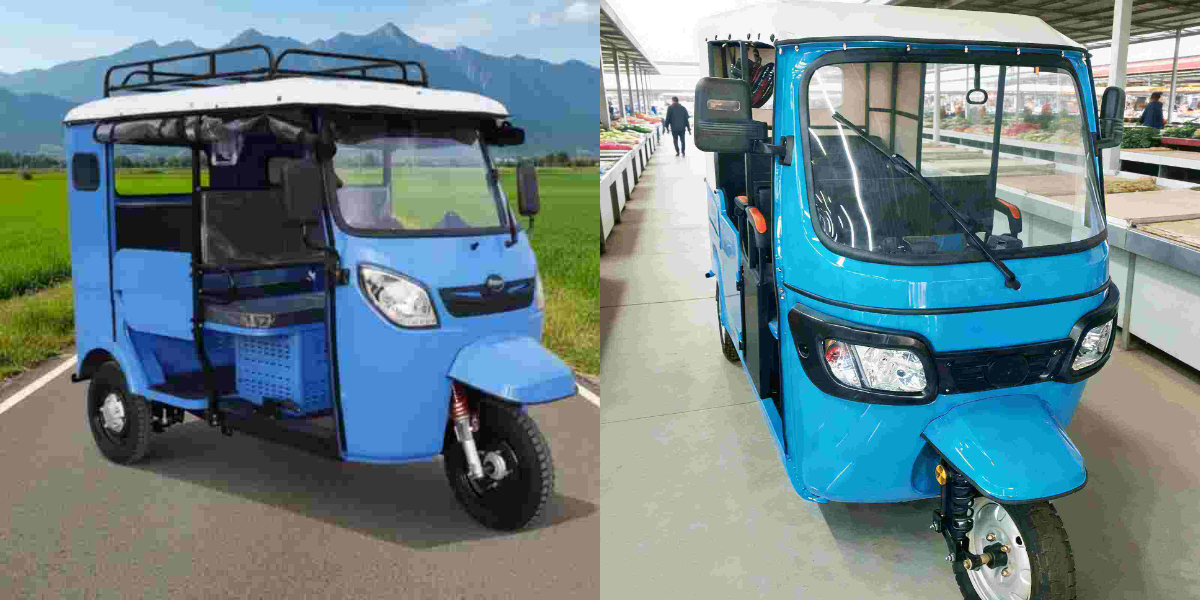
So, back to the original question: What is a motorized rickshaw called? It’s tuk-tuk in Bangkok, auto in Delhi, keke-napep in Lagos. It’s a million little names, all for the same chaotic, wonderful ride. Those names aren’t just words—they’re proof of how this tiny vehicle fits into every culture, how it becomes part of the places it goes. Next time you travel, take two minutes to learn the local name. It’ll save you money, help you connect with locals, and make your trip feel a little more real—less tourist, more traveler.
Next time you spot one zipping down the street, you won’t just know what it’s called—you’ll know why. And if you’re already daydreaming about your next trip? Tell me: Which country’s ride (and its name) are you most excited to try?