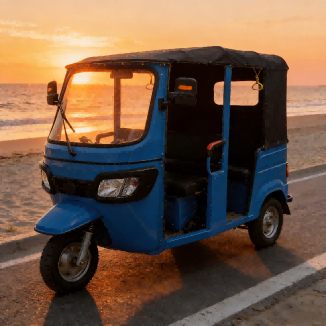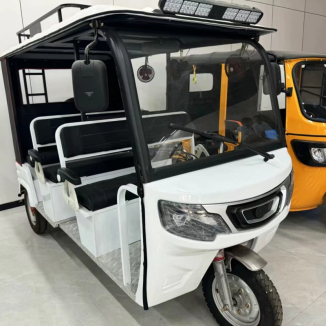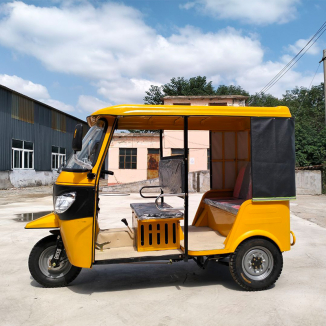

Do Gasoline Tricycles Handle Steep Rural Hills Better Than Electric Models?
If you’re shopping for a budget, do-it-all vehicle for daily commutes and long countryside drives, you’ve probably wondered: can gasoline tricycles really handle both short urban runs and lengthy rural trips without compromise? A lot of buyers end up stuck between two bad options. Full-size cars burn unnecessary fuel for quick city errands, while electric tricycles often fall short when faced with rough rural roads and long distances. From real user experience and on-road performance, gasoline tricycles strike a perfect middle ground. They work reliably for quick downtown tasks and hold up impressively well on long, tough rural routes. Below, I break down the practical reasons why they excel in both scenarios.
1. Short Urban Trips: Perfect for Busy Streets and Limited City Parking
City travel is full of small, annoying hurdles. Quick trips like picking up kids, grabbing groceries, or running local deliveries often get slowed down by heavy traffic, cramped roads, and nearly impossible parking. Big cars feel overkill for these short daily outings, and many small electric rides come with speed limits and inconsistent power that slow you down.
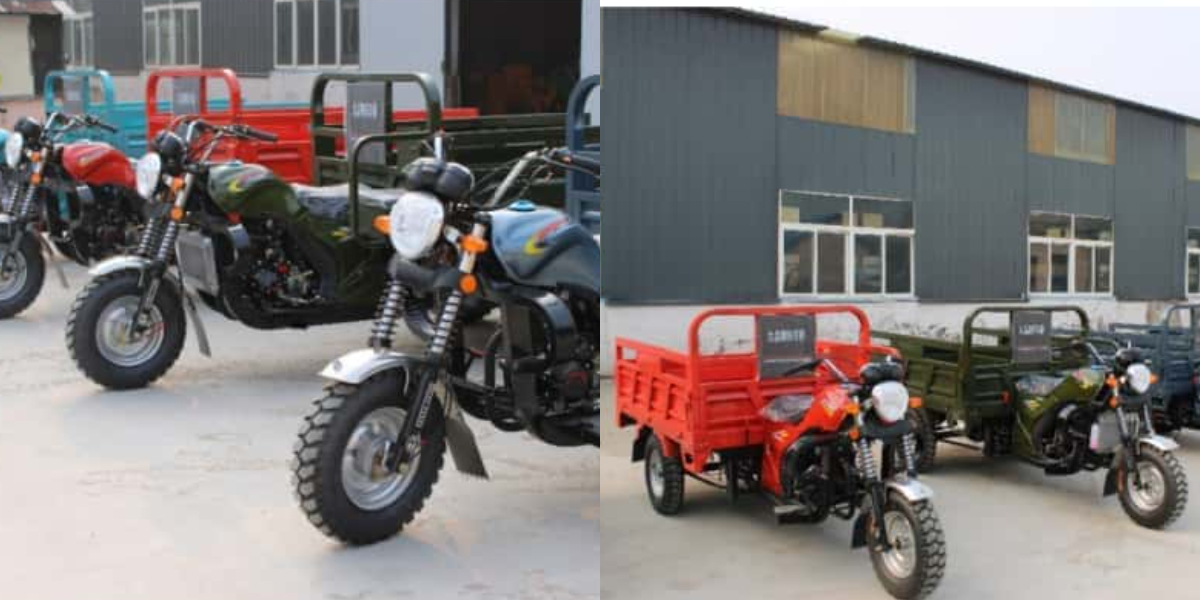
Gasoline tricycles fix these everyday city struggles effortlessly. Their slim, compact build glides through tight street gaps where cars sit idle in traffic jams for minutes on end. Parking becomes far less stressful too. They take up just a fraction of a standard car parking spot, so you can always find a place in crowded residential blocks, old town streets, and busy commercial areas. Another underrated plus is their simple mechanical build. Unlike electric models that deal with frequent electronic glitches from constant start-stop city driving, gas tricycles handle repeated short trips with zero fuss. For families and small local business owners, they turn tedious daily urban travel into something fast and hassle-free.
2. Long Rural Journeys: Works Without Reliance on Charging Infrastructure
Rural long-distance travel is a completely different ballgame compared to city driving. Countryside routes often have bumpy dirt roads, muddy farm lanes, steep mountain paths, and almost no public charging stations. This is the biggest downside of electric tricycles—they run out of power halfway and struggle with tough terrain, making them useless for long rural drives.
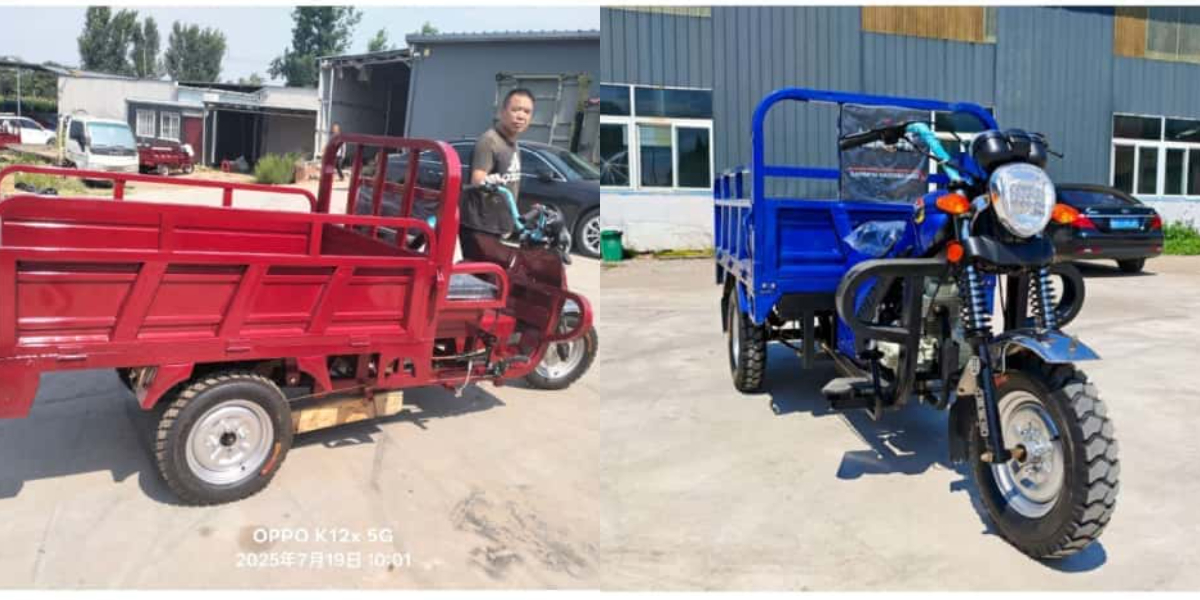
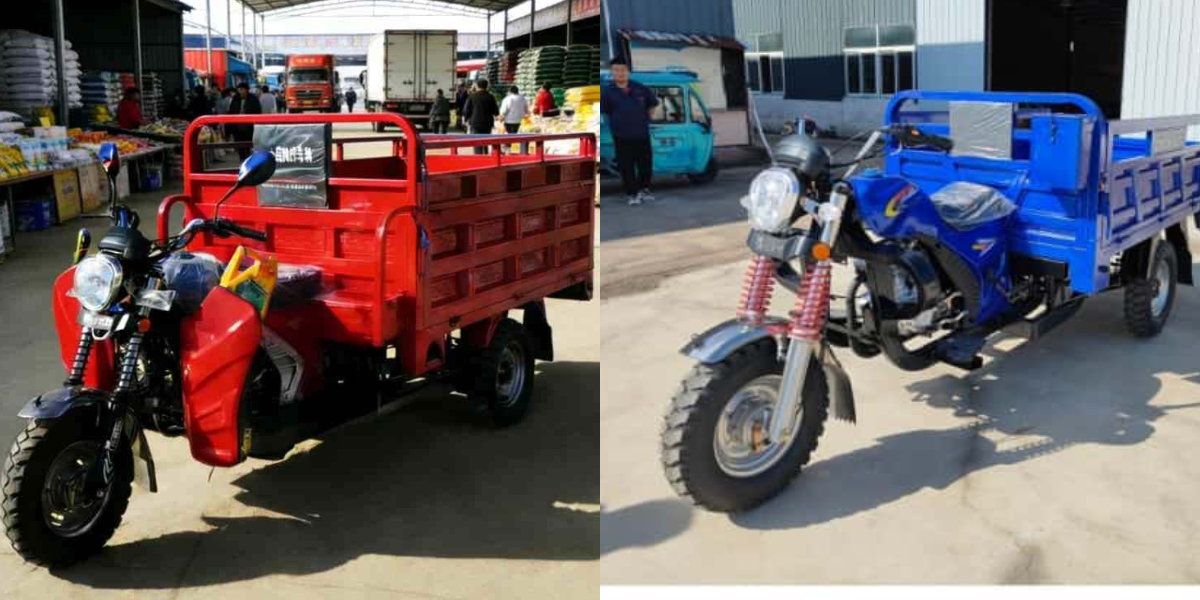
Gasoline tricycles shine here. Thanks to the widespread gas station network, you never have to worry about running out of power on remote trips. One full tank covers hundreds of miles, more than enough for cross-town visits, farm work runs, and rural cargo hauls. Built with reinforced steel frames, sturdy shock absorbers, and thick anti-slip tires, they tackle potholes, slippery roads, and steep slopes smoothly. Unlike electric tricycles that lose major power and strength when climbing long hills or carrying heavy loads, gas engines deliver steady, consistent power no matter the terrain or weight. For farmers, village residents, and rural delivery workers, they’re the only trustworthy option for long, unpredictable countryside journeys.
3. Dual-Scenario Value: Low, Stable Running Costs All Year Long
What makes gasoline tricycles stand out from other vehicles is their amazing all-around cost efficiency for both city and rural use. A lot of people assume gas-powered rides are more expensive to run, but real-world use tells a different story. They sip far less fuel than standard cars, so short daily urban trips barely add up to fuel costs. Even on long rural highway-style drives, their fuel economy stays consistent, with no sudden energy loss in cold weather or during extended travel.
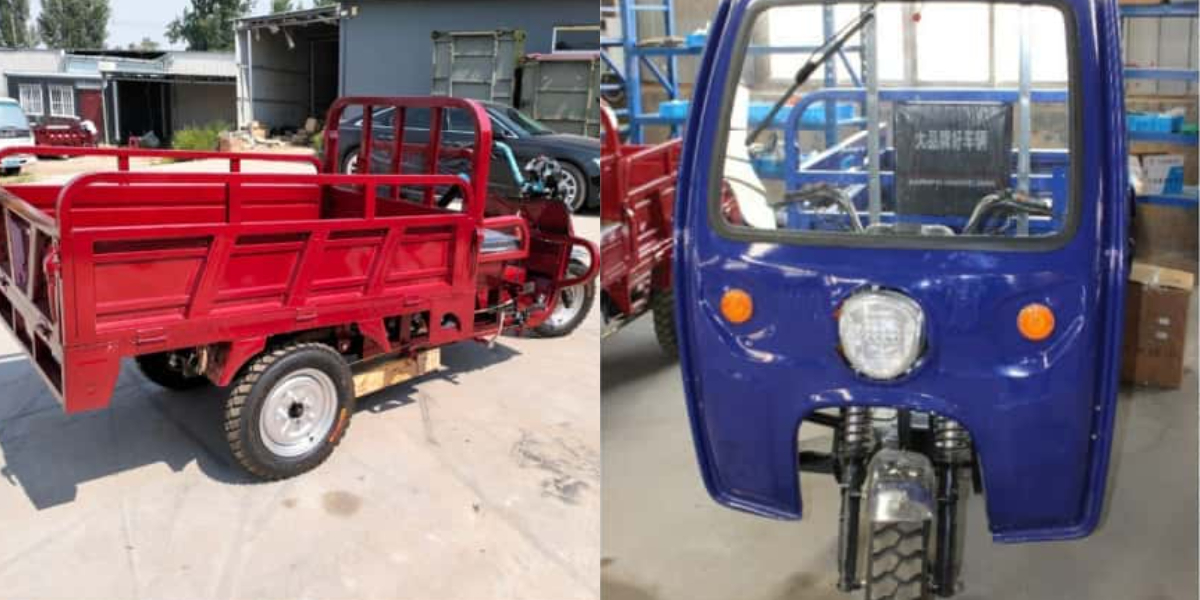
Maintenance is another huge money-saver. These tricycles use simple, proven mechanical parts with very few fragile components. Basic upkeep only includes routine oil changes and tire checks, and any local repair shop—whether in the city or countryside—can fix minor issues for a tiny fee. This is a massive advantage over electric tricycles, which need expensive battery replacements after regular short-cycle city charging and heavy-duty rural use. On top of that, gas tricycles have solid load-bearing capacity. They handle daily family rides and small cargo transport equally well, letting you own one vehicle for all needs instead of buying separate rides for city and rural travel.
Final Verdict
All in all, gasoline tricycles are absolutely suitable for both short urban trips and long rural journeys. They make crowded city travel easier with their flexible size and easy parking, tackle tough rural roads and infrastructure gaps with reliable gas power, and save you money long-term with low running and maintenance fees. If you need a practical, budget-friendly, multi-use vehicle for dual urban and rural travel, a gasoline tricycle is hands down one of the most reliable choices available.