
What is the difference between a rickshaw and a tuk tuk?
If you’re in the passenger transport business—whether you’re buying vehicles for tourist spots in Bali, urban short-distance travel in Nairobi, or rural areas in Bangladesh—you’ve probably heard “rickshaw” and “tuk tuk” used like they’re the same thing. I’ve been selling and consulting on these vehicles for 8 years, working with buyers across Southeast Asia, Africa, and South Asia, and I get this question at least 3 times a week: Are they really different? To be honest, they’re not—at least not to someone who’s never used them. But to someone running a transport business? They’re night and day. Different origins, different uses, different legal hoops to jump through. I’ve seen so many buyers waste money because they mixed them up—ordering tuk tuks for rural Kenya where they’re banned, or rickshaws for Bangkok’s tourist districts where they’re not allowed. Let me walk you through what I tell every buyer—no fancy terms, just real-world differences.
1. Historical Roots & Cultural Origins: Not Just Three Wheels—Their Histories Shape How You Use Them
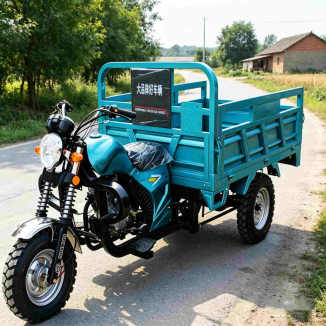
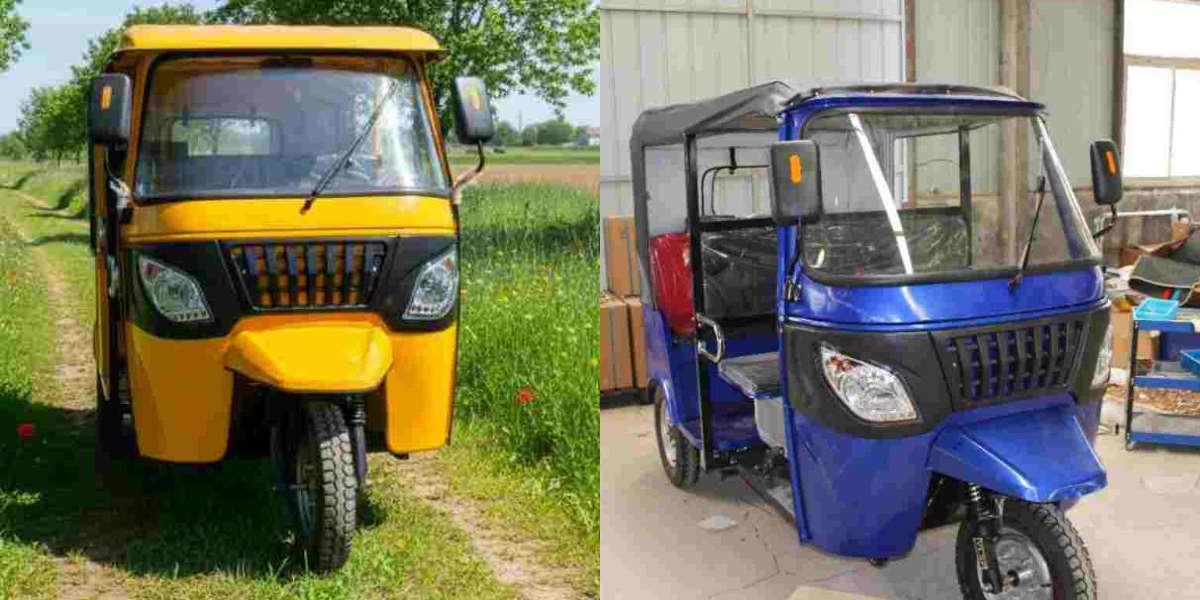
Most buyers mix these up because they’re both three-wheeled and carry passengers. But their histories? Totally different. And that history isn’t just a fun fact—it changes how local customers and governments see them. Rickshaws came first, and they’re rooted in making transport accessible for locals.Rickshaws: From Human-Powered to Motorized—Built for Locals, Not Tourists,The word “rickshaw” comes from Japan, late 1800s—“jin” means human, “riksha” means carriage. Early ones were pulled by hand, one or two passengers max. They spread to China, India, and Bangladesh because they were cheap, fit down narrow streets cars couldn’t touch, and gave people a way to make money. I’ve actually seen old hand-pulled rickshaws in Kolkata’s old city—they’re still running, and they’re a huge part of the local culture. Over time, they got better: cycle rickshaws (pedaled by the driver) for short trips, then electric or small fuel engines (50cc-100cc) for longer ones. Even now, in places like Dhaka or Kathmandu, cycle rickshaws are everywhere in rural areas—they cost nothing to run, and locals rely on them. They’re not flashy, but they get the job done for daily commuters.Tuk Tuks: Always Motorized—Made for Tourists, Built for Speed Tuk tuks are a whole different beast—they were never human-powered. The first one popped up in Thailand in the 1930s, inspired by the Japanese auto rickshaw but redone for Bangkok’s heat and crowds. The name “tuk tuk” is just the sound their old two-stroke engines make—you hear them before you see them, right? I remember my first trip to Bangkok in 2015—every tuk tuk was bright pink or blue, covered in tourist stickers. That’s no accident—they were built for tourists from the start. Faster than cycle rickshaws, able to carry 3-4 people comfortably, and designed to stand out. Unlike rickshaws, which evolved slowly, tuk tuks were motorized from day one—100cc engines back then, now up to 150cc. Today, you’ll find them in Bali, Phuket, or Rome’s tourist districts—they’re not just transport, they’re a photo op. Businesses in scenic spots love them because tourists will pay extra for a “tuk tuk tour,” something they’d never do for a rickshaw.I’ve had buyers ask why this matters—and it’s simple. If you’re selling to locals, a rickshaw feels familiar, trustworthy. If you’re selling to tourists, a tuk tuk feels exciting, authentic. Mix them up, and you’ll lose customers. A buyer in Chiang Mai once ordered electric rickshaws for his tourist business—tourists walked right past them, asking for tuk tuks. He had to resell them at a loss and order tuk tuks instead. That’s the difference history makes.
2. Power & Operations: Pick the Wrong One, and You’ll Lose Money
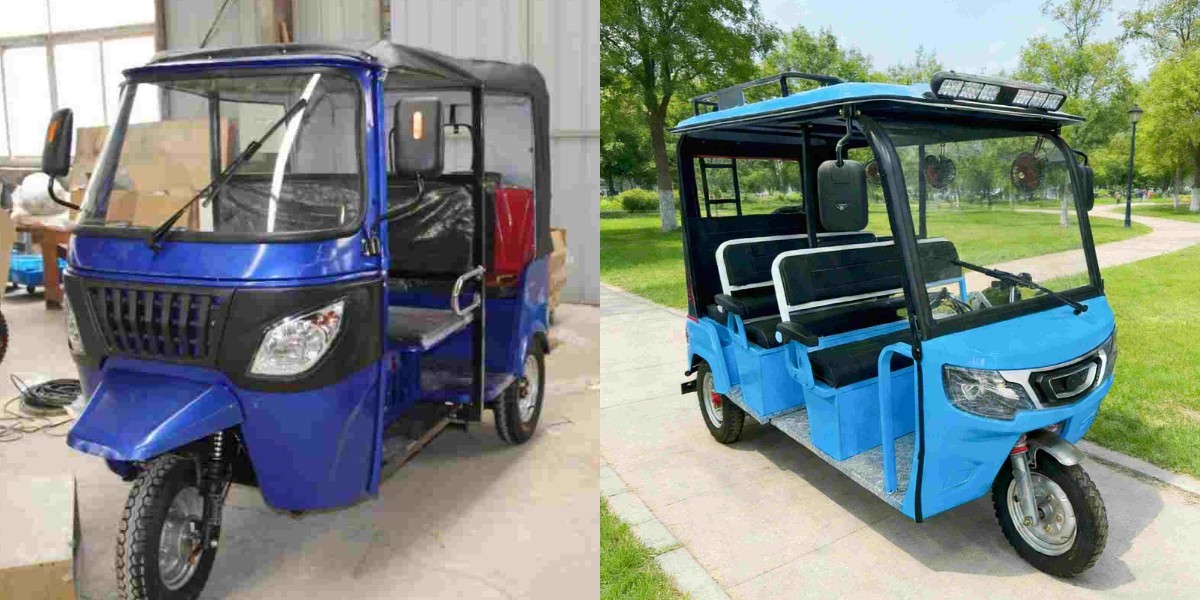
This is where most buyers mess up. They look at price first, not power—and power determines how much money you’ll make (or lose) every day. I tell every buyer: your power source has to match your route, your passengers, and your electricity access. Rickshaws and tuk tuks have totally different setups, and there’s no “one size fits all.” Let me break this down like I do in my buyer calls—no jargon, just real numbers.Rickshaws: Cheap to Run, Slow to Move—Great for Short, Local Trips.Rickshaws come in three flavors—cycle, electric, and small fuel. Cycle rickshaws are the cheapest to run (zero cost, since you pedal), but they’re slow—8-10km/h max. I only recommend them for places like local markets in Lagos or small villages in Nepal, where trips are 1-3km tops. Electric rickshaws are the most popular now, especially in places with strict emission rules like Delhi or Jakarta. I sell dozens of these a month—they get 80-100km per charge, cost $0.50-$1 a day in electricity, and are quiet enough for residential areas. A buyer in Kampala ordered 20 electric rickshaws for his local transport business—he’s saving $300 a month on fuel compared to his old fuel rickshaws. But here’s the catch: they need steady electricity. I had a buyer in rural Tanzania order electric rickshaws, and there was no power for 3 days a week—they sat idle, and he lost $200 in fares.Even motorized rickshaws (50cc-100cc) are slow—30-40km/h. They can carry 4 passengers, but add luggage, and they struggle. I had a buyer in Mombasa who tried to use rickshaws for airport transfers—passengers complained about the speed, and he lost his contract to a company with tuk tuks. Rickshaws are great if you’re moving locals short distances, but if speed matters, they’re not the right pick.
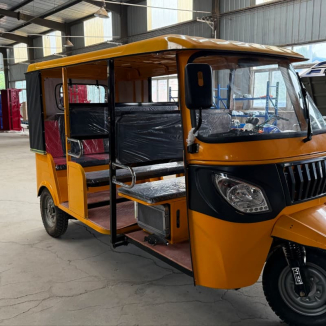
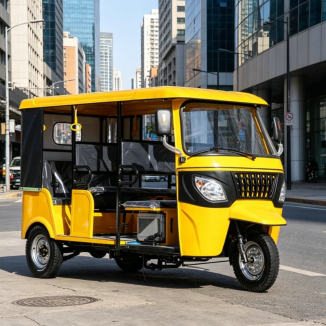
Tuk Tuks: Faster, More Powerful—But You’ll Pay for It in Fuel.Tuk tuks are all about speed and power—100cc-150cc engines, 40-50km/h top speed. They can carry 5 passengers plus luggage, and handle slight slopes better than rickshaws. I had a buyer in Cape Town who uses tuk tuks for tourist tours around the city—they cover 10km in 20 minutes, which keeps tourists happy and lets him fit more tours in a day. But they cost more to run—$2-$3 a day in fuel, depending on how much you use them. A buyer in Bangkok told me he spends $60 a month per tuk tuk on fuel, but he makes that back because he can charge more for faster rides. The other upside? They don’t need electricity—refuel in 5 minutes, and you’re good to go for 12 hours. That’s why they’re perfect for areas with spotty power, like rural Nigeria or parts of Indonesia.One thing I notice with tuk tuks—they’re built with comfort in mind, which rickshaws rarely prioritize. Most have roofs, better shock absorbers, and wider seats. That Bali buyer I mentioned earlier? He switched to tuk tuks and saw his customer satisfaction jump 40%—tourists didn’t mind paying extra because they weren’t bouncing around on bumpy roads. Rickshaws? Most skip the extra comfort to keep costs down, which is fine for locals, but bad for tourists.
Which One Should You Choose? Here’s My Honest Advice
I don’t give generic advice—this is what I tell my actual buyers, based on their business. At the end of the day, it’s not about “which is better”—it’s about which fits your customers, your area, and your budget. Let me make it simple:
Go with a rickshaw if: You’re moving locals in rural areas or low-income cities, you want to keep operating costs low, and speed isn’t a priority. Electric rickshaws work if you have steady power (like Dhaka or Jakarta); cycle rickshaws work for super short trips (local markets, small villages).
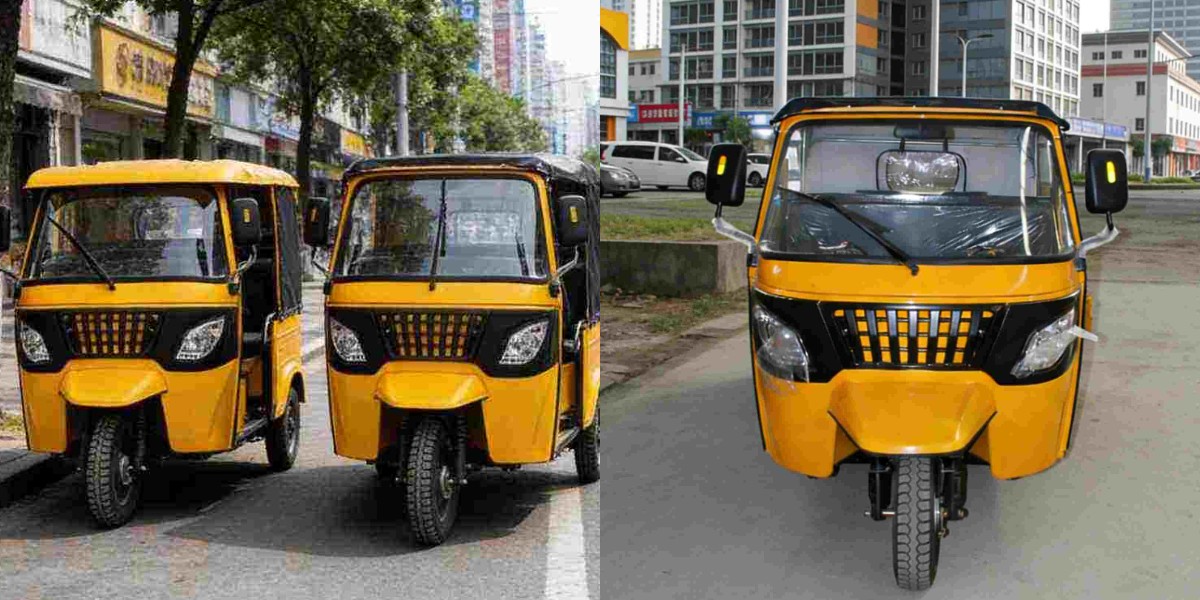
Go with a tuk tuk if: You’re focused on tourism, you’re in a busy city, and your customers care about speed and comfort. Fuel tuk tuks are better if power is spotty (rural Nigeria, parts of Indonesia); electric tuk tuks are a must for Europe or eco-friendly tourist spots (like Bali’s Ubud).
If you’re still unsure, just ask. I’ve helped buyers in 22 countries pick the right one—from small orders of 10 units to big container orders of 100+. I can check local legal rules for you, compare operating costs, even connect you with reliable suppliers. The worst thing you can do is assume they’re the same—take 5 minutes to ask, and you’ll save thousands in fines, lost sales, and resale costs. Trust me, I’ve seen the mistakes—don’t repeat them.