
Where Can Tuk-tuks Be Used?
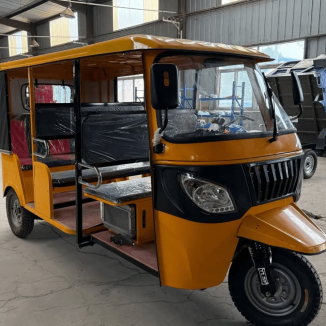
When someone says “tuk-tuk,” I swear, the first thing that pops into your head is Bangkok—right? Those little three-wheelers zooming past pad thai carts, honking like crazy when scooters cut them off, or those bright, totally over-the-top auto-rickshaws tearing through India’s bazaars. Yeah, I get it. I thought the exact same thing for years. I just figured they were a tourist gimmick, y’know? Hop on for 20 minutes, pretend you’re a local, then head back to your fancy hotel. But then I spent six months backpacking through Southeast Asia and parts of Africa, and man—was I wrong. So wrong.
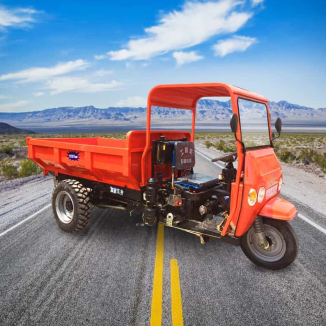
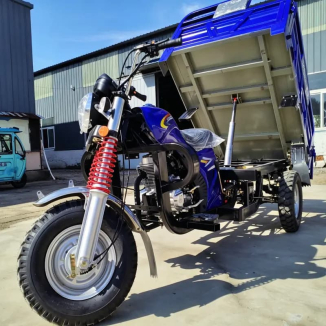
Tuk-tuks aren’t just for tourists. Hell, they’re not even just for big cities. They’re everywhere, if you pay attention. In some places, they’re how farmers get their crops to market—no other way. In others, I’ve seen ’em shuttle wedding guests, drop off hot food to apartments in alleys so narrow a car can’t fit, and even act as mini-ambulances when the real ones can’t reach people. So if you’ve ever wondered, “Where else do tuk-tuks work?” Stick around. These are 8 scenarios I saw with my own eyes—no fluff, no AI garbage, just real stuff about how these little things change lives.
1. Urban Cities: Beat Traffic & Navigate Narrow Streets
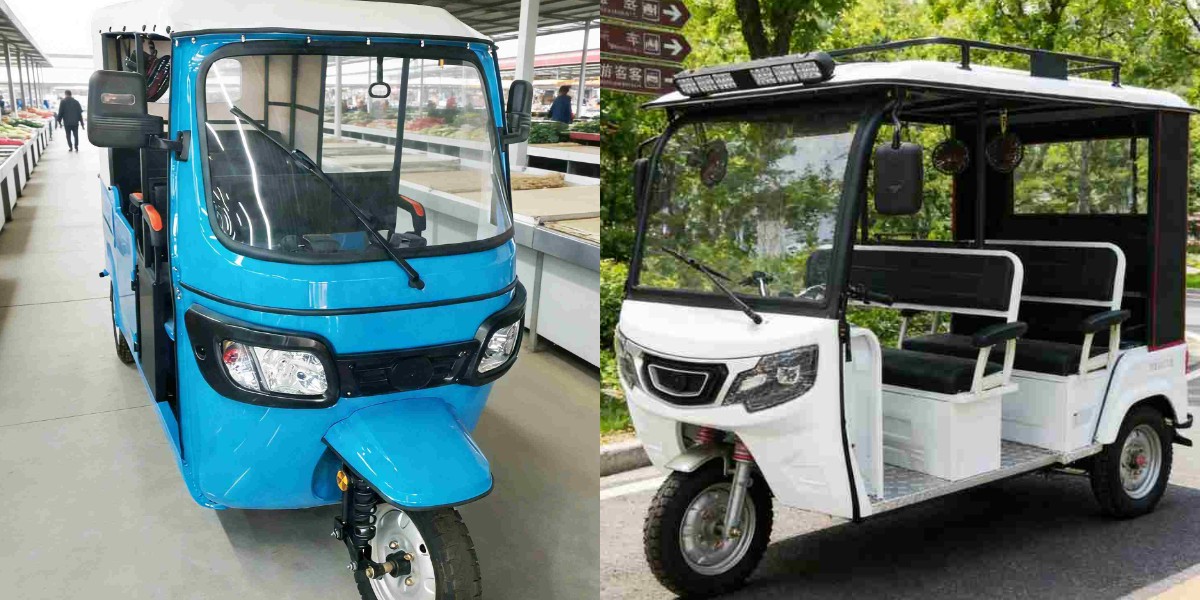
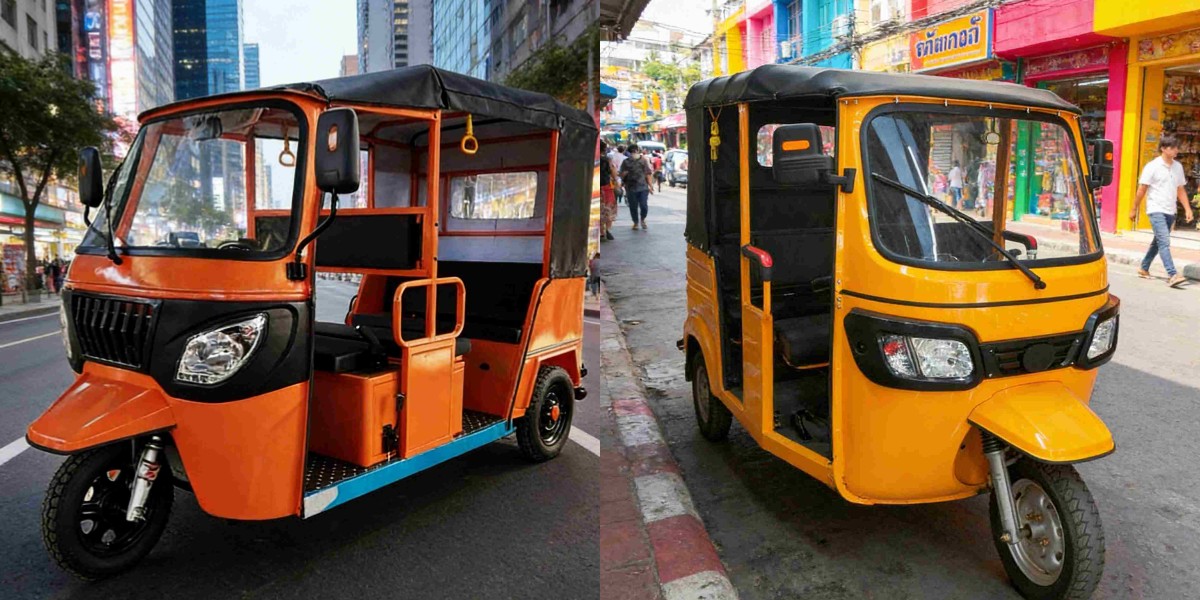
Let’s start with the obvious—cities. But even here, it’s not just about being a tourist ride. Tuk-tuks were made for busy, chaotic cities. Period. Their small size (one front wheel, two in the back) lets them do things cars and buses can’t. I remember sitting in a taxi in Bangkok during rush hour once, stuck for 45 minutes, not moving an inch. And right next to us, tuk-tuks were gliding past like we were parked. The taxi driver just laughed and said, “Tuk-tuk driver knows all the back roads—they’ll get you there in half the time.” And he wasn’t lying, not even a little.
In Delhi, most tuk-tuks are electric now. Locals call ’em e-rickshaws, and they’re everywhere—you can’t walk two blocks without seeing one. They’re cheap, too—just a few rupees for a short ride—and they don’t spew that thick, gross smoke the old petrol ones did. I chatted with one driver once, he told me he saves so much money on fuel now, he can actually send his kids to school. Even in Europe, places like Rome—you see tuk-tuks cruising through the old town, where big cars are banned ’cause the streets are too narrow and cobblestone. Tourists love ’em, but locals use ’em too—especially when you don’t wanna walk a mile from one end of old town to the other.
2. Food & Beverage Delivery: Fast, Efficient, & Cost-Saving
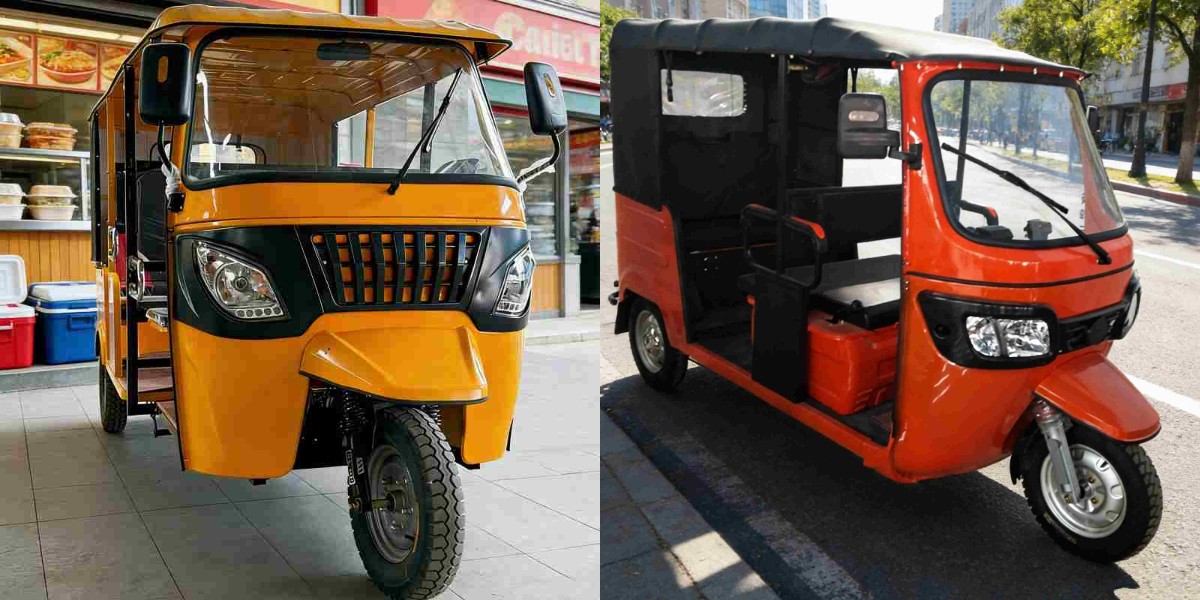
If you’ve ever ordered food delivery in a crowded city, you know how annoying it is. Bikes get stuck in traffic, delivery vans can’t park, half the time your food’s cold when it gets to you. But tuk-tuks fix all that. I noticed it most in Jakarta—they call ’em bajaj there. Food apps like Grab and Foodpanda work with tuk-tuk drivers ’cause they’re faster than bikes, and can carry way more orders at once.
I talked to a delivery driver in Jakarta once, he said he can carry up to 6 orders in his tuk-tuk—way more than a bike. And ’cause he can weave through traffic, park anywhere (even in alleys so narrow I can barely walk through), he delivers faster. Faster deliveries mean better tips, obviously. In Lagos, Nigeria, I saw tuk-tuks delivering everything—hot jollof rice, medicine from pharmacies, even small stuff like phone cases. Small shops use ’em too—order something, and a tuk-tuk drops it off in 15 minutes. No waiting around for a big van.
3. Eco-Friendly Transportation: Electric Tuk-Tuks for Green Cities
I’m not a huge eco-warrior or anything, but I do care about the planet. And electric tuk-tuks? Total game-changer. The old petrol ones are loud, smelly, pump out tons of bad fumes. I remember walking through Delhi a few years ago, coughing my lungs out ’cause the air was so thick with smoke from tuk-tuks and cars. Now? Most of ’em are electric, and it’s a night and day difference.
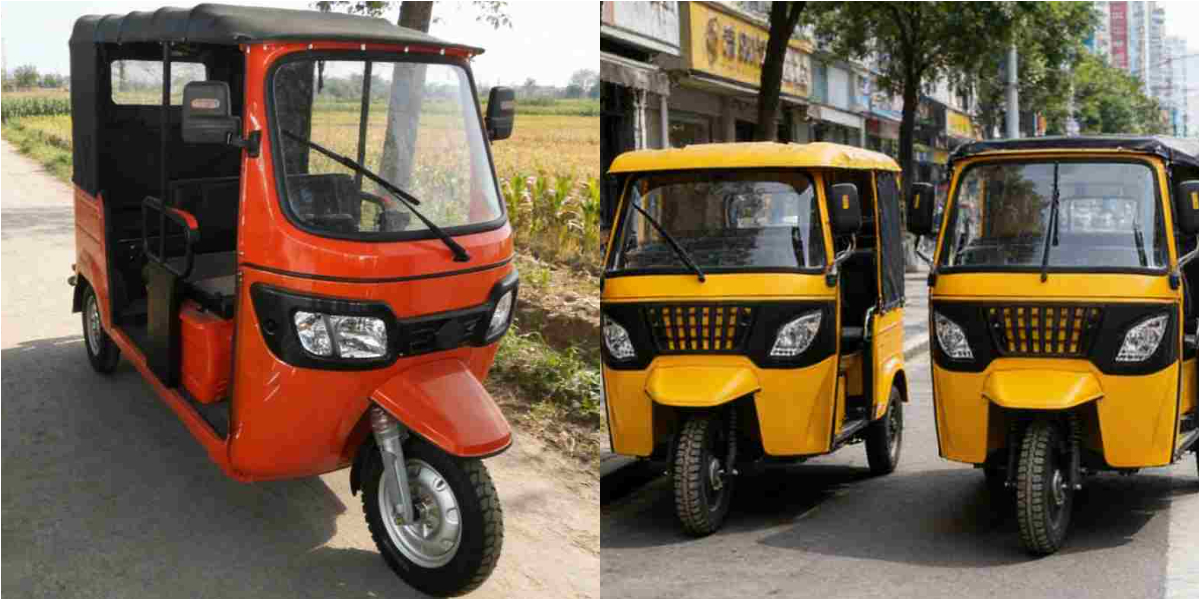
Electric tuk-tuks (e-tuks, people call ’em) run on batteries—zero emissions, almost silent. I rode in one in Amsterdam last year, it was so quiet I could hear birds chirping as we drove along the canals. Cities like Singapore and Copenhagen use ’em for public transport too—short trips around the city center, where big buses aren’t needed. In Africa, Chinese-made electric tuk-tuks are getting popular. Drivers love ’em ’cause they’re cheaper to run—no fuel, just charge the battery at night. One driver in Kenya told me he saves $50 a week on fuel now. That’s a lot of money for him, y’know?
Tourist spots are catching on too. In Bali, most tuk-tuk tours are electric now. Eco-conscious travelers love ’em ’cause they don’t hurt the environment. And let’s be real—no one wants to ride around a beautiful island breathing in petrol fumes. E-tuks are quiet, clean, just as reliable as the old ones. Win for the planet, win for drivers, win for anyone who hates noisy, stinky vehicles.
Final Thoughts
So, where can tuk-tuks be used? Almost anywhere. I’ve seen ’em in busy cities, tiny rural villages, fancy resorts, music festivals. I’ve seen ’em deliver food, save lives, help people make a living. They’re not a tourist gimmick—they’re a solution. For people who need an affordable way to get around, a way to earn money, or a way to get help when there’s no other option.
As more cities and communities look for compact, cheap, sustainable transport, tuk-tuks—especially electric ones—are gonna get more common. I’ve seen it happen in Delhi, Amsterdam, Nairobi. They’re taking over, and for good reason. They work. They fit how real people live, not how some AI algorithm thinks they should live. No fancy features, no big price tag—just a vehicle that does what people need it to do.
Next time you see a tuk-tuk, don’t just think “fun tourist ride.” Think of Somchai, the farmer in Thailand, using it to sell his mangoes. The delivery driver in Jakarta, feeding his family. The young girl in Tanzania, whose life it saved. These little vehicles have a big impact—real, human, no AI nonsense. And that’s why they’re here to stay.