
How to Choose Between Passenger and Cargo Gasoline Three-Wheelers?
Let me cut straight to the chase. Back in 2019, my cousin Raj bought a passenger three-wheeler in Mumbai. Six months later, he sold it at a 40% loss and switched to cargo. He’s not alone—half the drivers I’ve talked to across India, Nigeria, Indonesia and Mexico made the same mistake. They thought the choice was just “what do I carry,” but it’s so much more than that.
This guide is no dealer fluff, just the real stuff that actually affects your wallet and your business.
1. Forget the Sticker Price—Total Cost of Ownership Is All That Matters
Dealers love to brag that cargo trikes are 15-30% cheaper upfront. But that “savings” vanishes in 18 months if you pick the wrong one. Here’s the real math from actual owners:
Fuel: Your biggest daily expense
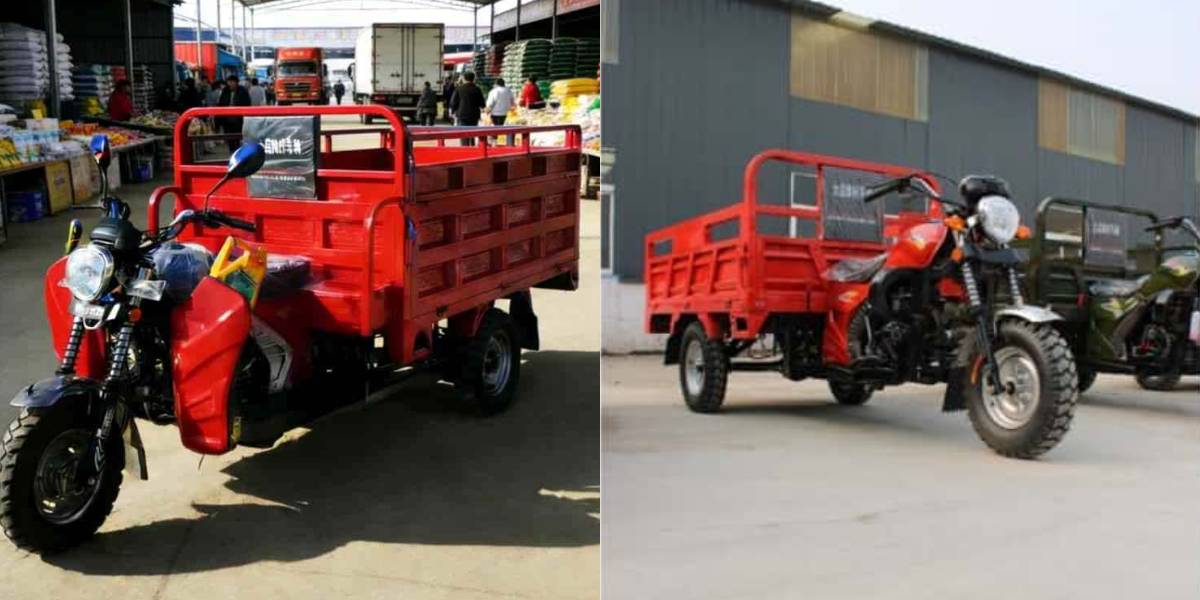
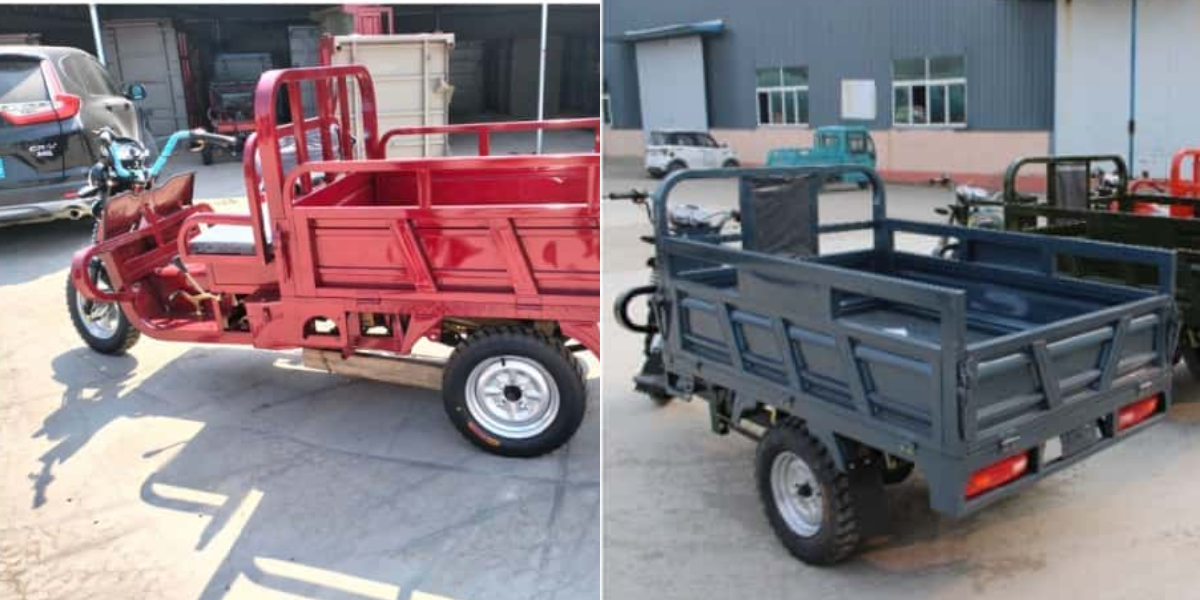
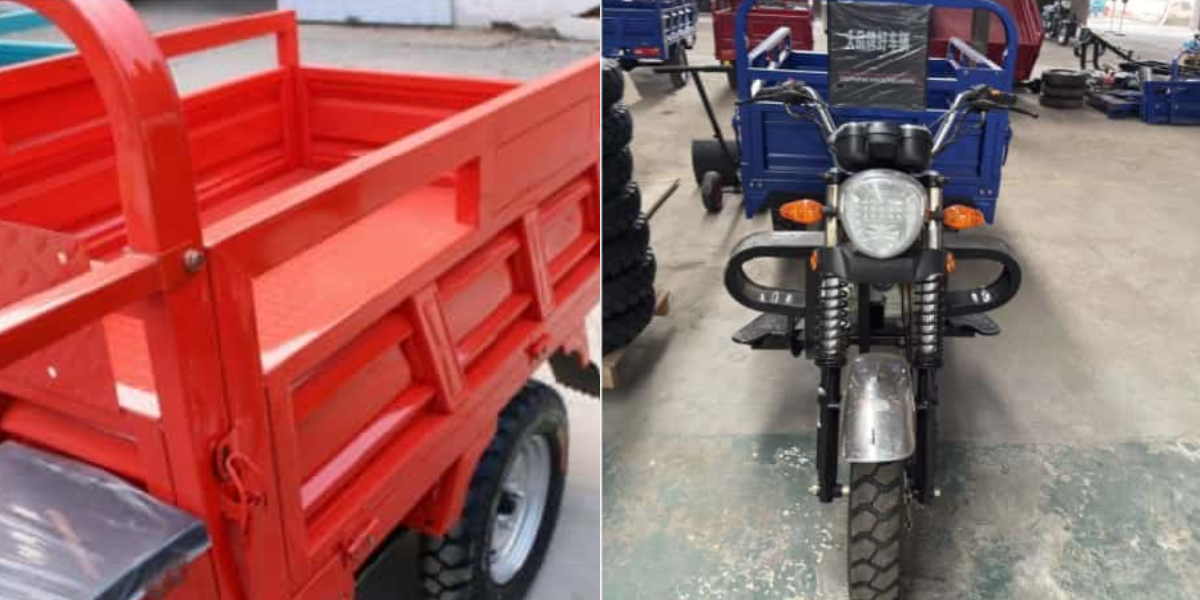
Passenger trikes have 175-200cc engines tuned for speed. Cargo trikes have 125-175cc engines built for torque. Carrying the same 300kg load (4 people + bags), a passenger trike gets 26-29 km/L. A cargo trike gets 36-39 km/L.
That’s 35% better mileage. Driving 200km/day, 6 days/week, that’s $736 saved per year. Over 5 years? $3,680—more than the cost of a basic trike in most countries.
Maintenance: Cargo trikes are built to last
My mechanic friend Ravi says cargo trikes come in for major repairs 2-3 years later than passenger models. Brake pads last 50% longer, clutch plates last 50% longer, and suspension rarely needs replacement before 80,000km (vs. 50,000km for passenger). That’s at least $1,200 in extra maintenance costs over 5 years.
Insurance & registration: The hidden killer
Passenger trikes are classified as public transport, cargo as light commercial. In Delhi, passenger insurance is $320/year vs. $115/year for cargo. Over 5 years, that’s $1,025 saved. Registration fees are often 3x higher for passenger models too.
Add it all up: That “cheaper” passenger trike costs you almost $6,000 more over 5 years.
2. You Don’t Have to Choose—One Trike Can Do Both Jobs
Here’s the secret dealers never tell you: 90% of drivers don’t need a dedicated model. With minimal changes, you can switch between passenger and cargo work—and that flexibility is what makes you real money.
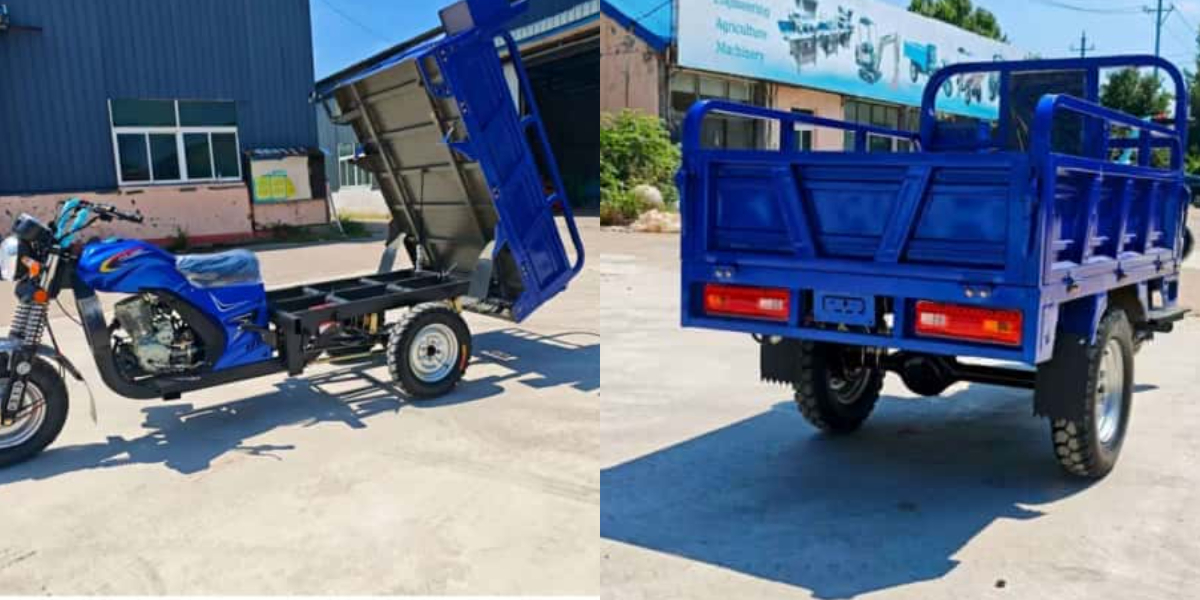
I met Budi in Jakarta last year. He has a convertible trike with removable seats. Rush hours (6-9am, 5-8pm) he carries passengers. Midday, when traffic dies down, he pulls the seats out (10 minutes, no tools) and delivers packages. He makes 50% more per day than drivers with only passenger trikes.
Convertible models cost about $500 more than basic cargo trikes—you’ll make that back in 3 months. If you already have a passenger trike, aftermarket conversion kits cost just $150-$250.
Only get a dedicated model if:
You regularly carry over 600kg of cargo
You only do high-end tourist/airport runs where comfort is everything
3. Local Laws Will Ruin You If You Ignore Them
This is non-negotiable. I’ve seen people lose everything because they didn’t check regulations first.
Maria bought a passenger trike in Mexico City in 2021. Six months later, the city banned passenger trikes from downtown. She couldn’t work where all the customers were and sold her trike for half price.
Before you buy, answer these 3 questions:
What license do I need? Cargo trikes only require a standard motorcycle license ($50, 1 week). Passenger trikes need special public transport licenses—capped in many cities, selling for $12,000+ on the black market in Lagos.
Where can I drive? More cities are banning passenger trikes from downtowns. Cargo trikes are almost always exempt—cities need goods delivered.
How much risk can I take? A passenger accident can lead to lawsuits that bankrupt you. A driver in Chennai owed $25,000 after a passenger broke his leg. Cargo liability is limited to the value of the goods.
Final Verdict
The choice isn’t “passenger or cargo”—it’s “which vehicle gives me the most options and least risk?”
Only buy a dedicated passenger trike if:
Passenger licenses are cheap and easy to get
No driving restrictions in your area
You know you’ll only ever carry passengers
For everyone else: Get a cargo trike or convertible. They’re cheaper to own, more flexible, and way less risky. The drivers who succeed are the ones who can adapt when the market changes—not the ones who lock themselves into one thing.