
What is the difference between auto rickshaw and tempo?
If you’ve ever been to South Asia—India, Bangladesh, Nepal, Sri Lanka—you know exactly what I’m talking about. Auto rickshaws and tempos are everywhere, man. Both are total workhorses, hauling people and random stuff around day in and day out. But here’s the thing, honestly—so many folks mix ‘em up. Just ‘cause they’re always on the same streets, even the rural ones, people think they’re the same. But no, they’re not. If you’re tryna figure out what sets ‘em apart—maybe you wanna start a transport business, or you’re traveling and don’t know which one to hop on, or you’re just curious—let me break it down for you. No fancy jargon, no big words, just straight-up, real talk. I’ll tell you the key differences between auto rickshaw and tempo, so you can make the right call, no guesswork.
1. Definition & Basic Design: Three-Wheel vs. Four-Wheel Dynamics
First things first, the biggest difference between an auto rickshaw and a tempo? Their design. Plain and simple. And that design? It changes everything about how they work, trust me. You can’t miss it once you know what to look for.
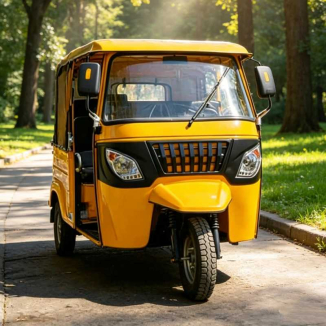
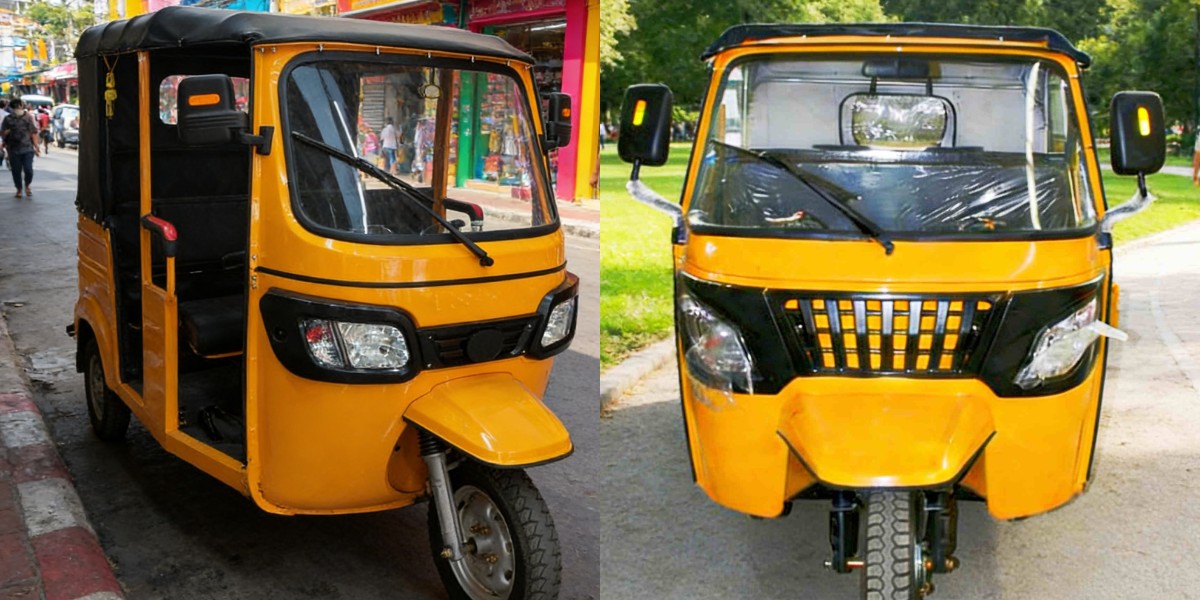
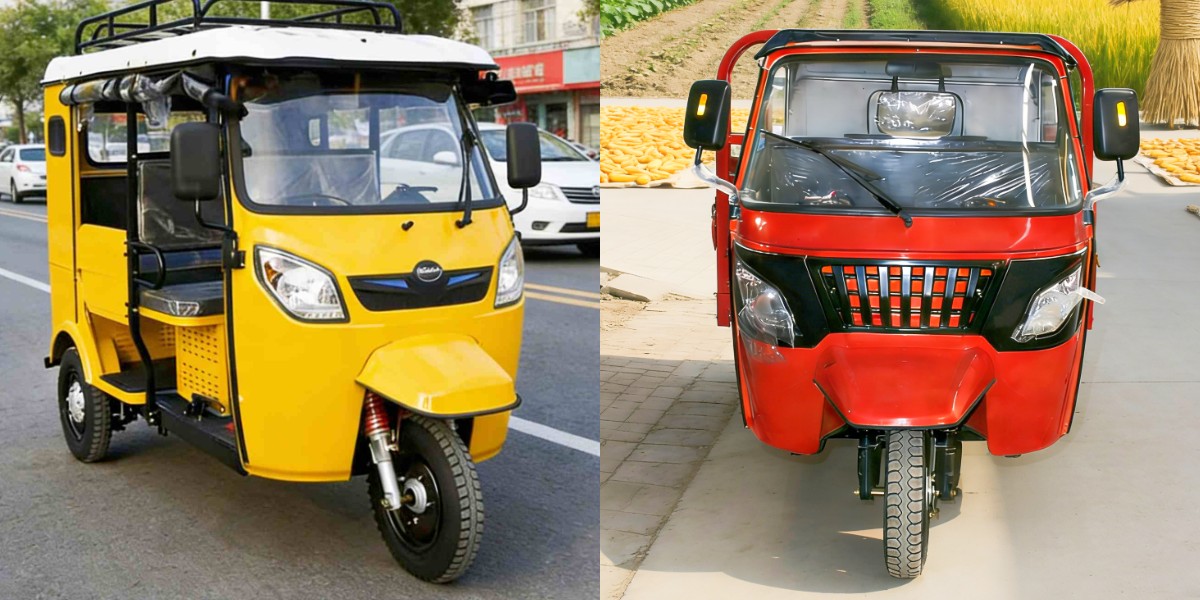
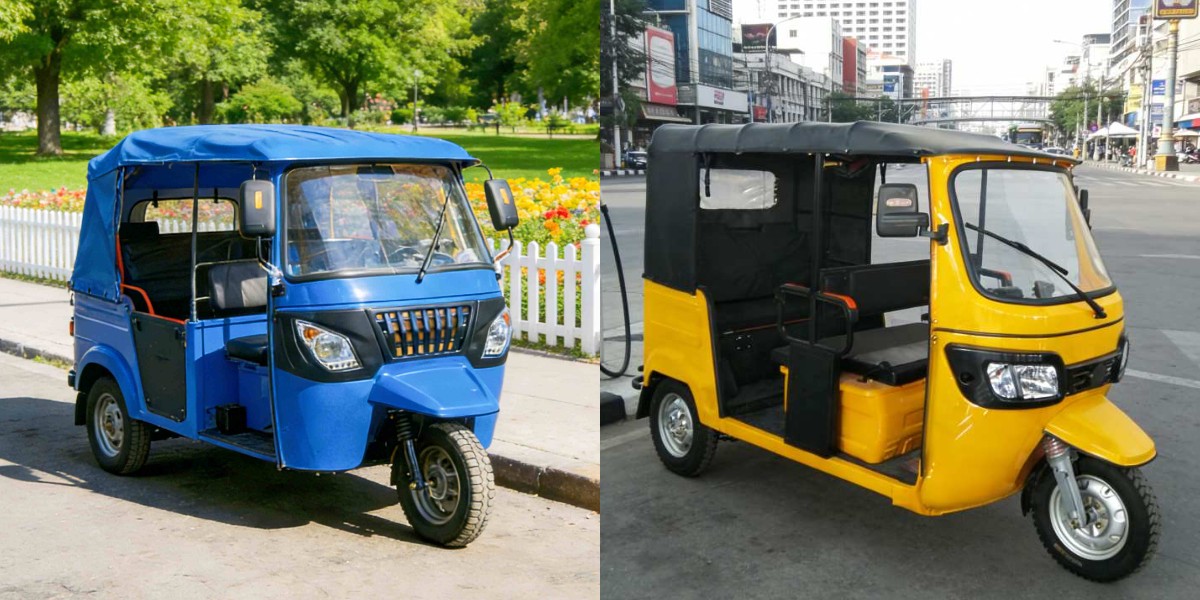
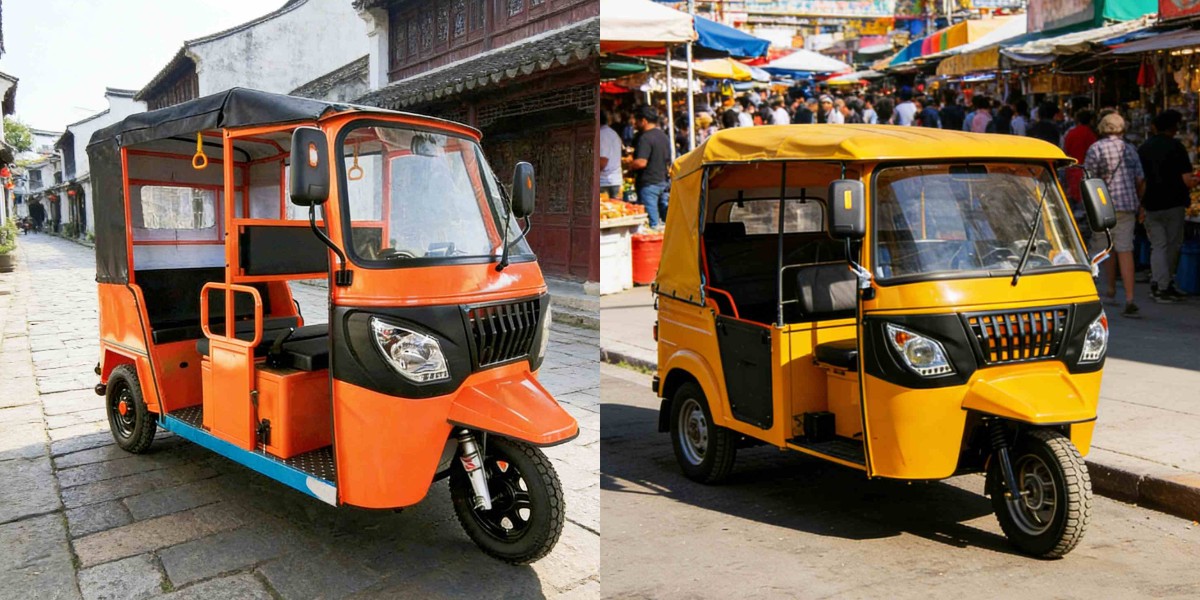
Auto Rickshaw: You might call ‘em tuk-tuks, baby taxis, bajaj—depends on where you’re at, we all have our own names for ‘em. But at the end of the day, an auto rickshaw is a three-wheeled motorized thing. Kinda like a modern version of the old manual rickshaw, but way easier on the driver, y’know? No more pedaling your heart out. It’s got a tiny front cabin for the driver—steered with handlebars, just like a scooter—and a back part that’s either open or half-closed, for people or light stuff you need to move. Most have a sheet-metal frame, a canvas or fiber roof to keep the sun and rain off (super important in our crazy weather), and they’re small enough to squeeze through even the tightest spots in crowded markets. Light too—around 150 to 350 kg, something like that. And let’s be real: they’re only built for short trips. Don’t even try taking one on a long haul, dude—it’ll give out on you.
Tempo: “Tempo” ain’t no fancy technical term—it’s just what we call these four-wheeled commercial vans (yeah, some in Nepal are three-wheeled, but that’s rare, so we can ignore that). Their whole reason for existing is to carry heavier loads or more people than an auto ever could. In India, the two main kinds are tempo travellers (for people) and tempo delivery vans (for cargo). Tempos are boxy, tough, no-nonsense—separate driver’s cabin, big back area that’s either sealed up tight for cargo or fitted with seats for passengers. Way heavier than autos, too—gross vehicle weight (GVW) is like 2180 kg to 4280 kg—and they’ve got a sturdier chassis to handle all that extra weight. You can tell just by looking at ‘em: they’re built to work hard, day in and day out.
2. Primary Usage & Purpose: Passenger-Focused vs. Versatile Hauling
And another thing—what they’re actually used for. That’s a huge difference too. And it makes total sense when you look at how they’re built. If you’re a business owner tryna pick between the two, listen up—this part matters.
Auto Rickshaw: Autos are all about short-distance passenger transport. That’s their bread and butter. They’re the first thing you think of when you need to get around crowded cities, residential areas, or local markets in India and Bangladesh. Think trips between 2 and 10 km: commuting to work, dropping the kids at school, hopping from one neighborhood to the next, grabbing groceries from the market. Some can carry light cargo—small parcels, a few veggies, a bag of clothes—but they’re made for people first. Heavy stuff? Not their job. Tourist spots love ‘em too, especially the electric ones—quiet as a mouse, so visitors can take in the sights without all that engine noise. Perfect for slow, scenic rides.
Tempo: Tempos are built for heavy-duty, do-it-all work. They split into two main types: passenger and cargo, and both are absolute workhorses. Passenger tempos (tempo travellers) hold 6 to 15 people—great for school shuttles, office transport, group tours, or getting between villages in rural areas where buses are few and far between. Cargo tempos? They handle loads from 500 kg up to 1664 kg or more. Municipalities use ‘em for garbage collection, businesses for moving goods between markets, farmers for hauling produce to sell, small logistics companies for deliveries. Unlike autos, tempos are made for longer trips—20 to 100 km—and they can handle hard, daily use without breaking down (most of the time, anyway; even the tough ones have bad days).
3. Capacity: Passengers & Cargo Limits
How much they can carry—people and cargo—is another big one. And if you’re buying one for business, this is probably one of the first things you’ll check. No point in buying something that can’t handle what you need.
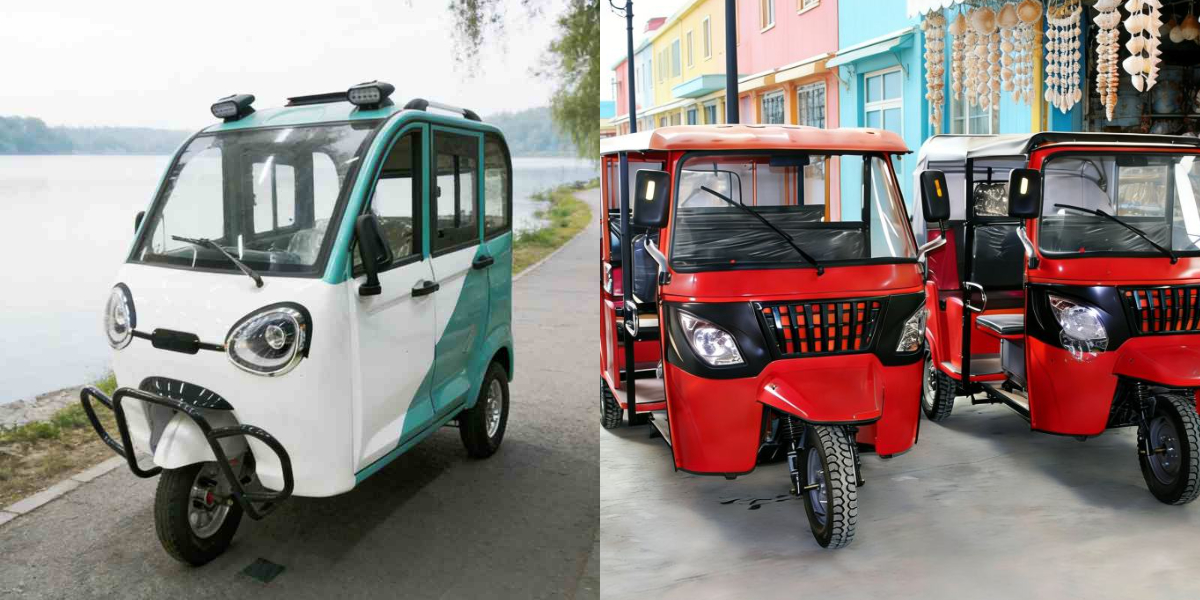
Auto Rickshaw: A standard auto fits 1 driver plus 3 or 4 passengers—tight, but manageable for short trips. Some smaller ones only fit 1 driver and 2 people. If you get a cargo auto, it’s got a small back platform that can carry up to 300-500 kg. But let’s keep it real: they’re not built for heavy loads or big groups. Push ‘em too hard, and you’ll have problems—engine issues, broken parts, all that hassle. Don’t do it, save yourself the headache.
Tempo: Passenger tempos (tempo travellers) go from 6-seaters to 15-seaters, with roomy interiors so people aren’t crammed in like sardines on long rides. Cargo tempos? They can carry 500 kg to 1664 kg—like the Force Traveller Delivery Van, that thing can haul 1664 kg easy. Big items? No problem. Furniture, crates, 200-liter garbage bins, even small appliances—they can handle it. Their four-wheel design and stronger chassis mean they carry way more weight than autos ever could. No comparison, man.
Auto Rickshaw vs. Tempo: Which One Should You Choose?
Picking between an auto rickshaw and a tempo? It all comes down to what you need, how much you can spend, and what you’re gonna use it for. There’s no one-size-fits-all answer—here’s the straight talk, no fluff:
Go with an auto rickshaw if you want something cheap, easy to maneuver, and only need it for short-distance passenger transport (city commutes, tourist rides) or light cargo. It’s perfect if you’re a small entrepreneur on a budget, or if you’re operating in crowded cities where space is tight. Low investment, low running costs—great for getting started, no risk.
Go with a tempo if you need to carry big groups (6+ people) or heavy cargo (500 kg+) over long distances. It’s great for logistics businesses, school transport, tour operators, or municipalities—anywhere you need power and versatility. It’s a bigger investment, but it can handle more work and make you more money in the long run.
Final Thoughts
Autos and tempos are both essential in South Asia’s transport network—you can’t have one without the other. But they do totally different jobs, man. Autos are for affordable, short trips with people (or light stuff)—they’re the backbone of city commutes. Tempos are built for heavy work—carrying big groups or lots of cargo over long distances. If you understand these differences, you’ll make the right choice for your business, your travels, or your investment. No guesswork, no mistakes.
If you’re thinking about investing in an auto rickshaw or tempo—whether you’re just starting out or expanding your fleet—we’ve got you covered. We offer high-quality, compliant vehicles that fit all local rules (BIS, CE, BS6) at competitive prices, with reliable after-sales support (no ghosting, we promise—we’re in this with you). Hit us up today for personalized advice, detailed specs, and a free quote—we’ll help you get your transport business up and running smoothly, no hassle.