
Is a rickshaw a taxi?
Last time I was in Bangkok’s Khao San Road—you know, the crazy busy stretch with all the street food stalls and hostels—I watched a tourist flag down a rickshaw and go, “Is this a taxi?” It’s the question I get every single day, man. Travelers, local folks rushing to work, even guys who want to start a transport business—they all mix these two up. Let me tell you straight: no, a rickshaw ain’t a taxi. But they’re way more similar than you’d think, and those little differences? That’s exactly why each one’s perfect for its own job. Let me break this down like I would over a cup of tea with a new client—no fancy talk, just what I’ve seen firsthand. We’ll go over what really makes a taxi a taxi, where rickshaws crush it (and where taxis win), and why getting this right matters—especially if you’re eyeing the transport market in places like Nigeria or India.
1. Definition Boundaries: Rickshaws and Taxis Are “Related, But Not Identical”
Let’s cut through the noise right now—let’s start with the basics. What makes a taxi a taxi, and why’s a rickshaw different? No matter where you go in the world, taxis are almost always 4-wheel cars. They’re licensed specifically to carry people for money, have meters so you don’t get scammed, and have to follow all sorts of strict rules from the local government. They’re built for comfort, too—most have AC, more legroom, and space for luggage. Taxis are for longer trips, y’know? The kind where you’re going 10, 20 km, in big cities with smooth, wide roads where they can move without getting stuck.
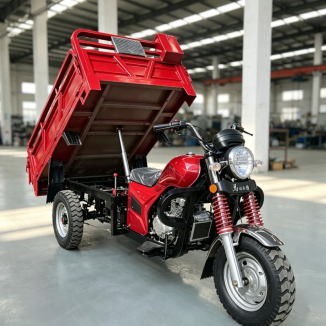
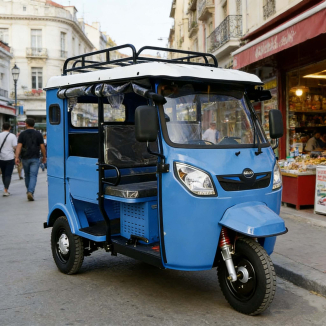
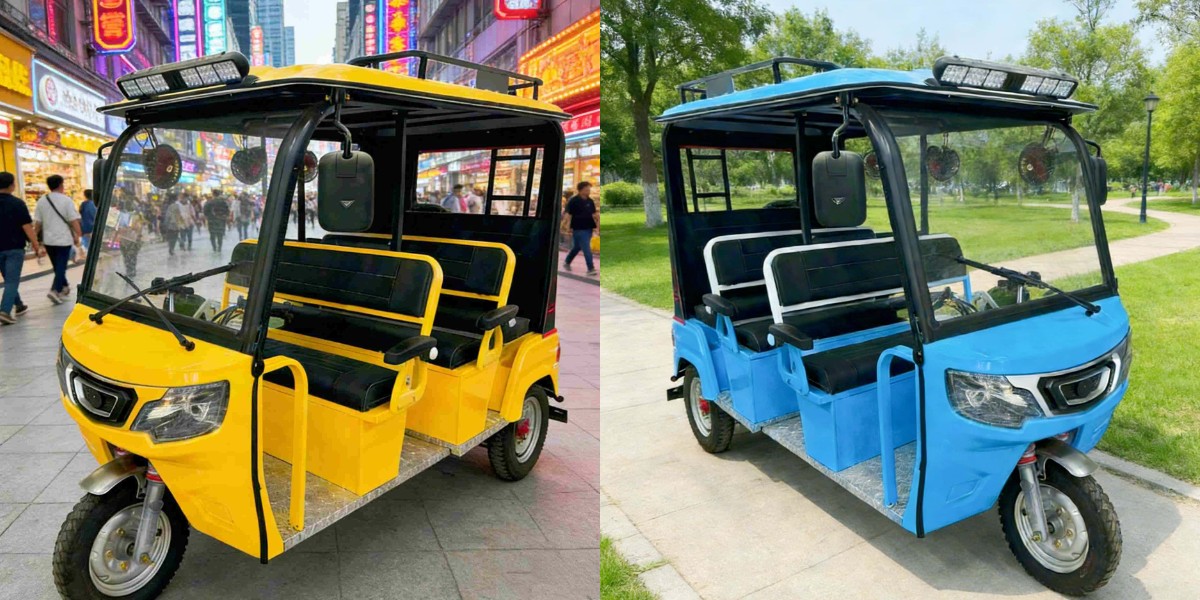
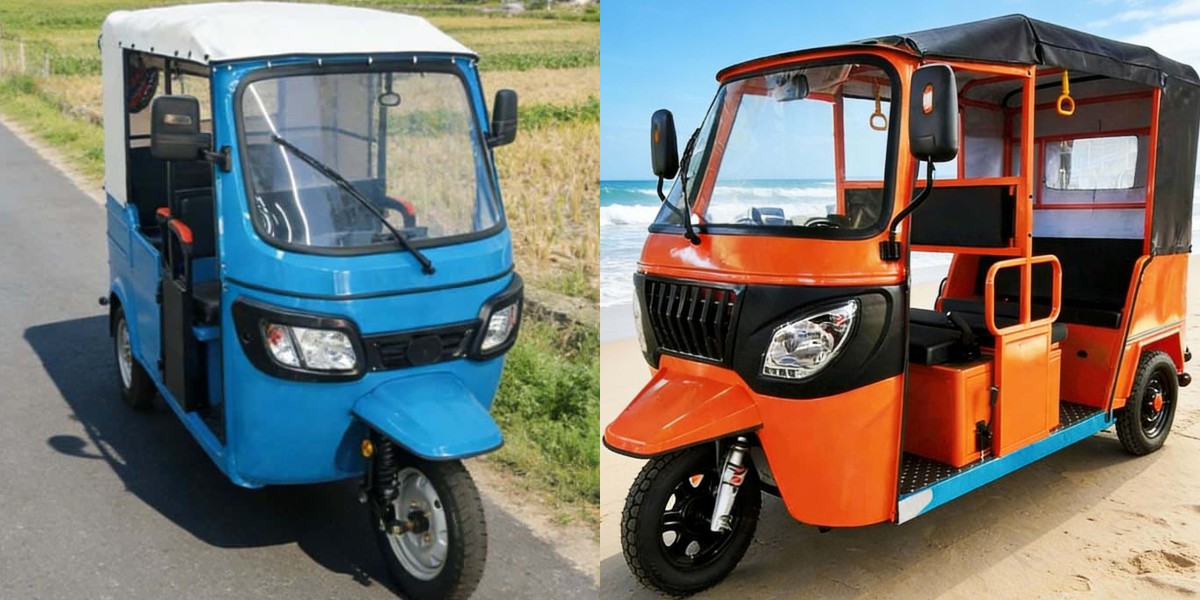
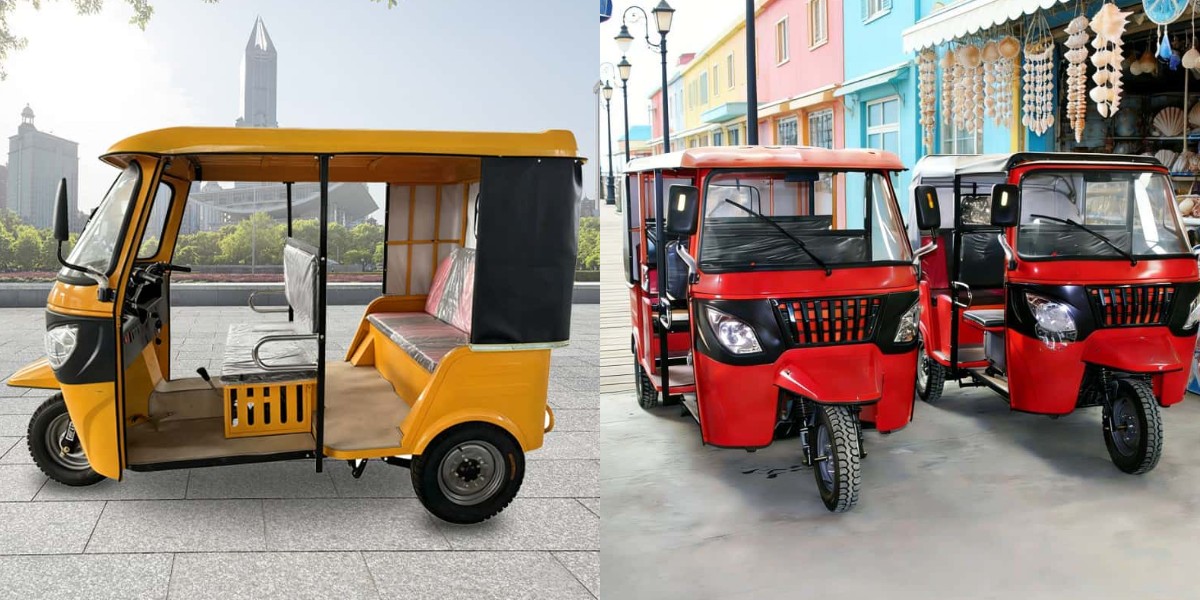
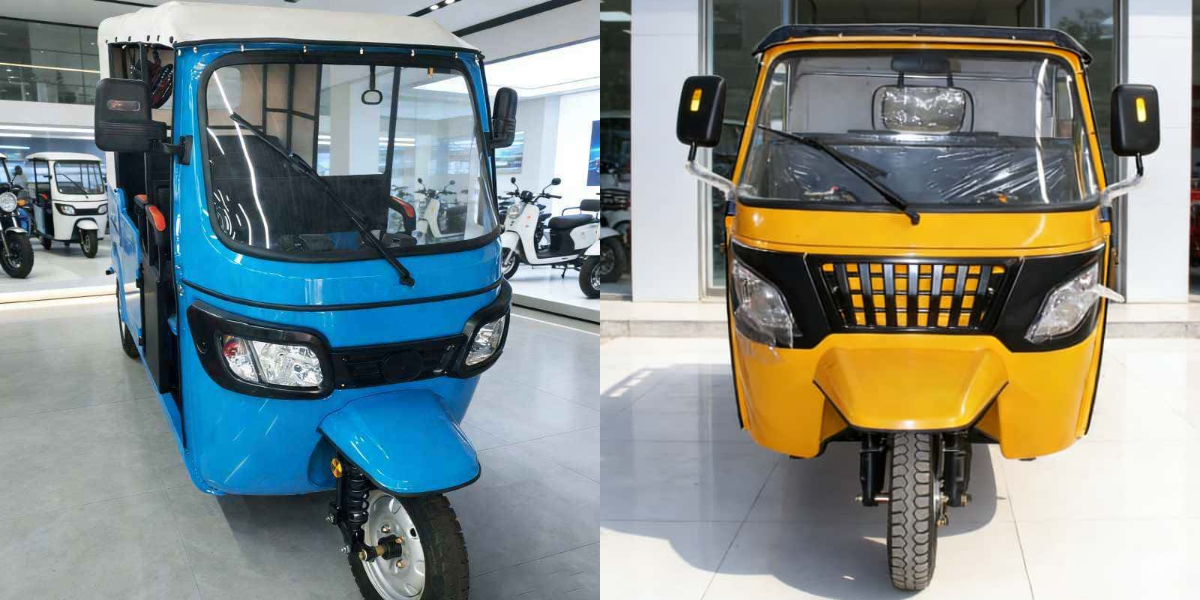
Rickshaws, though? Total different vibe. The ones we’re talking about—auto rickshaws, those 3-wheel tuk tuks—they ain’t just “small taxis.” Most are 3-wheel, either gas or electric, and they’re built for one thing and one thing only: short trips, narrow spots, and cheap rides. Unlike taxis, almost none of ’em have meters. You either hash out a price before you hop in, or they’ve got fixed fares for common routes. They ain’t licensed the same way, either—some places, they’re even unregulated. And comfort? Nah, that’s not the point. Maneuverability is. Think of ’em as a taxi’s cousin, not a replacement. They both carry people for cash, but that’s where the similarities end. Different designs, different rules, different jobs—plain and simple.
2. Function & Scenarios: Where Rickshaws Outperform Taxis (And Vice Versa)
The reason so many people mix these two up is simple—they both carry passengers. But if you’ve ever used both, you know their sweet spots are night and day. Let’s talk real life, not textbook stuff. Places where rickshaws are everywhere: Southeast Asia, Africa, South Asia. I’ve worked with transport owners in all these spots—I’ve seen it all firsthand.
Rickshaws are unbeatable in places taxis can’t even touch—literally. Old Delhi’s narrow alleys? Even a tiny car can’t squeeze through, but a rickshaw’s tiny turning radius (under 3 meters) lets it zip right through like it’s nothing. Same with Bangkok’s crowded night markets or Nigeria’s unpaved rural roads—taxis get stuck, rickshaws keep going. They’re way cheaper, too. A 5-minute rickshaw ride might cost you $1, while a taxi for the same distance would be $3 or more. That’s why daily commuters—students, shop workers, farmers—rely on ’em. They can’t afford taxis every day. And for tourists? Rickshaws ain’t just transport—they’re an experience. Riding a bright pink tuk tuk through Bali’s rice fields? That’s something you post on Instagram. A taxi ride? That’s just getting from A to B, no fun at all.
3. Market Positioning: Rickshaws Are “Taxi Alternatives,” Not Replacements
Another way to see the difference? Look at where they fit in the market—especially if you’re thinking about starting a transport business. Rickshaws ain’t trying to steal taxi drivers’ jobs. They’re filling a gap that taxis can’t reach. I’ve talked to dozens of drivers and fleet owners about this—every single one says the same thing.
For local drivers, rickshaws are way easier to get into than taxis. A brand-new auto rickshaw—either gas or electric—costs around $3,000-$5,000. A used taxi? Easily $15,000-$20,000. That’s a huge difference for someone just trying to make a living. They’re cheaper to fix, too. Spare parts are everywhere, even in small towns—you don’t have to wait weeks for a new engine part. Gas rickshaws get 30-40 km per liter, so fuel costs are low. Electric ones? Even cheaper—just plug ’em in at home overnight, no need to buy gas at all. It’s a no-brainer for a lot of drivers.
Final Verdict: Rickshaws Aren’t Taxis—But They’re Essential to Global Transport
So, circling back to the question everyone asks: Is a rickshaw a taxi? No, not even close. Taxis are regulated 4-wheel cars, built for comfort and any distance. Rickshaws—auto rickshaws, tuk tuks—are flexible 3-wheel rides, made for tight spots, short trips, and folks on a budget. But here’s the thing: they don’t need to be the same. Rickshaws fill a hole in global transport that taxis can’t. They serve millions of people who can’t afford taxis, or live in places where taxis can’t go. I’ve seen it firsthand—without rickshaws, a lot of communities would have no reliable way to get around.