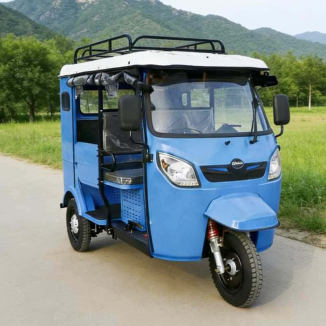

Are tuk tuks legal in the US?
Tuk tuks are popping up everywhere in the US lately. People use them for tours, shuttling around cities, and small business runs—they’re eco-friendly and easy to drive in tight spots. But everyone’s asking the same thing: Are tuk tuks legal in the US?Short answer: Yeah, they are. But only if they check all the federal boxes and follow state/city rules. There’s no national ban. Whether your tuk tuk is legal boils down to three things: if it’s certified, where you live, and how you use it. Keep reading to get the full scoop.
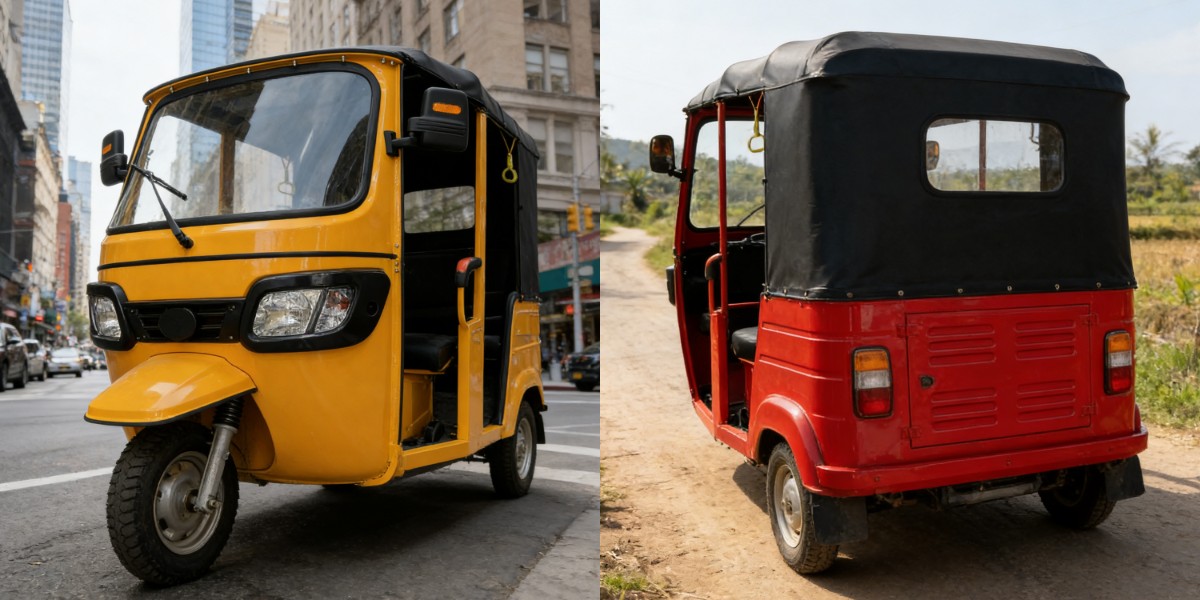
1. Federal Rules: What Makes a Tuk Tuk Legal in the U.S.
First, let’s cover federal rules. The NHTSA calls tuk tuks either three-wheeled motorcycles or autocycles. To drive them on public roads, they have to pass these checks—no workarounds:
- EPA emissions approval: Both gas and electric tuk tuks need this. If it doesn’t meet EPA standards, you can’t register it.
- Safety stuff: It needs working lights, brakes, mirrors, and seatbelts. No exceptions—this is basic safety.
- Manufacturer certification label: You need this to register the tuk tuk. No label, no way to get it on the road.
- Registered importer: If you buy a tuk tuk from another country, the importer has to be registered. Uncertified imports get taken at customs—don’t waste your cash on those.
Most overseas tuk tuks fail these tests. Only ones approved by the EPA and DOT are legal to drive in the US.
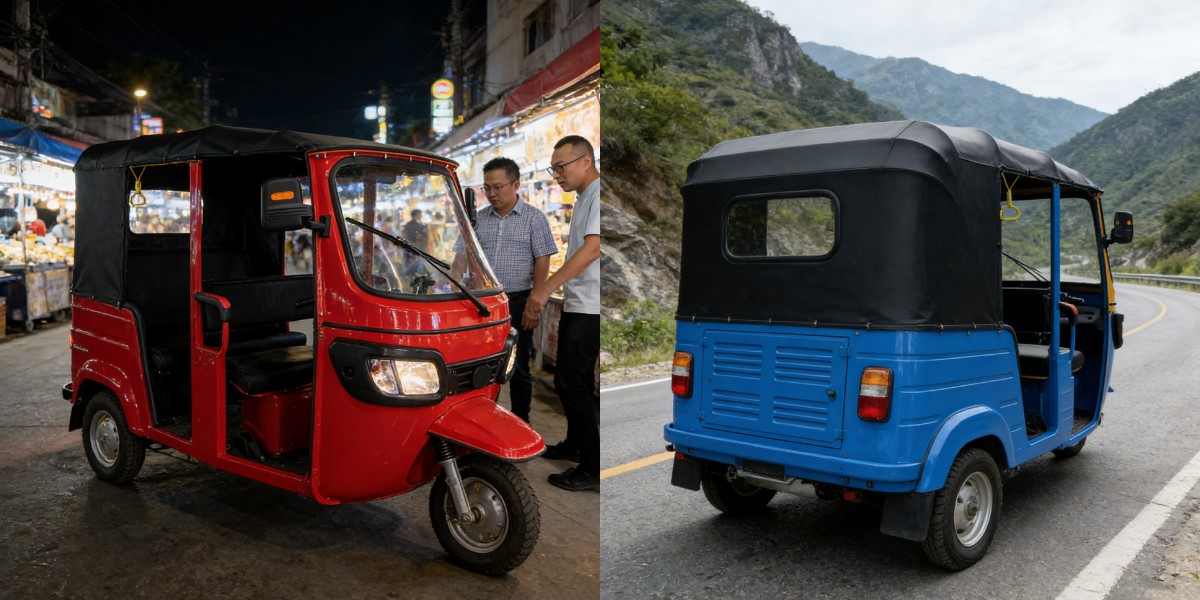
2. State & Local Laws: The Real Difference Maker
Federal rules are just the start. State and city laws are where things get confusing. Legality changes from state to state, even neighborhood to neighborhood sometimes.
Friendly states: California, Florida, Colorado, Texas, Hawaii, and Nevada let you drive certified tuk tuks no problem. Tours, shuttles, or just driving for fun—all allowed if it’s EPA/DOT-approved.
Restricted states: Some states don’t ban tuk tuks, but they have limits. They might cap how fast you can go, which roads you can use, or how many people you can carry. A few don’t let you use them for work (like tours) but let you drive one for personal use.
Local permits: Even if your state says yes, most cities make you get a separate license if you’re using the tuk tuk for taxis or tours. Skip this, and you’ll get a ticket—trust me.
Pro tip: Before you buy or drive a tuk tuk, check with your local DMV and transportation office. That’s the only way to be 100% sure you’re following the rules.
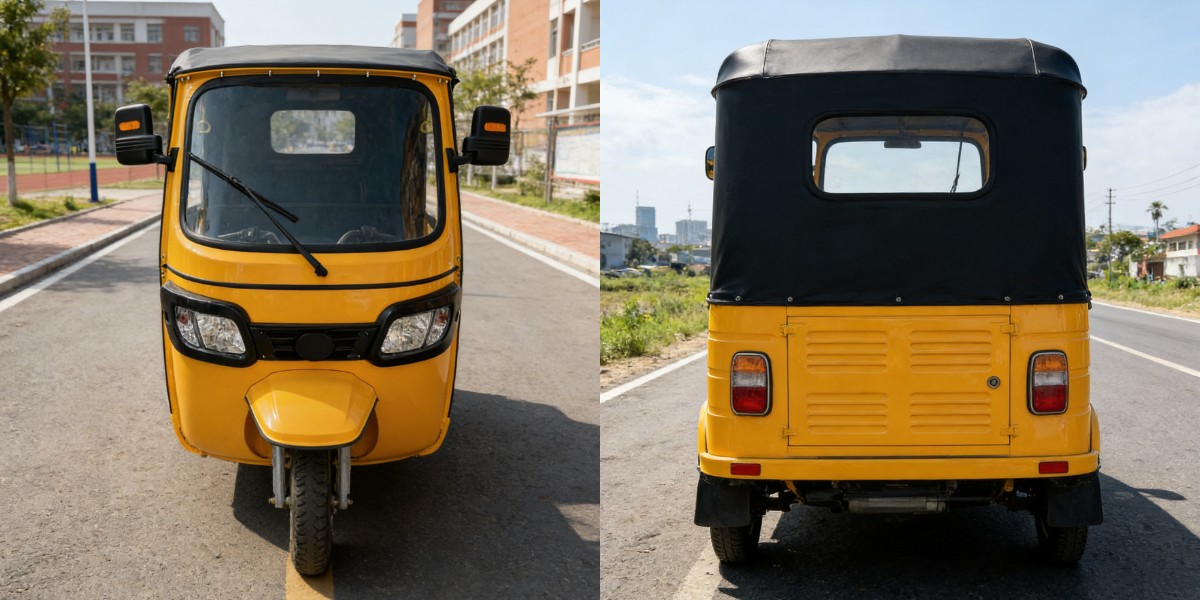
3. Legal Use Cases: Private vs. Commercial Tuk Tuk Operations
How you use your tuk tuk matters a lot for legality. Private use and commercial use have different rules—here’s the breakdown:
Private use: This is the easiest. Register it like a motorcycle, get insurance, and drive on the roads your state allows. No extra licenses—just follow normal driving rules.
Sightseeing tours: A lot of cities don’t classify tour tuk tuks as taxis—they call them “entertainment” instead. That means simpler rules. For example, Pennsylvania and Colorado don’t make you jump through as many hoops—just a basic permit.
For-hire taxi/shuttle: This is the strictest. You’ll need a commercial license, special insurance, and regular checks. But it’s still legal in most big cities—you just have to do a little extra work.
Bonus: Electric tuk tuks have fewer rules all over the US. Plus, a lot of states give incentives for green vehicles—you might even get a tax break if you go electric.
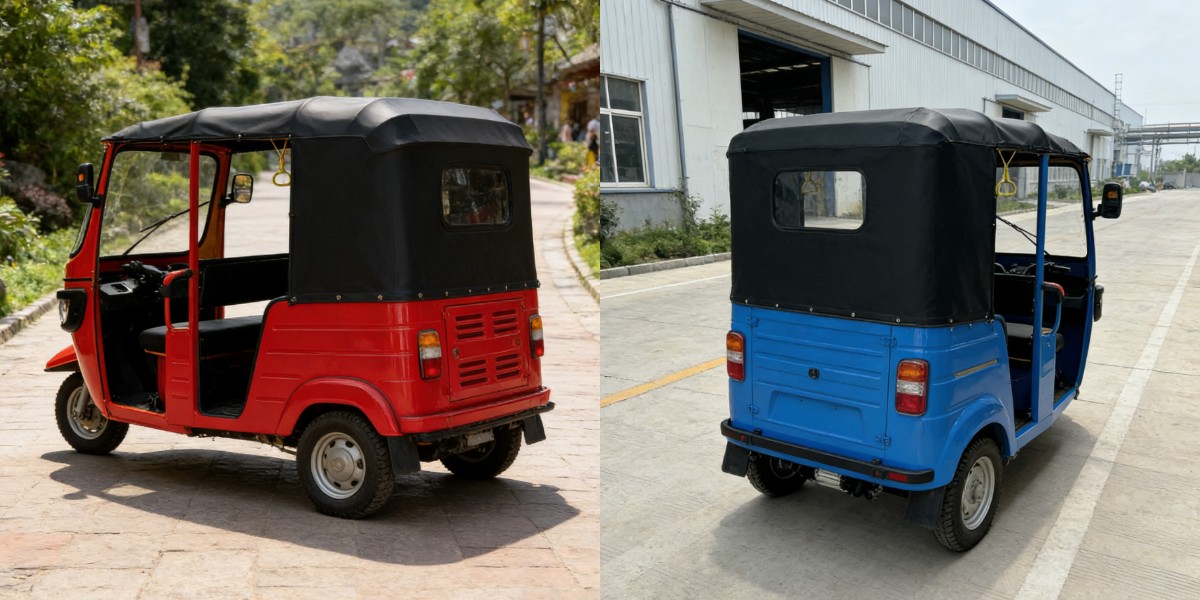
Final Verdict: Are Tuk Tuks Legal in the US?
To keep it simple: Tuk tuks are legal in the US if they’re certified, registered, and used the right way. If your tuk tuk isn’t certified, was imported illegally, or isn’t registered, it’s not street-legal. You could get ticketed, or even have it taken away.
If you’re planning to get a tuk tuk, start with one that’s EPA/DOT-approved. Then check your state and local rules to be safe. Do that, and you can drive your tuk tuk legally—for work, fun, or whatever you need—without any hassle.