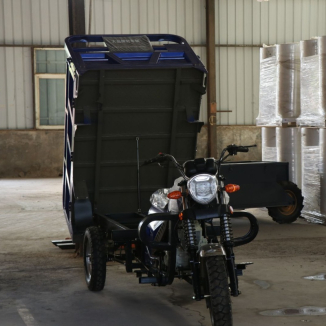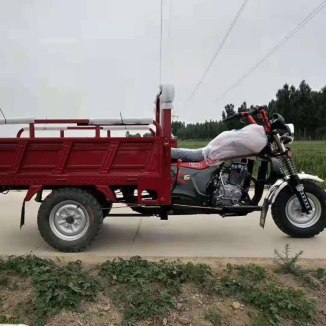

What Is a Cargo Tuk Tuk?
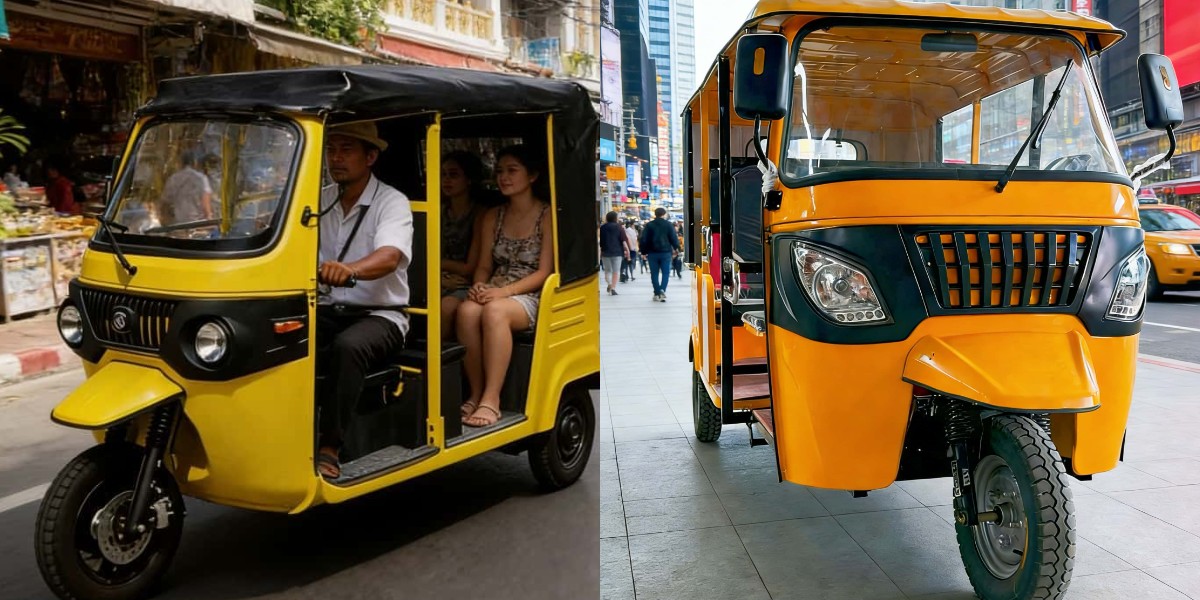
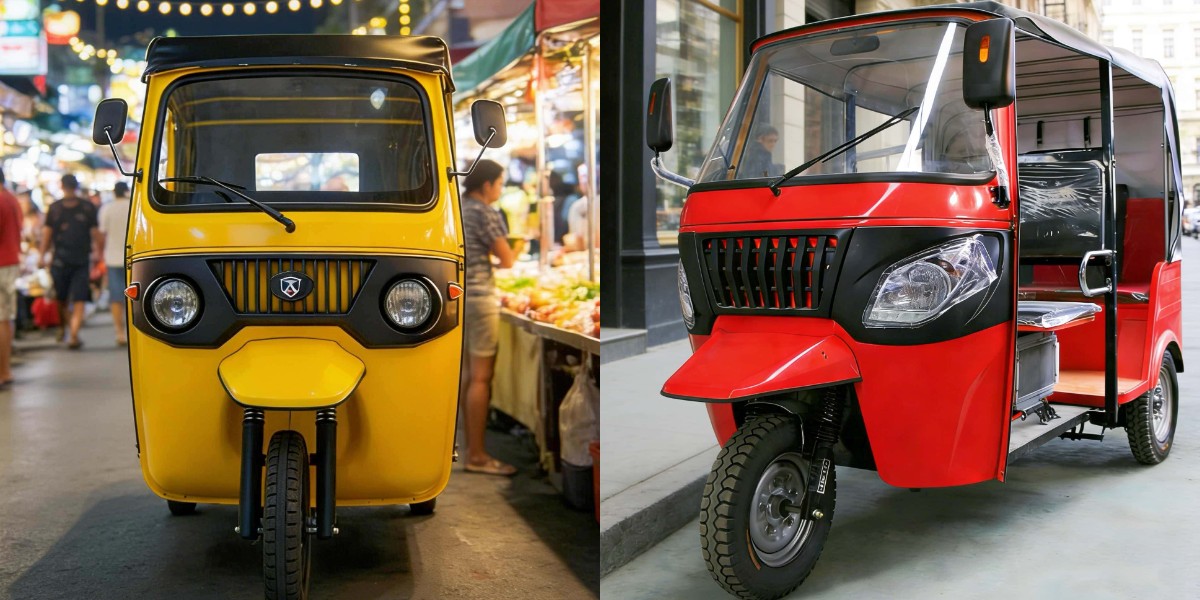
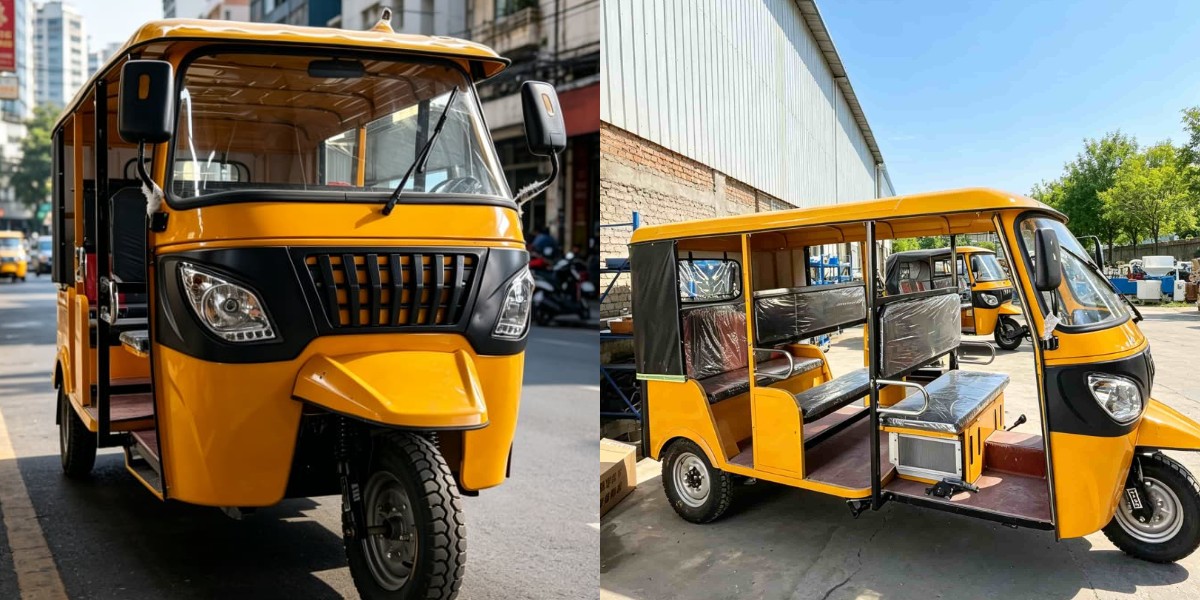
If you’ve ever been to Bangkok, Cairo or Kenya, you know that iconic buzz—the Gasoline Tuk Tuk zooming through traffic. Most people only see them as fun Passenger Tuk Tuk or colorful Taxi Tuk Tuk for tourists. But there’s a whole other workhorse side that’s blowing up: the cargo version built on the same rock-solid platform.
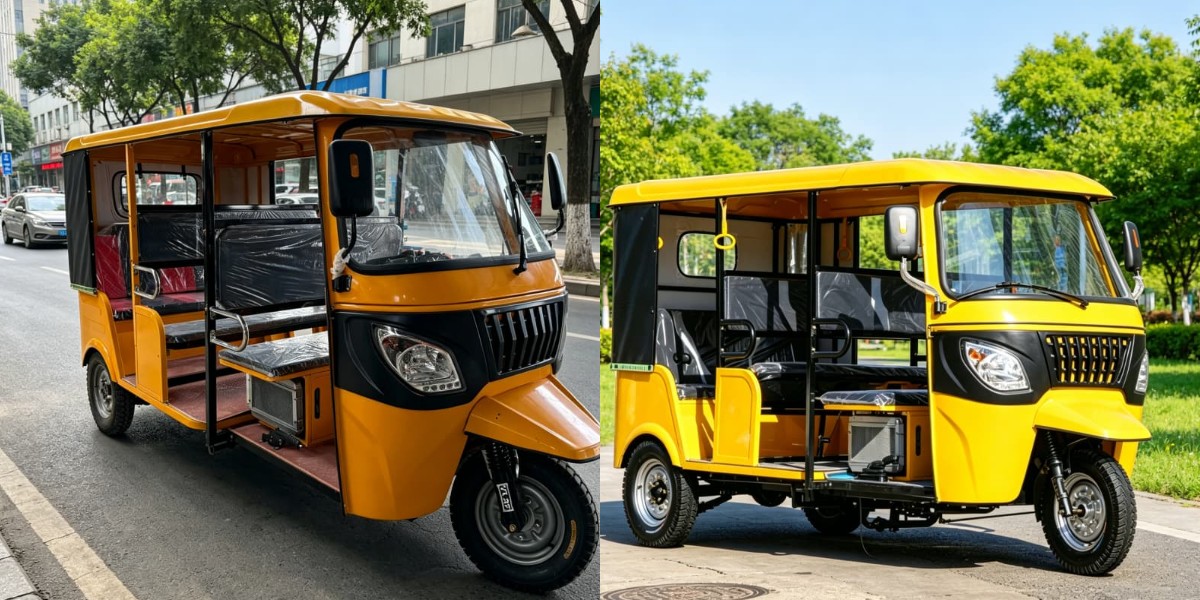
The 200cc Water Cooled Tuk Tuk engine runs all day in 40-degree heat. The Heavy Duty Tuk Tuk frame carries 500kg no problem. And the compact size that lets the 6 Passenger Tuk Tuk squeeze through alleyways? Perfect for narrow streets vans can't reach.
That’s why the Petrol Tuk Tuk cargo variant has become the go-to for small businesses everywhere. No fancy tricks, just reliable, affordable transport that goes anywhere. The Commercial Tuk Tuk fixes real problems for people who can’t afford big clunky vans.
1. A Cargo Tuk Tuk Isn’t Just a “Small Vehicle”—It’s a Customizable Workhorse Built for Your Business
First, let’s clear this up: a cargo tuk tuk isn’t a Passenger Tuk Tuk with seats torn out. It’s built specifically for hauling goods, on the same proven Gasoline Tuk Tuk platform that powers millions worldwide. Big vans get stuck in narrow alleys and crowded markets—the same spots where a 6 Passenger Tuk Tuk zips through effortlessly. Cargo tuk tuks go anywhere bigger vehicles can’t, total lifesavers for daily operations.
These Petrol Tuk Tuk cargo variants are fully customizable. Need to haul produce or construction supplies? Get an open bed. Got fragile goods or food? An enclosed cabin keeps everything safe. Even perishables work with refrigerated options. All run on the reliable 200cc Water Cooled Tuk Tuk engine that never quits. Some even switch between cargo and passenger use, turning into a makeshift Taxi Tuk Tuk during peak hours for extra income.
Don’t let their size fool you. These Heavy Duty Tuk Tuk cargo models carry 300-800kg easily, with top 200cc Tuk Tuk units handling the full payload without breaking a sweat. As a Commercial Tuk Tuk option, they cost less than a third of a basic delivery van. I’ve seen hundreds of small business owners save thousands by choosing these Gasoline Tuk Tuk cargo units, money they put straight back into growing their operations.
2. Why Small Businesses Choose Cargo Tuk Tuks: It’s All About Profitability (Not Just Convenience)
I’ve been importing and selling cargo tuk tuks to businesses across Africa and Southeast Asia for years. The number one question I get every single day? “Why not just buy a motorcycle or a small van?”
Let me tell you straight: it’s all about the money. These Gasoline Tuk Tuk cargo models fill that perfect middle ground. A motorcycle can’t carry squat. A van costs an arm and a leg to run. This Commercial Tuk Tuk makes those small, daily deliveries actually worth it. Small businesses don’t have cash to burn on stupid fuel bills and expensive repairs. These things get the job done for pennies.
Let me hit you with real numbers, no bullshit. A small delivery van costs 60% more to run than a cargo tuk tuk. A 200cc Water Cooled Tuk Tuk only uses 2.7 liters of gas per 100 km. Way less than any van. And way fewer parts to break. Repairs cost next to nothing. Electric ones are even better—cut your running costs by over 50%. For a small bakery or grocery store, that adds up fast. I had a client in Kenya who runs a little bakery. He switched to a Heavy Duty Tuk Tuk cargo model, saved enough in six months to open a second shop. That’s not hype. That’s real money.
Another huge win? Anyone can drive them. In almost every country, you don’t need a fancy commercial license. Unlike a van. That means you can hire any local who already knows how to drive a Taxi Tuk Tuk or Passenger Tuk Tuk. No extra training, no extra hassle. I saw this with a delivery company in Nairobi. They used to run vans, could never find enough licensed drivers. Switched to cargo tuk tuks, hired local guys instantly, cut labor costs by 40%, and started delivering to neighborhoods vans could never reach. That’s the difference between staying in business and going under.
3. Cargo Tuk Tuks Are Adapting to the Future: Eco-Friendly, Tech-Savvy, and Global
Most people still picture cargo tuk tuks as those loud, beat-up old Gasoline Tuk Tuk workhorses—and that’s exactly what they used to be. But these days? They’re light years better, and they’re quietly taking over sustainable logistics worldwide.
The biggest trend right now is electric models. Zero emissions, dead quiet—way quieter than the old Water Cooled Tuk Tuk units—perfect for smog-choked cities like Bangkok and Delhi. I see them everywhere now, dropping off food, packages and medical supplies. They let businesses go green without breaking the bank—total win-win.
And the tech upgrades? Game changer. Most new ones come with GPS built in. Track every delivery live, find faster routes, and stop thieves cold. That’s huge for high-crime areas. I had a client in Lagos who lost packages every single week. Switched to GPS-equipped Commercial Tuk Tuk cargo models? Hasn’t lost one since. Some even have solar charging—total lifesaver for rural areas. I saw farmers in remote Cambodia charge their Heavy Duty Tuk Tuk right in their fields, no need to drive 20 miles for power.
These things are everywhere now. In Gaza, when regular vehicles were banned, everyone switched from donkey carts to Petrol Tuk Tuk cargo units. In Sri Lanka, Lagos, Dar es Salaam, they haul everything from farm produce to construction bricks. And now they’re even in rich countries—cities are cracking down on big vans, and I saw 200cc Tuk Tuk cargo models delivering packages in downtown Amsterdam last month. They’re not just for emerging markets anymore—they’re a global solution.
Final Thoughts: Is a Cargo Tuk Tuk Right for You?
At the end of the day, a cargo tuk tuk isn’t just a vehicle—it’s a tool that helps small businesses grow, fixes delivery headaches, and fits what communities need all over the world. If you’re a small business owner wanting to deliver further, a logistics team struggling to get through tight streets, or an entrepreneur in an emerging market who needs a cheap way to move stuff, a cargo tuk tuk is the answer. It’s practical, cheap to run, and way more flexible than regular vehicles. You don’t need to overthink it—these things just get the job done, plain and simple.
If you’re tired of high costs, not being able to reach all your customers, or slow deliveries, give cargo tuk tuks a look. It’s not just a “three-wheeled truck”—it’s the unsung hero helping small businesses succeed, one delivery at a time. Trust me, I’ve seen it myself—these little vehicles make a huge difference.