
3-Wheel Motorcycle vs Tuk Tuk: Which is Right for Your Business?
If you’re a small business owner who needs to handle last-mile delivery, local transport, or a mobile cart—whether you’re set up in a busy city spot or a tiny rural town—you’ve definitely gone back and forth on two three-wheeled workhorses: the 3-wheel motorcycle (most people just call it a trike) and the tuk tuk. At first glance, they look like they can do the same job—three wheels, not too big, and not crazy expensive. But if you’ve actually used one (or both) to run your business, you know they’re nothing alike. Those differences? They’ll either make your day easier, or leave you stressed out, losing money, and even pushing customers away.
1. Total Cost of Ownership (TCO): It’s Not Just About the Initial Price Tag
Most small business owners start by staring at the sticker price—and that’s a big mistake. The real cost of these vehicles isn’t just what you pay when you buy them; it’s how much you shell out for gas or electricity, repairs, regular upkeep, and even how much you can get for them when you’re ready to sell. Let me break this down with real numbers—stuff I got from chatting with business owners across Southeast Asia and Africa, where trikes and tuk tuks are everywhere you look.
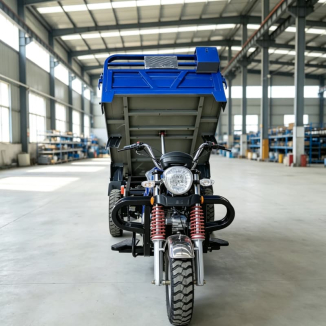
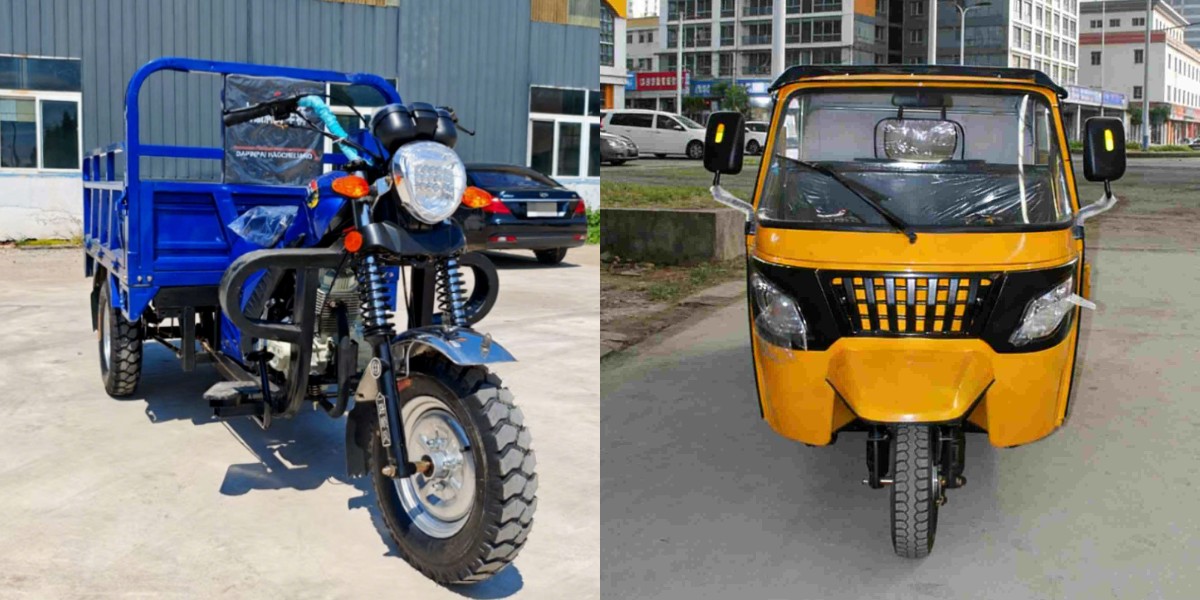
Trikes, especially the cargo ones with one front wheel and two back wheels (delta models), are tough—but their engines are small. That means if you’re hauling heavy stuff every day, the engine wears out fast. Routine maintenance—oil changes, new tires—runs about $20 to $30 a month for a trike. And if the engine needs a major fix? That’s $150 to $300 right there, no bargaining. Tuk tuks, though, have stronger engines and better weight distribution. So maintenance is a little cheaper—$15 to $25 a month—and you won’t need major repairs nearly as often.
Electric ones are a whole different ballgame. An electric trike costs $600 to $1,200 upfront, and you’ll only spend $0.30 to $0.75 a day on electricity. Electric tuk tuks are more expensive upfront—$5,900 or more—but still way cheaper to run than gas: about $1.62 a day, which is 60 to 80% less than gas. The catch? Electric trikes only go 40 to 80 miles per charge. Electric tuk tuks go further, but they take longer to charge—so if you need to keep moving all day without stopping, that’s a big thing to consider.
2. Versatility & Terrain: Which One Actually Works for How You Run Your Business?
This is where it counts—what sounds good on paper doesn’t always work on the road. Trikes and tuk tuks are good for totally different places, and picking the wrong one will slow you down, tick off your team, and waste your time (and money). Let’s skip the generic “tuk tuks are for cities” nonsense—I’m talking real life, from people who use these vehicles to put food on the table.
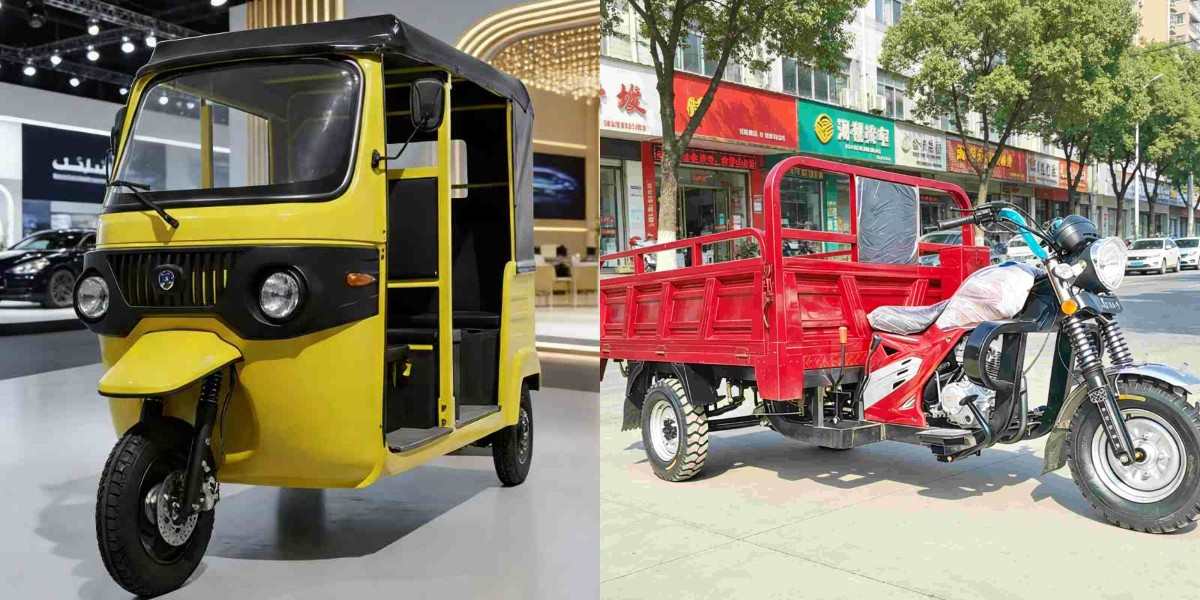
Trikes—especially the ones with two front wheels (reverse trikes)—are built to be quick and nimble. They’re narrow enough to weave through crowded market streets, dirt roads, and even alleyways that tuk tuks can’t get near. That makes them perfect for: food delivery in packed cities, mobile vending (like street food carts on wheels), and rural delivery where roads are unpaved or too narrow for bigger vehicles. I talked to a food delivery guy in Bangkok who said switching from tuk tuks to trikes cut his delivery times by 30%—just because the trikes could get through traffic jams and narrow lanes way faster.
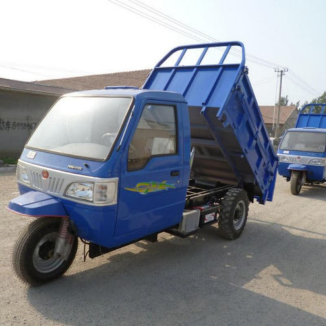
Tuk tuks, on the other hand, are made for passenger comfort and stability—not speed. Their enclosed or canopy design makes them great if your business is moving people: tourist tours, local commuter rides, or shuttling small teams. They have more cargo space than most trikes, but they’re wider, so they’re clunky in tight spots. A tour company owner in Chiang Mai told me he swears by tuk tuks: “Tourists love the open-air feel, and the tuk tuk’s stability makes longer rides safer—trikes can’t touch
3. Brand Perception & Customer Appeal: How Your Vehicle Shows People What Your Business Is About
This is the thing most people overlook—and it can make or break your customer base. Your vehicle isn’t just a tool; it’s like a moving billboard for your business. Choosing between a trike and a tuk tuk sends a clear message to your customers—and it can either pull them in or make them walk away.
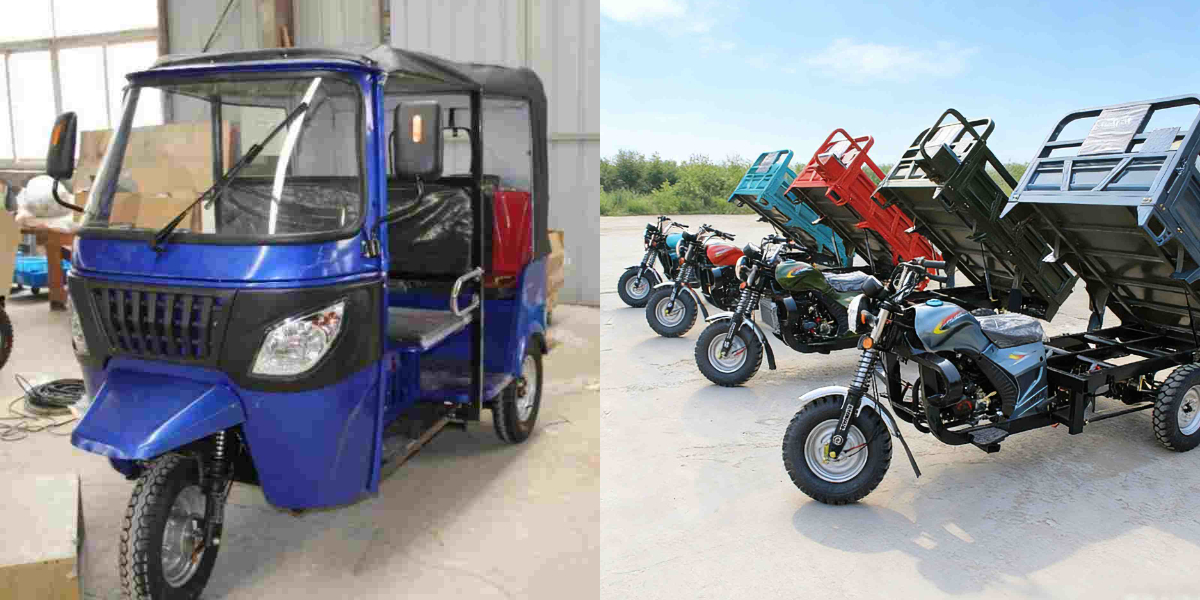
Trikes have a “hardworking, no nonsense” reputation. People link them to local entrepreneurs, small-scale delivery, and affordability. If your business caters to working-class communities, local markets, or customers who watch their budget (like an affordable grocery delivery service), a trike fits your brand. It says, “We’re here to get the job done, no extra fluff.” I’ve seen small businesses in India and the Philippines use trikes to build trust—local customers see them as “one of us,” not some big corporate service.
Tuk tuks, though, have a fun, iconic, even “tourist-friendly” vibe. They’re tied to places like Thailand, Sri Lanka, and parts of Southeast Asia—perfect if your business targets tourists, luxury local services, or if you want to stand out from the crowd. A boutique coffee delivery owner in Bali uses custom-painted tuk tuks to stand out: “Our tuk tuks are great for Instagram—customers take photos and share them, which is free marketing,” she told me. Tuk tuks also feel more “legitimate” to some customers, especially in areas where trikes are seen as “informal” or unregulated.
But there’s a downside: if you run a serious B2B delivery service (like delivering supplies to offices), a tuk tuk might seem too casual. On the flip side, a trike could come off as unprofessional. It all boils down to your audience: who are you trying to reach, and what do you want them to think about your business?
Final Verdict: Which One Should You Choose?
There’s no “better” vehicle—only the one that fits your business. Here’s a quick cheat sheet to make it easy:
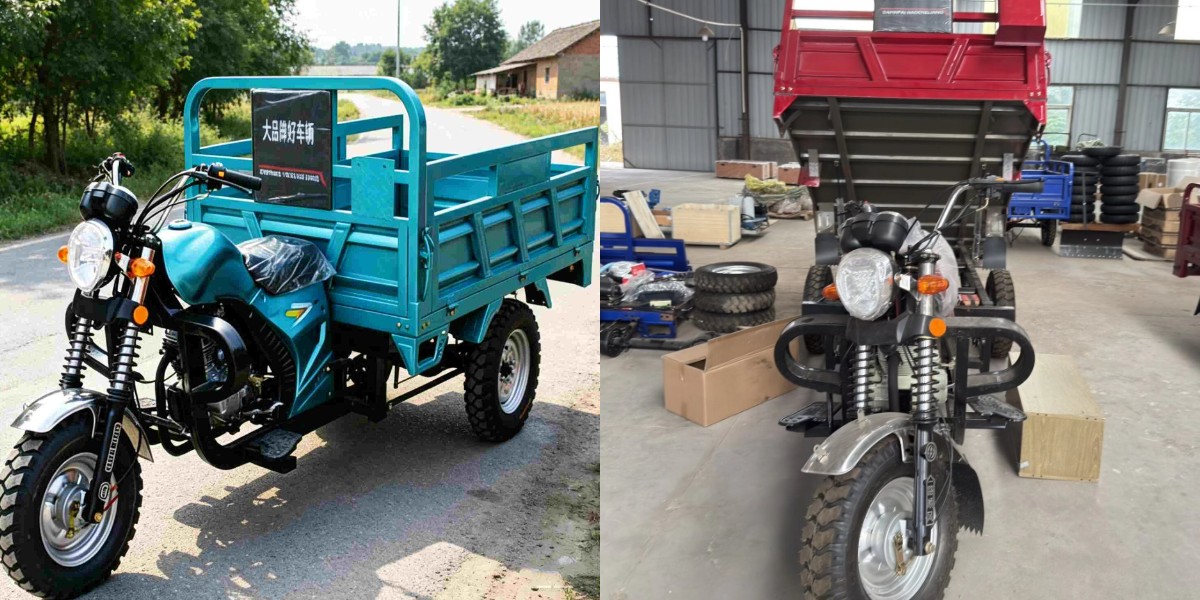
Choose a 3-Wheel Motorcycle If: You’re on a tight budget, need to get through narrow spaces or rural roads, focus on heavy cargo delivery, or want to come off as a local, hardworking business.
Choose a Tuk Tuk If: You have a bigger budget, focus on transporting people or tourist services, need stability for longer rides, or want to use the vehicle’s iconic look to get more attention for your brand.
Still not sure? Talk to other local business owners in your industry—their real experience is way more useful than any generic advice. And remember: both vehicles are getting better. Electric models are getting cheaper, and you can modify them (like adding a cargo bed to a tuk tuk or passenger seats to a trike) to fit your needs. The key is to focus on what you actually need—not what’s popular.
Ready to take the next step? Whether you go with a trike or a tuk tuk, keep up with regular maintenance. It’ll make the vehicle last longer—and help you get the most out of your investment. Your business (and your wallet) will thank you.