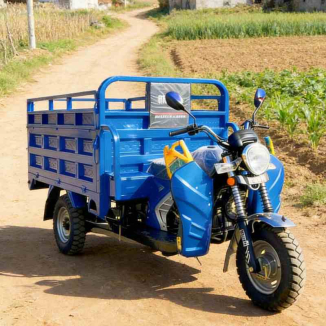

How to maintain a 3-wheel gasoline motorcycle?
Own a Cargo Tricycle or Petrol Cargo Tricycle? If you rely on a 3 Wheel Cargo Tricycle for daily work, you already know it is no fancy weekend toy — it is your hardworking ride that gets you through every busy day. I put mine through the wringer nonstop: I use it as a Farm Cargo Tricycle to haul feed and grain sacks, run it as a Short Haul Cargo Tricycle for local supply drops, and take it down rutted dirt backroads where regular two-wheel bikes just spin out and get stuck. But let me tell you straight — slack on proper upkeep, and it will leave you stranded on the side of the road faster than you think. I hang around the local repair shop most weekends, and half the guys there are complaining their Gasoline Dump Tricycle or Open Body Cargo Tricycle died after barely a year of use. Why? They followed generic motorcycle maintenance tips instead of learning what this specific heavy-duty machine actually needs.
I am no certified mechanic — I never even held a wrench properly until my first trike broke down mid-run. I learned all this the hard way, plain and simple, and dropped hundreds on avoidable repairs because I did not know any better. So I am not gonna hit you with fancy technical terms or textbook jargon. These are just the simple routines I stick to to keep my Heavy Duty Tricycle running strong day in and day out. They are so straightforward, my teen kid can help me knock them out. Three easy steps most owners skip entirely, but they will save you so much hassle and wasted money. Let us cut right to it.
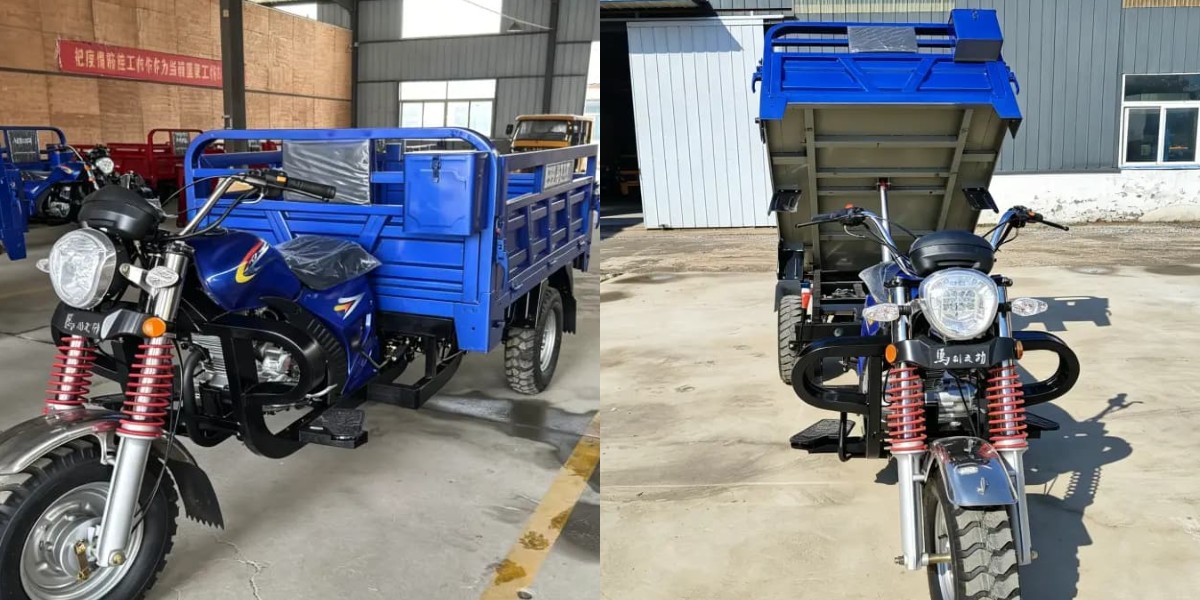
1. Oil & Gear Oil: That 3,000-Mile Rule? Total B.S.—Here’s What Actually Works
Every Petrol Dump Tricycle and Hydraulic Dump Tricycle bears far heavier loads than a standard two-wheeler, so its engine and transmission take significantly more stress. The popular 3,000-mile oil change rule is designed for passenger cars, not work-focused trikes.
If you use yours as a Farm Cargo Tricycle on dusty rural roads or a Short Haul Cargo Tricycle with frequent full loads, shorten the oil change cycle accordingly. For conventional mineral oil, replace it every 1,800 miles at most; semi-synthetic or full-synthetic oil can last around 2,500 miles. Even for light urban use, do not stretch the interval past 3,000 miles to avoid engine seizure.
Gear oil is another easily overlooked point. For all cargo trike models, replace gear oil every six months as the manual suggests. Do not use cheap generic oil; pick a grade made for 3-wheel heavy haulers. That small extra cost saves you from expensive transmission repairs down the line.
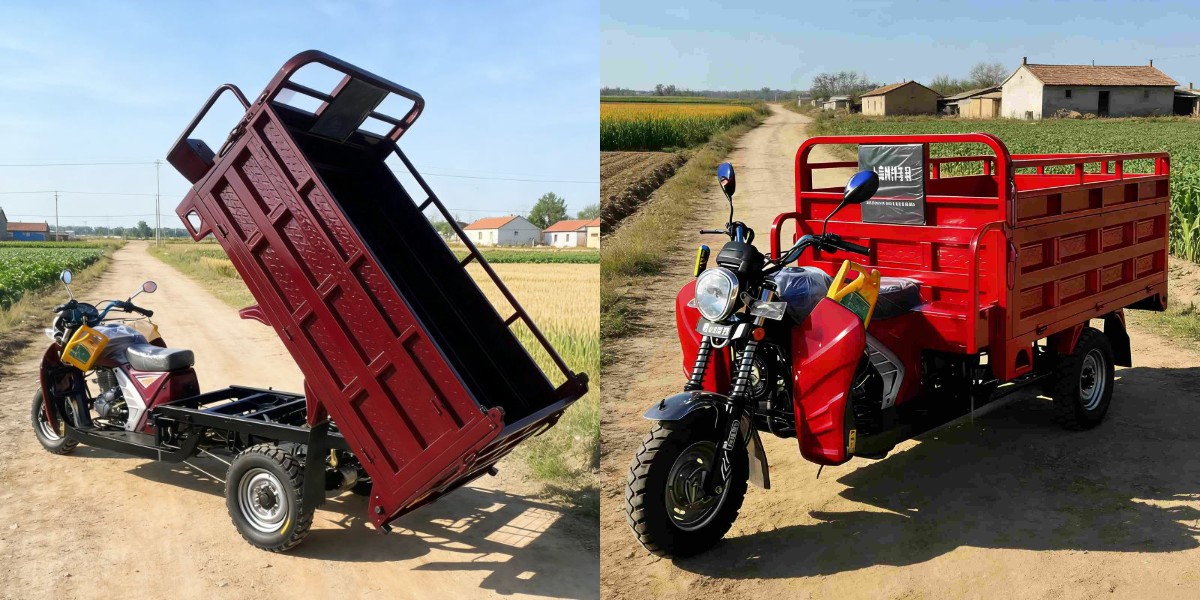
2. The Small Stuff Breaks Your Trike—Fix It Before It Screws You Over
Most failures of a 3 Wheel Cargo Tricycle do not come from a blown engine, but from tiny worn parts that owners ignore for months. The good news is each full check takes no more than 5 minutes, easy to fit into your daily routine.
Start with the air filter. Clogged by dust from farm or construction sites, it will cut power, raise fuel consumption and damage the engine over time. Check it every 4,000 miles; clean or replace it promptly when dirty, and never reinstall a wet filter.
Next is the spark plug. Costing only $8 to $12, a dirty spark plug causes hard starting, rough idling and wasted fuel. Inspect it every 10,000 miles, clean or replace it as needed, and keep the gap between 0.6mm and 0.8mm.
Do not skip brakes and tires either, especially for a loaded Hydraulic Dump Tricycle. Check brake fluid monthly, replace brake pads when thinner than 3mm, and check tire pressure weekly. Clear debris from the tread regularly to avoid sudden flat tires.
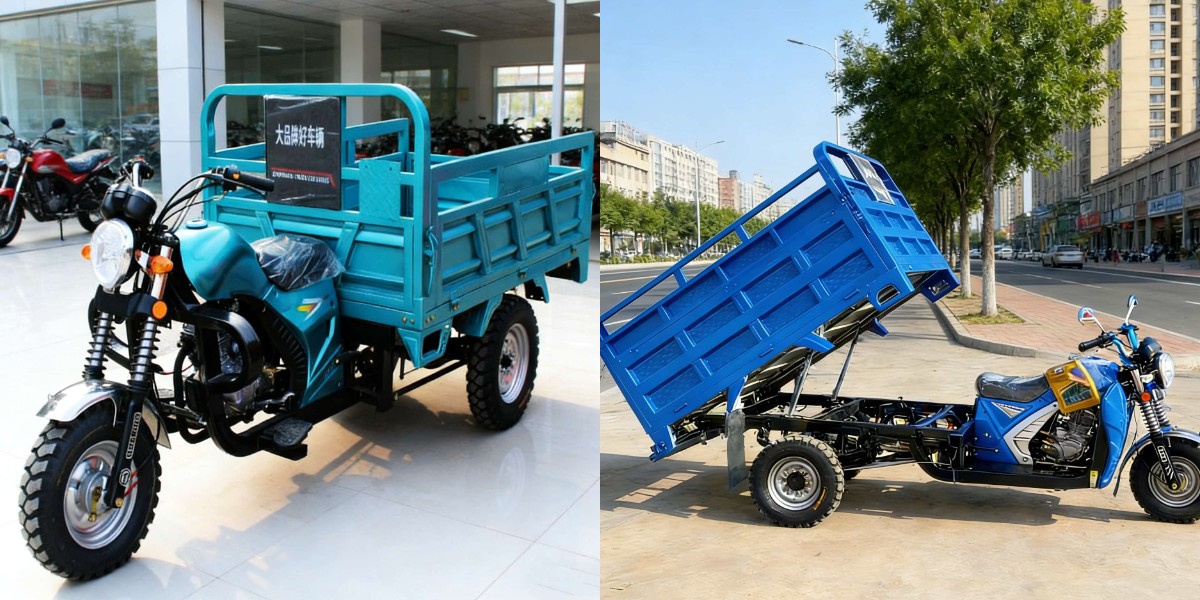
3. Your Driving Habits Are Killing Your Petrol Motor Tricycle—Quit Doing These Stupid Things
After my first Gasoline Dump Tricycle wore out far earlier than expected, I realized daily driving habits matter more than any strict maintenance schedule for a work-focused Cargo Tricycle. A few small behind-the-wheel adjustments can drastically extend the service life of your 3 Wheel Cargo Tricycle, no extra tools or expensive parts required.
First, never start in high gear. Skipping first gear puts brutal stress on the engine and clutch, especially for a fully loaded Heavy Duty Tricycle hauling construction materials or farm supplies. This is even more critical if you run a Hydraulic Dump Tricycle with a raised bed full of gravel or dirt, as the extra weight amplifies strain on the transmission. Always start in first gear, let the engine warm up briefly in cold weather, and shift smoothly through every gear, whether you are driving an Open Body Cargo Tricycle on rural backroads or a Short Haul Cargo Tricycle on urban delivery routes.
Second, stop riding the clutch while driving. Resting your foot on the clutch pedal wears out the whole assembly in less than a year, and a full clutch replacement for a Petrol Dump Tricycle costs over $300 in parts and labor. This bad habit hits Farm Cargo Tricycle owners especially hard, since constant low-speed hauling on uneven dirt roads already puts steady pressure on the clutch system. Only use the clutch for shifting gears or coming to a full stop; keeping your foot off the pedal while cruising will save you hundreds in avoidable repairs.
Third, do not leave your Petrol Cargo Tricycle parked unused for months without basic preparation. For short-term storage of any Cargo Tricycle, start the engine every two weeks and let it idle for 10 minutes to keep the battery charged and internal parts lubricated. For storage longer than three months, add fuel stabilizer to the tank to prevent gas deterioration and carburetor clogging — a common issue that leaves many 3 Wheel Cargo Tricycle units dead right when busy harvest or construction season hits.

Final Thoughts: Maintenance Ain’t Hard—It’s Just About Not Being Lazy
Look, I’m lazy. I don’t wanna spend hours working on my trike. But these tips take minutes, and they save me hundreds of dollars. You don’t need to be a mechanic—you just need to pay attention. Change the oil and gear oil right, check the small stuff, and fix your driving habits, and your 3-wheel gasoline motorcycle will run for years.
The biggest thing I learned? It’s way easier to spend 5 minutes checking the air filter than it is to spend $500 fixing a broken engine. I’ve been there, and it sucks. So do yourself a favor—follow these tips, and your trike’ll keep hauling, cruising, and getting you where you need to go. No fancy tools, no expertise—just common sense.