
How Fuel-Efficient Is a 200cc Gasoline Three-Wheeler?
Let me cut straight to the chase: if you’re here, you’ve stared at a 200cc three-wheeler’s factory fuel sticker, thought “that can’t be right”, and then watched your gas bill eat through your weekly earnings anyway. I get it. For the last 8 years, I’ve lived and breathed these trikes—ridden them, fixed them, haggled over them with sleazy dealers, and sat through hundreds of late-night chai and soda sessions with drivers across India, Kenya, Vietnam, and Mexico, all complaining about the exact same thing: the mileage they’re promised vs. the mileage they actually get.
Stop Blaming Your Cargo Weight—It’s Your Daily Stop-and-Go That’s Bleeding Your Gas Tank Dry
Nearly every fuel efficiency guide fixates on maximum cargo weight like it’s the be-all-end-all of your gas bill. But after riding with hundreds of drivers, I can tell you this with absolute certainty: the single biggest drain on your 200cc trike’s mileage isn’t how much you carry. It’s how you carry it.
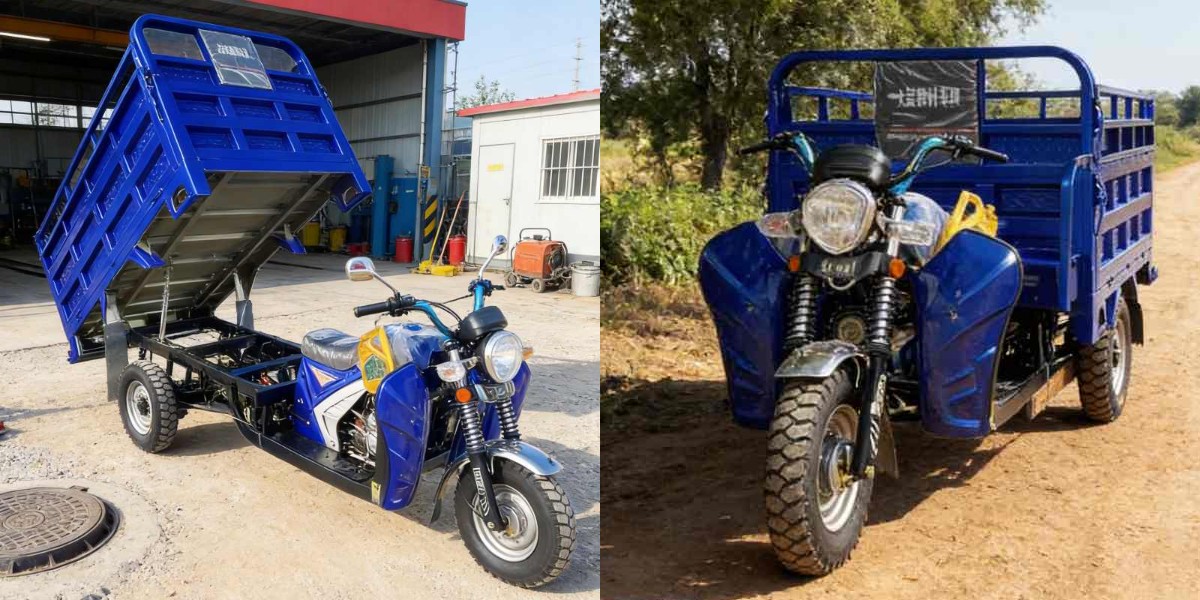
Take Raj, a guy I’ve known for 3 years now who runs 120km a day crisscrossing Mumbai’s slums and business districts in his beat-up 200cc trike. Last monsoon, we spent a full 10-hour shift together—me squeezed between his crate of water bottles and the passenger handle, sweating through my shirt, watching his fuel gauge drop like a rock every time we hit a traffic snarl.
When we hit the open Eastern Freeway, empty, cruising at a steady 50km/h? His trip meter read 41km per liter. No joke. But 90% of his day is stop-and-go: 15+ drops an hour, hauling 500kg of wholesale goods, crawling through traffic that doesn’t move for 10 minutes at a time. On those stretches? He’s lucky to hit 23km/L. Same trike. Same engine. Same day. Half the mileage. And the factory? They’ll never tell you that.
Here’s the secret no lab test will ever show you: hauling a heavy load steady down the road barely moves the needle on your fuel use. It’s the frequent heavy-load starts that kill your efficiency. Every time you pull away from a stop with 400+kg in the bed, your engine has to work overtime to build momentum, burning nearly a quarter more fuel than it would cruising at the same weight with a steady speed.
Even tiny, overlooked details add up fast. Pile all your cargo at the very back of the bed, and you’ll put unnecessary strain on the rear axle, crank up rolling resistance, and burn 5-8% more gas over a full day of driving. For drivers logging 100+km a day, that’s a massive hidden cost that never shows up on a factory spec sheet.
Your Engine’s Not The Problem—9 Out Of 10 Times, It’s The Stuff You’re Skipping That’s Wasting Gas
It’s so easy to blame a “bad engine” when your trike is guzzling gas. But I talked to Joko, who’s got a tiny shop in Jakarta tucked between a street food stall and a motorbike parking lot, fixing these trikes for 22 years. I sat with him for a whole afternoon last year, watching trike after trike roll in, drivers red-faced and frustrated, convinced their engine’s shot and they need a full rebuild.
You know what he found 9 times out of 10? A $2 air filter caked so full of dust you couldn’t see through it. Or tires 10 PSI underinflated, the sidewall bulging so bad you could see it from across the street. Or a driver who’s been lugging the engine in 4th gear up a hill at 20km/h, wondering why his gas bill’s through the roof.
No fancy engine work. No expensive parts. Just stuff every driver ignores, because the factory never tells you it matters. Trust me, I’ve made every single one of these mistakes myself. I once bought a 200cc trike, skipped the air filter for 8 months, and wondered why I was filling up twice a week. Changed the filter? My mileage jumped 12% overnight. I’m not perfect, I’ve been there.
Nearly every 200cc gasoline three-wheeler comes with a 5-speed manual or semi-automatic clutch transmission, and your driving habits are make-or-break for your mileage. Most new drivers fall into two costly habits: either they lug the engine in too high a gear at low speeds, forcing it to strain to maintain momentum, or they rev the engine to the moon in low gears instead of shifting up at the right time. Both mistakes can jack up your fuel use by 15-25% overnight.
Joko told me the #1 hidden fuel drain in high-dust rural areas is that blocked air filter. When it’s caked with dirt and debris, the engine can’t get enough air for clean combustion. It compensates by burning more fuel to make the same power. A filter that’s gone 6 months without replacement can increase fuel use by 10-15% all on its own. Add in worn spark plugs, misadjusted valves, and underinflated tires, and these tiny, cheap-to-fix issues can combine to make your trike 30% less efficient than its fake factory rating.
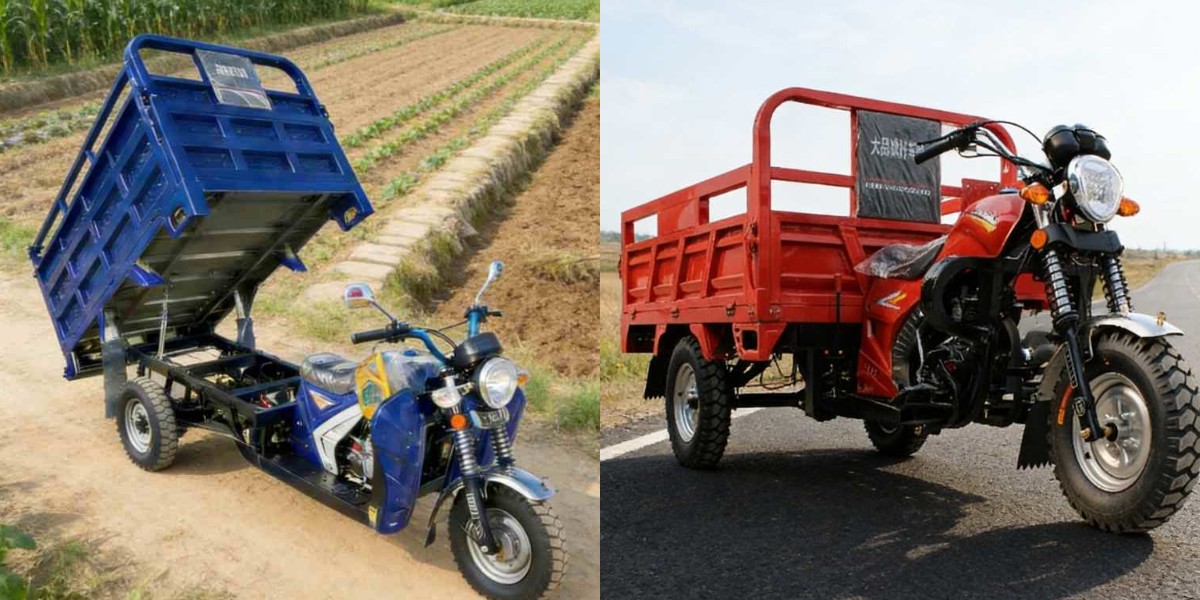
Is The 200cc Trike Actually The Best For Fuel Savings? Let’s Be Real—It’s Not For Everybody
The biggest question most buyers have isn’t just “how efficient is a 200cc trike”—it’s “is this actually going to save me the most money on gas long-term?” There’s a stupid myth that won’t die that smaller displacement always means better fuel economy, and I’ve seen that myth cost drivers hundreds of dollars a year. For most working drivers, the 200cc three-wheeler hits a one-of-a-kind sweet spot between power and efficiency that smaller 150cc and larger 250cc models just can’t match.
Let’s break this down with real numbers, from real drivers, on real routes—no lab tests, no dealer fluff.
Take Maria, who runs a small bakery in Guadalajara. I met her at a wholesale market last year, fuming about her 150cc trike. She’d bought it because the dealer swore up and down it was 10% more fuel-efficient than the 200cc model, and she thought she’d save a fortune. But here’s the thing: her route is all steep neighborhood hills, and she’s hauling 350kg of bread and pastries every single morning.
That 150cc engine was screaming the whole way up those hills, shifting constantly, revving so high I thought it would blow. She was getting 18km/L, max. 6 months later, she swapped to a 200cc trike. Her average mileage jumped to 27km/L. Just like that. Why? Because the 200cc has the low-end grunt to haul that load without revving itself to death. The smaller engine sounds better on paper, but in the real world? It’s burning more gas, because it’s working twice as hard.
150cc trikes only deliver better fuel efficiency if you’re just zipping around town alone, no cargo, on perfectly flat roads. The second you add weight or hills, they fall apart. They have to run at consistently higher RPMs to move the same load, burning 10-15% more fuel than a 200cc trike that can handle the weight without breaking a sweat.
On the flip side, 250cc trikes only make sense if you’re regularly hauling 800kg+ of cargo, every single day, nonstop. They only use 5-8% more fuel than 200cc models when maxed out, but they’re 15-20% less efficient when you’re running empty or with light loads. For most drivers who split their days between loaded deliveries and empty return trips, that extra fuel cost adds up fast.
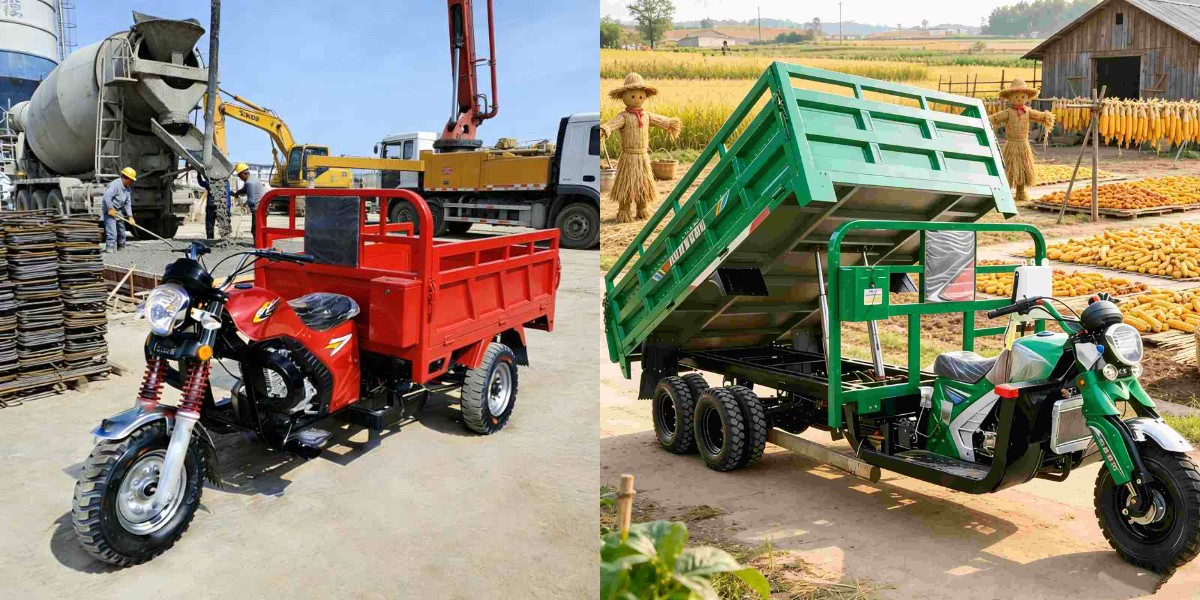
The 200cc gasoline three-wheeler shines for the 90% of you reading this: drivers hauling 300–800kg of cargo, logging 50–150km a day, on routes that mix flat pavement, hills, and frequent stops. It has enough power to handle heavy loads without overworking the engine, while still delivering excellent mileage when you’re running empty. For most working drivers, this balance means the 200cc model is the most fuel-efficient long-term choice—even if a smaller engine looks cheaper on paper.
Final Thoughts
At the end of the day, if you’re asking “how fuel-efficient is a 200cc three-wheeler?”, the answer is this: it’s as efficient as you make it. There’s no magic, one-size-fits-all number.If you’re still on the fence about whether a 200cc trike is right for you, or which model actually delivers the best real-world mileage, feel free to contact us.