

Today tuk-tuks are being shipped to ethiopia!
Case Overview
We’re working with a fast-growing transport and logistics firm out of Addis Ababa, Ethiopia—they run daily trips all over the Oromia Region. Think: the chaos of Addis Ababa’s Merkato district, where tuk-tuks squeeze between overcrowded minibuses and donkey carts, all the way to the steep, unpaved highland roads that lead to small towns like Adama and Jimma. As more people move to cities and rural areas need better connections, they came to us needing 220 gasoline tuk-tuks—tough ones, that could handle Ethiopia’s worst.
Here’s the thing: standard off-the-shelf tuk-tuks don’t stand a chance here. The altitude (some routes hit 2,500+ meters) makes regular engines stall. The rainy season (June to September) turns dirt roads to mud, and unprotected vehicles rust out fast. Plus, rural areas don’t have specialized repair shops—if a part breaks, drivers can’t wait weeks for imports.
So we didn’t do fancy presentations or send glossy brochures. We flew their team to our factory, built a test track that copied their hardest roads, and let their drivers put our custom prototypes through every nightmare scenario they face daily. We tweaked parts on the spot, listened to their feedback (no sugarcoating, just straight talk), and kept at it until every piece worked for how they actually drive. That’s how we won their trust—and their 220-unit order. Right now, those tuk-tuks are on their way to Djibouti Port, ready to hit Ethiopia’s roads.
Customer Demand & Performance Requirements
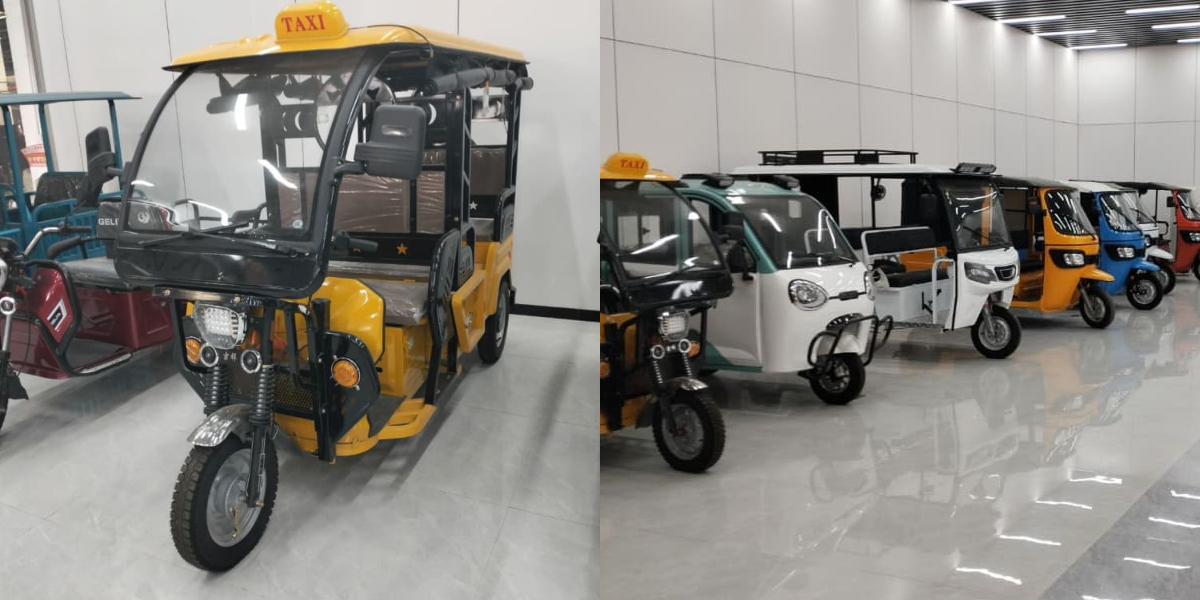
This isn’t just a transport company—they’re connecting communities. Their drivers spend 12+ hours a day zigzagging through Addis Ababa’s jammed streets, then climbing steep highland roads to rural areas. They carry passengers one trip, sacks of coffee or vegetables the next—mixed use is just how it works in Ethiopia. For their new tuk-tuks, “nice-to-haves” didn’t exist. These were non-negotiables:
• Altitude-ready power: Thin air at high elevations kills standard engine performance. They needed an engine tuned to climb steep hills without stalling—even when packed with passengers and cargo. Drivers can’t afford to get stuck halfway up a hill, especially in rural areas where help is miles away.
• All-weather toughness: The rainy season soaks everything. Mud clings to vehicles, moisture seeps into wiring, and rust eats through bodies fast. They needed heavy-duty rust protection, waterproof wiring, and parts that wouldn’t seize up in mud.
• Easy to fix, with local parts: Rural Oromia doesn’t have mechanics with specialized tools. The tuk-tuks had to be simple—parts that match what local shops already stock, no fancy electronics that would leave drivers stranded. If a mechanic can fix a minibus, they should be able to fix these tuk-tuks.
• Fuel efficiency that matters: Ethiopia’s fuel prices jump up and down constantly, and drivers usually pay for fuel out of their own pockets. Every liter saved is more money for their families. A fuel-hungry engine wasn’t an option—we had to get every last kilometer out of each liter.
On-Site Testing & Custom Tuning: Built for Ethiopia, Tested by Ethiopians
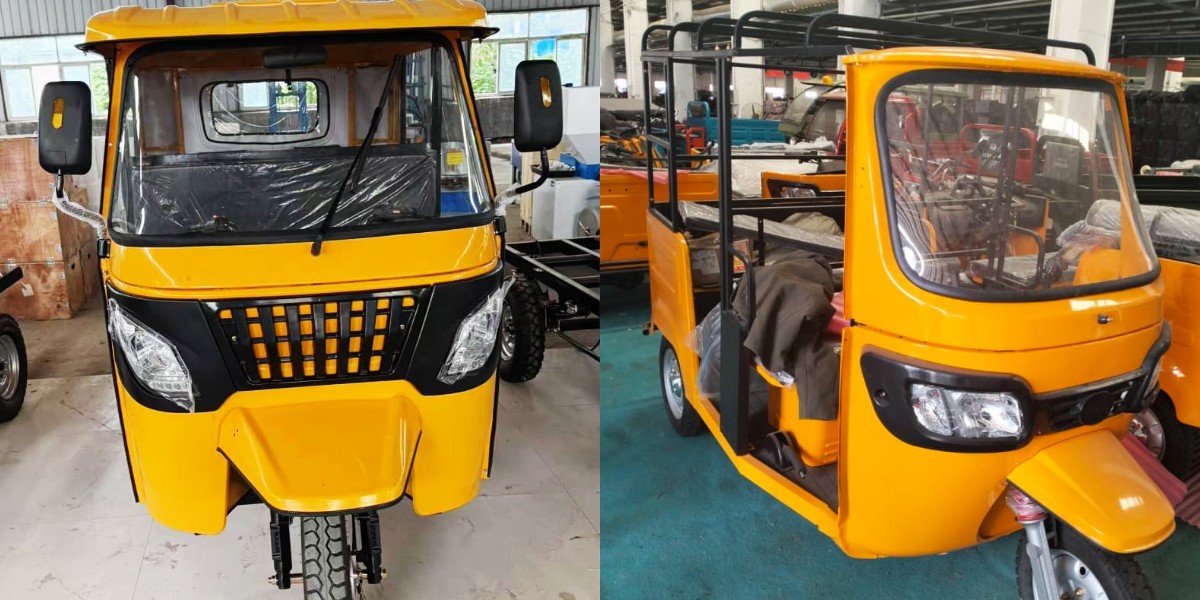
We didn’t guess what they needed. We asked the people who know best: their drivers. These are guys with 10+ years behind the wheel in Ethiopia—they’ve seen every problem, fixed every breakdown, and know exactly what works (and what doesn’t). We invited 5 of their senior drivers and 2 technical specialists to our factory—let them take charge of the testing.
First, we built a test ground that felt like home for them: a steep, gravel-covered hill (we even adjusted the air pressure to match Addis Ababa’s altitude) to mimic the highlands, a muddy stretch to test rainy season performance, and a bumpy, pothole-ridden track just like the rural dirt roads they drive daily.
Their feedback was brutal—and exactly what we needed. Alemu, one of their most experienced drivers, took a prototype up the steep hill, hit the gas, and shook his head. “Too slow,” he said. “We need more power to pass minibuses on the climb—otherwise, we lose time and passengers.” Our engineers grabbed tools, tweaked the carburetor on the spot, and boosted low-end torque. He took it up again, smiled, and said, “That’s it.”
Zewde, another driver, pointed out the mud guards: “Too small. Mud will splash passengers, and rust the body in months.” We swapped them for heavier, wider guards right then. They piled sacks of sand (to mimic coffee bags) into the back—suspension sagged too much. We upgraded the springs that afternoon.
We even tested repair ease: we told their technical specialists to take the engine apart and put it back together—no instructions, just their own tools. They finished in 50 minutes, laughing. “Local mechanics can do this in 30,” one said. “Perfect.” Every tweak came from their real daily struggles—not our assumptions. This wasn’t testing. It was building a tuk-tuk with them, for their roads.
Customer Outcome & Feedback
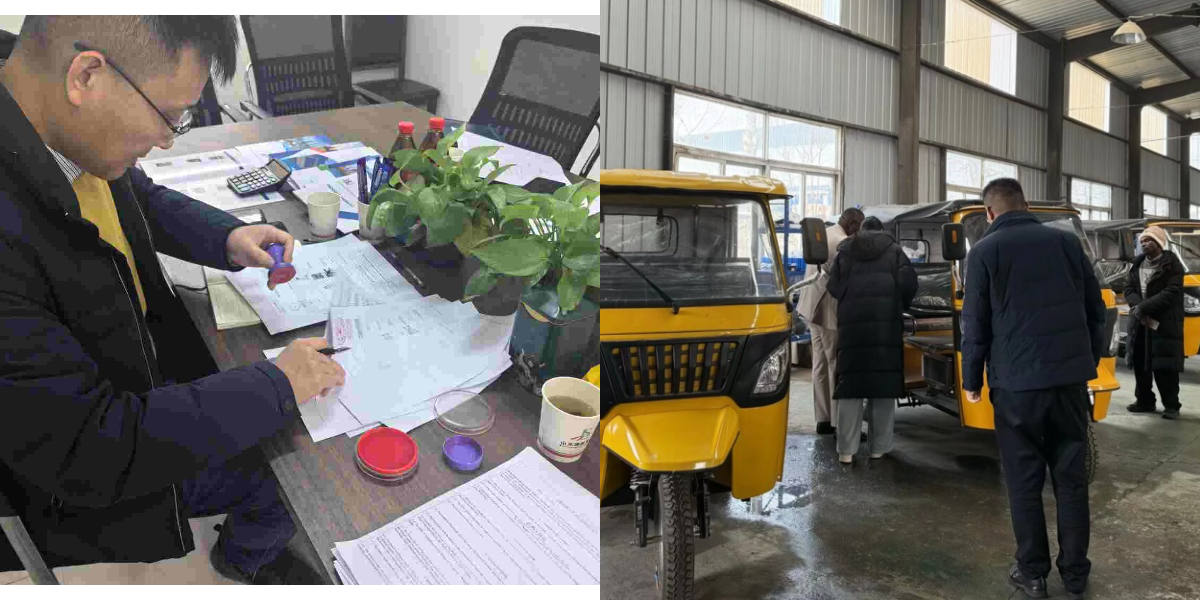
Tesfaye Gebre, their Fleet Manager, summed it up after the final test: “This is the first time a manufacturer actually listened to us. We’ve bought imported tuk-tuks before—they stall on the highlands, rust out in 6 months, and when a part breaks, we wait weeks for it to come from abroad. These? They climb hills like a minibus, parts are easy to find, and the fuel efficiency? Our drivers will make more money, so they’ll stay with us longer. We watched them handle every road we drive—mud, hills, potholes. They’re built for Ethiopia, not some generic market.”
No delays, no last-minute haggling. They signed off on the tests that afternoon, cut the full payment the next day. The 220 custom tuk-tuks were loaded onto a cargo ship at Djibouti Port earlier this week—22-day voyage to Ethiopia. Once they land, they’ll be distributed to drivers in Addis Ababa, Adama, and Jimma—on the road within a week.
For us, this wasn’t just a sale. It was proving we get Ethiopia’s transport challenges. These tuk-tuks aren’t just metal and engines—they’re how drivers support their families, how rural communities get their goods to market, how our customer grows their business. When their drivers send photos of these tuk-tuks on the highlands? That’s better than any sales report.