

On-Site Testing: Gasoline 3-Wheelers That Survive Ghana’s Toughest Roads
Case Overview
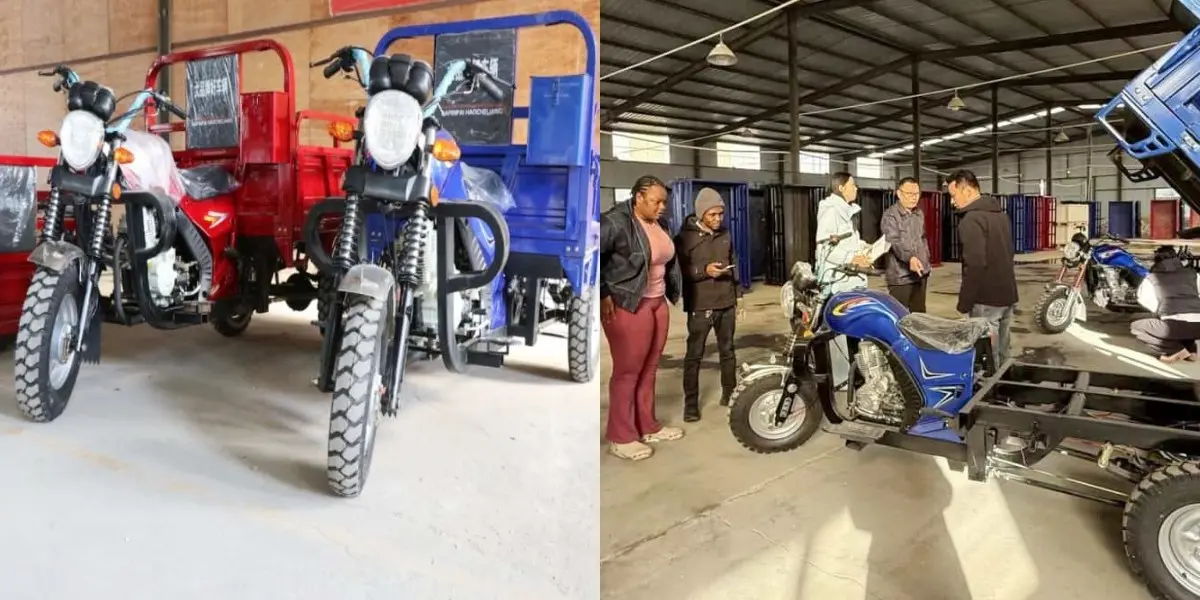
A well-established transport company based in Accra, Ghana, runs daily passenger and cargo trips between cities and rural villages across the Ashanti Region and beyond. Looking to grow its fleet, it needed 180 tough gasoline auto rickshaws that could handle the country’s punishing roads—from Accra’s jam-packed city streets to the rutted, dust-choked tracks outside Kumasi. Off-the-shelf vehicles simply wouldn’t stand up to this kind of use, so we flew their team out to our factory to put our custom-built prototypes through their paces, tweaking every part to fit their day-to-day operations. Here’s how this hands-on, no-compromise testing won their trust, and how their first shipment is now on its way to Tema Port.
Customer Demand & Performance Requirements
The Ghanaian firm runs daily routes connecting Accra, Kumasi, and nearby rural communities. For their new 3-wheel gasoline autos, practicality and durability took top priority: Reliable fuel efficiency: With Ghana’s volatile fuel prices, drivers need vehicles that stretch every cedi spent at the pump—cutting daily operational costs is non-negotiable;Robust load capacity: Mixed passenger-cargo transport is standard in rural Ghana; the rickshaws must handle both commuters and small goods without straining;Simple maintenance: Local repair shops in smaller towns lack specialized tools and imported parts; the design needs to be easy to fix with readily available components.
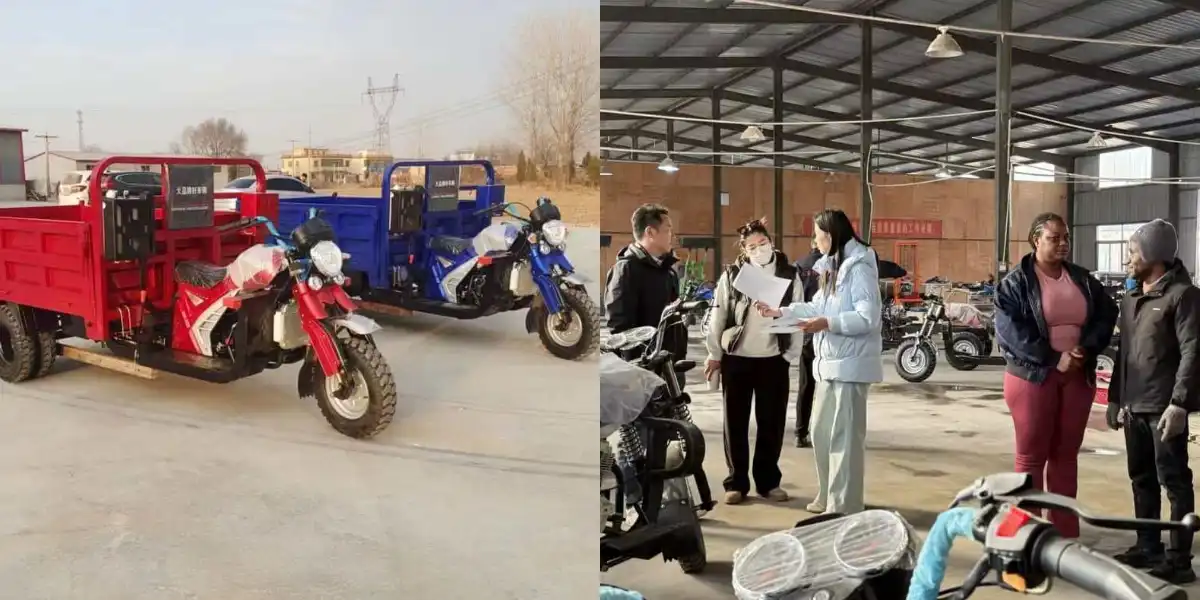
On-Site Testing & Custom Tuning: Built for Ghana, Tested by Ghanaians
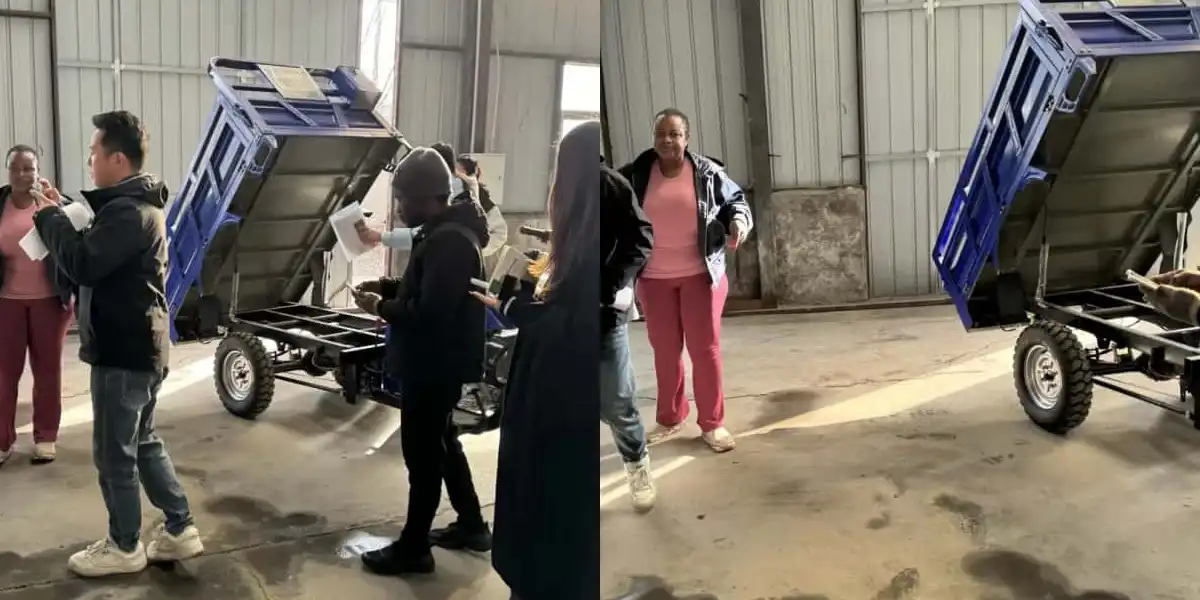
We didn’t just talk about meeting their needs—we built a test ground that mirrored Ghana’s roads, then invited the customer’s 4 senior drivers and 2 technical specialists to put the rickshaws through their paces. Every test scenario was pulled from their daily operations, ensuring the vehicles performed when it mattered most.
Customer Outcome & Feedback
“This is what we need—vehicles built for how we actually work in Ghana, not just for show,” said Kwame Ofori, Fleet Manager at the Ghanaian transport company, after the final test. “Our drivers spend all day on the road, so fuel efficiency means more money in their pockets. The rust protection will keep these rickshaws running through rainy seasons, and not waiting for imported parts? That’s a game-changer for our rural routes. We saw exactly how they perform in every scenario we face—we’re ready to get them on the road.”

The customer signed off on the tests and released full payment the same day. The 180 gasoline auto rickshaws were loaded onto a cargo vessel at Tema Port earlier this week, with a 26-day voyage to Ghana—they’ll hit the roads within days of arrival.