

How Thai Hotels Use Passenger Tuk Tuks to Enhance Guest Transportation
For resorts near busy city centers in Thailand, guest transport is a common operational challenge. Shuttle buses crawl through the traffic, and a regular taxi feels impersonal, with no local flavor to it. One of our long-term clients, a boutique hotel group, hit exactly that wall. They wanted a guest experience with some character and needed to fix the "last-mile" run at the same time. Their answer was to fold a hotel tuk tuk service into the amenities instead of treating it as an afterthought. Swapping the standard vans for a commercial tuk tuk, backed by a petrol tuk tuk setup, changed how guests moved. What made it stick was the operating plan behind it. How they structured daily operations and ran their taxi tuk tuk fleet is worth a closer look.
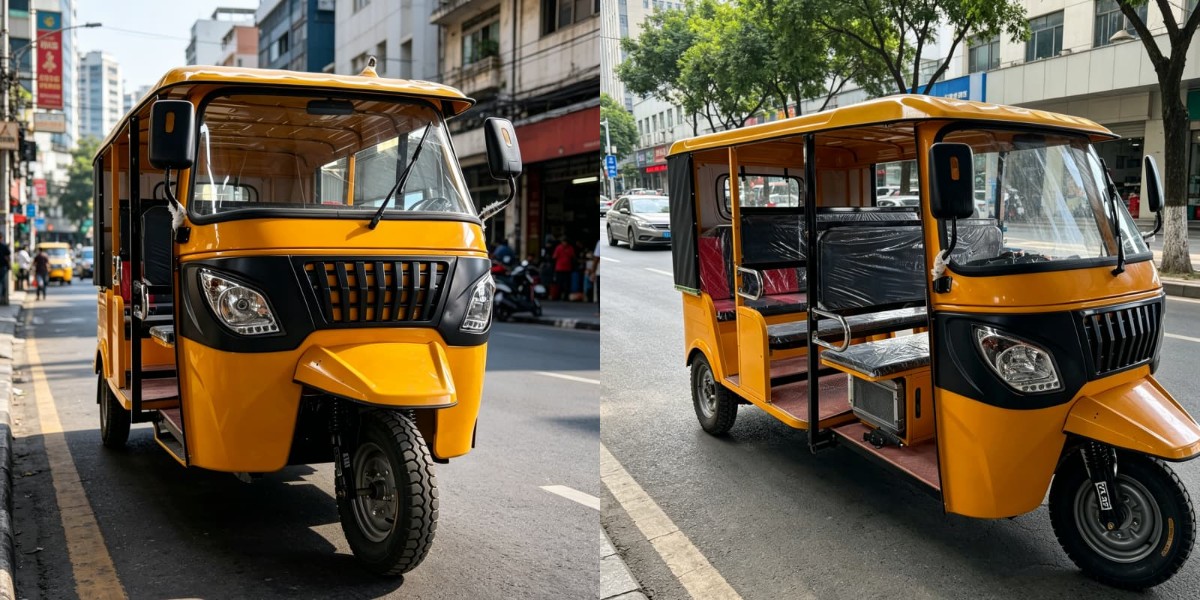
Hotel Tuk Tuk Service Setup in Chiang Mai
The group runs an 80-room property just outside Chiang Mai's main tourist district. The nearest bus terminal and night market sit about three kilometers away — too far to walk in the tropical heat, too short to justify a full-size bus.
They put in a small fleet of three-wheelers with a design speed of 60 km/h to cover that gap. Each unit is built for real guest traffic: three-row seating, a 200cc engine and a 500 kg load capacity. An onboard radio with USB and Bluetooth support lets drivers set the tone on the short hops. Booking is simple: guests sign up at the front desk and can arrange a ride on the spot. Vehicles run from 7 AM to 11 PM without a break, linking the hotel to the transit hub, the main shopping plaza and the night market. The drivers came from motorbike tuk tuk work, then picked up hospitality training so they could double as informal local guides. When a guest arrives at the main bus terminal or train station with heavy luggage, the hotel sends a cargo tuk tuk for the bags while the guest rides in the passenger seats.
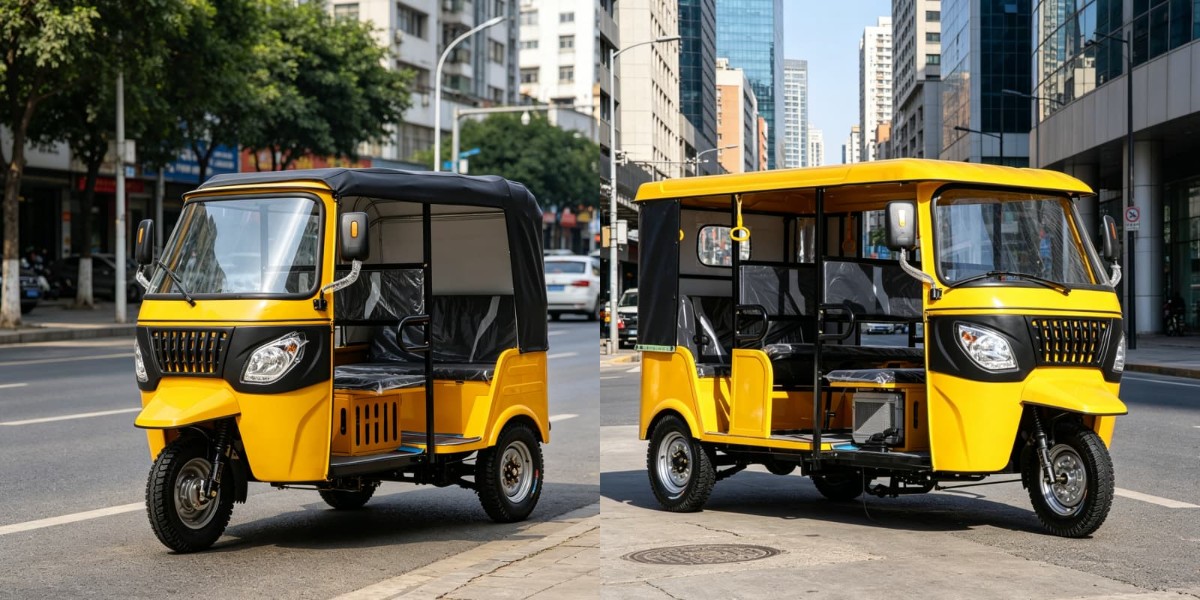
Key Benefits of a Hotel Tuk Tuk Service
Guests feel the difference straight away. No waiting for a big bus to fill: a passenger tuk tuk leaves as soon as you are ready. Because a hotel tuk tuk is compact, it can pull right up to the night market entrance or slip through the narrow "sois" (alleys), something a full-size shuttle could never manage. Riders get an immersive, open-air experience that feels local, and guests consistently love it.
The hotel gains just as much. The fleet costs a fraction of what a commercial minibus does up front, burns far less fuel and is cheap to maintain. Guests keep mentioning the rides in reviews, giving the hotel a massive boost in visibility. A petrol tuk tuk service is inexpensive to run and doubles as a branded memory point.
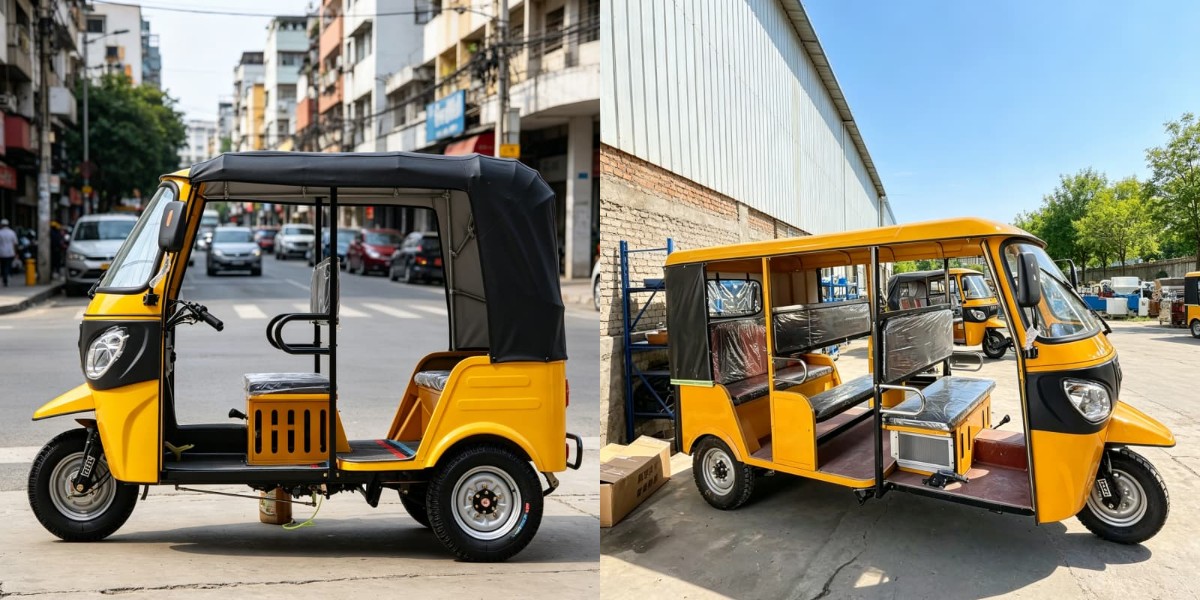
Managing Daily Operations and Taxi Tuk Tuk Safety
No new system runs perfectly from day one. The team behind the hotel tuk tuk service soon found that these vehicles need their own rules. They set strict maintenance schedules and a daily vehicle inspection before every shift to keep things safe and reliable.
A dedicated dispatcher handles the flow of vehicles during the peak check-in and check-out hours so guests never wait long. Old-town traffic rules were the tricky part, so they mapped an approved route that skirts the restricted heritage zones. Every driver also gets a safety briefing and is expected to navigate the narrow alleys cautiously. Every taxi tuk tuk and passenger tuk tuk trip is monitored to make sure drivers follow the safety protocols and local traffic rules.
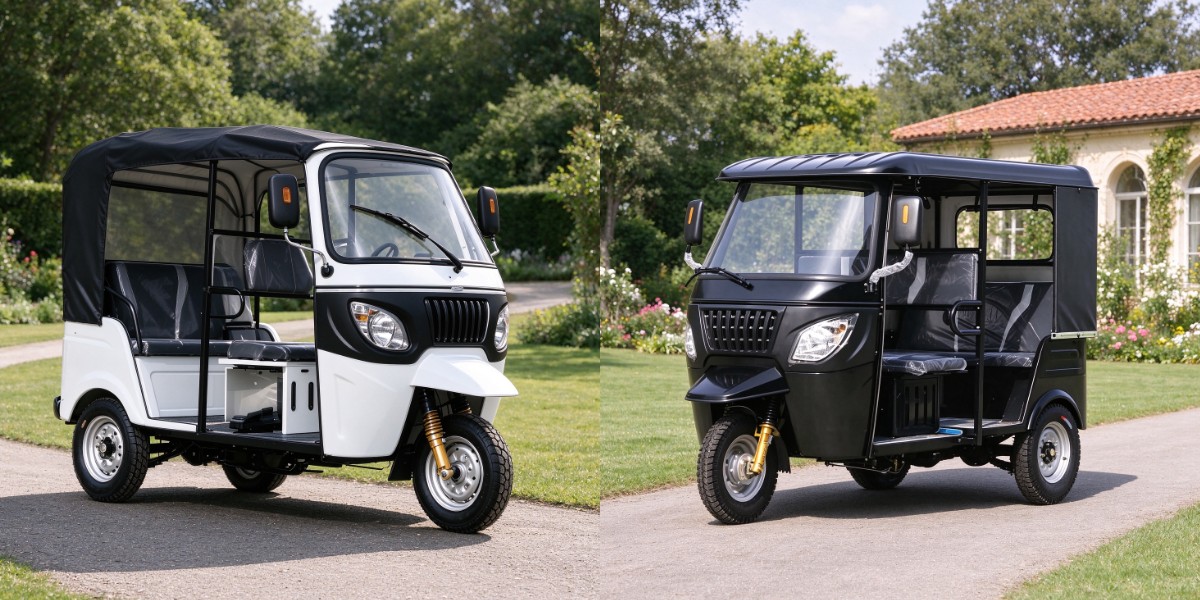
Service Results: Guest Satisfaction Rose 35%
Six months in, the numbers are hard to argue with. Guest satisfaction scores for transportation rose 35%, and online reviews frequently name the rides as a highlight of their stay in Thailand.
This is not a case for scrapping the shuttle bus, which still handles large-group airport transfers better than anything else. A passenger tuk tuk works as a complement: quick, efficient and built for short, frequent local trips. For any destination hotel trying to cut transport costs, lift guest satisfaction and give people something to remember, adding a passenger tuk tuk to the fleet makes solid commercial sense.