
How to Maintain a Gasoline Cargo Tricycle for Reliable Year-Round Performance
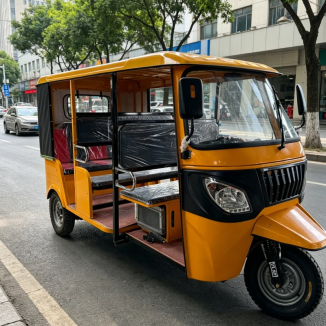
Gasoline-powered three-wheelers now carry short-haul freight across towns, rural markets, and growing urban fringes. For an owner relying on a cargo tricycle to move produce and parcels, an unexpected breakdown means lost income. A water cooled gasoline tricycle on a dusty hill, the same bike on a flat village lane - different roads, same need for care. This guide to gasoline tricycle maintenance is about the checks that keep the engine and frame out of trouble. A fuel tricycle that has been looked after starts on the button.
Daily Walk-Around Checks Catch Problems Before They Reach the Road
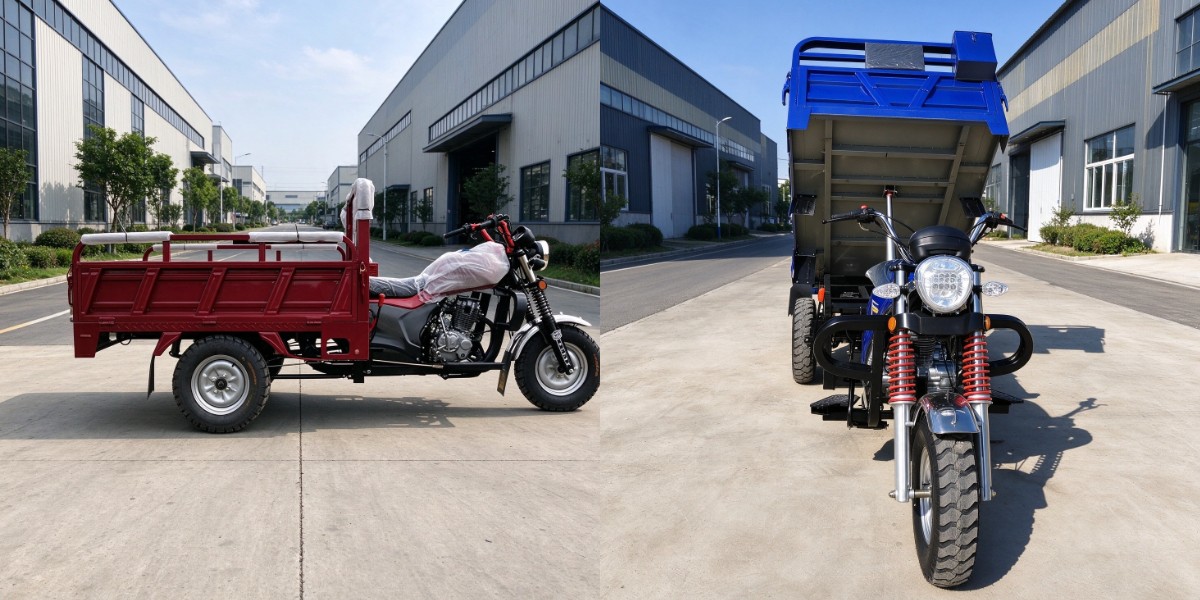
A reliable three wheel cargo motorcycle rarely fails without warning, and a two-minute walk-around usually catches it. Check the oil while the bike stands level - on a slope the dipstick lies. Run a hand along the fuel line; if it feels damp, stop and find out why.
Look at the tyre sidewalls for nails. A nail you can see is a nail you can pull. Brakes on a fuel tricycle coming down a hill with a heavy load need more than a quick squeeze. Listen for scraping, and see whether it pulls to one side when you stop. Lights and the horn matter equally, since a three-wheeler sharing the road with cars must be seen at dusk. After the last delivery, repeat a short check while the machine is warm, when leaks show easily. Operators who record small changes - oil used, a tyre losing pressure, a soft brake - turn guesswork into planned action and protect delivery schedules.
Seasonal Care Shields the Engine from Summer Heat and Winter Cold
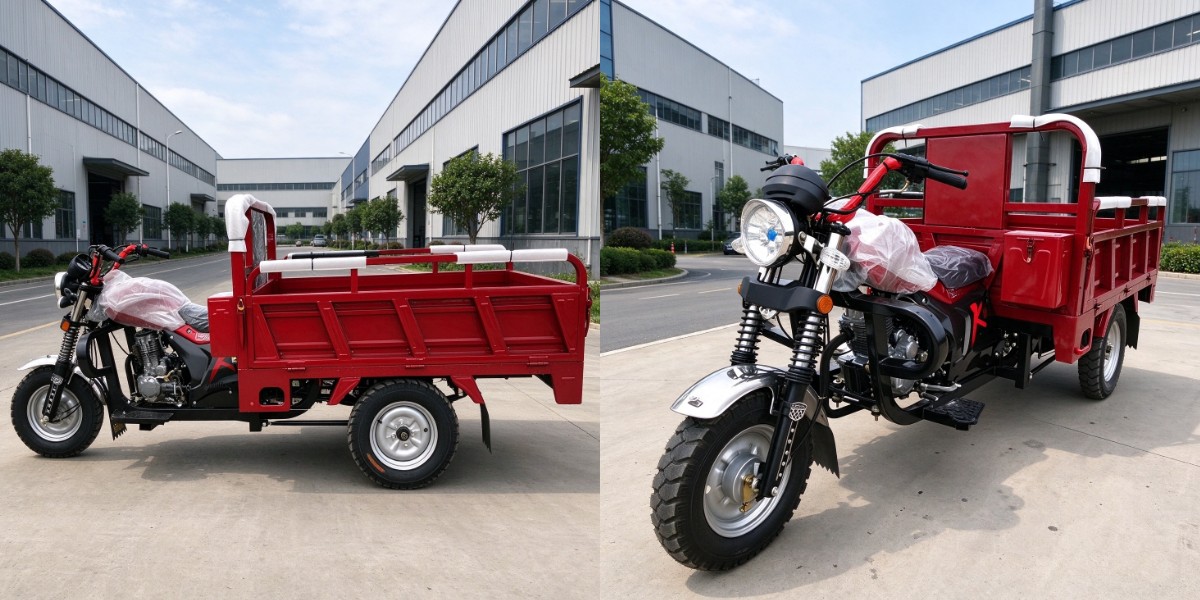
Heat and humidity change what a working three-wheeler needs, so an effective gasoline tricycle maintenance plan follows the calendar. In summer the priority is heat.
On an air cooled three wheeler tricycle, cooling fins around the cylinder head must stay clean; packed with dust, they trap heat and rob power. A soft brush restores airflow in minutes.
Owners of a water cooled gasoline tricycle should check coolant, inspect hoses, and confirm the radiator cap seals before the first hot week. Winter shifts the focus. Cold thickens oil, so a lower-viscosity grade eases morning starts and reduces battery strain. Clean the battery terminals, verify the charge, and disconnect it if the cargo tricycle will sit unused for long. Such a routine costs little and pays back with fewer no-start mornings.
Scheduled Replacement of Wear Parts Prevents Major Repairs
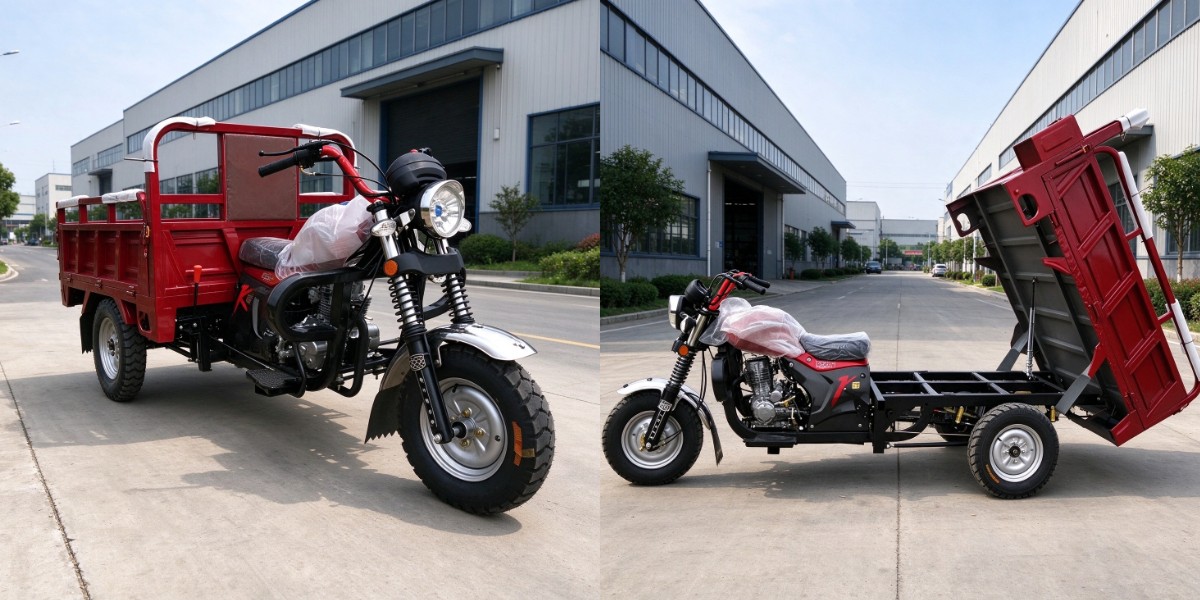
Waiting for consumable parts to fail is the costliest way to run a three wheel cargo motorcycle. Spark plugs gradually foul and widen their gap, until cold starts turn slow and economy slips; a fresh plug restores smooth firing at once. Air, oil, and fuel filters trap dirt that would otherwise score cylinder walls, so replacing them on schedule is among the highest-return tasks in gasoline tricycle maintenance. Clutch plates and brake shoes - they wear at a rate you can predict. Measure them and fit new ones before they hit the limit.
On an air cooled three wheeler tricycle stopping and starting all day in traffic, that day comes sooner than the manual admits. A fuel tricycle on rough building sites may need them sooner than one confined to paved town routes, so intervals should reflect real conditions. Keep genuine spares on hand and log each change with its date and mileage. Planned swaps are cheap; emergency repairs far from the workshop are not.
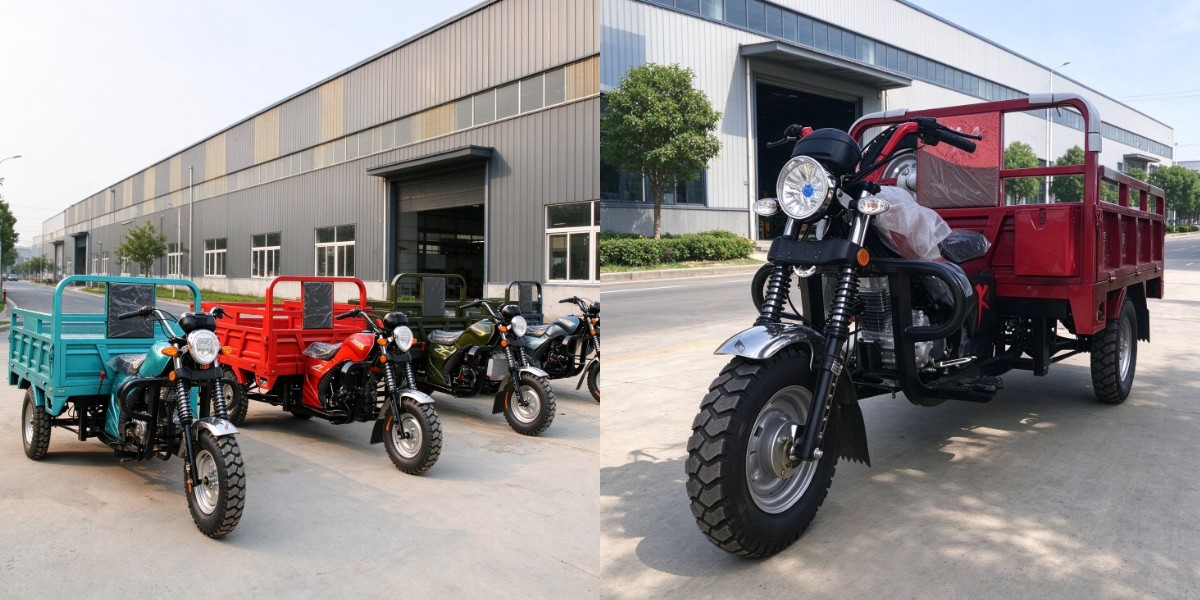
Sensible Use and Overnight Storage Complete the Care Cycle
Good gasoline tricycle maintenance is only half the story; the other half is how the vehicle is used and where it rests. Load it past its rating and something gives - usually the frame, the engine, or the tyres. Take it easy on the throttle and the brakes, and the three wheel cargo motorcycle stays steadier with a tall load. Park it on level ground under a roof if you can. Rain, sun, and dust do more damage to paint, rubber, and wiring than the miles do. A covered fuel tricycle also starts easier in the morning.
Check it, adjust it for the season, swap the worn parts on time, use it sensibly. That is all there is to it. Fewer trips to the workshop, less money spent, a vehicle that works all year.