

How an Indian Manufacturing Facility Used Gasoline Motor Tricycles for On-Site Operations
Large Indian manufacturing campuses span dozens of acres, making short-haul material movement a daily challenge. At a mid-sized plant in western India, supervisors relied on hand trolleys and a few forklifts, but trolleys were slow and labour-heavy while forklifts were expensive on rough internal roads and unable to enter narrow aisles.
Seeking a practical alternative, the facility adopted the gasoline motor tricycle. A cargo tricycle motorcycle is compact and inexpensive to buy, a heavy duty gasoline cargo tricycle carries loads that would exhaust a handcart, and an open body cargo tricycle simplifies loading mixed goods.
The plant chose a 175cc cargo tricycle for daily general handling and heavier runs across the site. This article reviews how the vehicles were deployed and the results recorded.
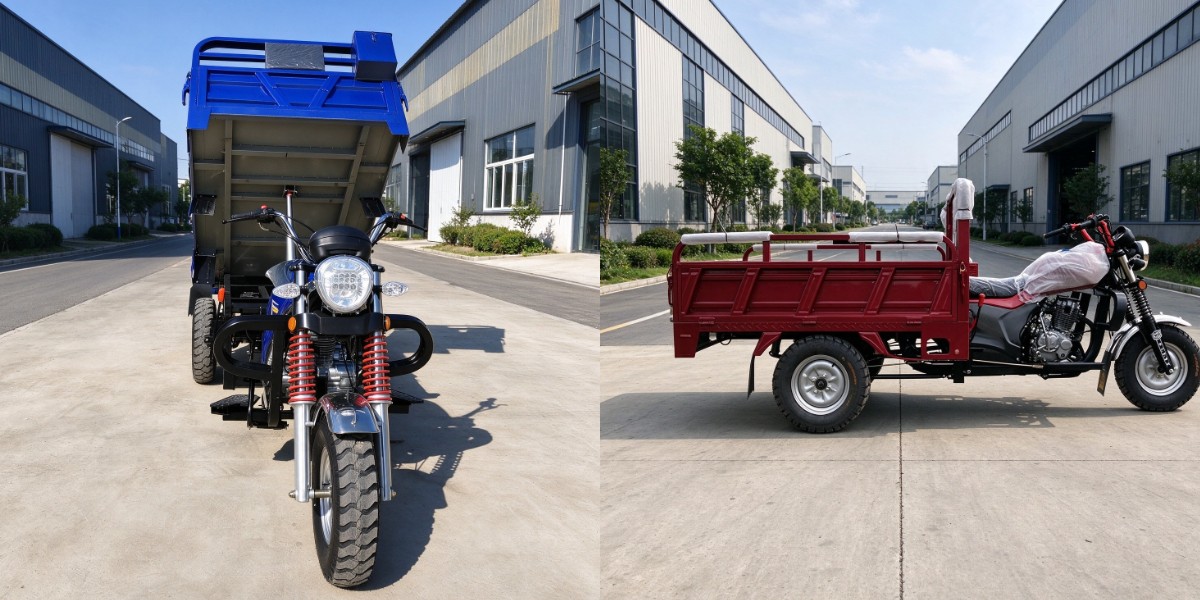
Lower Cost, Road Adaptability and Load Flexibility Drove the Choice
Internal logistics falls into three streams: components from the goods-in store to assembly lines, scrap and waste to a collection yard, and tools and spares to maintenance teams. Forklifts handled heavy pallets but needed trained drivers and smooth surfaces, and their costs were hard to justify for small trips. Hand trolleys were cheap but slow on uneven concrete and relied on worker effort. The vehicles cost a fraction of a forklift, handle rough roads and need only brief training. The open deck accepts awkward shapes, giving the plant load flexibility a fixed-platform cart cannot match.
After comparing options, managers standardised on the heavy duty gasoline cargo tricycle for bulk moves and kept a cargo tricycle motorcycle for the lighter, high-frequency rounds. The 175cc model fits energy-saving LED lamps for early shifts.
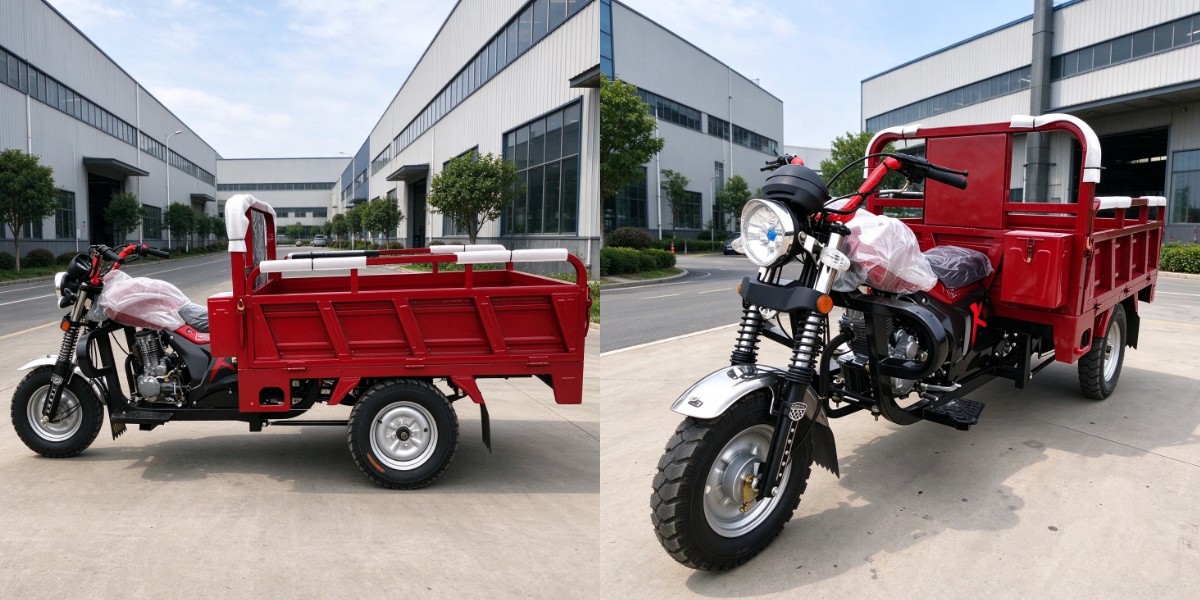
Fixed Routes and Scheduled Shifts Kept Material Flowing
The plant divided its grounds into three fixed loops, each served by a scheduled shuttle rather than on-demand requests. Two drivers cover the morning shift and two the afternoon, with a short handover that includes a fuel and tyre check. Because the open body cargo tricycle loads from the side or rear, warehouse and line teams use pallet jacks and manual stacking, keeping each stop under ten minutes.
The 175cc cargo tricycle handles the longer route between the outer godown and the press shop, while a gasoline three wheeler runs between tool cribs and assembly stations. Drivers log each trip in a register that supervisors review to adjust frequencies when volumes change. This routine links the vehicles to warehouse dispatch and line-side consumption, reducing the chance of a station running dry.
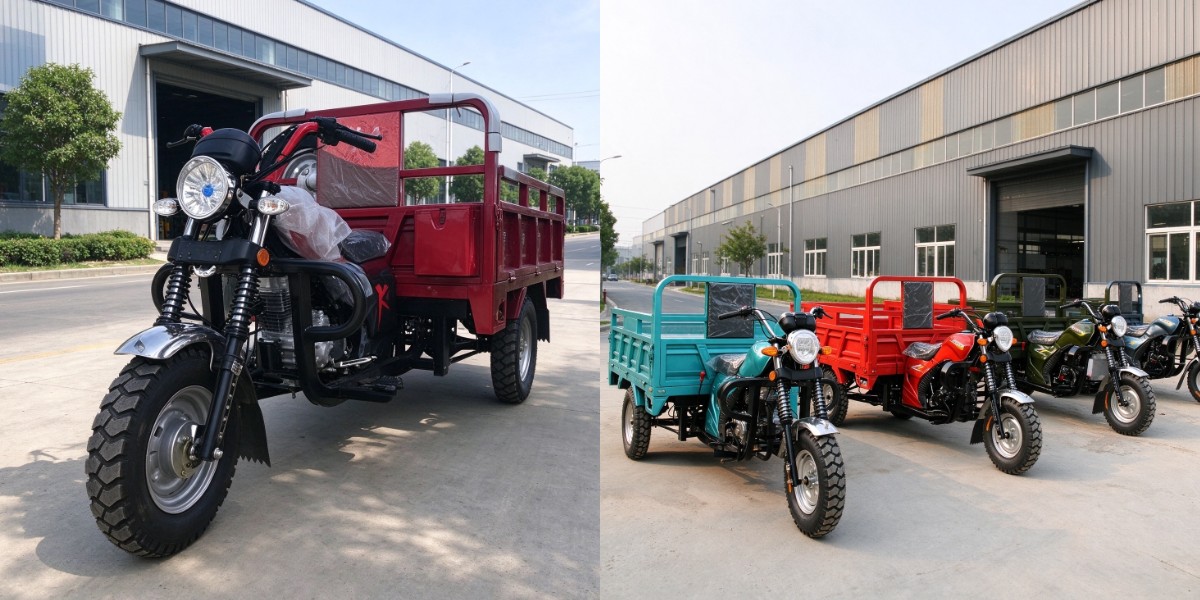
Turnaround Time, Cost and Line Continuity All Improved
Over six months, the transport team reported shorter material turnover times: components that once took forty minutes to reach the line now arrive in roughly twenty. For bulk loads, one gasoline three wheeler replaces several handcart trips.
Short-haul logistics costs fell because the vehicle uses less fuel than a forklift and needs no dedicated driver certification. LED energy-saving lamps let the fleet work before sunrise and after dusk.
Line continuity improved, with fewer stoppages from missing parts, and the heavy duty gasoline cargo tricycle covered bulk runs that once required a forklift. The 175cc cargo tricycle recorded the highest utilisation on the outer loop, and supervisors used trip logs to fine-tune schedules as order volumes rose.
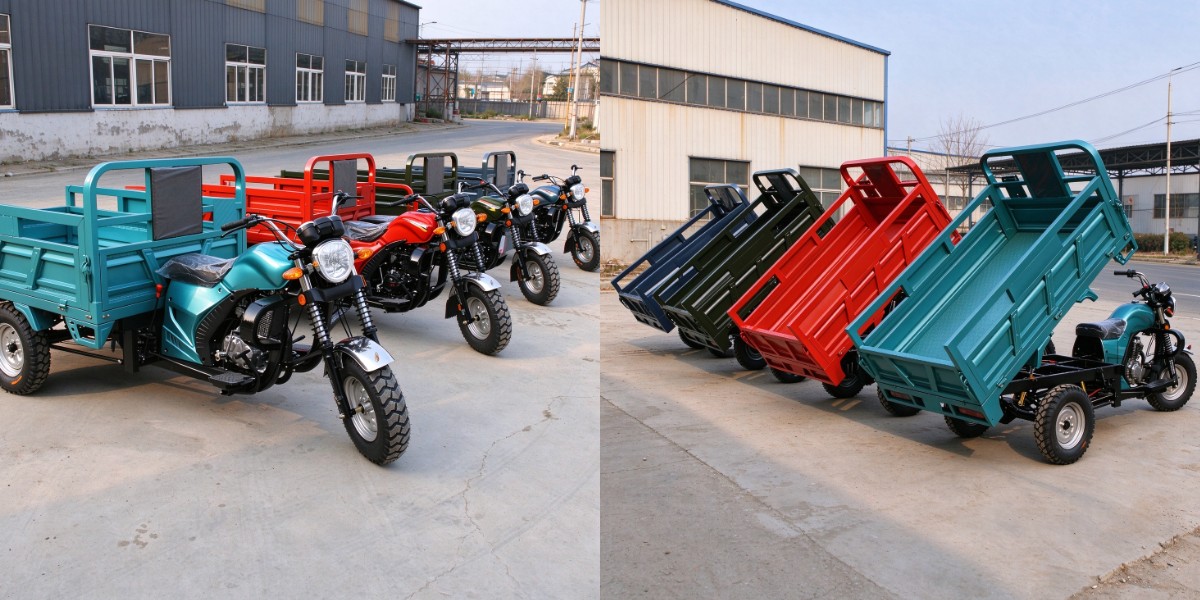
A Low-Cost Local Fit With Clear Standards for Future Fleet Growth
For this Indian facility, the 175cc cargo tricycle proved to be a low-cost, locally adaptable answer to internal transport, provided routes and loads are planned carefully. The plant now documents service intervals for every 175cc cargo tricycle and is evaluating electric variants for a planned pilot.
LED lamps and the open cargo deck have become standard specifications for future purchases. Managers also plan better lane markings and driver training as the fleet grows, building on the trip records already in use.
For small and medium manufacturers with similar space and budget limits, the case suggests that an open body cargo tricycle can bridge manual labour and expensive mechanised handling, keeping material moving close to the line.