

Why Are Vegetable Distributors in Bangladesh Choosing Gasoline Cargo Tricycles?
Before dawn, vegetable markets in Bangladesh wake in a rush. Baskets of spinach and tomatoes are sorted and loaded onto small three-wheelers. Three facts shape this rhythm: farms are scattered across villages, roads are narrow and muddy, and leafy produce has a selling window measured in hours. Carts are too slow and large trucks cannot enter the bazaar lanes.
For our customer, a vegetable distributor supplying markets outside Dhaka, the answer has been the gasoline cargo tricycle. He calls his petrol cargo tricycle the only vehicle that works in field and stall. A transport tricycle, to him, is a machine that starts at four and earns until dusk. His farm gasoline cargo tricycle is not about fuel loyalty. It turns perishable produce into a dependable income.
Reliability First: When Charging Networks Fall Short
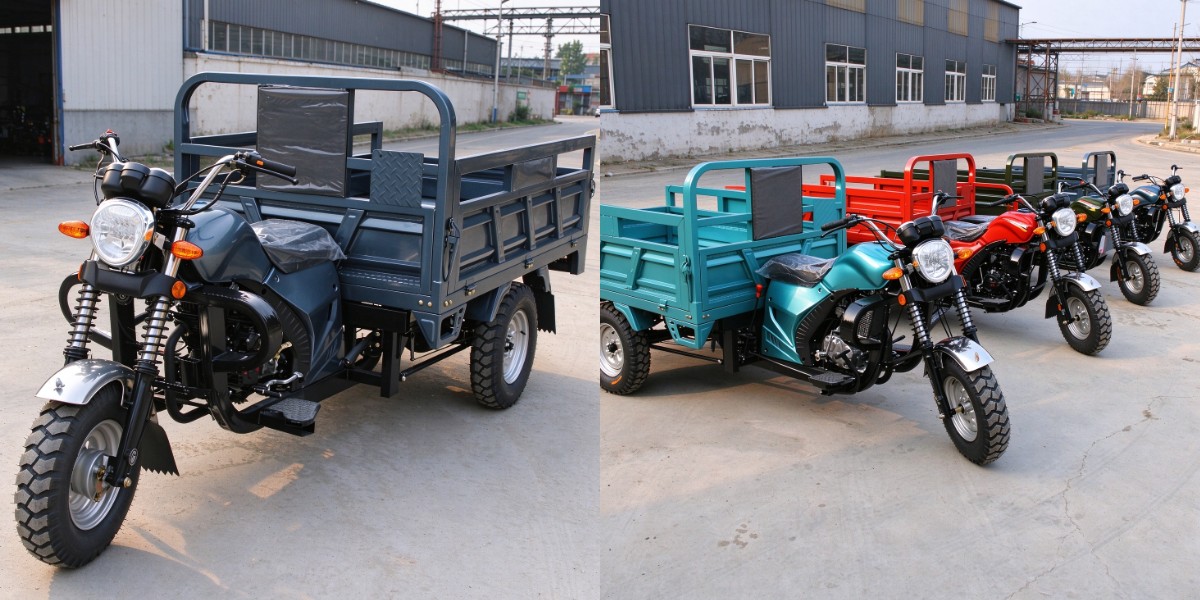
A vehicle earns its keep only if it reaches the fields. Here that means unpaved tracks, muddy shoulders and alleys barely wider than a doorway. A motor tricycle wins on footprint: it threads through gaps that stop a four-wheeler and turns where a van cannot. Our customer collects from smallholders along village roads, where his agricultural transport gas tricycle is often the only motorized vehicle before sunrise. The LED energy-saving lamps light those early loading runs without draining the battery.
Potato sacks and tomato crates go straight onto the flat deck, and a commercial gasoline cargo tricycle can be reversed up to the grading table, cutting harvest-to-sale time. With a top speed under 60 km/h and a high-low speed lever, the driver can crawl through crowded lanes and still hold a steady pace on the open road. He makes several short hops between farms and stalls, a pattern that suits a gasoline cargo three wheeler far better than a highway truck. The result is fewer delays, less damage and fresher produce on the shelf.
Low Cost, Fast Refuelling, No Charging Anxiety
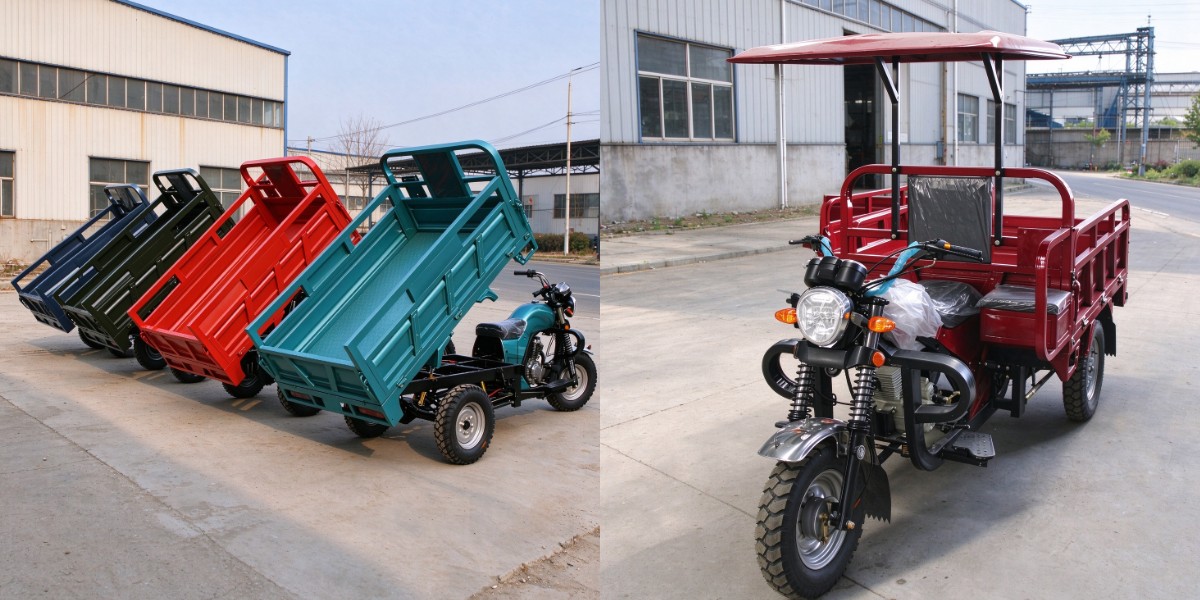
Small distribution runs on thin economics. A trader needs a vehicle that is affordable, cheap to maintain and ready. A petrol cargo tricycle costs a fraction of a truck, and spare parts are found in every roadside workshop. Fuel is the bigger advantage. Petrol stations are everywhere, so topping up takes minutes and the vehicle covers a full day of trips without planning around a power socket.
Electric models make sense in cities with reliable charging, not where the grid is weak. Our customer starts his farm gasoline cargo tricycle before sunrise, refuels at midday and delivers into the afternoon. A gasoline cargo three wheeler removes the fear of a dead battery halfway through a run. In peak season, when vegetables must move quickly for better prices, that freedom becomes earnings. A machine that is always ready out-earns one waiting for a charge.
Reliability Beats Infrastructure
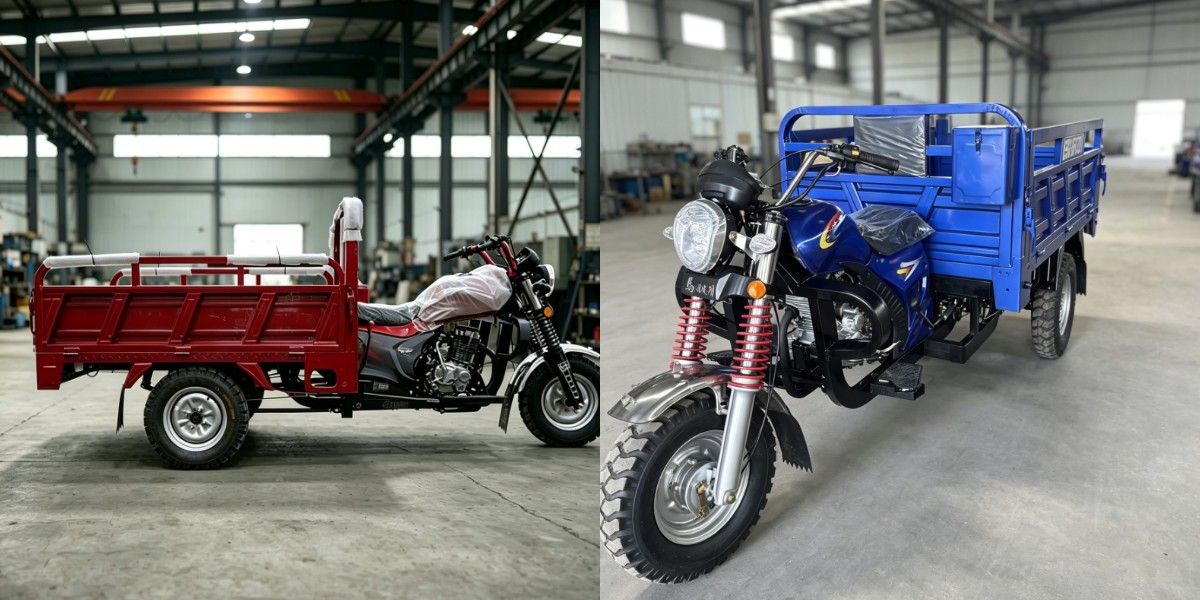
Distributors in Bangladesh are not ignoring newer technology; they are answering a different question. With frequent power cuts and few chargers on village routes, the priority is a vehicle that starts every morning and can be fixed locally. Income comes first, so dependable capacity beats theoretical efficiency.
Our customer considered electric, but the nearest charger was a long round trip and one rainy day would ruin his schedule. He stayed with the option that keeps his produce moving. An agricultural transport gas tricycle fits the way he works: simple to run, quick to refuel and easy to repair. For him the choice is clear between a motor tricycle that starts every morning and one that might not. Traders choose a commercial gasoline cargo tricycle because the alternative is lost produce and missed windows. Where infrastructure is thin, reliability is the condition of doing business.
What This Choice Says About Fresh Logistics
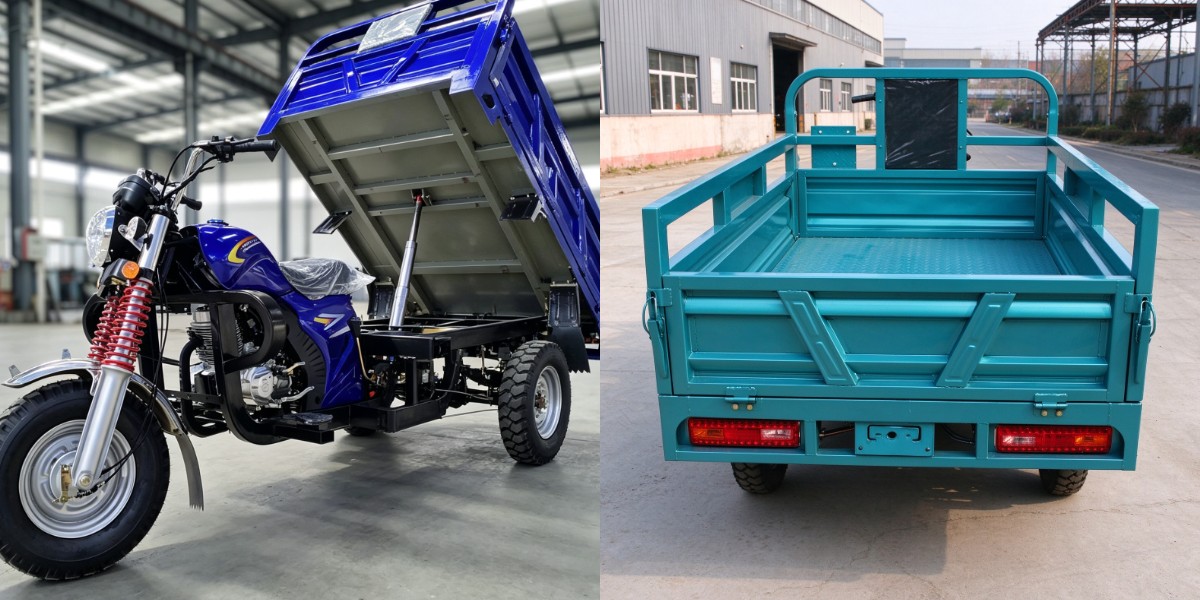
One distributor's story reflects a wider pattern. The shift toward small gasoline haulers is not simple fuel preference. It is the combined result of perishable goods, difficult road geometry and limited infrastructure. Where farms are fragmented and produce must move within hours, a farm gasoline cargo tricycle offers the right balance of size, load and endurance.
Where charging is sparse, an agricultural transport gas tricycle runs without a schedule. And where margins are slim, a gasoline cargo three wheeler delivers a predictable cost per trip. For our customer it paid off: more stalls, less spoilage, confident deliveries. The lesson is that logistics must fit local conditions, not a global script. The familiar petrol option is not the old way of doing things. It is simply the way that works.