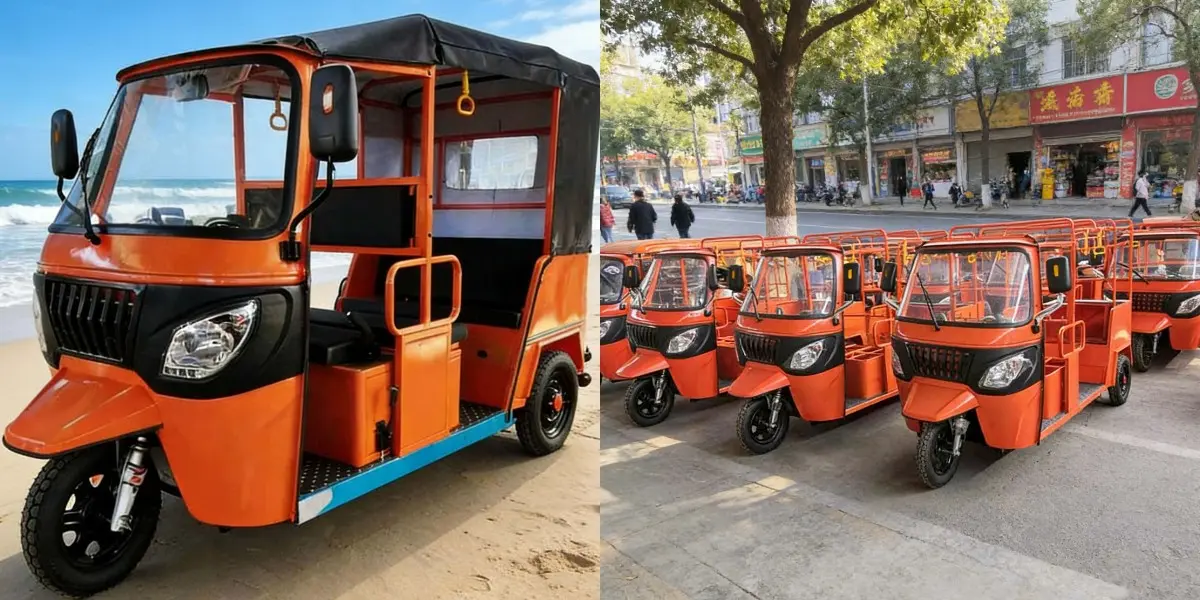

High Loading Cargo Tuk Tuk: The Lifeline Saving Kenya's Rural
The Grind of the Daily Grind
Let’s cut to the chase: transporting stuff in rural Kenya isn’t easy. Just ask any farmer. Seven out of ten roads are nothing but rutted dirt tracks. When the rains come, they turn into slippery mud pits that trap regular trucks and vans uselessly.
The Game Changer: Built for the Job
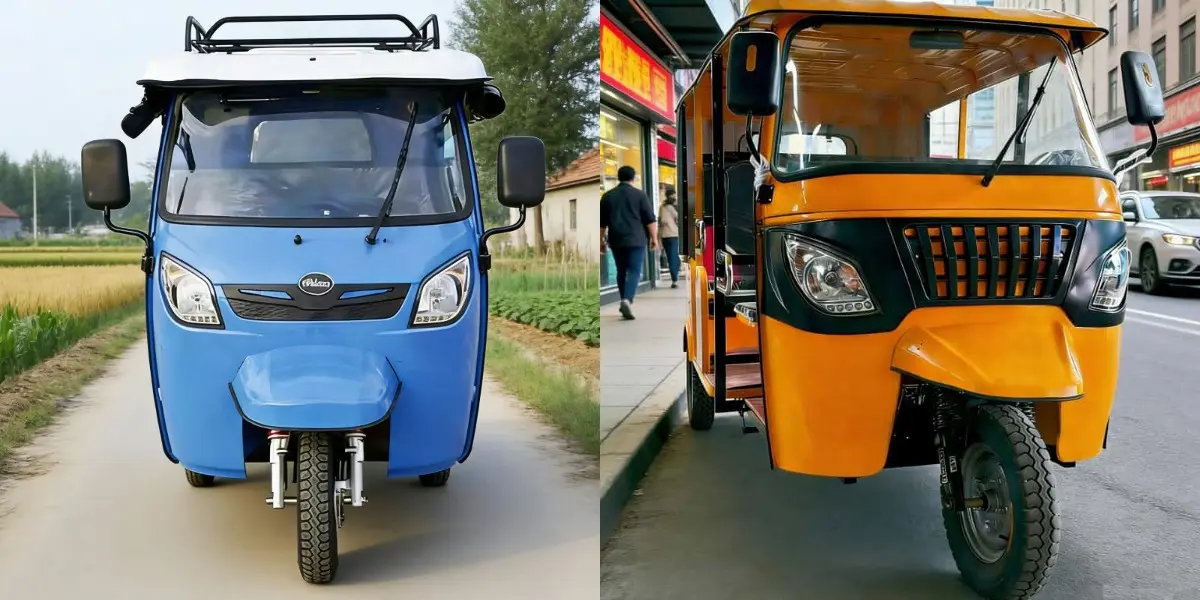
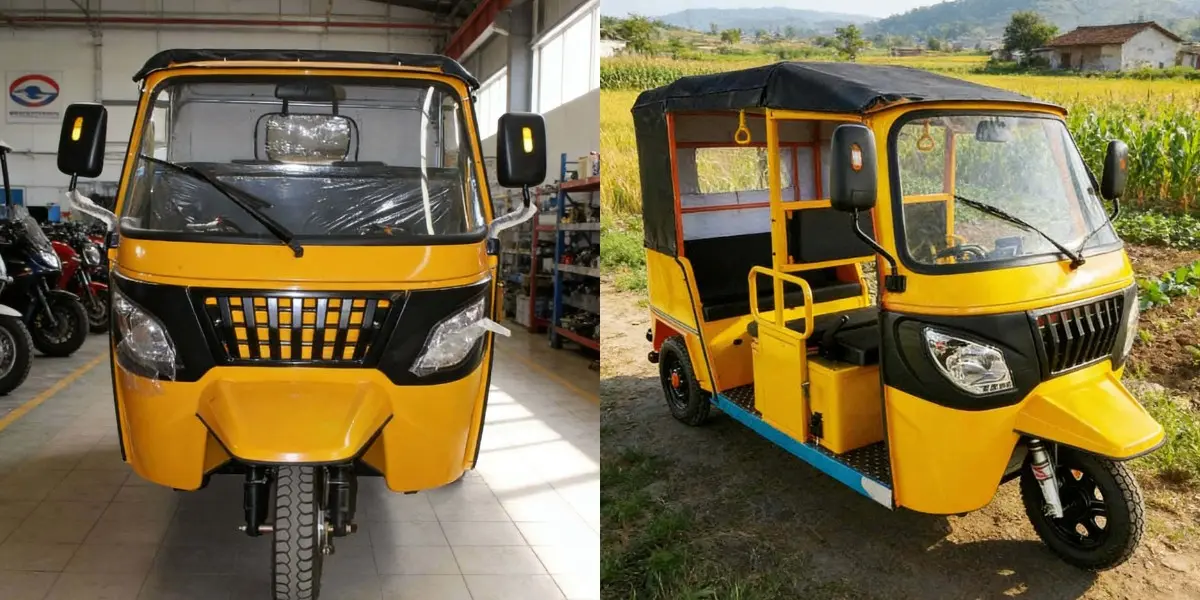
That’s where the high-loading cargo tuk tuk comes in. This isn’t some modified taxi meant for zipping around town. Unlike regular tuk tuks, this one is designed for torque. Its engine pulls strong, even when fully loaded. Best of all, it’s cheap to run and fix. Any local mechanic can work on it; no fancy imported parts needed. For a driver, it’s a dream come true, making roughly double what a boda boda rider can make per day.
Why It Beats the Rest
Let’s compare it to other options out there:
Pickup Trucks: They’re great on asphalt, but in the mud? They’re stuck. And they cost a fortune to buy and fuel.
Boda Boda: Fast and cheap, but you can only carry a small load. It’s like trying to move a fridge on a skateboard.
Animal Carts: They work, but they’re slow. You need to feed and care for the animals, and they can’t go far.
The cargo tuk tuk? It’s the middle ground that actually fits the job. It’s affordable, it’s tough, and it goes where other vehicles can’t.
Wrapping It Up
At the end of the day, this isn’t just about a three-wheeled vehicle.
The high-loading cargo tuk tuk isn’t just solving a problem—it’s building a future. For rural Kenya, this is the real deal. It’s not a concept. It’s a vehicle that’s actually out there, every single day, moving people, hope, and progress forward.