

150 Custom-Built Tuk-Tuks Shipped to Ghana: Solving Urban-Rural Mixed Transport Challenges
This morning, under overcast skies at Tema Port, 150 brand-new auto rickshaws rolled onto the MV Atlantic Trader. They’re not the generic Asian imports you see everywhere—these were built specifically for Ghana. And in 26 days, they’ll hit the roads connecting Kumasi’s markets to remote farming villages, fixing a transport crisis that’s plagued local operators for years.
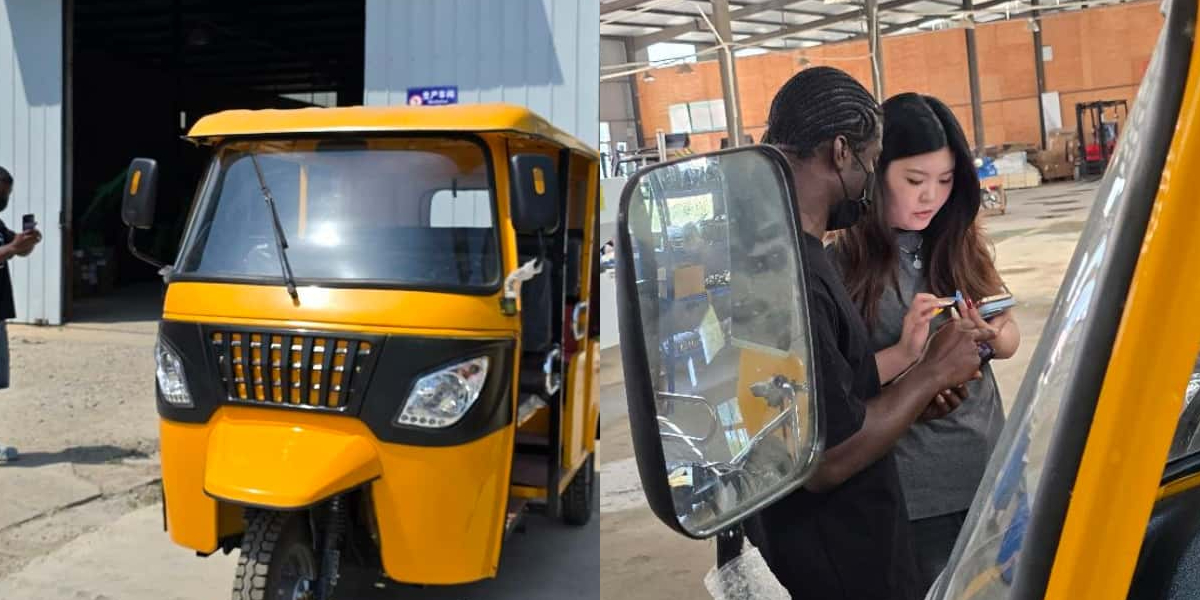
We Didn’t Adapt Our Vehicles—We Built Them For Ghana
The customer’s list of demands wasn’t fancy. It was just what every Ghanaian driver wishes their tuk-tuk had:
Tough enough to handle potholes that can swallow a tire, and the overloading that comes with carrying 6 passengers plus sacks of produce
Good enough gas mileage to actually turn a profit with fuel prices where they are
Won’t rust to pieces after one rainy season
Parts you can buy at any spare parts shop in Kumasi, no waiting 3 weeks for imports
High enough off the ground to drive through flooded roads when the rains hit hard
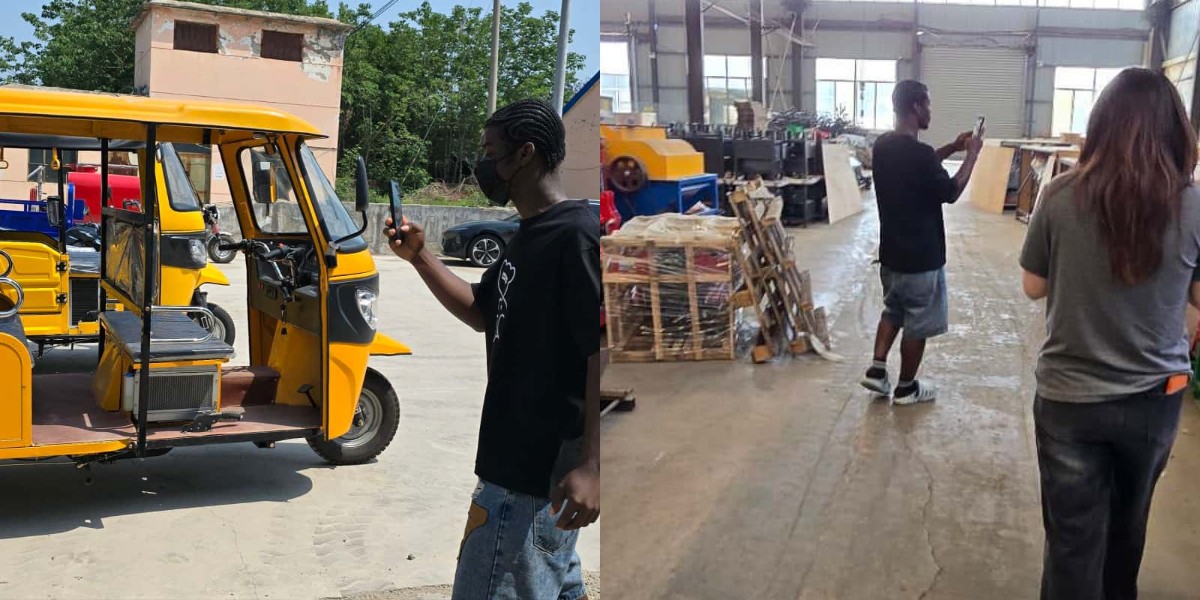
Their Mechanics and Drivers Built This Fleet With Us
We didn’t just send them a spec sheet. We built an entire test track at our factory that copies exactly what they drive on every day: muddy red dirt from the Volta Region, potholed gravel roads from the Ashanti Region, and stop-and-go traffic straight from downtown Accra.
Then they sent their own people to test them. Two master mechanics with 17 years combined experience fixing tuk-tuks, and three drivers who’ve spent their entire careers on Ghana’s roads. For 14 straight days, they beat the hell out of our prototypes. And every time something broke or didn’t work right, we fixed it. Right there on the spot.
Here’s what we changed:
The original suspension couldn’t handle 400kg loads on gravel. We swapped in heavy-duty shock absorbers and jacked up the ground clearance from 150mm to 180mm. Then they drove it 500km straight with a full load. Not a single crack, not a single loose bolt.
Our 125cc EFI engine already got great mileage, but we recalibrated it specifically for Ghana’s lower-octane gas. No more engine knocking, no more burnt valves. Final numbers: 36km/L in the city, 40km/L on the highway. That’s 15% better than what they asked for.
Every single steel part now gets three layers of rust protection: electrophoresis, zinc primer, and powder coating. It passed 1000 hours of salt spray testing. We also swapped in stainless steel exhaust pipes and fully waterproof electrical connectors—no more dead batteries after a heavy downpour.
We redesigned 23 of the most common wear-and-tear parts to be 100% interchangeable with what’s already sold in Kumasi’s spare parts markets. To prove it, their lead mechanic did a full engine tune-up in 1 hour and 45 minutes using nothing but a basic socket set.
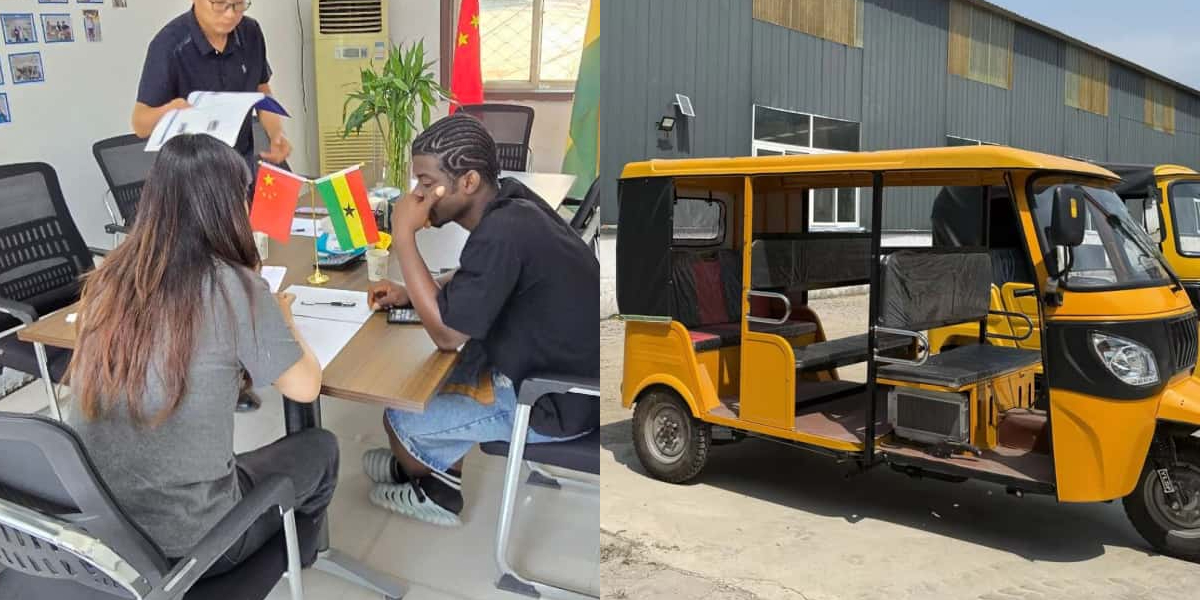
“These Will Pay For Themselves In 14 Months”
When the final test was done, they paid us in full that same day.
“For years, we’ve thrown good money after bad on generic tuk-tuks that fall apart as soon as they hit our roads,” said Ama Serwaa, their Fleet Manager. “These are the first ones that actually feel like someone who drives in Ghana designed them. The old ones rusted through in 18 months. These will last 5 years minimum. The fuel savings alone will pay for each vehicle in 14 months. And no more waiting three weeks for parts to come from China. Our drivers are already fighting over who gets the first ones.”
They’re already planning to order another 200 units next quarter.
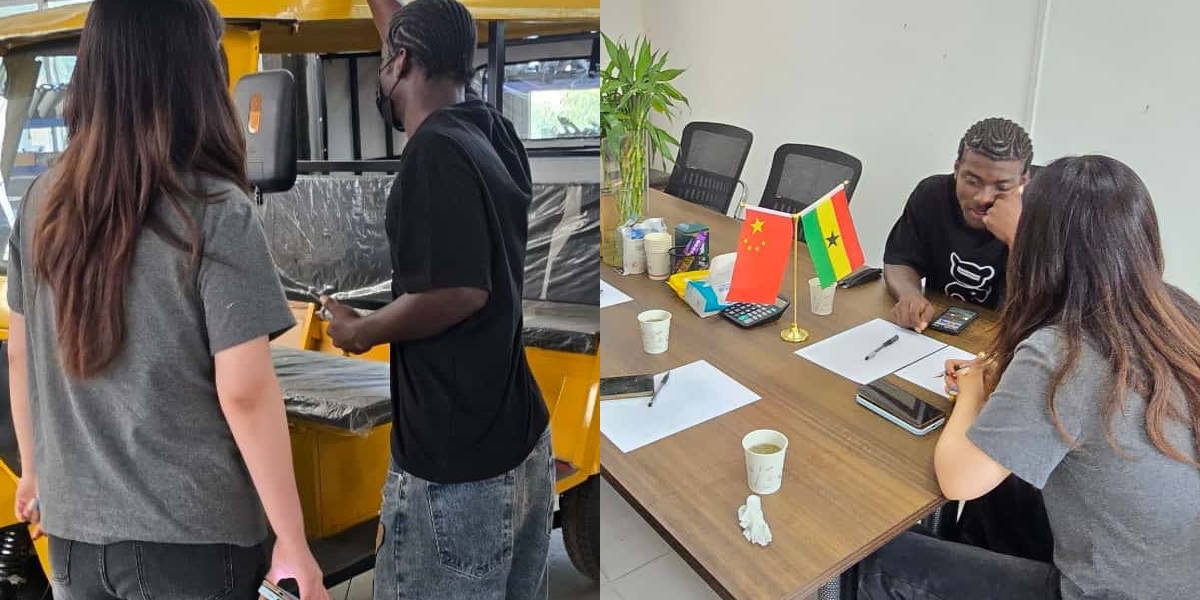
Why Operators Keep Choosing Us Over Everyone Else
We’ve been selling tuk-tuks in Ghana for 7 years. We don’t just ship vehicles here and disappear. We live here. We drive on these roads. We talk to drivers every single day. That’s why our vehicles work when others don’t:
Every design change comes from real feedback from Ghanaian operators, not engineers sitting in an office halfway across the world
Every customer gets to test and modify their vehicles before they ship. No surprises.