

Electric Tuk Tuk Saves Fuel Cost for Daily Commute in Southeast Asia
Bangkok's streets are always a mess—horns blaring nonstop, motorbikes weaving in and out like crazy, and that constant rattle from the old LPG auto rickshaws puttering down every side alley.
Somchai's 42, been driving a taxi tuk tuk for 15 years now, and that noise, that chaos? It used to come with a huge financial weight.
But since he switched to a commercial electric tuk tuk earlier this year? Things have turned around—way better, and way more than he ever expected.
"I don't just save on gas, y'know?" he says, wiping sweat off his forehead while he parks his 3 wheel electric tuk tuk near a busy market. "I actually get to keep more of what I make. This solid electric auto rickshaw is the difference between barely scraping by to pay bills and actually having money to send home to my family."
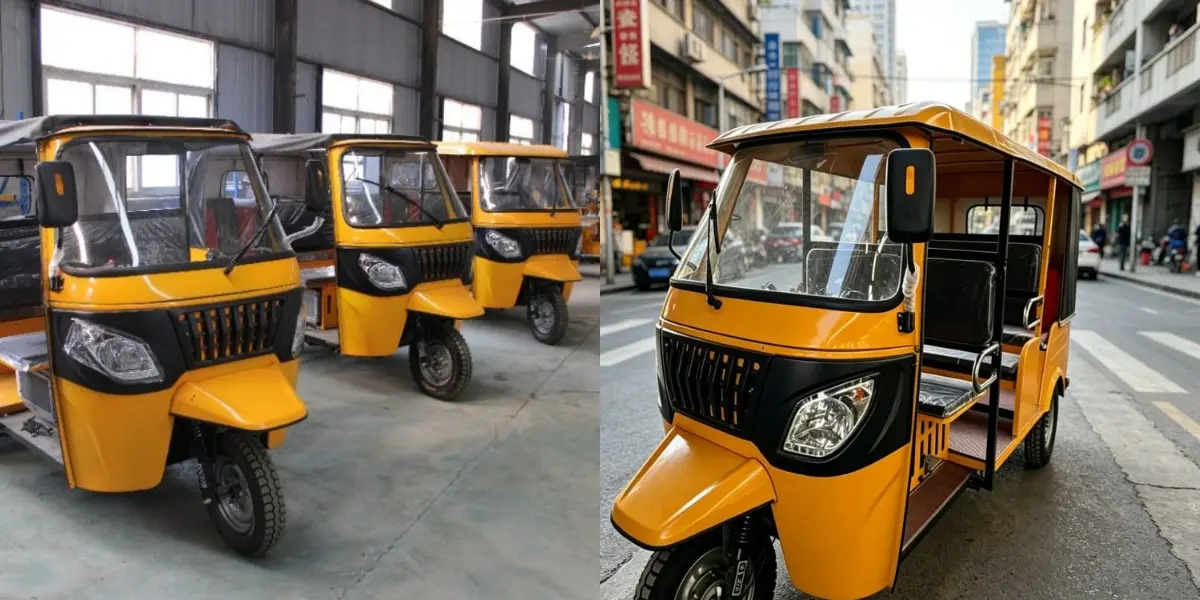
Let me put it this way—traditional passenger tuk tuks have been the go-to for getting around Southeast Asian cities as long as I can remember. But over the past year, with global oil prices shooting up over $90 a barrel, drivers like Somchai have been squeezed tight. Fuel wasn't just an expense—it was eating up nearly 40% of their daily earnings, and there was nothing they could do about it. Total dead end.
"Before, I'd drop 6,000 baht every month on LPG for my old LPG auto rickshaw—that's around $170," Somchai says, leaning up against his 3 wheel electric tuk tuk. "That's not pocket change, not here. I'd work 12 hours a day, six days a week, and still barely have enough to cover rent and food, let alone put anything aside for emergencies. A friend told me about commercial electric tuk tuks, and I was skeptical, honestly. I thought they'd be flimsy, or that charging would be a total hassle. But I was desperate—had no other choice—so I gave this electric auto rickshaw a shot."
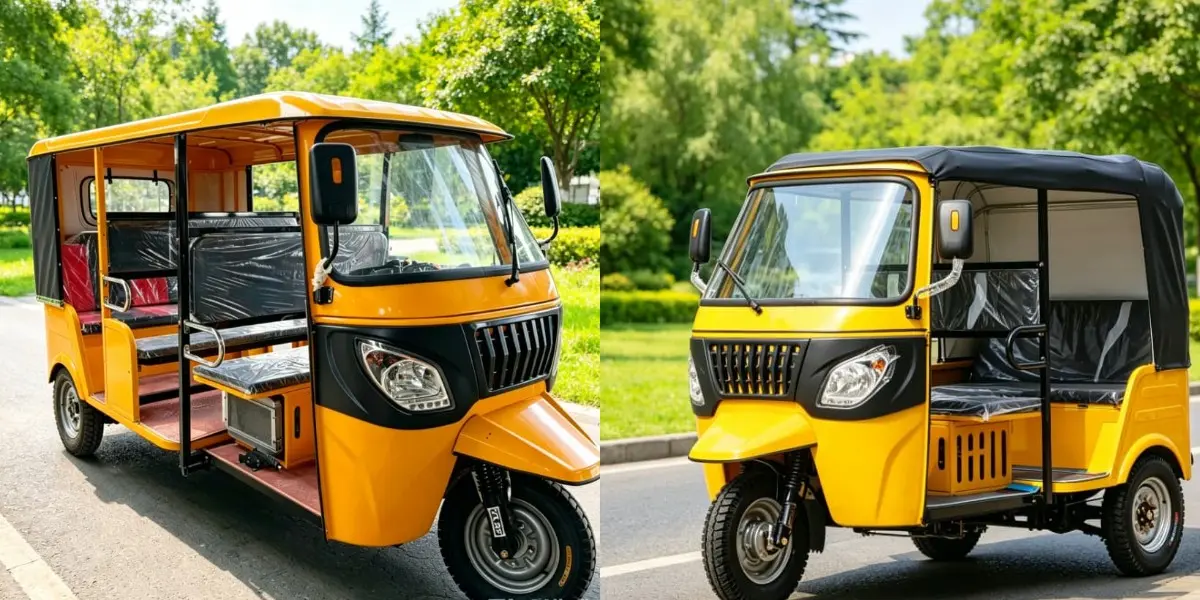
Then the electric tuk tuk came along—and let me tell you, it’s been a total game-changer. No fancy words, just facts. Somchai went with a TukTuk Electric, one of the first electric ride-hailing three-wheelers in Thailand. He says he felt the difference the very first day.
“I used to stop at the gas station at least twice a day, waiting in line, wasting time I could be making money. Now? I charge my tuk tuk overnight at home. Costs just 80 baht—less than $2.50—and that’s enough to get me through a full day of driving, about 120km. No more waiting around, no more coming home smelling like gas fumes. And the savings? They’re insane, man. Insane.”
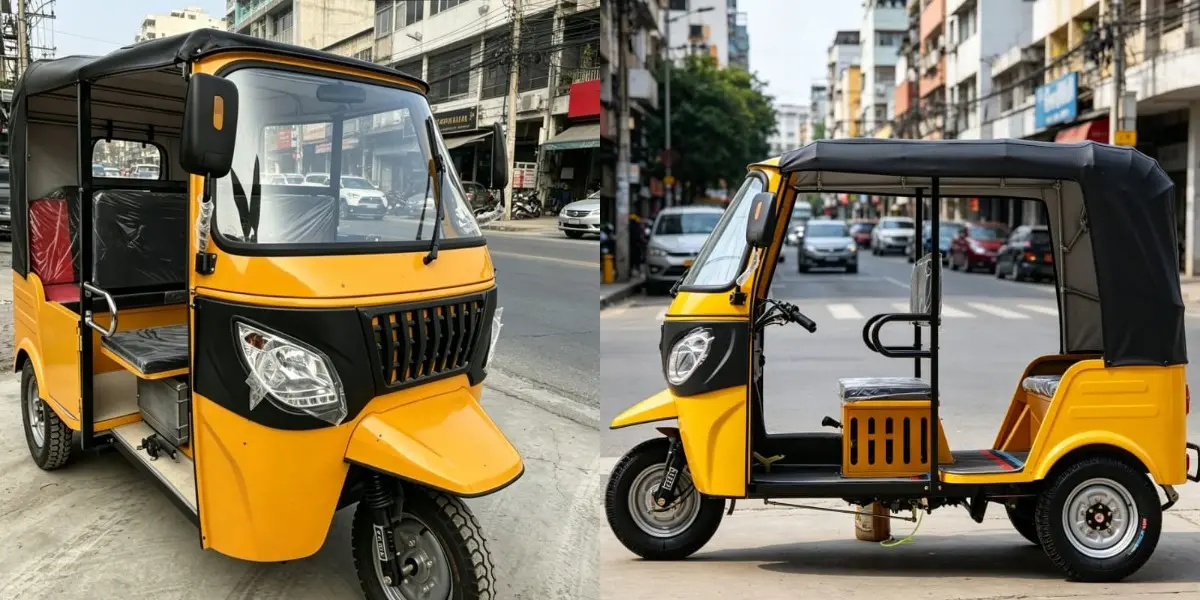
Let’s get real about the numbers—no fancy, over-the-top tables, just straight-up what Somchai told me. With his old LPG tuk tuk, he spent 6,000 baht a month on fuel, plus another 1,200 baht on maintenance—oil changes, spark plugs, engine repairs, all that stuff. Total? 7,200 baht, around $205. Now, with the electric one? He spends 1,400 baht a month on charging, and only 300 baht on maintenance—electric motors have way fewer parts that break, y’know? That’s 1,700 baht total, $48 tops. So he’s saving 5,500 baht a month, $155. That’s real money—money he can actually use, not just throw away on gas.And this isn’t just Thailand. I’ve talked to drivers all over Southeast Asia, and their stories are almost the same. Same struggle, same relief once they switch to electric.
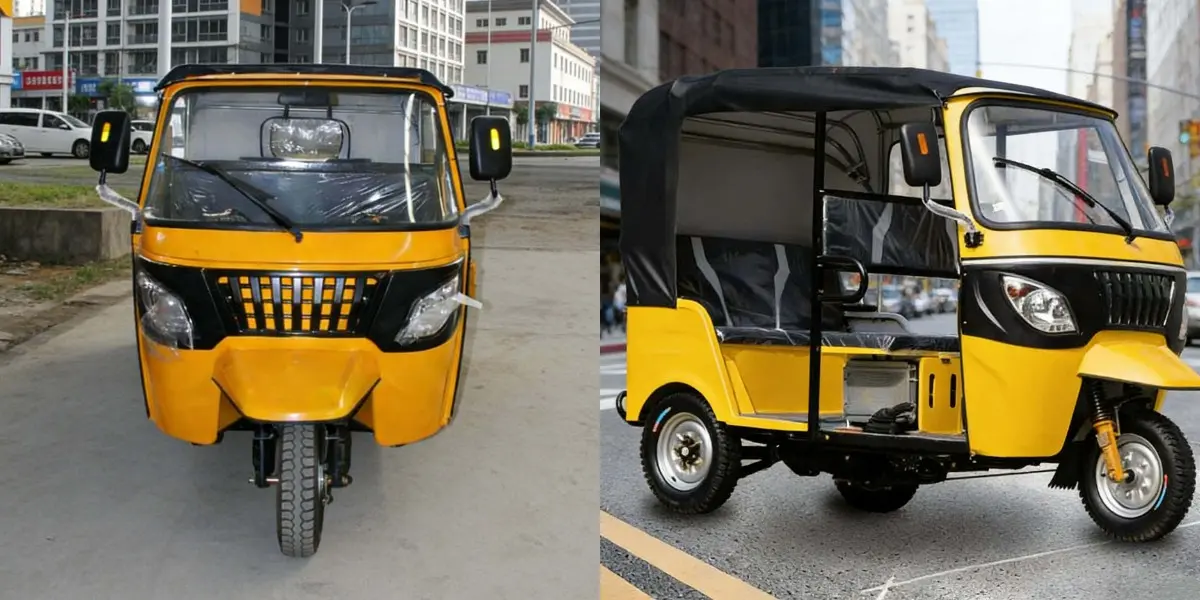
The fuel savings are huge, but there’s more to it than that. Electric tuk tuks are way cheaper to fix. Think about it—electric motors have 90% fewer moving parts than those old gas engines. So no more oil changes, no more replacing spark plugs or exhaust systems. That’s hundreds of dollars saved every year, easy. Money that stays in their pockets, not the mechanic’s.And unlike gas prices, which go up and down like a rollercoaster one week it’s low, the next it’s through the roof—electricity rates here stay pretty steady. Drivers can budget better because they know exactly how much they’ll spend on charging each month. No more waking up to a news story about rising oil prices and panicking about how to pay for fuel that week. It’s a weight off their shoulders.
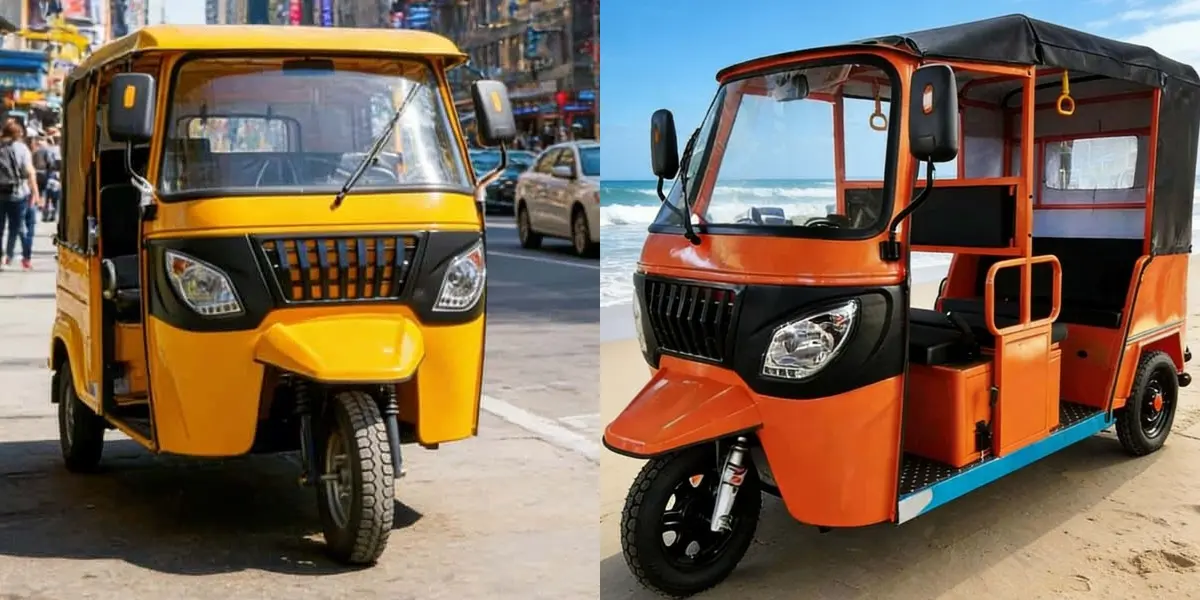
Plus, since their costs are lower, a lot of drivers can drop their fares a little and still make more money. That means more customers—people love saving money on rides, too. “I used to charge 50 baht for a short trip,” Somchai says. “Now I charge 45, and I get way more rides than before. Customers say they prefer my electric tuk tuk ’cause it’s quiet and clean. No more fumes, no more loud rattle. It’s a win-win for everyone.”