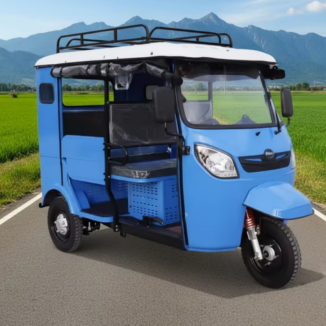

Why is it called a tuk tuk?
Why Is It Called a Tuk Tuk? The Real, Unpolished Story Behind the Name
Walk down a street in Bangkok, Jaipur, or even Cairo, and you’ll hear it before you see it—that rumbly “tuk-tuk-tuk” of the little three-wheeler we all call a tuk tuk. They’re everywhere in busy cities across Asia, Africa, Latin America—blending right into local life, and basically a must-ride for travelers. Ever wondered why we call it that, though? Not some random label, right? Sound, travel, local vibes—all wrapped up in those two syllables. Let’s talk about it, no fancy explanations, just the real stuff from the streets.
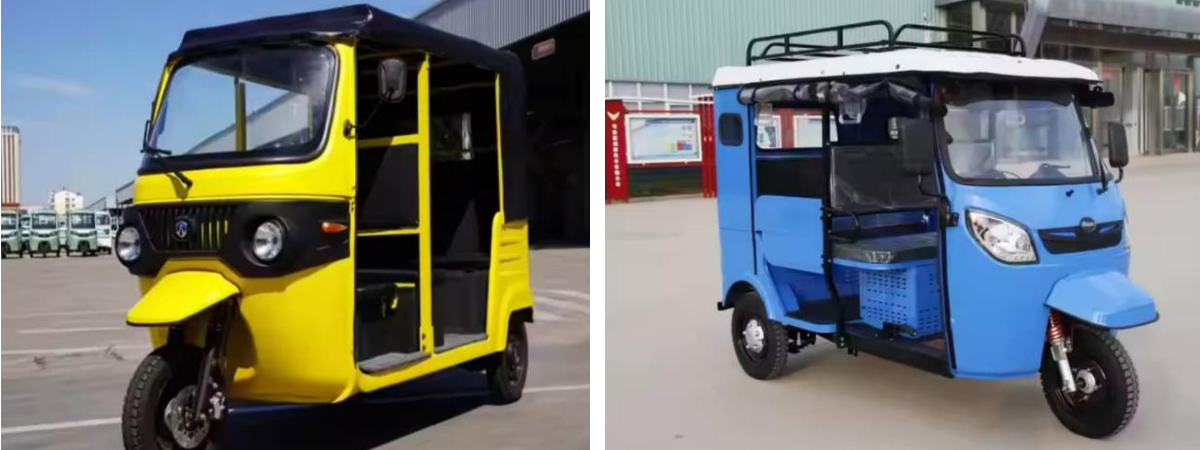
First Off? It’s All About the Noise
The first thing you notice about an old-school tuk tuk—way before the bright paint or how it zips through traffic—is the noise. Those early models (and tons of the classic ones still running) have tiny, no-frills two-stroke engines. No soundproofing, nothing. Fire it up, and it’s this bumpy, rhythmic “tuk-tuk-tuk” as it trundles along. That sound? Literally where the name came from.
You might hear them called auto rickshaws in India, but traditional tuk tuks? Nothing like the quiet of a car. Their small engines just blare that “tuk-tuk-tuk” as they weave through crowds. Locals didn’t need some fancy technical name for ’em—they just started calling ’em what they sounded like. Over time, “tuk tuk” stuck. Way more natural than “three-wheeled autorickshaw,” that’s for sure.
And this isn’t just one country’s thing. In Thailand, where tuk tuks are basically a national icon, “tuk tuk” is just copying that engine rumble. In India, locals mostly say “auto,” but ask any traveler, and they’ll say “tuk tuk”—that sound’s universal. Even in Egypt, where they’re everywhere in tight city lanes, people call ’em “tuk tuk” too. Same sound, same name. Like the vehicle’s own little language, no translation needed.
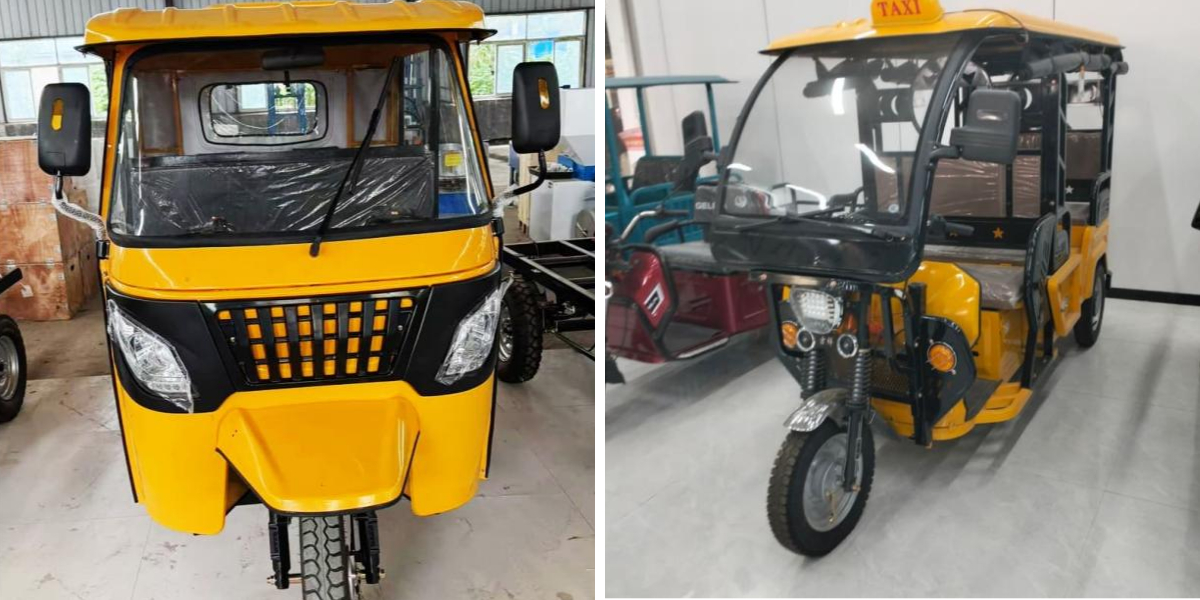
Travelers Made It Stick Globally—’Cause It’s Easy to Say
Before “tuk tuk” became the global go-to name, these three-wheelers had all sorts of local monikers that were a nightmare for travelers to pronounce. In India, it’s “autorickshaw” or regional stuff like “riksha.” In Thailand, the formal name’s “samlor” (means “three wheels”). Cambodia has “remork-moto” for the ones attached to motorcycles. But once more and more travelers started showing up, things shifted.
Tourism boomed, and suddenly everyone needed a name that worked for everyone. Imagine being jet-lagged, fumbling with a map, trying to say “samlor” or “autorickshaw”—total chaos. “Tuk tuk”? Short, snappy, easy to say in pretty much any language. Two syllables, tied right to that sound you can hear from blocks away. Travelers started using it, drivers picked up on it, and soon it was the go-to for anyone from out of town.
Now, if you’re planning a trip and search “tuk tuk rides in Bangkok” or “tuk tuk tours in Jaipur,” you’re using that same traveler-friendly term. It’s not just a nickname anymore—it’s how people across cultures talk about these rides. Hotels advertise “tuk tuk transfers,” tour guides pitch “tuk tuk city hops”—all because that simple, easy-to-remember word made these rides make sense for everyone.
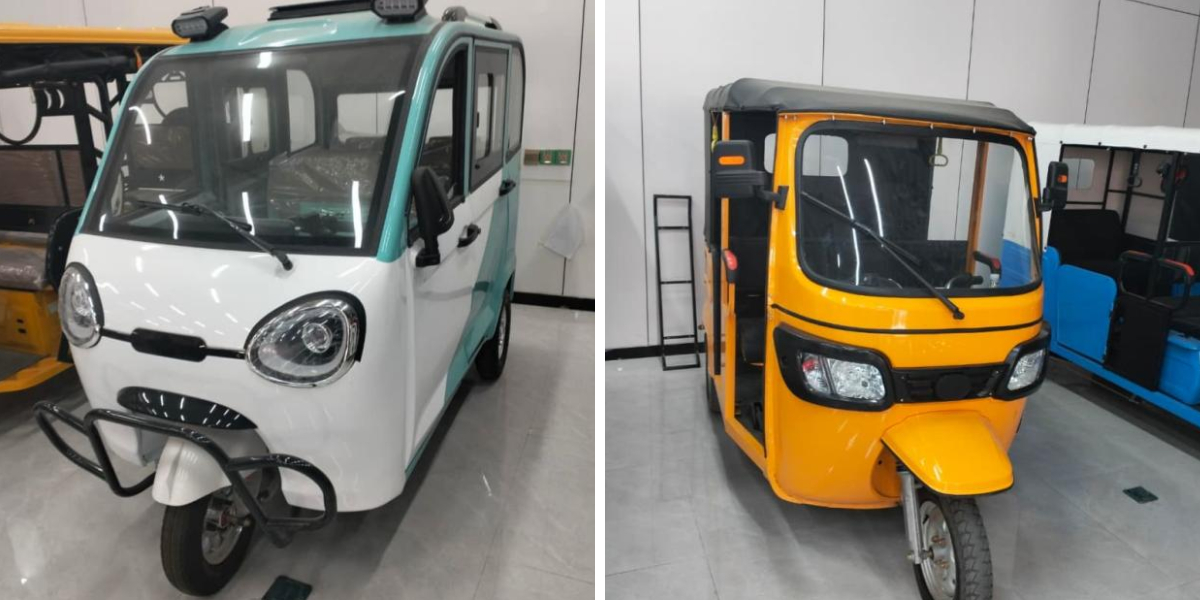
Locals and Shops Locked It In—Now It’s Part of Daily Life
The last piece? Locals and businesses turned “tuk tuk” from a traveler word into something permanent. Unlike stuffy official names like “three-wheeled motor vehicle,” “tuk tuk” is casual. Locals use it when chatting, when yelling out to offer a ride. When travelers heard locals saying it, they picked it up even faster—bringing it back home with them after their trips.
Businesses helped too. Souvenir shops started selling tuk tuk keychains, t-shirts. Street food vendors would yell, “Hop on a tuk tuk—I’ll show you the best pad thai!” Tour companies built whole trips around “tuk tuk adventures” through back alleys. Before long, you didn’t even have to be in a foreign country to know what a tuk tuk was—its name spread through stories, photos, souvenirs.
Social media pushed it even further. Travelers snap photos of their colorful tuk tuk rides, tag ’em #TukTukAdventure, and suddenly millions see the name. It’s not just a vehicle anymore—it’s become a stand-in for adventure, for getting off the beaten path, for really experiencing a place. People search “tuk tuk local experiences” or “tuk tuk photography” ’cause it’s not just a ride—it’s a memory. And “tuk tuk” is part of that memory.
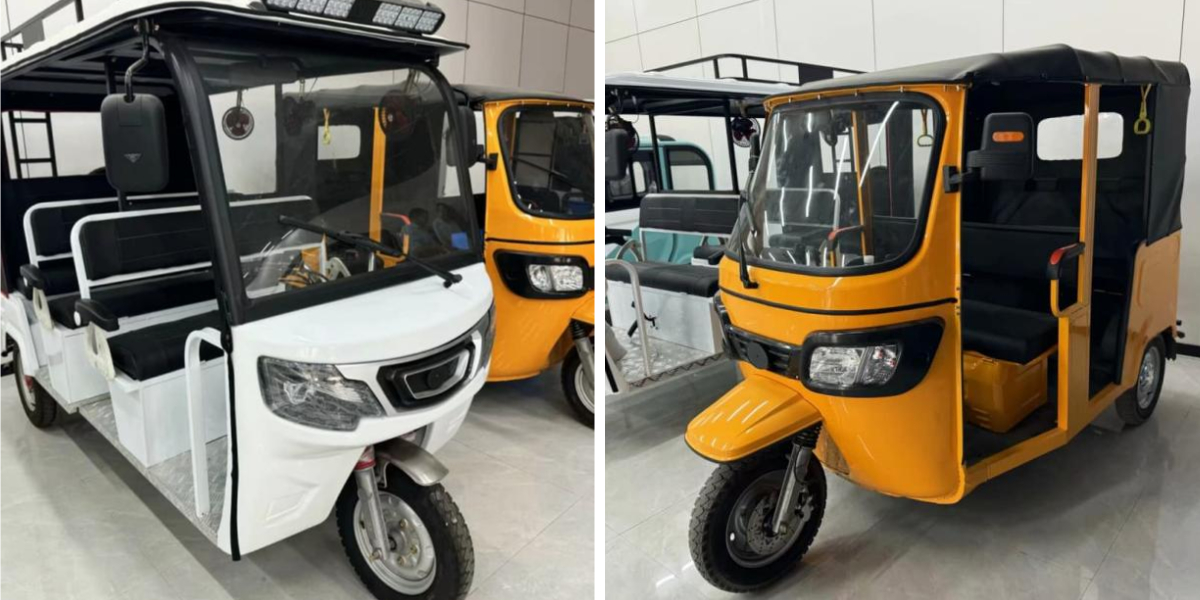
Here’s the Thing, Though—“Tuk Tuk” Is More Than a Name
So why “tuk tuk”? It’s the engine’s sound, it’s easy for everyone to say, and it’s what locals and travelers both latched onto. It’s not some made-up marketing term or technical label—it grew out of the streets, from the people who ride and drive these little vehicles every single day.
Next time you hop on a tuk tuk, listen closely to that “tuk-tuk-tuk” hum. That’s where the name came from. Whether you’re zipping through Cairo’s narrow lanes, wandering Jaipur’s markets, or cruising Bangkok’s nightlife, “tuk tuk” isn’t just what you call the ride—it’s how you connect with the place. And that’s why it’s stuck around, all over the world.