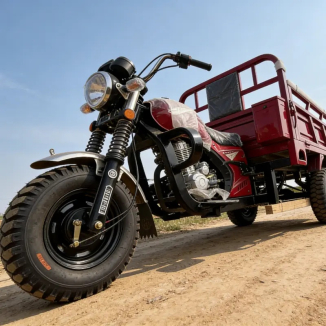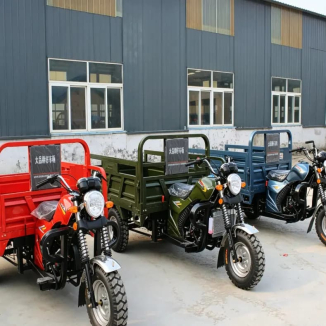

What is an engineering four-wheel transport vehicle?
1. Core Definition: It’s the Tough Rig Built Just for Engineering Works
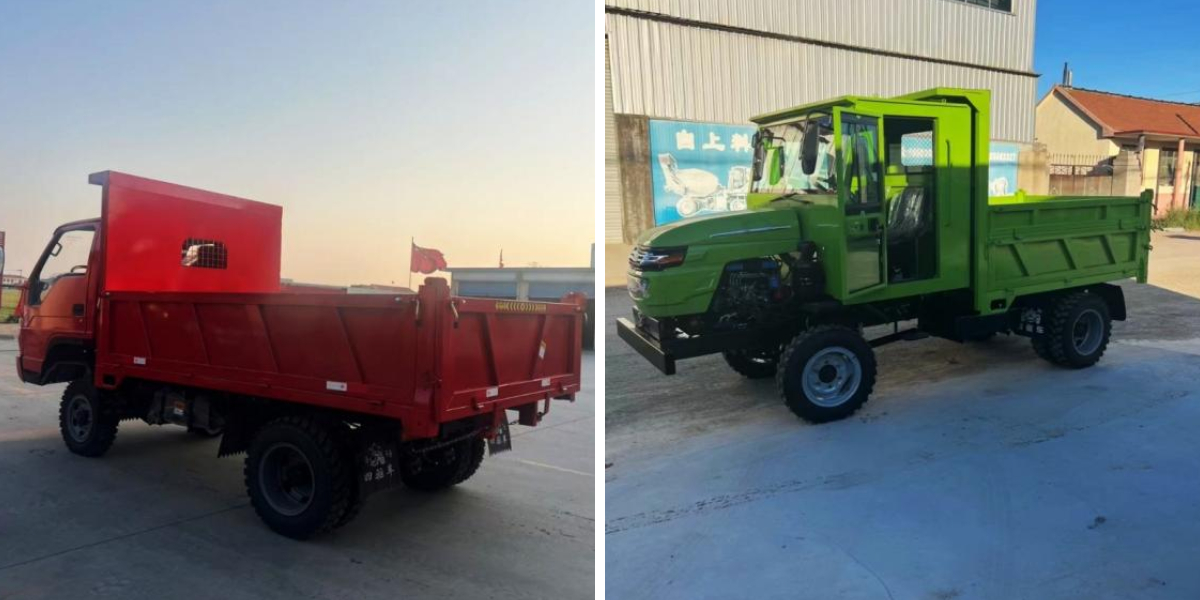
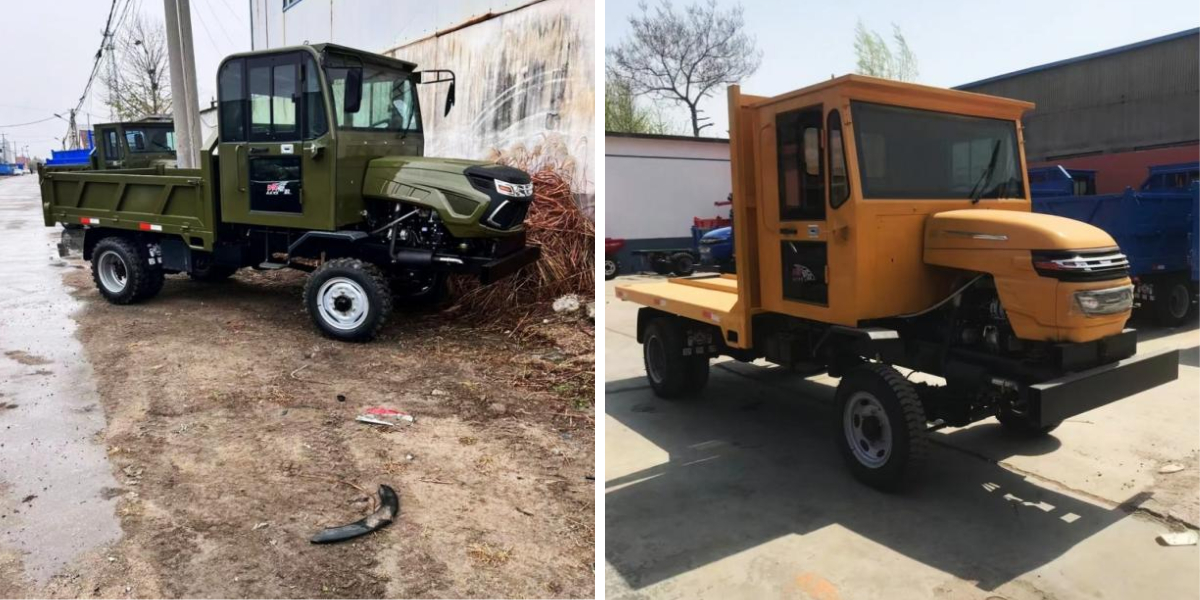
Let’s cut to the chase—this thing’s a workhorse made strictly for engineering and industrial work. You’ve definitely seen it on construction sites, mines, or road projects: hauling steel, cement, heavy tools, or ore, and plowing through potholes, mud, or gravel that’d leave regular trucks stuck. Diesel 4x4 vehicle’s not like your average van or pickup—no fancy seats, no speed. It’s built from scratch for the rough stuff: only cares about carrying heavy loads, not breaking down, and getting through off-road messes. Think of it as the backbone of any big project—moves the stuff that keeps work going, even where normal cars would quit.
2. Key Traits: The Hardcore Bits That Make It Unbreakable
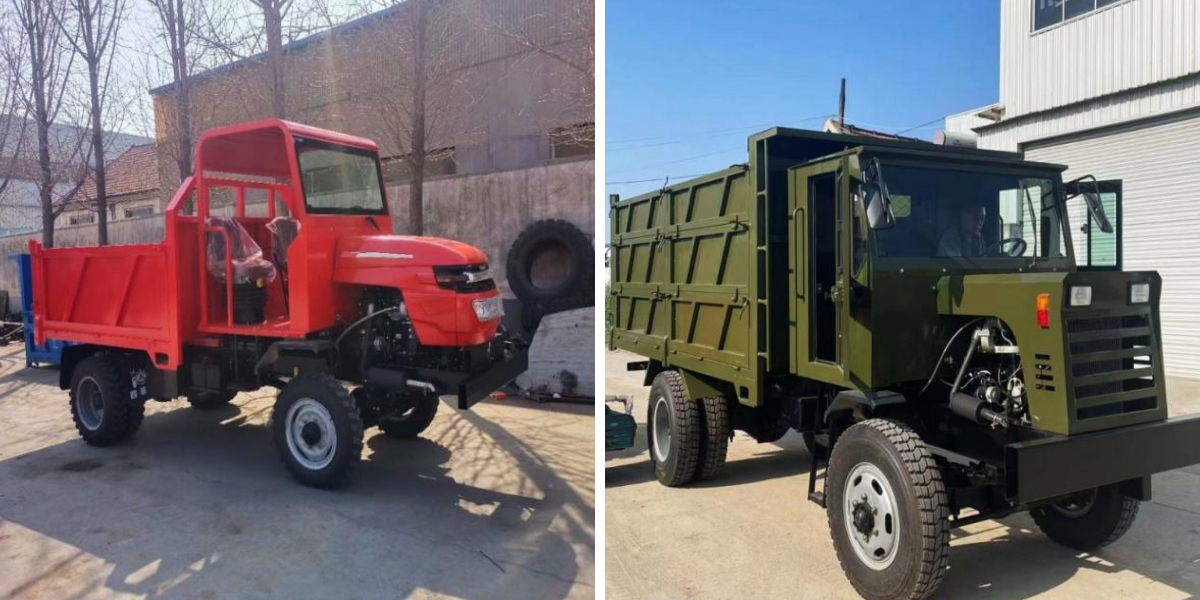
What makes this rig different from a diesel 4WD vehicle? Every part’s built to survive the worst. Here’s the lowdown:
Reinforced Chassis: The frame’s thick high-strength steel, with cross-braces to hold 5-20 tons easy—no bending or cracking, even on super bumpy job sites. Takes a beating and keeps going.
Beefy Engine & 4WD: It’s got a strong diesel engine that cranks out tons of torque—perfect for hauling heavy stuff up hills or through mud. Most come with 4WD, so no slipping in rain, loose gravel, or wet dirt.
Cargo & Loading Perks: Flatbeds with anti-slip surfaces so materials don’t slide around, or custom compartments for tools. A lot have hydraulic lifts too—unload heavy gear in minutes, no manual hauling.
Low-Maintenance Tough Parts: Electrical systems are sealed to keep dust/water out, tires have deep treads that don’t wear out fast, and the mechanics are simple. For teams in remote spots (like rural Africa or mountainous Asia), that means fewer breakdowns—and when something breaks, local guys can fix it with basic tools.
3. Where It Actually Shines: Not Just for Construction
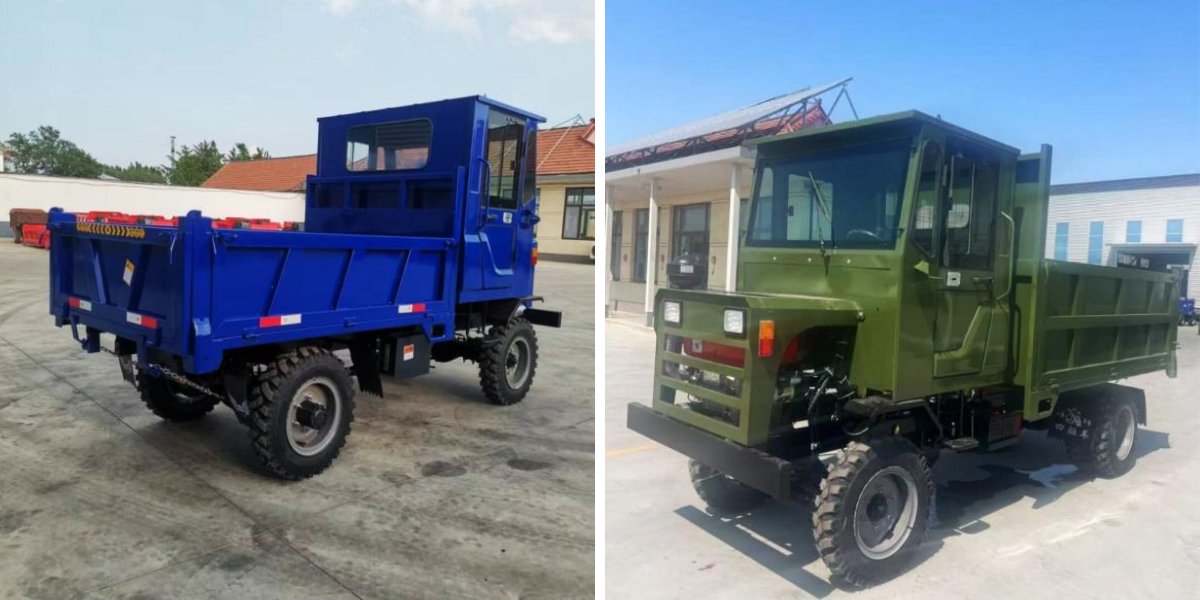
Don’t let the name trick you—this rig’s useful way beyond construction. Diesel 4WD tractor’s a staple for all kinds of industrial jobs, especially in developing countries. Here’s where you’ll see it:
Construction Sites: Hauls steel, cement, bricks, scaffolding, heavy machines between yards and job sites. Also carts away trash and debris to keep things clean.
Mines & Quarries: Carries ore, coal, gravel, stone from mines to processing plants. Rocky, uneven mining terrain? No problem for this thing.
Road Building: Hauls asphalt, gravel, road gear to highway or rural road projects. Drives on unfinished, unpaved roads like they’re paved highways.
Big Farms: Helps with large-scale farming—hauls tractors, harvesters, fertilizer, bulk crops. Perfect for rural areas where farms are far from markets or storage.
Disaster Relief: When floods, earthquakes, landslides hit, it hauls relief supplies, shelter materials, rescue gear—even in damaged, hard-to-reach spots where other vehicles can’t go.
Conclusion
At the end of the day, an engineering four-wheel transport vehicle is a tough 4WD rig—usually diesel-powered. It’s got tons of torque, can haul heavy loads, and is built to last. Perfect for messy, complex terrain like construction sites or unpaved roads. It’s a specialized engineering vehicle, plain and simple—made just for the tough jobs: construction hauling, heavy-duty cargo, all the hard work that keeps projects moving.