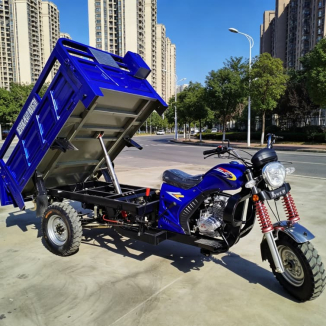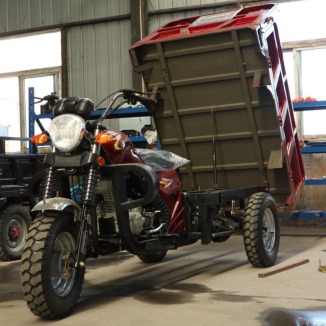

Wholesale Gasoline Tricycles For Ghana: Fuel-Efficient For Kumasi Small Businesses
If you run a small business in Kumasi—whether you’re a vegetable vendor at Kejetia Market, an FMCG shop owner in Adum, or a farmer hauling produce from Ashanti’s rural towns into the city—you know two brutal truths better than anyone: petrol prices are eating through your profits faster than you can raise your prices, and Kumasi’s choked streets and narrow market lanes are killing your delivery schedule before the day even starts.
For years, SMEs across Ghana have stuck to minivans, trotros, and beat-up pickups to move goods, even as these vehicles bleed them dry with endless costs. I’m not here to sell you some “revolutionary new gimmick”. What I am here to tell you is this: wholesale gasoline tricycles aren’t just a “cheaper alternative” to your current van. They’re built for the exact mess of doing business in Kumasi. They cut your fuel bill, stop your fresh produce from spoiling in traffic, let you skip the endless porter fees, and let you fit more delivery runs into a single day. Hundreds of local traders are already using them to stop throwing money away—and you can too.
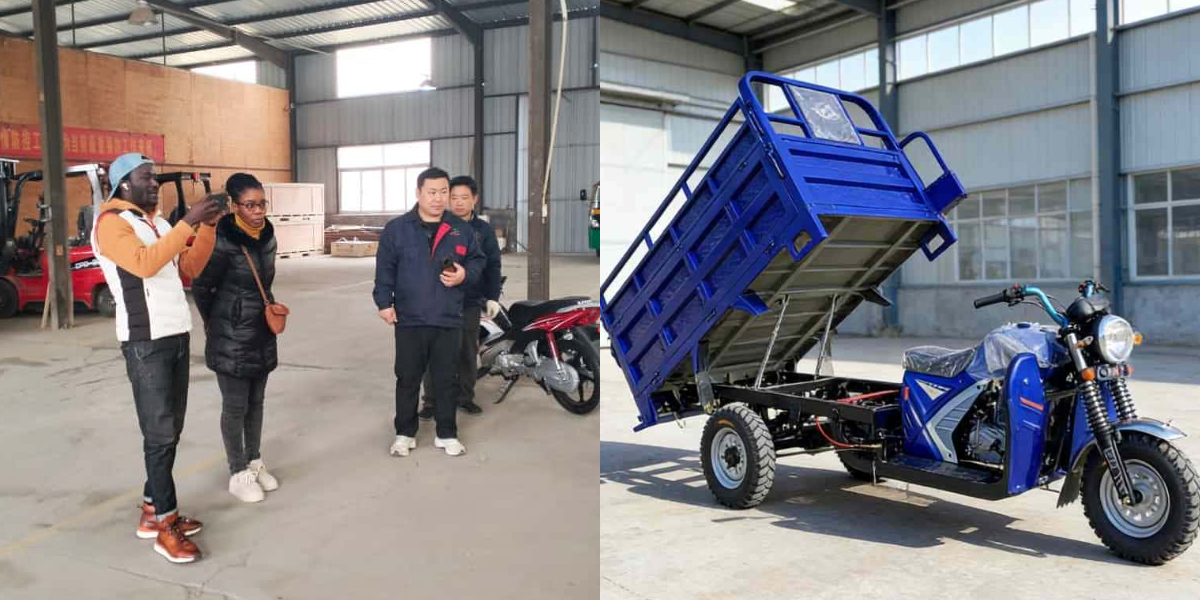
Stop Wasting Your Profit on Petrol: How Kumasi Traders Cut Monthly Costs by 35% With These Petrol Flat Deck Cargo Tricycles
This is exactly where these gasoline tricycles change everything, no fine print, no empty promises. A 200cc–250cc cargo trike, built for Ghana’s roads, only burns 3–4 litres per 100km. Compare that to your standard delivery minivan, which chews through 10–12 litres per 100km in Kumasi’s stop-and-go traffic, and the math hits you right away. I sat down last week with Ama, a tomato wholesaler at Kejetia who switched from an old minivan to two of these trikes. Before, she was spending GH₵3,200 a month on petrol alone. Now? Her monthly fuel bill sits at GH₵1,100. That’s GH₵2,100 a month she’s putting straight back into her business, not the petrol station.
And the savings don’t stop at the pump. We all know how expensive it is to keep a van on the road: comprehensive insurance, annual road worthiness certificates, costly repairs every time something breaks. Trikes? Your insurance cost drops by up to 80%. Routine maintenance—oil changes, filter swaps—costs a fraction of what you’d pay for a van. Spare parts are easy to find all over Kumasi and Ashanti, no waiting weeks for shipments from overseas. You also don’t need to hire a helper to haul goods from a distant parking spot to your stall: one person can drive, load, and unload, no extra labour costs needed. For most traders we work with, that combination of lower fuel, maintenance, and labour costs cuts their total monthly operating expenses by 35%—no hoops to jump through, just more money in your pocket at the end of the month.
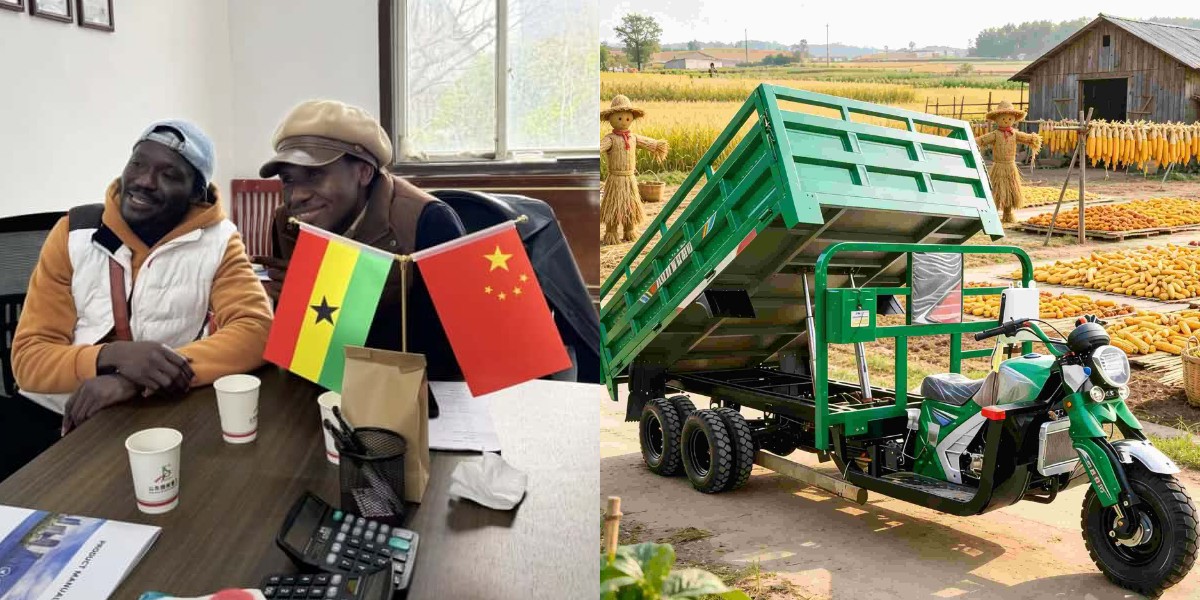
These Trikes Are Built For Kumasi’s Streets – Not Some Fancy Overseas City
Kumasi’s transport headaches are one of a kind, and they’re the number one reason small businesses lose money and inventory. Kejetia, the biggest open-air market in West Africa, is the heart of our city’s economy—but it’s a logistical nightmare. Narrow lanes, random parked cars, and gridlock so bad you can sit in one spot for an hour. A delivery van can almost never get within 500 metres of most stalls. You end up hiring porters to carry your goods from the van to your stall, paying GH₵20 a trip, 3 trips a day, and suddenly you’re out another GH₵1,800 a month. For fruit and veg vendors, that time stuck in traffic doesn’t just cost porter fees—it means your tomatoes get squashed, your greens wilt, and you end up throwing away 40% of your stock before you even sell a single item.
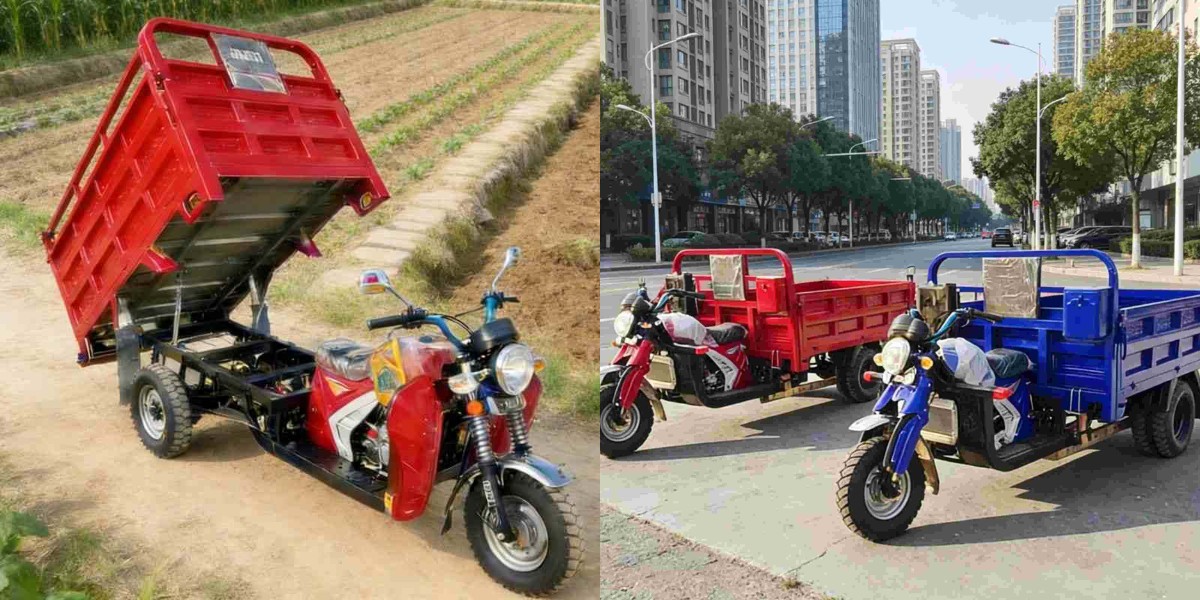
Wholesale gasoline tricycles fix this problem completely. Their compact, nimble build lets you weave through the tightest lanes in Kejetia, down Adum’s busy retail streets, and right into residential neighbourhoods where vans can’t fit. You can pull up directly to your stall, or your customer’s front door. No porter fees, no waiting in traffic for hours, no hauling heavy boxes hundreds of metres in the sun. For the farmers we work with bringing produce from Atwima Nwabiagya into Kumasi, this means their goods hit the stall still fresh, with almost zero spoilage. That’s money they would’ve thrown away, now staying in their pockets.
Wholesale Buying 101: What Kumasi Owners Must Check Before You Hand Over Your Money
Buying a gasoline closed cabin cargo tricycle isn’t just a purchase—it’s an investment in your business. And while wholesale pricing saves you a ton of money (especially when buying 3+ units for a growing fleet), the cheapest upfront price almost never gives you the best value long-term. I’ve seen too many Kumasi business owners get burned by cheap, untested trikes that break down 3 months in, with no way to get parts or repairs. Here’s what no other supplier will tell you to check before you buy:
First, only buy an engine tuned specifically for Ghana’s fuel and road conditions. Most cheap trikes on the market are built for flat, smooth Asian city streets, with engines that can’t handle Ghana’s petrol blends or the constant stop-and-go of Kumasi traffic. They burn more fuel than advertised, break down constantly, and die years before they should. Look for wholesale suppliers that offer water-cooled 200cc–300cc engines, calibrated for West African fuel standards, with reinforced parts built to handle heavy loads and rough roads. They cost a little more upfront, but they’ll save you thousands in repairs and wasted fuel over the years.
Second, never buy from a supplier with no local presence in Kumasi. This is the biggest mistake I see business owners make. You find a cheap trike online, pay for it, and then when a critical part breaks—even something as simple as a clutch cable or carburettor—you’re waiting weeks for parts to ship from overseas. For a business that relies on your trike every single day, even one day of downtime means lost sales, missed deadlines, and angry customers. Reputable wholesale partners keep spare parts warehouses right here in Kumasi and Accra, and offer on-site repair support for bulk fleet purchases, so you can get back on the road the same day, not weeks later.
Final Thoughts
At the end of the day, running a small business in Kumasi is hard enough. You don’t need another vehicle that eats into your profits, breaks down every other week, or can’t even get you to your own stall. These wholesale gasoline tricycles aren’t some flashy new trend—they’re the same reliable tool that hundreds of traders in Kejetia, Adum, and all over Ashanti are already using to keep more of their hard-earned money and grow their businesses.
If you’re tired of throwing your money away on petrol, porters, and endless van repairs, we’ve got you covered.