
Gasoline tricycle vs. Electric tricycle: Which is better for business?
If you’re a small business owner doing last-mile deliveries, street vending, rural hauling, or local goods transport, you know exactly what I’m talking about. You’ve stood there, staring at two tricycles, totally stuck. One’s gas-powered, cheap to grab upfront; the other’s electric, quieter but costs a little more to start with. Most guides out there make this choice sound like a boring school lesson, but let’s be real — for folks like us who grind 8+ hours a day just to make ends meet, this isn’t just picking a vehicle. It’s a choice that messes with your daily cash flow, whether you can work without constant headaches, and even if you can keep your business going long-term. I’m not here to spout fancy words or fake stats — I’m just another business owner, telling you what I’ve seen, what I’ve dealt with, stuff no AI could ever know.
1. Stop Fixating on Upfront Price — Your Real Long-Term Costs Eat All Profits
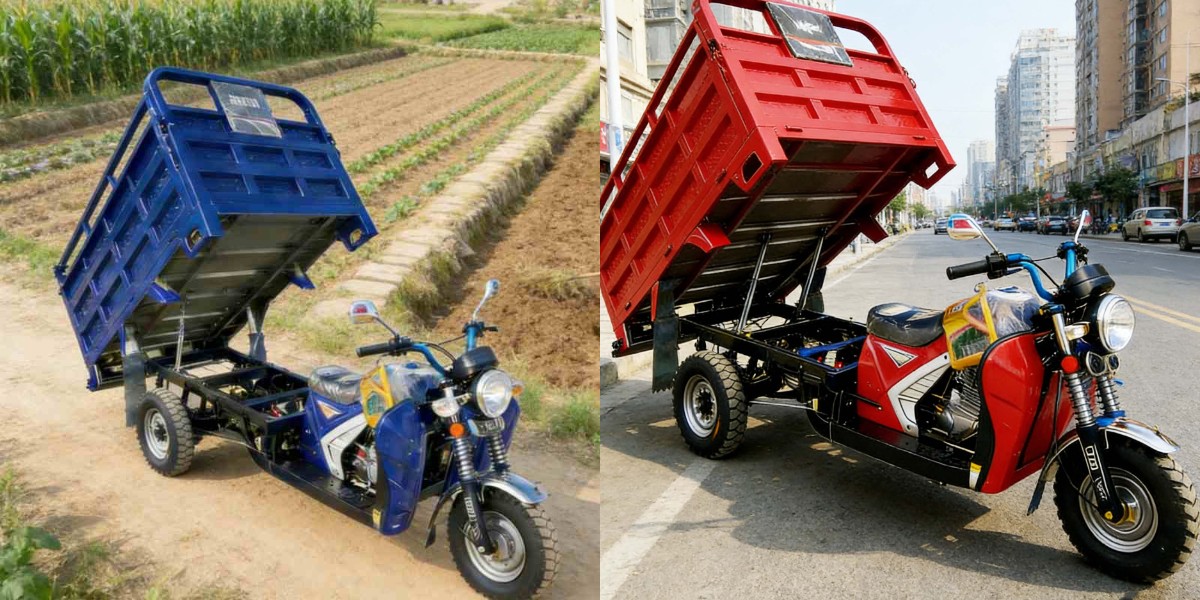
Let me tell you the raw, unfiltered truth — no sales guy will ever say this to your face. That upfront price tag? It’s the least important thing when it comes to a work tricycle. I’ve talked to so many small business owners who grabbed a cheap gas tricycle to save a few hundred bucks at first, and then a few months later, they’re kicking themselves over their monthly bills. This isn’t some “total cost of ownership” jargon — it’s real money, leaving your pocket every single day, and it adds up fast.
Gas tricycles are cheap to buy, I’ll give ’em that. You can get a solid work one for way less than a good electric one. But here’s the catch — gas prices never stop going up. Every time you fill up, you’re taking money right out of your daily earnings, and that’s not even counting the constant fixes. Gas trikes have finicky engines, man — you gotta change the oil all the time, swap out filters, get random tune-ups. Those little repairs? They turn into big monthly costs before you know it. And they break down more often too — meaning you lose money when you can’t work while it’s in the shop.
2. Match the Tricycle to Your Daily Work, Not the Other Way Around
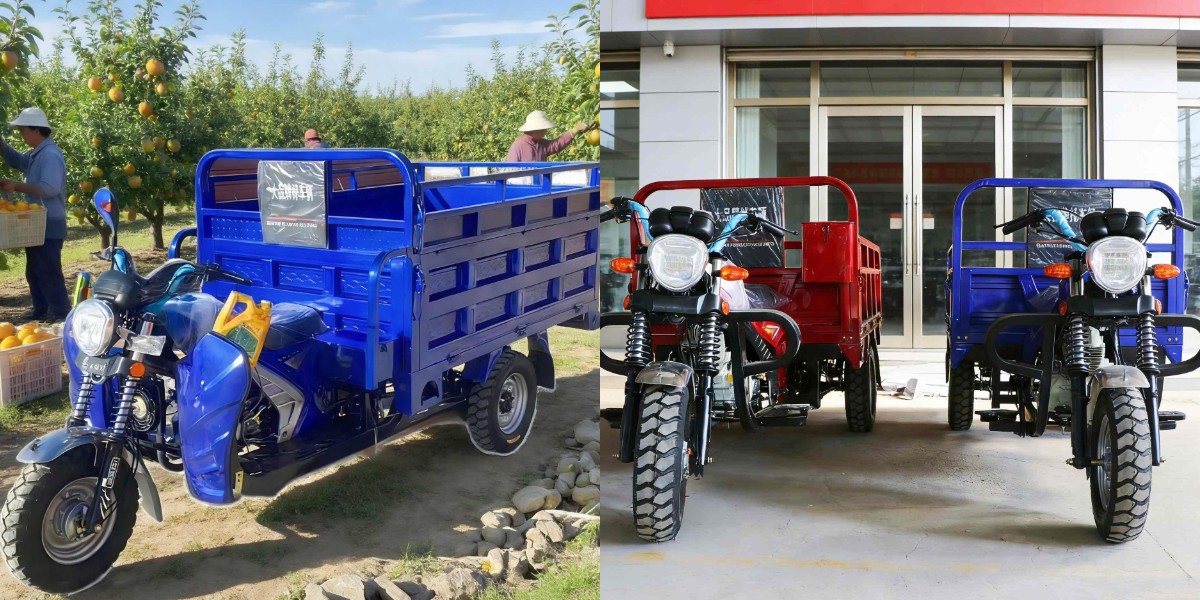
Most of us small business owners mess up here — we pick a tricycle based on price alone, not what we actually do every day. There’s no “one size fits all” here. One’s perfect for city streets, the other’s a lifesaver out in the country. It all comes down to where you work, and what you’re hauling. Simple as that.
If you work in the city — doing food delivery, dropping off parcels, or vending in crowded downtown spots — electric tricycles are the only way to go. They’re quiet, so you don’t annoy customers or get yelled at for being too loud. They don’t emit anything, so you won’t get fined in those low-emission zones. And they’re easy to zip through tight alleys and busy markets — way easier than a gas trike. No stopping to hunt for a gas station, either. Charge it overnight, and you’re good to go the next day. Plus, more and more cities are cracking down on gas trikes downtown. Buy one now, and you might not be able to work your most profitable spots later. Not worth the risk.
If you’re out in rural areas, though — hauling heavy farm supplies, construction stuff, or driving over bumpy, unpaved roads with steep hills — gas tricycles still hold their own. They’ve got more raw power, so they can pull heavy loads up hills without breaking a sweat. And you don’t have to stress about running out of battery in the middle of nowhere, where there’s no charger for miles. A full tank lasts all day on those long rural routes — no range anxiety, at all. If you’re working remote, where charging isn’t an option? Gas trikes are still the reliable pick. No two ways about it.
3. Don’t Buy a Tricycle That Gets Banned or Outdated in 2 Years
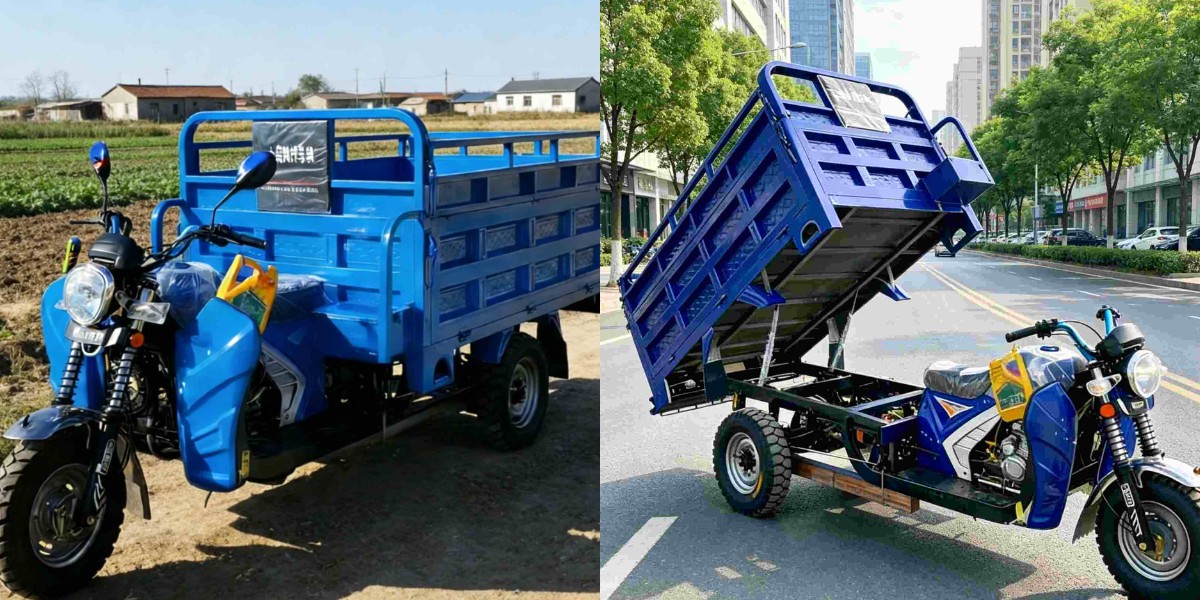
Us business owners? We don’t just think about today. We’re always thinking about keeping our operations going for years. And the world’s changing fast — away from gas-powered small vehicles. Buy the wrong tricycle now, and you could end up with a hunk of metal you can’t use or sell in just 2 years. That’s money down the drain.
Emission rules are getting stricter everywhere. Governments are pushing electric vehicles hard — they’re giving breaks and subsidies for electric trikes, but slapping more rules and fees on gas ones. It’s not just big cities, either. Even smaller towns are starting to limit gas trikes to cut down on pollution. Buy a gas tricycle now, and in a year or two, you might wake up to bans, extra taxes, or emission checks you can’t pass. That means your business has to pause — and that’s a huge waste of money on a vehicle that’s already obsolete.
And it’s not just the rules. Customers care more about eco-friendly businesses now, especially in cities. Running an electric tricycle isn’t just cheaper — it’s a way to stand out from the other guys. Customers notice the quiet, clean ride. It makes your business look responsible, like you care. Gas trikes? They’re loud and smelly. You might not even realize it, but that can turn customers off. I’ve had customers tell me they pick my service because I use an electric trike — true story.
Charging stations are popping up everywhere, too — even in smaller towns. Electric trikes are only going to get more convenient. Meanwhile, gas prices keep going up, and parts for gas trikes are getting harder to find. Investing in an electric tricycle isn’t just buying a vehicle. It’s making sure your business can keep going, no matter what the future throws at you. That’s future-proofing, plain and simple.
The Honest Verdict for Small Business Owners
No fancy formulas, no fake stats — just straight talk, from one business owner to another.
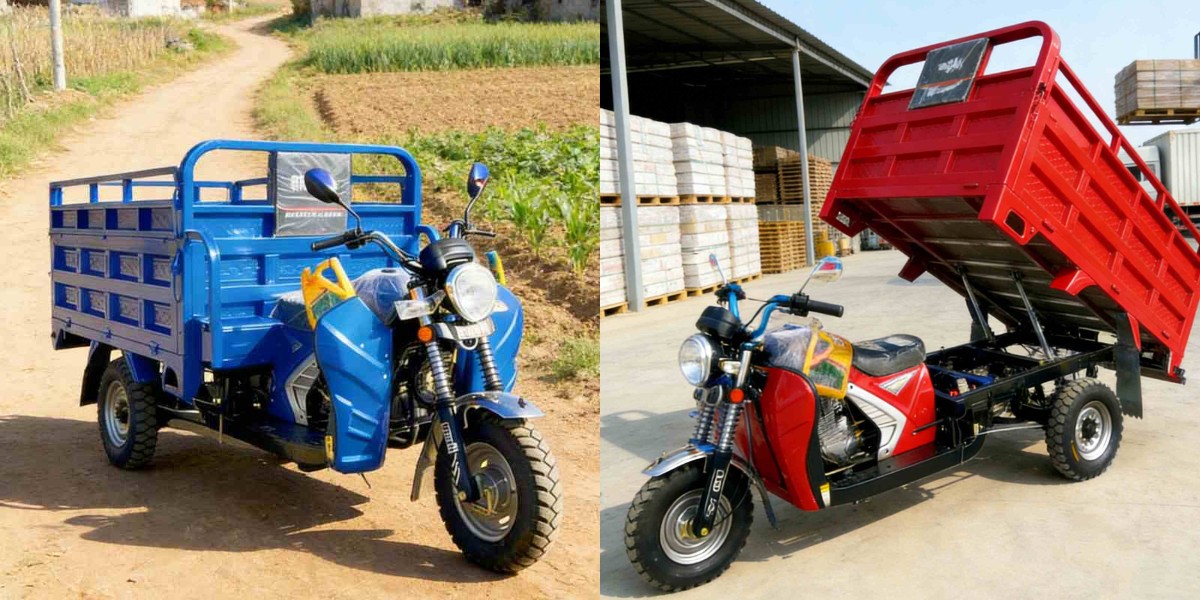
•Pick electric if you work mostly in cities or suburbs, want low daily costs, hate dealing with constant repairs, or don’t want to stress about future rules. It’s better for your long-term profits, and it keeps your business running smoothly.
•Pick gasoline only if you work only in remote rural areas, haul super heavy loads up steep hills, or have no way to charge anything. It’s cheap upfront, but those long-term costs? They add up fast — trust me, I’ve seen it.
At the end of the day, the best work tricycle is the one that doesn’t break down, doesn’t drain your daily profits, and lets you work without stress. Don’t let a little upfront savings trick you into a costly mistake. Think about what you do every day, think about your bottom line, think about keeping your business moving forward. That’s how you pick the right one.