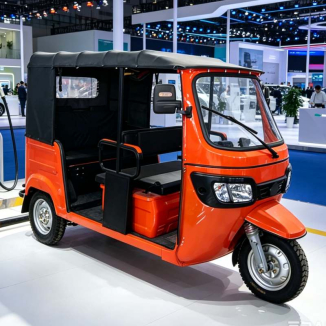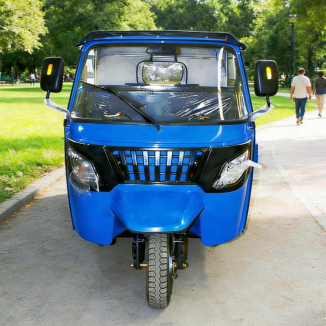

Open vs Closed Gasoline Cargo Tricycle: Which Suits Your Needs?
If you’re standing in a dealership lot right now, squinting at two gasoline cargo tricycles – one with an open, flat bed, the other with a fully enclosed, lockable box – and wondering which one’s actually worth your hard-earned cash, you’re not alone.
For small business owners, delivery drivers, farmers, and market vendors across Africa, Southeast Asia, and Latin America, these 3-wheel workhorses aren’t just vehicles. They’re your livelihood. They’re how you get produce to the market before dawn, how you fulfill e-commerce deliveries before the end of the day, how you haul building supplies to a job site without breaking the bank.
But here’s the mistake almost every first-time buyer makes: they pick a trike based on the biggest payload number on the spec sheet, or the lowest upfront price, and completely miss the hidden differences that will either put more money in your pocket every month, or drain your profits dry for years. The open vs closed debate isn’t just “covered vs uncovered” – it’s about how you work, what you haul, and where you want your business to go. We’re breaking down the real, on-the-ground differences between these two trikes, no fancy jargon, no sales fluff, just what you actually need to know to pick the right one.
Stop Staring at the Sticker Price: What You’ll Actually Pay Over 3 Years of Ownership
Every salesperson will lead with the upfront price. And sure, an open bed trike almost always comes with a lower price tag off the lot. But if that’s the only number you’re looking at, you’re going to get burned. The real cost of your trike isn’t what you pay on day one – it’s what you pay every single month after that, for fuel, repairs, lost inventory, fines, and every other surprise that pops up when you’re on the road 6 days a week.
Let’s start with the biggest monthly bill: fuel. If you’re putting 150+ km on your trike every day, you know fuel eats up the biggest chunk of your earnings. Here’s the unvarnished truth: an open bed trike will always be more fuel-efficient than a closed box model. No fancy wind tunnel tests, no corporate math – just common sense. A closed box is a big, flat wall hitting the wind as you drive. An open bed has a slim profile, cuts through the air easier, and uses less gas. For most drivers, that translates to filling up less often – we’re talking enough savings to cover your lunch every day, or a new set of tires at the end of the year, no extra work required.
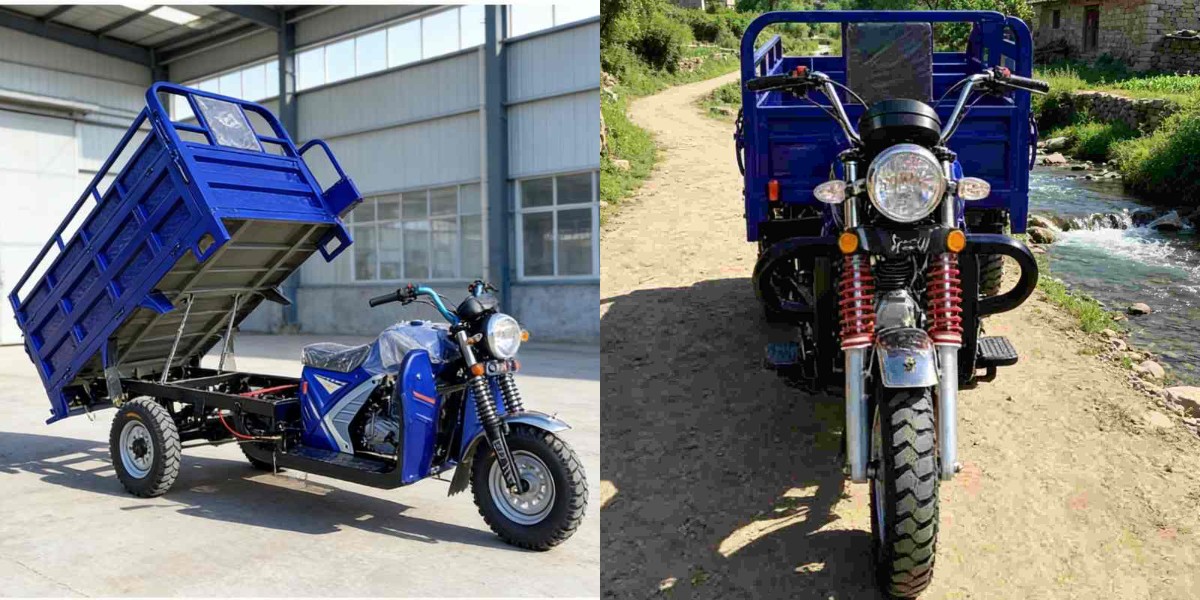
Then there’s repairs. Anyone who’s run a work vehicle knows: the more parts it has, the more things can break. An open bed is about as simple as it gets: a steel frame, side rails, a flat floor. If you bend a rail hitting a pothole, a local welder can fix it for pocket change in an hour. A closed box? It has rear doors, locks, hinges, weather seals, roof supports, and side panels that dent, rust, and jam up. A broken door hinge? A leaky seal? A lock that jams in the rain? Those repairs cost 2-3x more than fixing an open bed, and if you’re in a rural area without a specialized shop, you could be stuck without your trike for days. Days you’re not working, days you’re not making money.
But here’s where the closed box flips the script entirely: it stops you from throwing money away on lost and damaged cargo. I’ve seen it a hundred times. A driver with an open bed hauling packaged snacks gets caught in a sudden monsoon. Even with a tarp, water seeps in, ruins half the load, and the customer refuses to pay. A farmer hauling eggs hits a bumpy road, a crate falls off the back, and he’s out a full day’s earnings. A delivery driver leaves his trike parked for 10 minutes to drop off a package, comes back to find half his high-value inventory stolen from the open bed.
These aren’t hypothetical “what ifs” – they’re the daily risks of running an open bed trike. For a driver hauling fragile goods, perishables, or anything that can be damaged by rain, dust, or theft, a closed box isn’t a luxury. It’s a way to eliminate those risks entirely. Lock the doors, and your cargo is safe from the weather, from falling out, from passersby grabbing something when you’re not looking. No more tarps, no more customer refunds, no more replacing stolen inventory. For a lot of operators, that alone pays for the higher upfront cost of the closed box in less than a year.
And let’s not forget the hidden costs of fines and insurance. A lot of cities are cracking down on unsecured loads. If something falls off your open bed and causes an accident, or even just litters the road, you’re on the hook for a hefty fine. A closed box? Your cargo is fully contained, so you never have to worry about that. Insurance, too: open bed trikes almost always have lower annual premiums, since they’re classified as basic utility vehicles. But if you’re hauling high-value goods, a closed box can actually lower your cargo insurance costs, because it reduces the risk of theft and damage. It’s all about what you’re hauling.
It’s Not Just What You Haul – It’s How, Where, and How Fast You Haul It
A trike that looks perfect on a spec sheet can be a nightmare to actually drive every day. The best trike for your business isn’t the one with the biggest payload – it’s the one that fits your daily routine, your routes, and the way you actually work.
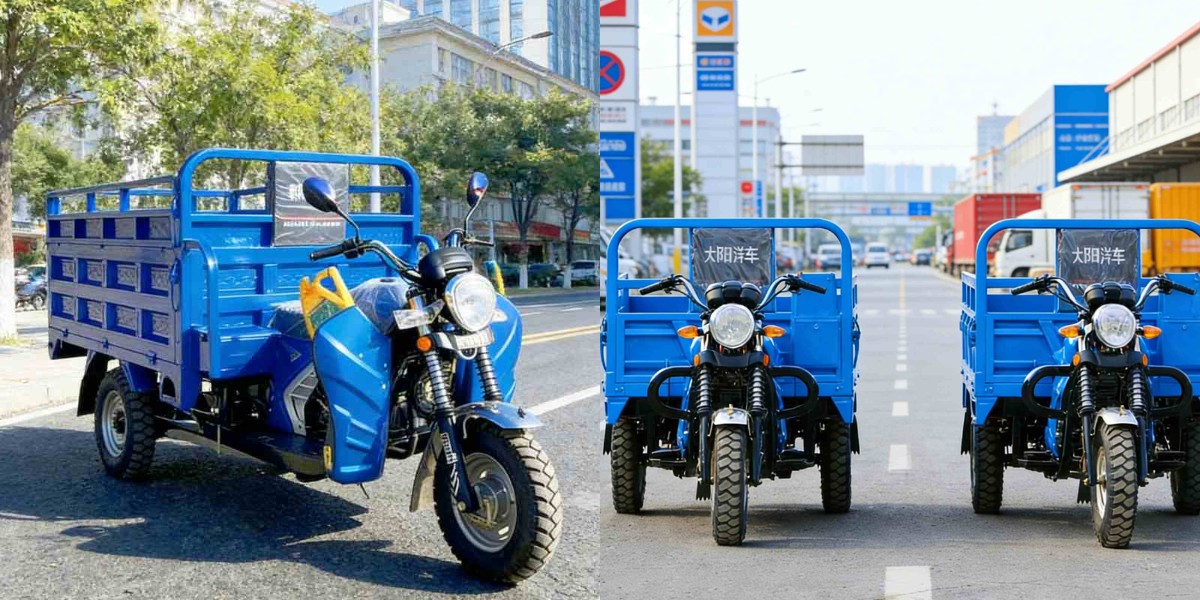
Let’s talk about loading and unloading. If your day is 10+ stops, in and out of markets, up and down alleys, dropping off small loads at a dozen different locations, speed is everything. And here, the open bed trike is unbeatable. No fumbling with keys, no swinging open heavy rear doors, no climbing into a tight box to grab a crate at the front. With an open bed, you have 360-degree access to your cargo. You can load from the sides, the back, even the front if you need to.
I know a vegetable vendor in Jakarta who swapped his closed box trike for an open bed a few years back. Before, he was spending 15+ minutes at every stop, opening and closing the rear door, climbing in to grab crates of produce. After the swap? He could unload a full stack of crates in 5 minutes flat. Over 12 stops a day, that’s 2 full hours he saved every single day. Hours he used to add 3 more markets to his route, and double his monthly earnings. That’s the kind of difference access makes.
Open beds also handle oversized, weirdly shaped loads that a closed box never could. If you’re hauling construction pipes, farm equipment, large furniture, or live animals, a closed box’s fixed door opening and interior dimensions will box you in (pun absolutely intended). With an open bed, you can stack, tie down, and haul just about anything that fits on the bed, no matter how tall or wide it is. For farmers, construction suppliers, and bulk haulers, that flexibility isn’t just nice to have – it’s non-negotiable.
But if your business relies on showing up, no matter what the weather throws at you, the closed box is in a league of its own. If you’re running e-commerce deliveries with strict same-day windows, hauling pharmaceuticals that can’t get wet, or delivering baked goods that can’t be covered in dust from a dirt road, an open bed will force you to turn down work, or risk ruining your cargo.
I’ve talked to delivery drivers in Thailand who lose 3-4 full work days every monsoon season because their open bed trikes can’t safely haul packages in heavy rain. They spend 20 minutes every stop covering and uncovering their load with tarps, and even then, water still seeps in. With a closed box? They load up in the morning, lock the doors, and drive all day, rain or shine. No tarps, no delays, no missed delivery windows. For businesses that live or die by on-time delivery, that reliability is worth its weight in gold.
Then there’s the routes you drive. If you’re mostly on rough, unpaved rural roads, tight narrow alleys in slums or market districts, or areas with low-hanging power lines and tree branches, an open bed trike is going to handle it better. It’s lighter, has a lower center of gravity, and a lower profile, so you can navigate tight turns and low obstacles that a taller closed box can’t. If you’re mostly on paved city roads, or driving long stretches between towns, a closed box is more comfortable, protects your trike’s engine and suspension from dust and debris, and even lets you add a driver’s cabin enclosure to stay out of the sun and rain during long hauls.
Will This Trike Grow With Your Business – Or Lock You Into Low-Margin Work?
Too many people buy a trike for the work they’re doing today, and completely forget about the work they want to be doing a year from now. The difference between an open bed and a closed box isn’t just how they perform right now – it’s how they help (or stop) you from growing your business, taking on higher-paying work, and protecting yourself from risks that could sink you.
Let’s talk about the money. The highest-paying, most consistent work for cargo trike operators isn’t hauling bulk produce or building supplies for cash every day. It’s long-term contracts with e-commerce platforms, pharmaceutical distributors, retail chains, and food delivery companies. These contracts pay 30-40% more per mile than ad-hoc bulk hauling, have consistent hours, and give you steady income month after month, no matter the weather or the market season.
But here’s the catch: almost none of these companies will hire you if you have an open bed trike. They require weatherproof, lockable cargo space to protect their inventory. They need to know that packages won’t get stolen, won’t get wet, won’t get damaged in transit. An open bed trike can’t meet those requirements, no matter how many tarps you use. A closed box trike? It checks every single box. It’s your ticket to bidding on those high-margin contracts, and growing your business from a one-man operation to a full fleet, if that’s what you want.
Then there’s risk. As your business grows, so does your exposure. If you’re hauling high-value goods for a client, and something gets stolen or damaged, you’re on the hook for the full cost. If something falls off your open bed and hits a pedestrian or another car, you could be facing a lawsuit that puts you out of business entirely. A closed box eliminates almost all of that risk. Locked doors mean your cargo is secure. Fully enclosed space means nothing can fall out onto the road. For fleet operators, especially, that reduced liability means lower insurance premiums, fewer legal headaches, and a more stable business long-term.
And when it’s time to upgrade or sell your trike? The closed box holds its value far better than an open bed, almost everywhere in the world. Why? Because it has a way bigger pool of potential buyers. An open bed trike only appeals to farmers, bulk haulers, and construction suppliers. A closed box trike? It appeals to delivery drivers, e-commerce contractors, mobile vendors (who can turn the box into a food stand or mobile shop), small business owners, and even people who need a secure vehicle to haul their belongings. A well-maintained closed box trike will hold 40-50% of its value after 3 years of hard use. An open bed? You’ll be lucky to get 30% back. That higher resale value means you can upgrade to a bigger trike, or add a second one to your fleet, with far less out-of-pocket cash.
Final Verdict: Which One Is Right For You?
At the end of the day, there’s no “perfect” trike that works for everyone. The right choice comes down to you, your work, and your goals.
An open bed gasoline cargo tricycle is the right pick if:
You’re hauling bulk, durable goods like produce, building supplies, or farm equipment
Your day revolves around fast, frequent loading and unloading at multiple stops
You drive mostly on rough rural roads or tight alleys where a closed box can’t fit
You prioritize low upfront costs, easy repairs, and maximum flexibility over all-weather security
A closed box gasoline cargo tricycle is the right pick if:
You run delivery routes, haul perishables, fragile goods, or high-value inventory
You need to meet strict delivery windows, no matter the weather
You want to bid on high-margin, long-term contracts with e-commerce and retail brands
You care about long-term resale value, reduced liability, and growing your business beyond day-to-day cash work
This isn’t a decision about which trike is “better”. It’s about which trike fits your life, your livelihood, and the work you do every single day. We’ve spent decades working with operators just like you, building and fitting gasoline cargo tricycles that don’t just look good on a spec sheet – they work as hard as you do. If you’re still stuck figuring out which one is right for your routes, your cargo, and your budget, reach out. We’ll help you cut through the sales fluff, and pick the trike that will keep more money in your pocket, for years to come.