
What is an electric rickshaw?
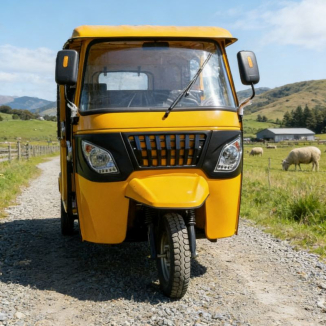
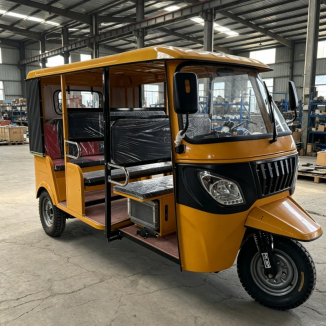
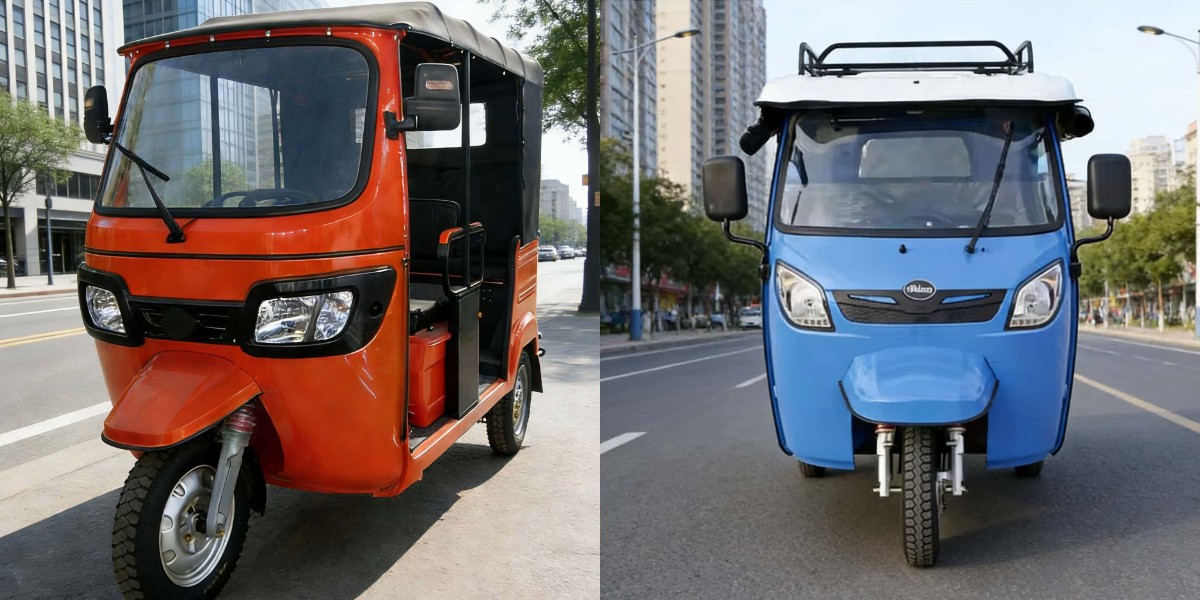
If you’ve ever hung around a busy market or a quiet neighborhood in a city—like Delhi, Nairobi, even some small towns—you’ve definitely seen these things. Small, three-wheeled, barely making a sound, with a driver up front and a couple of people in the back. That’s an electric rickshaw, or e-rickshaw for short. Some folks call them electric tuk-tuks or e-tricycles, but no matter what you name them, they’re not just another way to get around. They fit right into daily life—cheap enough for people who can’t afford cabs, easy enough for drivers to run, and clean enough that they don’t make the air all smoky like those old petrol rickshaws used to. Unlike those loud, smelly auto rickshaws or the tiring manual cycle ones, e-rickshaws run on rechargeable batteries. But there’s way more to them than just “being electric.” I’m gonna break down the stuff most people don’t pay attention to—how they actually work, where you’ll find them, and why they’re way more important than you think—so you can really get what an electric rickshaw is, y’know?
1. The Heart of an E-Rickshaw: How New Batteries Fixed Drivers’ Biggest Headaches
Let’s be real—an e-rickshaw is only as good as its battery. And for years, that was a total pain. I’ve chatted with e-rickshaw drivers in Delhi, and they all say the same thing: they used to use lead-acid batteries ’cause they’re cheap—around $330 to $530 to buy—and easy to find. But man, those things suck. They’re super heavy, they die really fast (only 1 to 1.5 years, or 300 to 400 charges), and they take 7 to 8 hours to fully charge. Imagine spending your whole day driving to make money, only to have to stop halfway ’cause your battery dies, or losing half the night waiting for it to charge. That’s what drivers dealt with for years—total frustration.
But now, things are different—all ’cause of lithium-ion (Li-ion) and lithium iron phosphate (LFP) batteries. Yeah, they cost more upfront—Li-ion is $790 to $1,580—but every driver I talked to says it’s worth it. They last 4 to 5 years (1,000 to 1,500 charges), charge in 2 to 4 hours, and they’re light enough that drivers don’t have to strain to handle them. LFP batteries are even better for people who drive long routes or live in super hot or cold places—they last 5 to 7 years (over 2,000 charges) and don’t act up when the weather’s extreme. This isn’t some fancy “upgrade”—it’s a lifesaver for drivers who rely on their rickshaws to feed their families. Finally, they don’t have to choose between saving money now and making money later.
If you’re wondering what makes an e-rickshaw better than the old ones, this is it. It’s not just about being electric—it’s about being reliable. Drivers get more time on the road, less stress, and commuters don’t have to worry about the vehicle breaking down in the middle of a trip. It’s a small change, but it makes a huge difference.
2. Beyond India: E-Rickshaws Aren’t Just for Busy Streets—They Fit Every Corner of the World
Most people hear “electric rickshaw” and immediately think of India—and fair enough. India makes and uses more e-rickshaws than any other country: over 2.26 million registered ones as of 2023, and tons more that aren’t. But I’ve seen e-rickshaws in places you’d never guess, and they’re not just copying India’s setup—they’re changing to fit how people live there. That’s the best thing about e-rickshaws: they’re flexible, they fit right into local life no matter where you put them.
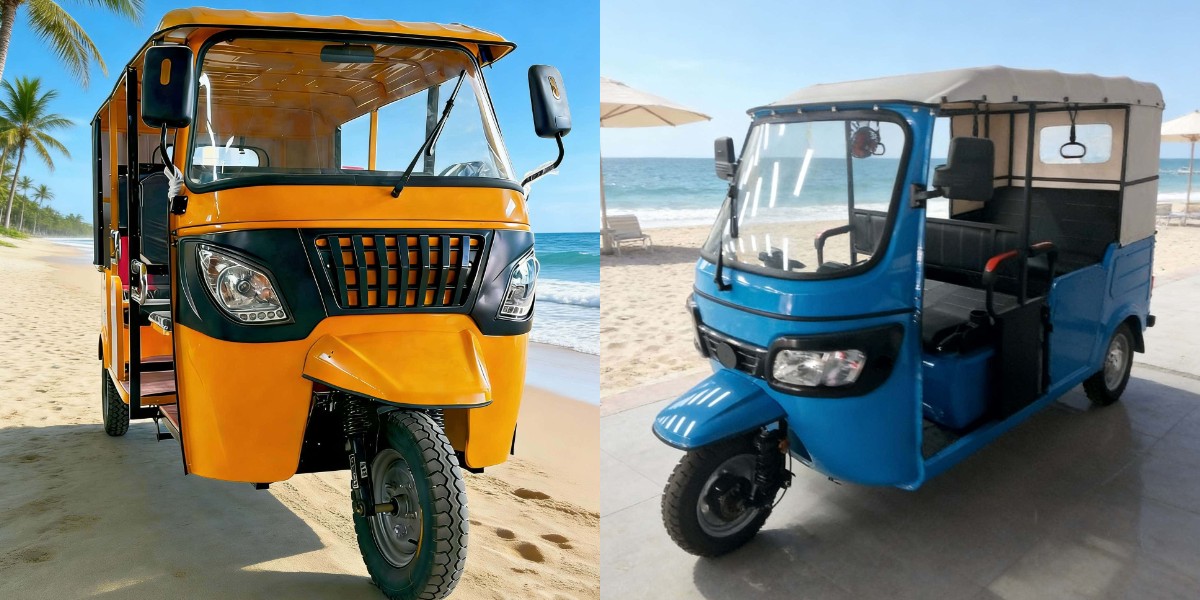
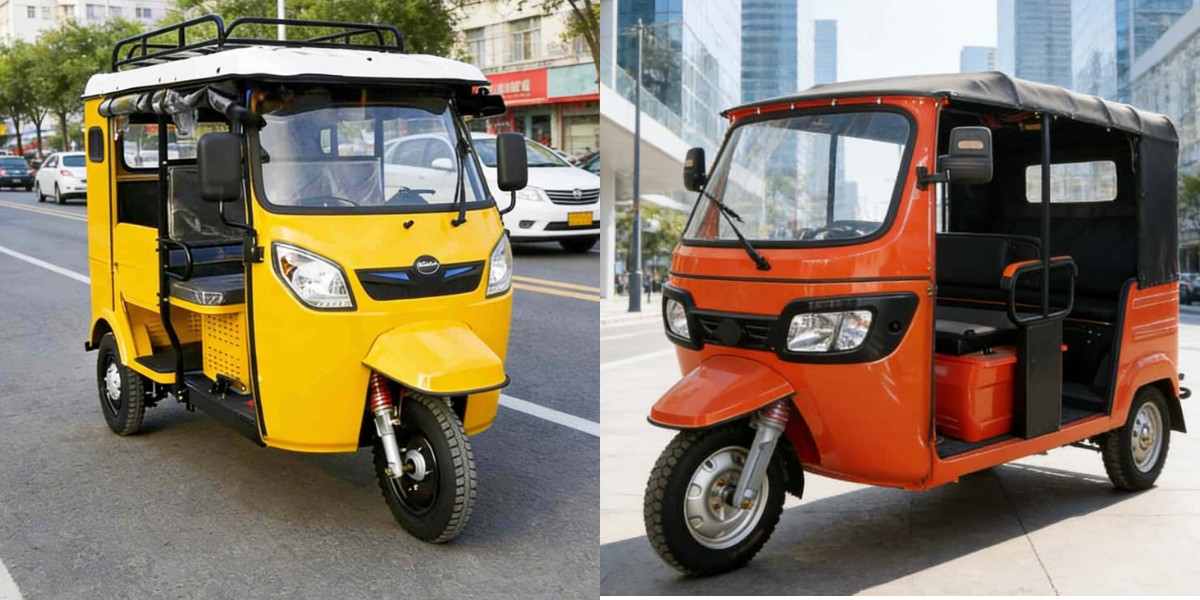
In South Asia, they’re a lifeline for people who can’t get other jobs. You don’t need a fancy license to drive one, they cost between ₹80,000 and ₹150,000 in India (cheaper than a car or even a petrol rickshaw), and they cut operating costs by 70% compared to petrol or CNG ones. In Bangladesh and Nepal, the streets are narrow and crowded—buses can’t get through, but e-rickshaws can. Drivers there carry passengers, sure, but also small stuff: vegetables, packages, even school books for kids. In Southeast Asia, Thailand and the Philippines are using them in tourist spots—colorful, quiet ones taking visitors along Bali’s beaches or Manila’s old streets, so tourists don’t have to breathe in exhaust fumes.
Even in Europe, they’re popping up. In Italy and the Netherlands, old city centers have strict rules about emissions, and the streets are too narrow for cars. E-rickshaws are perfect for tours—you can glide through cobblestone streets without making noise or polluting. In Africa, Kenya and Nigeria are using them ’cause fuel is hard to find. Drivers there love that they don’t need petrol, don’t break down much, and cost almost nothing to run. They use them to connect rural areas to small towns, so people can get to markets or hospitals without walking for hours. E-rickshaws aren’t just a “third-world thing”—they’re a solution wherever traditional transport doesn’t work.
3. More Than a Ride: E-Rickshaws Give People Jobs (And Help the Planet, Too)
Here’s the thing nobody talks about enough: e-rickshaws aren’t just for getting from point A to point B. They’re for giving people a way to make a living. I’ve met drivers in India who used to do odd jobs—carrying bags, selling fruit—barely scraping by. Now, with an e-rickshaw, they have a steady income. You don’t need a degree, you don’t need to speak English, and you don’t need a ton of money to start. The cost per kilometer is only $0.017, compared to $0.03 for CNG rickshaws—so drivers get to keep more of what they earn. In India alone, over 3 million people ride e-rickshaws every day, and hundreds of thousands of drivers depend on them to feed their kids, pay rent, and put food on the table.
And let’s not forget the planet. Those old petrol rickshaws spew out CO, HC, and NOₓ—bad stuff that makes cities smoggy and makes people sick. E-rickshaws don’t have any tailpipe emissions. I read a report once that said if just 5% more people in India switched to e-rickshaws, emissions would drop by 6.3% by 2030. That’s a big deal. Plus, they’re quiet—no more loud engines roaring through neighborhoods at 6 in the morning. If you’ve ever lived in a busy city, you know how nice that is.
For business folks, it’s a great opportunity. The e-rickshaw market hit $1.33 billion in 2025, and it’s supposed to grow to $2.16 billion by 2030—that’s a 10.1% growth rate. There are so many ways to get involved: battery swapping stations (so drivers don’t have to wait to charge), shared e-rickshaw fleets, even renting them for tours. It’s a green business that actually helps people—not just makes money.
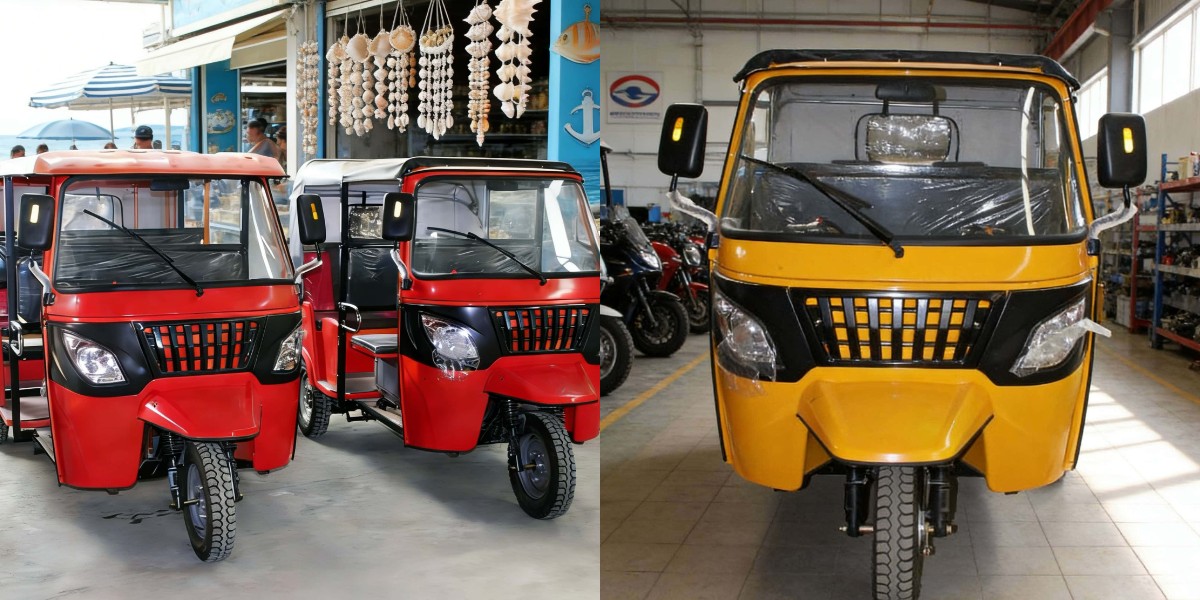
So, what is an electric rickshaw? It’s not just a three-wheeled vehicle. It’s a way for a driver to feed his family. It’s a way for a commuter to get to work without spending a ton. It’s a way to make cities cleaner and quieter. Whether you’re someone who needs an affordable ride, an entrepreneur looking for a good business idea, or just someone who cares about making the world a little better, e-rickshaws are here to stay. They’re not perfect, but they’re doing more good than most people realize—one quiet, clean ride at a time.
If you wanna learn more—whether you’re a driver trying to pick the right battery, an entrepreneur wanting to get into the market, or just curious about how e-rickshaws work—our guides break it all down. No fancy words, no useless fluff, just real info for real people.