
How fast can an e-rickshaw go?
Last week, I took an e-rickshaw from Delhi’s metro to my friend’s place in Karol Bagh—y’know, the one near the big market? Halfway there, I was just staring at that little speed dial thing, if you can even call it a speedometer. It was stuck around 22 km/h, and I was like, “Is this thing even able to go any faster?” So I asked the driver—guy’s been driving these things for 5 years, right? He laughed and was like, “Depends, man. Some days, some rickshaws? They’ll go fast enough that you gotta hold on tight. Most days? Nah, this is as good as it gets.” That got me curious, y’know? So I spent a few days just chatting with drivers, checking out their rickshaws, trying to figure out why some are fast and some are just… slow. Trust me, it’s not just a “fast” or “slow” thing—there’s way more to it than that.
Honestly, if you’ve ever ridden one of these things, you get what I’m saying. They’re nothing like cars—super light, rattle a little when you hit a pothole, and weave through traffic like they’re part of the crowd, not just driving on the road. But how fast do they actually go? I’m not gonna hit you with all that fancy tech stuff or made-up numbers. This is just what I learned, straight from the guys who drive these every single day. No AI crap, no scripted lines—just real talk, y’know?
1. Not All E-Rickshaws Are The Same—Some Crawl, Some Actually Cruise
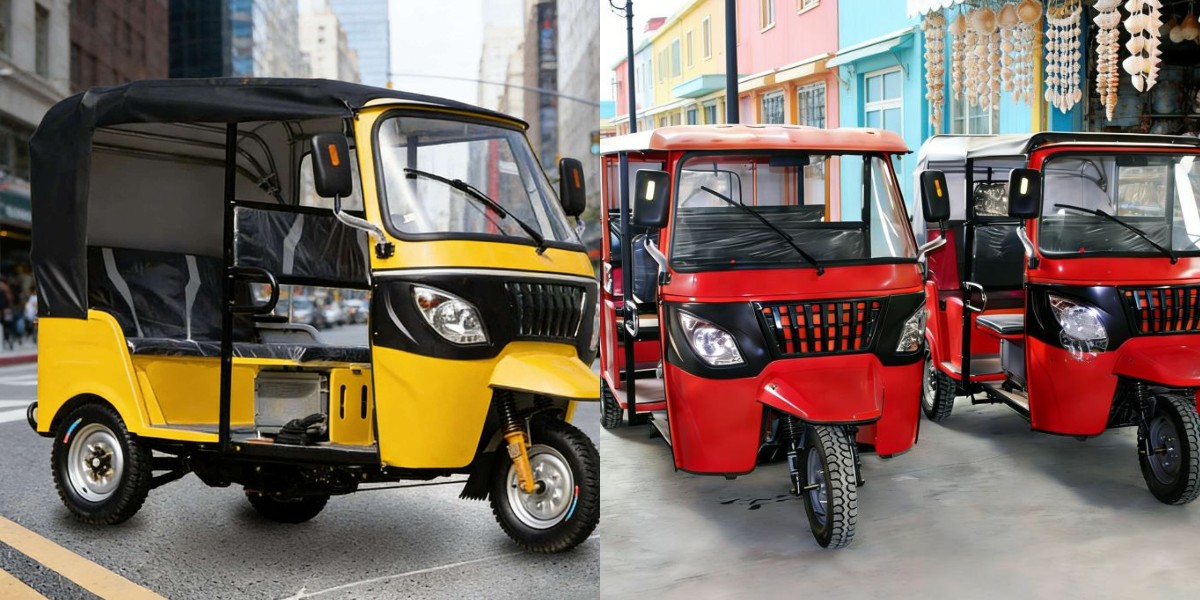
Let’s start simple, okay? The e-rickshaw you wave down outside the metro? It’s not the same as the one hauling crates of veggies, or the one taking people to the airport. I saw three different kinds in two days, and their speeds? Total night and day. Like, you wouldn’t even think they’re the same type of vehicle.
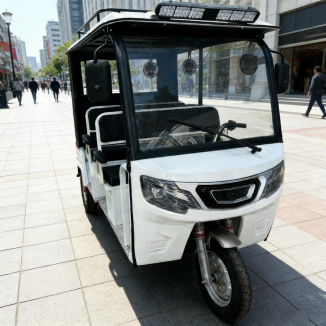
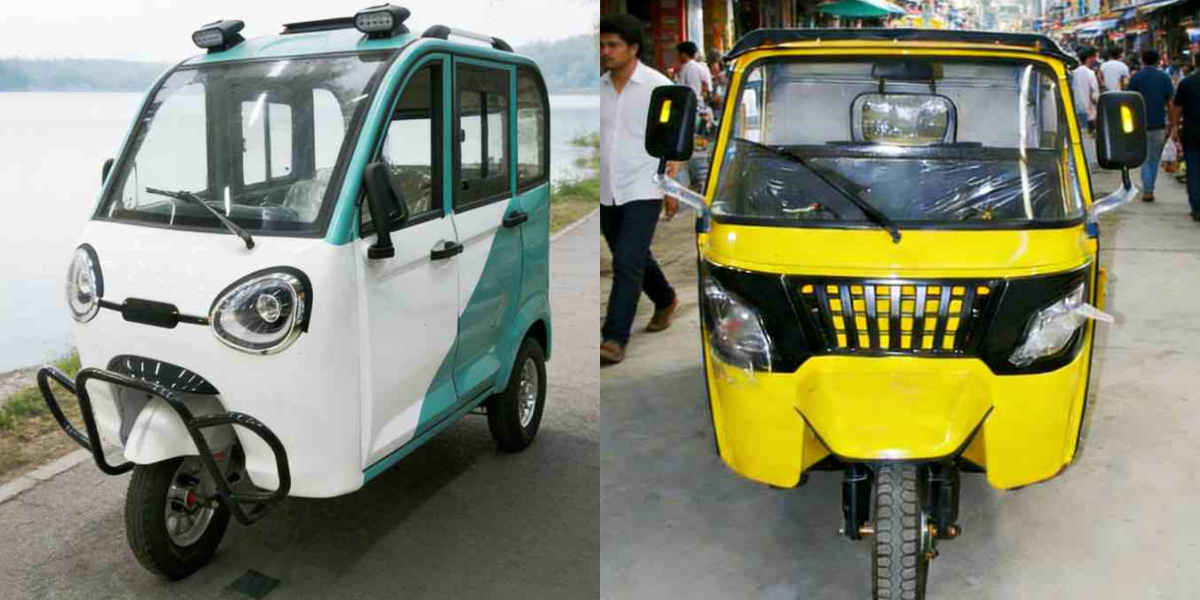
The ones you see everywhere—small, colorful, fit 3 or 4 people max? Yeah, those are the “city crawlers,” as the drivers call ’em. I talked to one driver, Raju, and he said he’s never gotten his above 25 km/h, even when the roads are totally empty. “Nah, why would I?” he said. “These roads are packed—pedestrians, bikes, other rickshaws. Go any faster, and you’re asking for a crash. Not worth it.” He showed me his motor—800W, tiny, nothing fancy—and his battery, 48V. “It’s made to save power, not go fast,” he told me. “I drive 12 hours a day, man. If I had a bigger motor, I’d run out of charge by noon. Can’t make money if I’m stuck recharging.” Makes sense, right? These are for short trips, not speed.
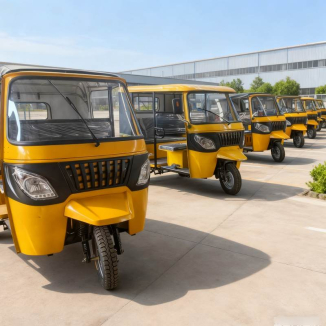
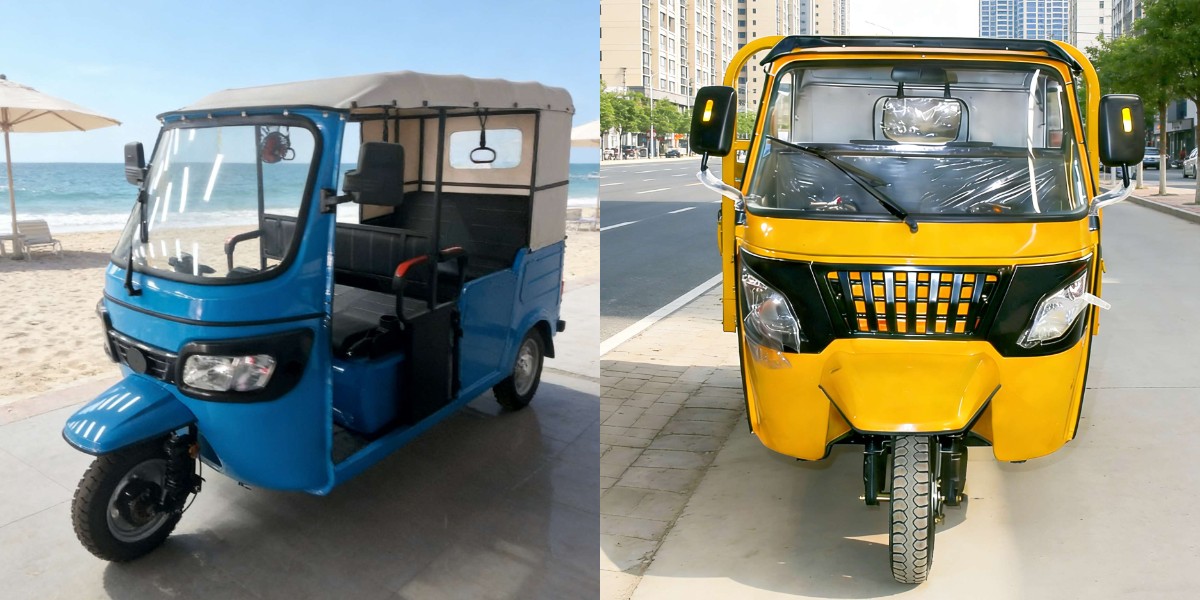
Then there’s the ones that look a little sleeker—longer, lighter, bigger wheels. I saw one near the airport, driven by a guy named Arjun. He said his can hit 50 km/h on a good day, no lie. “This is for longer trips,” he told me. “People going from the city to the airport, or to nearby towns. I got a 2000W motor and a 72V battery—way more power. But I never drive that fast in the city, man. Too dangerous. Out on the highway, though? Smooth as butter.” I hopped in for a quick ride, and yeah—picked up speed way faster than the city ones. Felt almost like a small scooter, honestly.
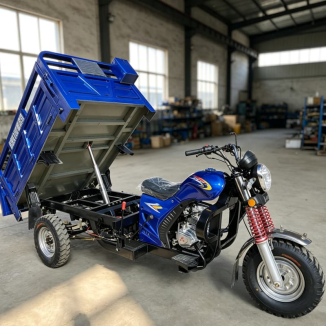
And then the cargo ones—oh man, those are slow. I saw one loaded with 10 crates of mangoes, moving so slow I could walk next to it and not even break a sweat. The driver said even when it’s empty, it only goes about 20 km/h. “It’s built to carry weight, not go fast,” he said. “Frame’s reinforced, motor’s smaller. If I tried to go faster with all this weight, I’d burn out the motor. Ain’t worth the money to fix it.” Total sense—you don’t need speed when you’re hauling heavy stuff around.
2. The Parts That Make It Go—Drivers Know Way Better Than Any Engineer
Look, I’m no engineer. I don’t care about all those technical specs and fancy words. But these drivers? They know every single part of their e-rickshaws like the back of their hands. I asked ’em what makes one faster than another, and they broke it down in plain English—no jargon, no nonsense. Just real talk.
First off, the motor. Raju said wattage matters, but not as much as people think. “My 800W motor’s fine for the city,” he said. “But if I put a 2000W motor in this rickshaw? It’d be too much—this frame can’t handle it, and I’d run out of charge in a couple hours. Waste of time.” Arjun, with the fast one, said his 2000W motor’s paired with a different type—permanent magnet synchronous, he called it. “It’s more efficient,” he said. “Goes faster without using more battery. Worth every rupee I spent on it, man. Saved me a ton in charge costs.”
Then the battery. Voltage’s key here, apparently. “A 72V battery’s faster than a 48V, but only if it matches the motor,” Raju told me. “I tried putting a 72V battery in my old rickshaw once—total disaster. The motor couldn’t handle the power, kept slowing down, and eventually burned out. Wasted so much money on that. Stupid mistake.” He also said old batteries slow things down. “After a year, my battery started losing power. I used to hit 25 km/h easy; now I’m lucky to get to 22. Gotta maintain ’em, or you’re stuck crawling all day.”
And the controller—Arjun calls it the “brain” of the rickshaw. “A cheap controller’ll ruin a good motor, no question,” he said. “I had a 3000W motor once, but the controller was cheap garbage. Only worked like a 1500W motor—couldn’t go faster than 30 km/h. Replaced the controller with a good one, and now it hits 50 easy. Trust me, don’t skimp on the controller. It’s worth the extra cash.”
3. Real Life Kills Speed—You’ll Never See an E-Rickshaw at Full Tilt
Arjun’s e-rickshaw can hit 50 km/h, but he says he only does that once or twice a week—when the roads are empty, no traffic, no pedestrians. Most days? He’s stuck at 25 km/h, same as Raju. Why? ’Cause real life gets in the way, man. You can’t just floor it and go fast in a city.
First, the rules. In Delhi, the government caps e-rickshaws at 25 km/h. “They put a speed governor in every single one,” Raju said. “Even if your motor can go faster, the governor stops it. Try to remove it, and you get fined. Ain’t worth the hassle. I got a family to feed—can’t afford that.” I checked, and it’s the same in Bangkok and Jakarta too—most cities cap ’em at 25 km/h to keep people safe. Some are even talking about lowering it to 20 km/h ’cause crashes are too common.
Then there’s the terrain. Delhi’s got a bunch of small hills, and even a little incline slows these things down. “With 3 passengers, I lose 10 km/h going up a hill,” Raju said. “Steep hills? I’m lucky to hit 15 km/h. These rickshaws are light—can’t handle hills and speed at the same time.” Weight matters too—every passenger, every box, slows it down. “50kg extra, and you lose 5 km/h,” Arjun said. “Cargo rickshaws are loaded with 200kg sometimes—they can’t go fast even if they wanted to. Too much weight.”
And the weather? Don’t even get me started. Rain makes the roads slippery, so drivers slow down to avoid sliding into something. Wind—especially strong headwinds—pushes against the rickshaw, makes it harder to go fast. “I lost 10 km/h in a storm last month,” Arjun said. “Felt like I was driving against a wall. And potholes? Hit one too fast, and you’ll break the suspension. My rickshaw’s my livelihood—I can’t afford to fix it. So I take it slow over those.”
So, How Fast Can an E-Rickshaw Go? The Real, No-BS Answer
After talking to all these drivers, here’s the real truth—no lies, no fluff. Most e-rickshaws go 20–25 km/h in the city. The fast ones can hit 45–55 km/h, but only when the stars align—empty roads, no wind, no hills. And cargo ones? 20 km/h max, even when they’re empty. That’s just how it is.
But here’s the thing—they don’t need to be fast. They’re for getting you from point A to point B, cheap and easy. If you’re waiting for an e-rickshaw to keep up with a car, you’re gonna be disappointed. But if you just need to get home from the metro, or pick up groceries from the market? They’re perfect. Does the job, no fuss.
The drivers don’t care about speed—they care about keeping their rickshaws running, making money, and staying safe. And honestly? That’s all that matters. E-rickshaws aren’t speed demons. They’re just… useful. And that’s more than enough. Trust me on that.