
What Buyers Should Know About Payload and Torque on Gasoline Cargo Tricycles
For years we've supplied petrol heavy loading gasoline tricycle units to small farms and delivery shops. The same two questions come back every time: how much will it haul, and will it climb your hills? Too many buyers pick a fuel motor cargo trike on price or looks, skipping the figures that matter. The two they miss are rated payload and sustained torque, and this guide covers them.
Rated Payload: The Number That Protects the Frame
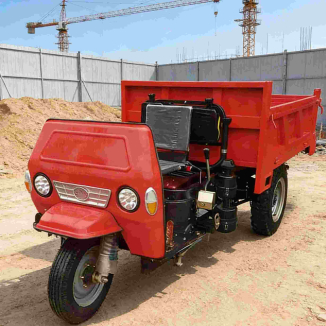
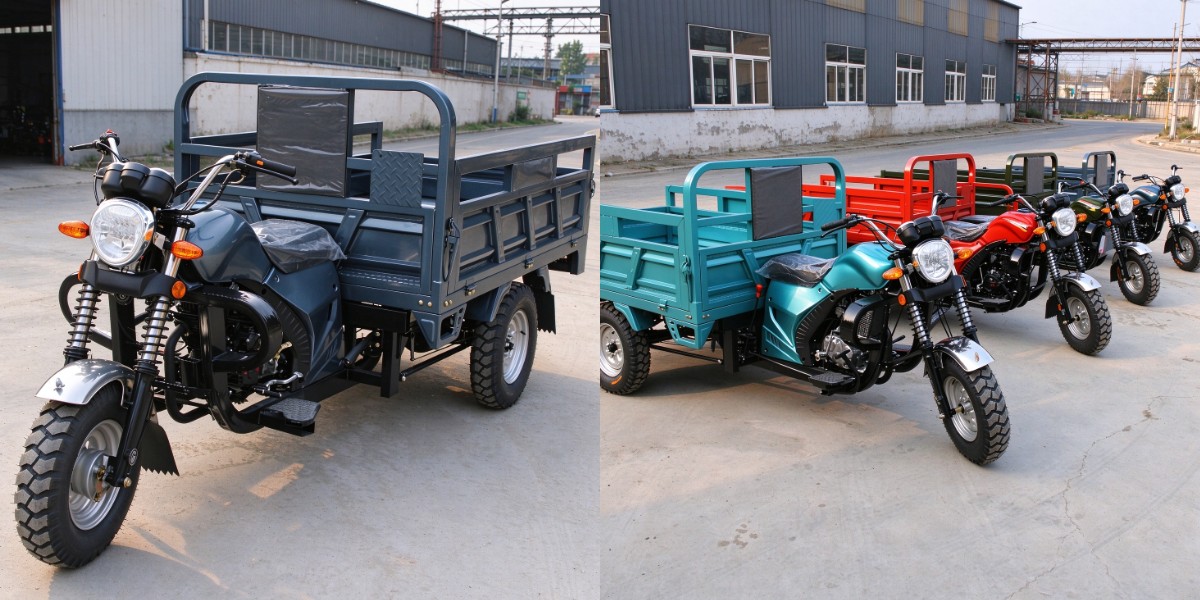
Let's be clear about what a payload rating is. It isn't a guess the factory printed to look good. It's the load the frame, suspension, axle and brakes can all safely take together, after testing. Every gasoline cargo tricycle leaves with one. The heavy-duty versions reach a higher figure because the frame and parts are built heavier. But higher isn't open-ended. Push past it and the problems start, quietly at first.
Run a gas cargo tricycle over its limit and the steel fatigues early. Brake parts wear out ahead of schedule. The handling gets loose in a way you feel but don't catch right away. No engine makes up for a frame that wasn't built for the weight. So what do we tell customers? Weigh your normal load. Add slack for the heavy day that hits once a month. Then buy a fuel motor cargo trike rated above that, not just the one with the biggest number on the brochure.
Sustained Torque, Not Peak Horsepower, Wins on Hills
Everyone asks about horsepower. But torque is what turns the wheels, the actual pull at the axle, and horsepower just tells you how fast you can deliver that pull. For hauling, the pull is the thing. And the number that matters day to day is sustained torque, the pull the engine holds through a long grade, not the spike it shows for a second.
A gasoline cargo tricycle with good sustained torque will climb the same hill ten times without hunting for a gear or running hot. That's why our hilly-route customers do better with a petrol heavy loading gasoline tricycle built for low-end grunt. Take a gas cargo tricycle short on low-end torque and you'll see the gap fast: it leaves the stop fine on level road, then loses its nerve once it's loaded. We tell buyers to read the engine by its low-end and sustained torque first, top speed last. A well-set fuel motor cargo trike mates a quick take-off with a steady low pull, the combination freight actually asks for.
Practical Strengths for Daily Transport
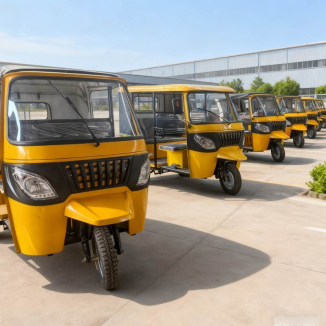
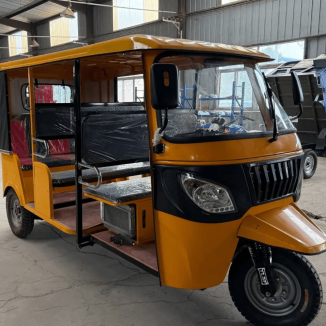
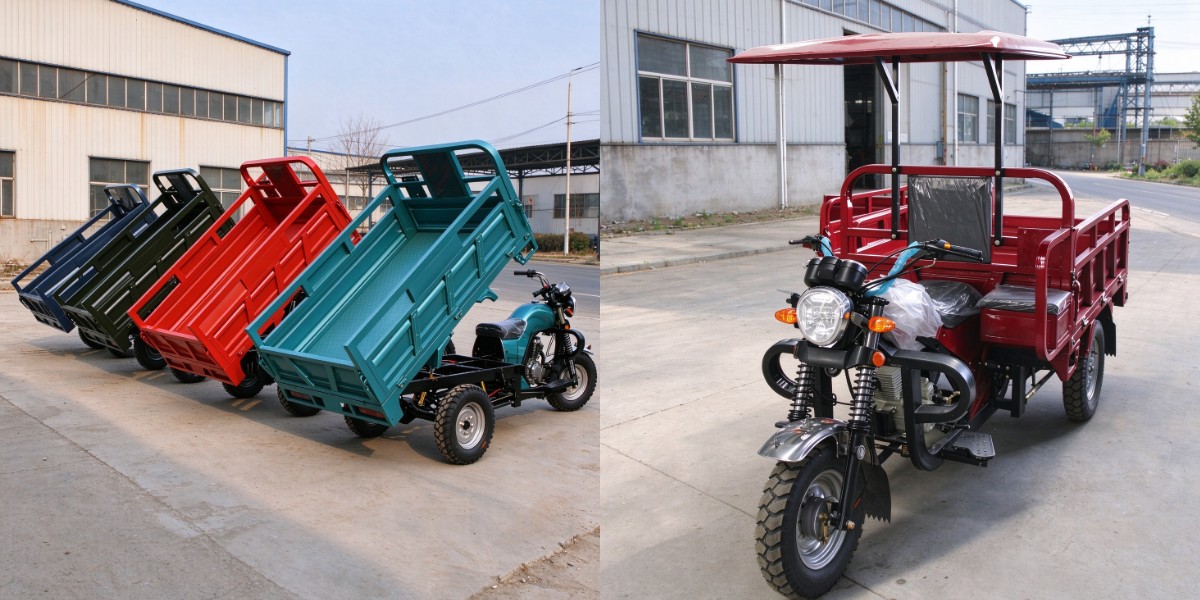
Set the spec sheets aside for a minute. A well-built gasoline cargo tricycle earns its keep by nothing more than its shape. Three wheels give a narrow track and a short wheelbase. Our heavier petrol heavy loading gasoline tricycle threads lanes, alleys and farm tracks , and that short wheelbase tightens the turning circle in a cramped yard.
Pile on more load and the same unit holds its small footprint even with more on board. A fuel motor cargo trike in the same class also shrugs off rough, unpaved ground and wet weather. That small size is why a gas cargo tricycle reaches customers down paths a bigger truck won't go near. Set the bed, power and fittings to your real load and the machine fits the job better than any fixed, one-size model we've come across.
Easy to Drive, Cheap to Keep Running
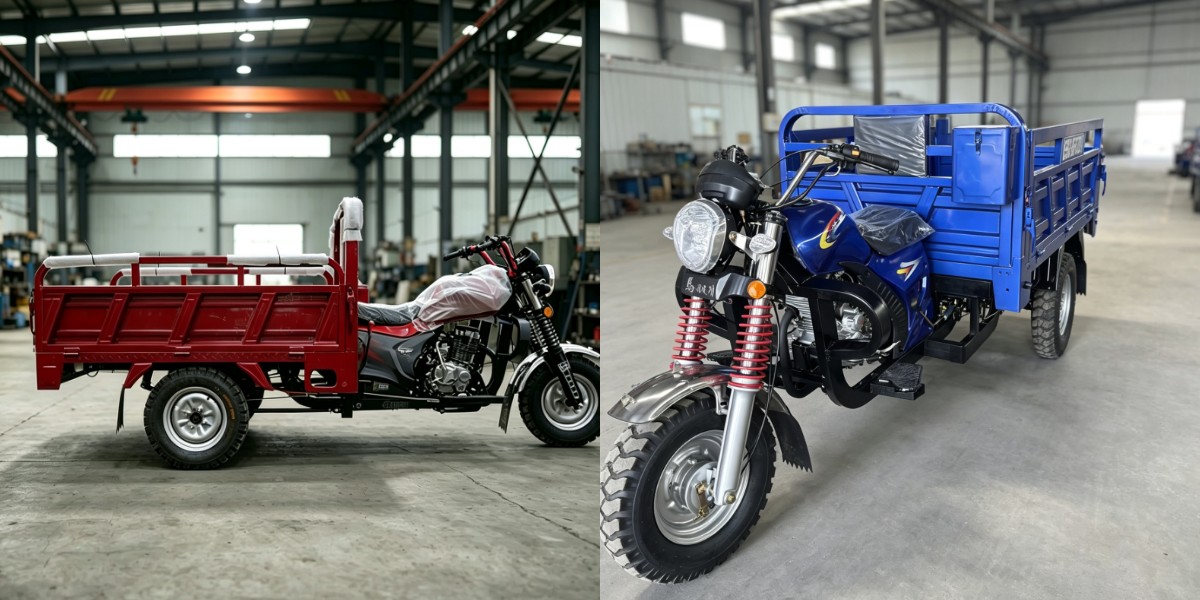
One reason our fuel motor cargo trike keeps selling is how little it asks of the driver. Most gasoline cargo tricycle models use a manual box with light steering and simple controls, so a beginner is confident in a day. Most shops stock the parts, and a small-engine mechanic can handle the common engine. Day-to-day care stays plain: watch tire pressure, brake fluid and engine oil. Against a full-size truck, the petrol heavy loading gasoline tricycle runs up a fraction of the yearly repair bill, after years of use.
How to Choose and Skip the Common Traps
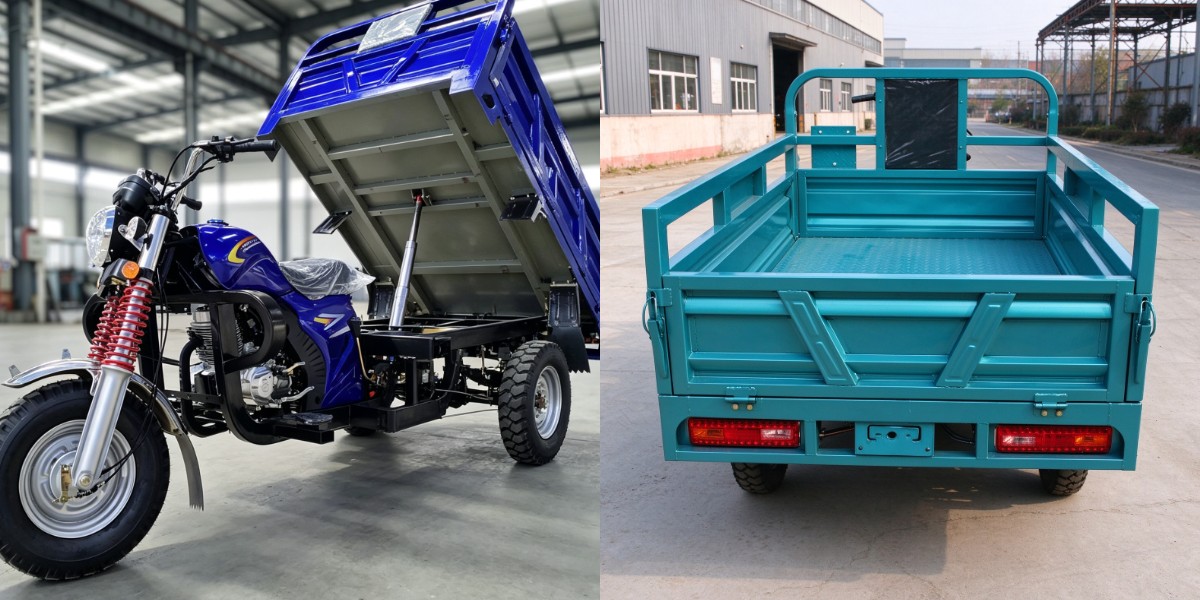
What you need is a gasoline cargo tricycle that fits your payload, torque, terrain and distance. Map the routes you drive most. A flat street is nothing like a muddy track or mountain grade, and the right machine shifts with both.
If climbs turn up often, get a fuel motor cargo trike tuned for low-end pulling torque. Pick a gas cargo tricycle on that basis and you'll cut early failures, lose less repair time, and squeeze more from the money you put in, year after year.