
Why Savvy Gas Tricycle Distributors Look Beyond Upfront Cost to Long-Term Reliability
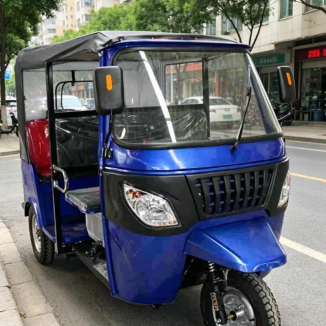
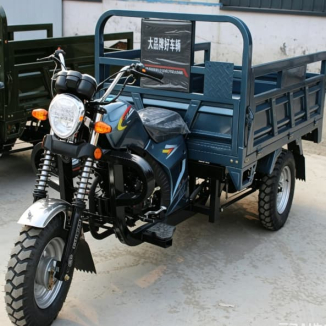
Talk to a distributor with ten years in three-wheelers and a pattern shows up. The talk has moved from "lowest quote" to "what holds up once it's on my customer's road." That shift matters, because the true cost of a commercial gasoline cargo tricycle isn't only the invoice number. It's the running cost across a hard season. The durable diesel tricycle earns loyalty because operators plan around it. Many dealers also work with a diesel tricycle motorcycle manufacture to add fuel options their markets ask for. None of it says cheap units are wrong. It says distributors are matching product to job better.
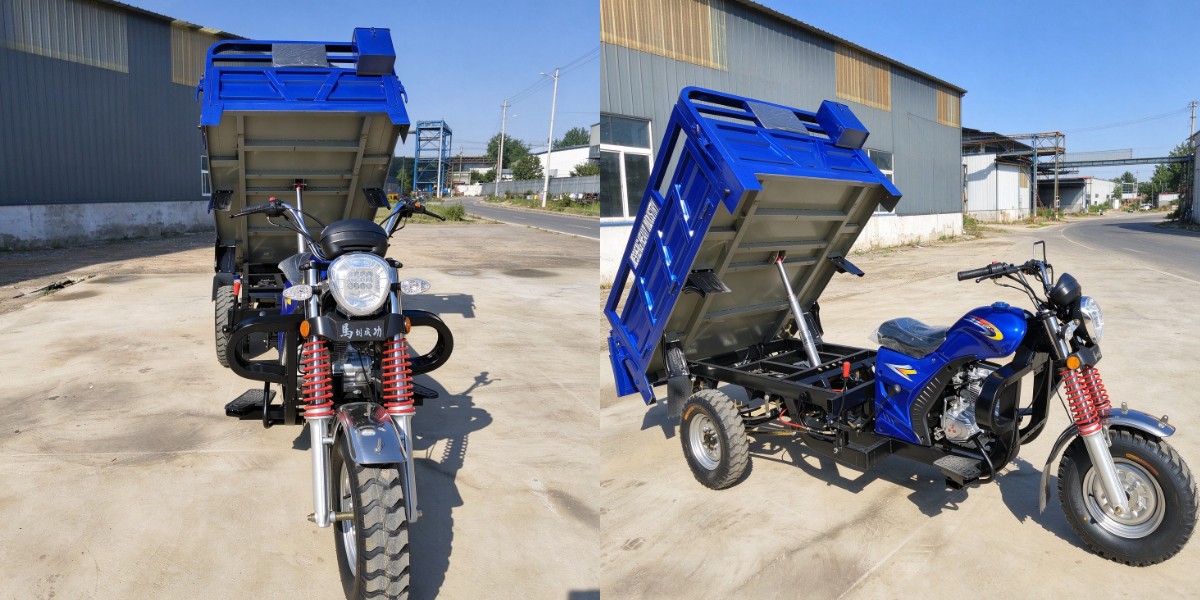
Upfront Price vs Total Cost of Ownership for Commercial Gasoline Cargo Tricycles
A low quote wins attention - and every distributor guards the margin. After a few seasons the lesson lands: a commercial gasoline cargo tricycle carries two prices, the dock price and the year of running cost. Lower-spec builds with lighter frames and simpler internals tend to need service earlier and burn through parts under daily load. Every workshop visit is labour, a shipment, days the machine isn't earning. One distributor tracked a budget batch that needed roughly three times the parts of his standard line across the same window. He didn't regret the buy. He just folded the follow-up work into the next order's price. The arithmetic only clicks once you've written both columns down.
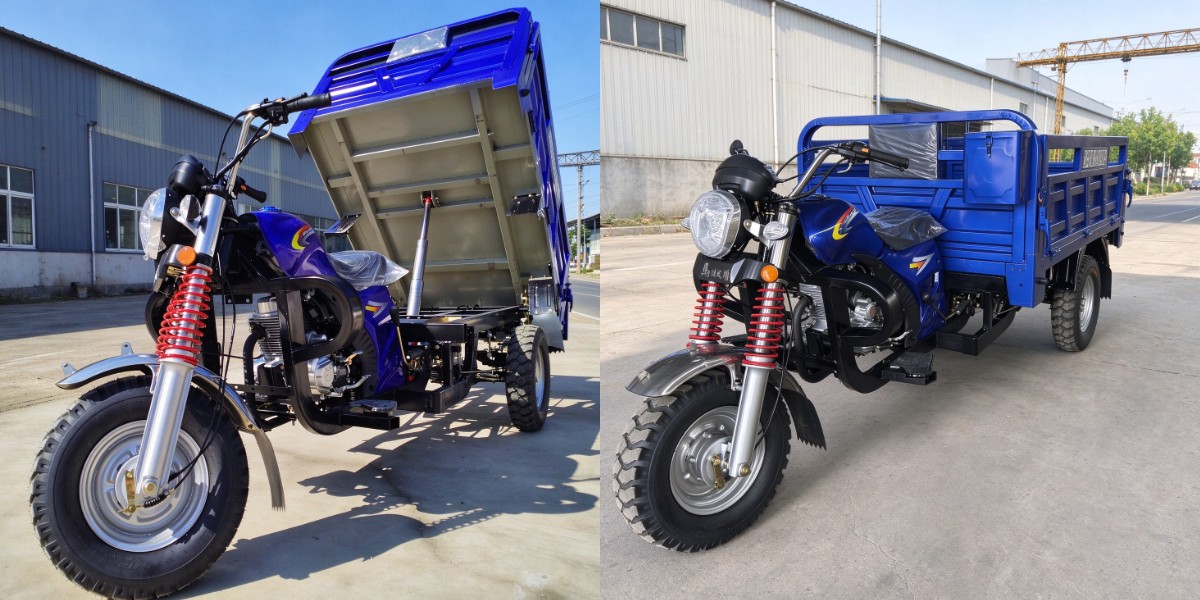
Engine Build Quality Shapes the Durable Petrol Cargo Tricycle Experience
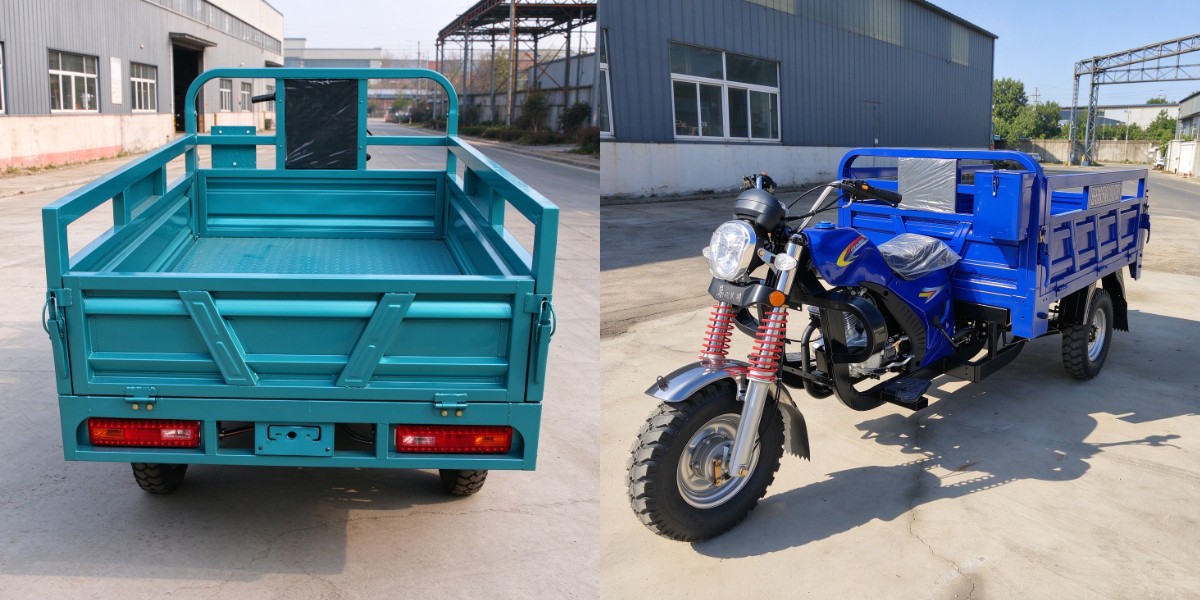
Strip a durable petrol cargo tricycle back and the engine is doing the quiet work. Tight tolerances, steady cooling, consistent fuel delivery - it holds efficiency through heat, hills and a full load without drama. Why should a distributor care? Because it lets you promise a delivery window and actually keep it. Buyers who read lifecycle data instead of just the sticker send fewer units back and field fewer complaints. Good engine numbers were never a sales pitch. They're what keeps the support desk from catching fire.
Spare Parts and After-Sales Keep Distributor Operations Steady
Nothing runs forever, and the commercial load tricycle is no different - parts get swapped sooner or later. A normal week and a stranded one come down to one thing: how fast that part lands. Suppliers with limited product ranges may lead to extended lead times for bearings not stocked in bulk, leaving the buyer's equipment idle. The partners worth keeping, including a dependable diesel tricycle motorcycle manufacture, put out clear parts lists and deliver on schedule. Quick turnarounds cut idle time and hand you a service lane that pays. Past next quarter, parts access ranks right alongside the build itself. A durable petrol cargo tricycle is only as available as the shelf behind it.
Buyer Demand Is Leaning Toward Reliable Cargo Tricycle Options
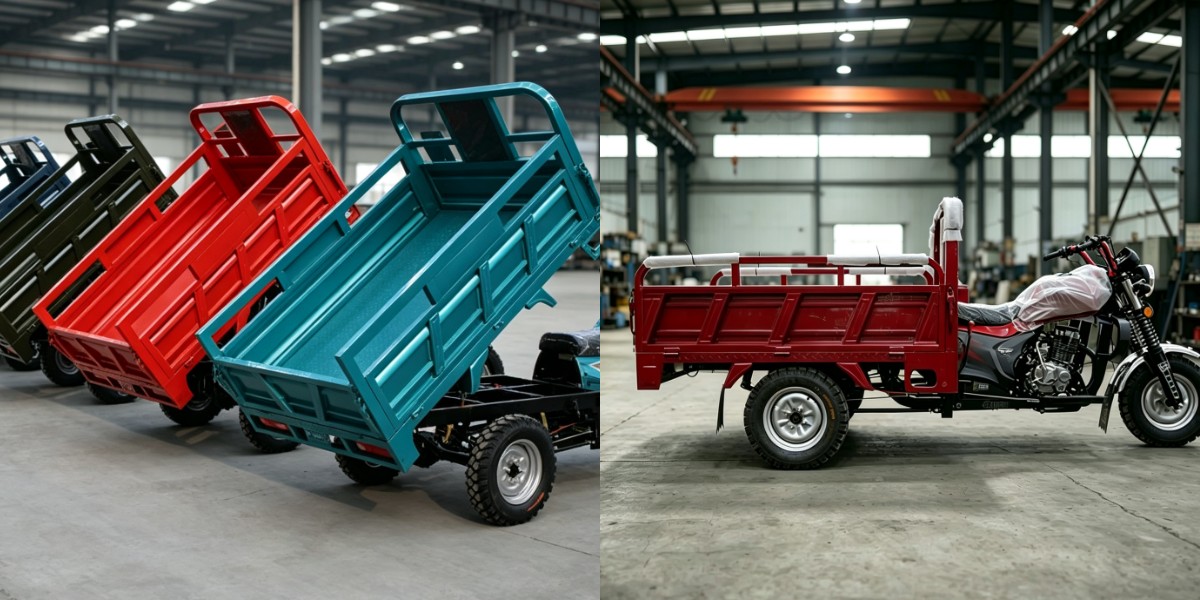
Out in the field, the talk has changed and distributors hear it first. Across emerging markets, small operators and family farms weigh more than price now. They want a commercial gasoline cargo tricycle that carries the load, starts on a rough track, and keeps value a couple of years in. Plenty pay more for a durable petrol cargo tricycle that stays on the road through a busy season. Dealers who stock dependable lines build a repeat base and a reputation that markets itself. Reliability has become a deciding factor for the thoughtful buyer.
How Distributors Build Steady Supply Chains Around Quality Tricycles
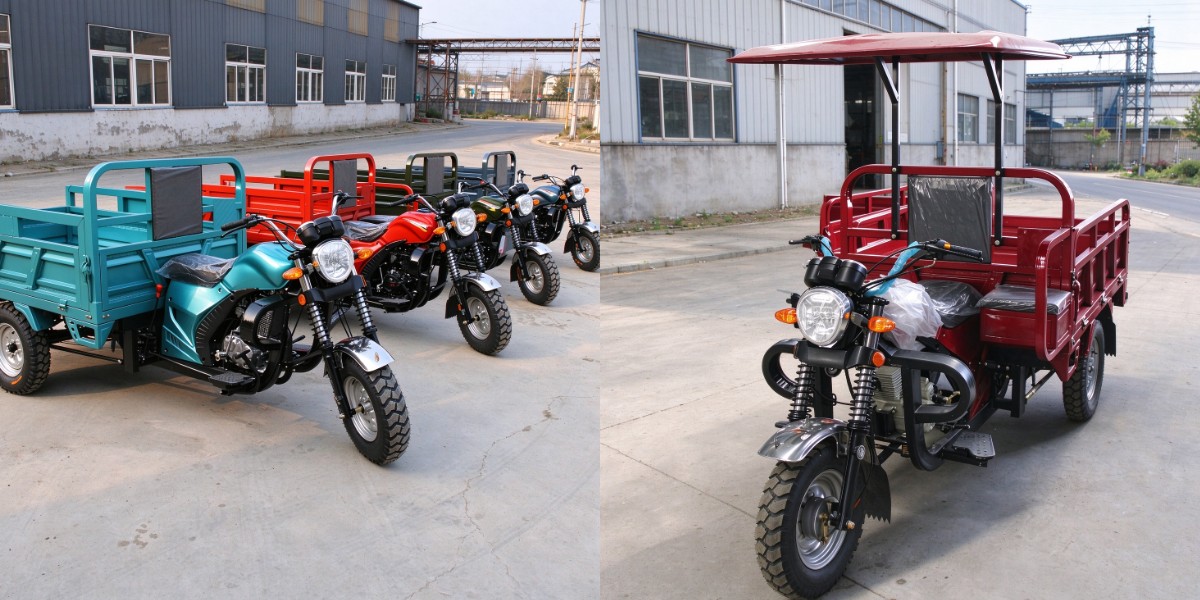
Choosing reliability as a priority tends to steady the supply chain too. Working with serious manufacturers usually means consistent specs, reliable delivery and room to adapt. The partners worth keeping share one habit before shipping: they test. Thoroughly. Fewer defects mean fewer surprises, so a distributor can plan stock and write honest marketing around durability. Those who hunt fresh suppliers each season restart trust-building each time. The ones who commit to a quality partner keep growing. Same market, different rhythm.