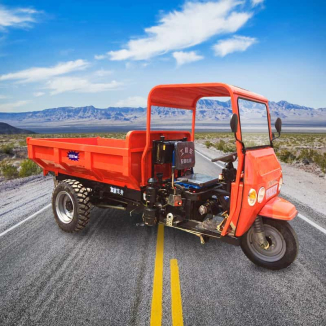

One Machine, Many Jobs: The Petrol Cargo Tricycle As A Rural Multi-Purpose Business Tool
Ask most folks what a petrol cargo tricycle is for and you'll get the same answer fast: hauling crops. Which really undersells it. Out in rural towns the petrol cargo motor tricycle has wandered well past the farm gate, picking up work nobody pairs with a three-wheeler - and doing it on the very frame that used to carry nothing but grain. Why do operators call it a multi-purpose business tool? Because you buy the thing once and then point it at a different kind of work almost every day. What follows are the jobs that quietly kill the "crops only" reputation, and the bits of the machine that actually make each one work.
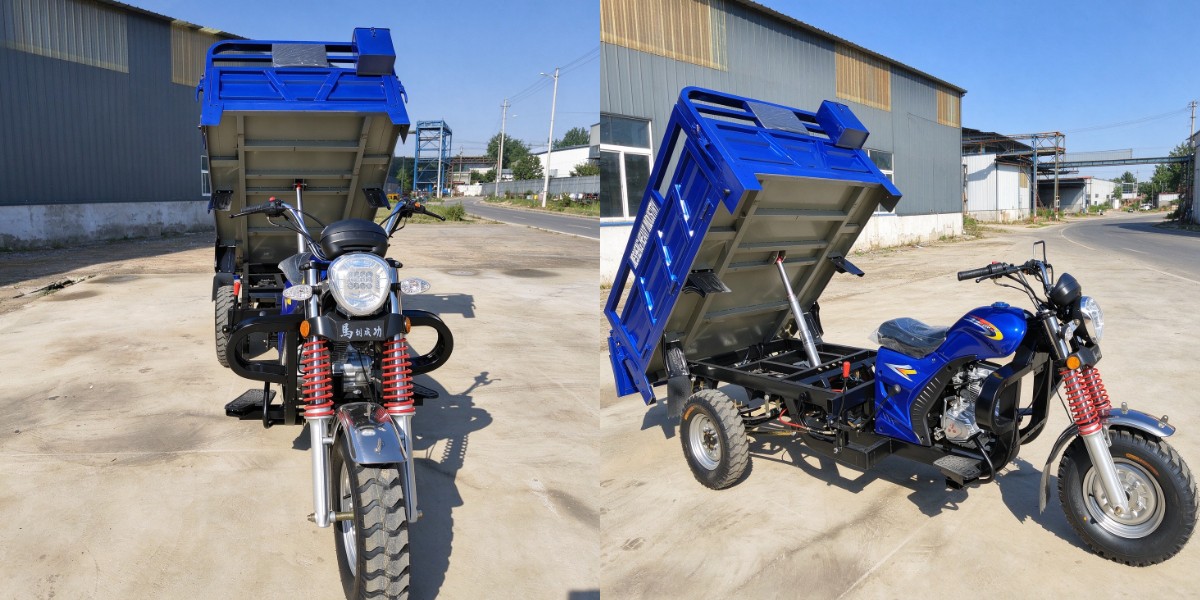
Dry-Season Water Runs: Turning the Trike Into a Rolling Tanker
When the wells drop and the dry months roll in, water's the thing worth moving most. A high load 3 wheel petrol motorcycle takes that on without fuss: bolt a row of jerry-cans or a fitted tank to the flatbed and it hauls a few hundred liters out to homes, small workshops and livestock pens the pipes never reached. Load sits low, three wheels keep it planted, so a full run stays safe on the rutted tracks between villages. For the operator, a machine that'd sit idle in the wet season turns into a daily earner the minute the taps go dry. Neighbors who walked for water now wait at the gate instead. It's not glamorous work - but it's the work that gets done while bigger trucks are nowhere to be seen.
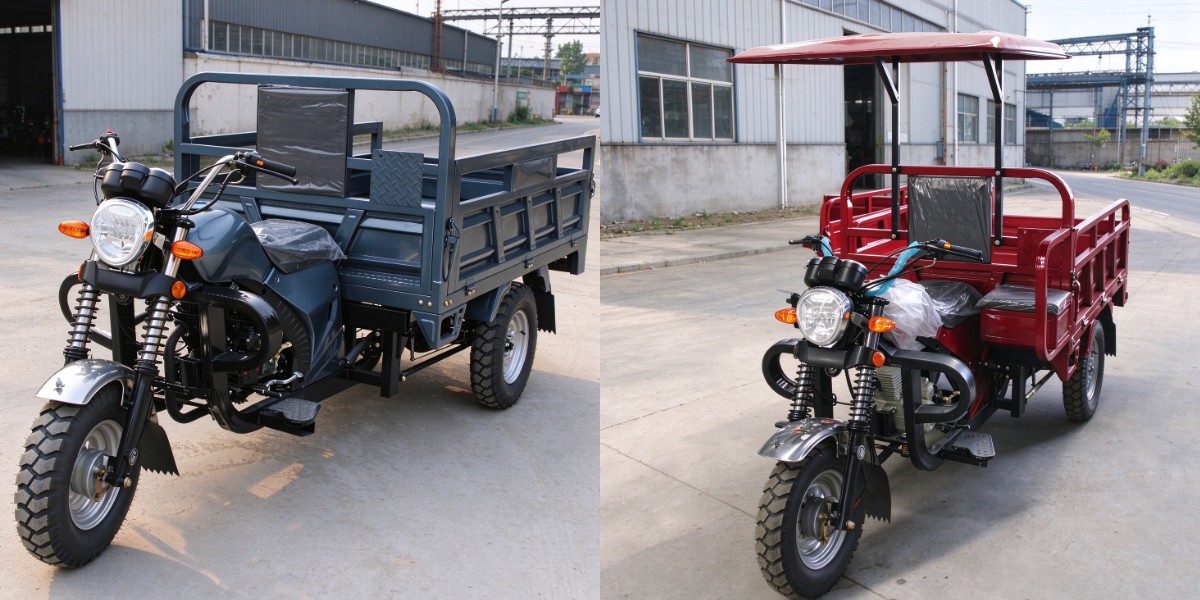
Scrap and Recycling Collection: A Payload Built for Bulky, Heavy Loads
Recycling doesn't look like farm work, yet the trike fits it. A gasoline commercial tricycle pulls scrap metal, plastic bales and worn parts through villages and the scrappy edges of small industrial zones - places a pickup's too wide for and a handcart's too slow. The reinforced frame takes dense, awkward stuff, a stack of aluminum, a cage of bottles, that'd sink a lighter rider. Open low bed means load and unload go quick, and the route can wind through alleys a truck would block. One operator clears a whole district's round on a single tank, then does it again tomorrow, cash in hand from the yard. What starts as "junk" becomes a steady income line most people never connect to a three-wheeler.
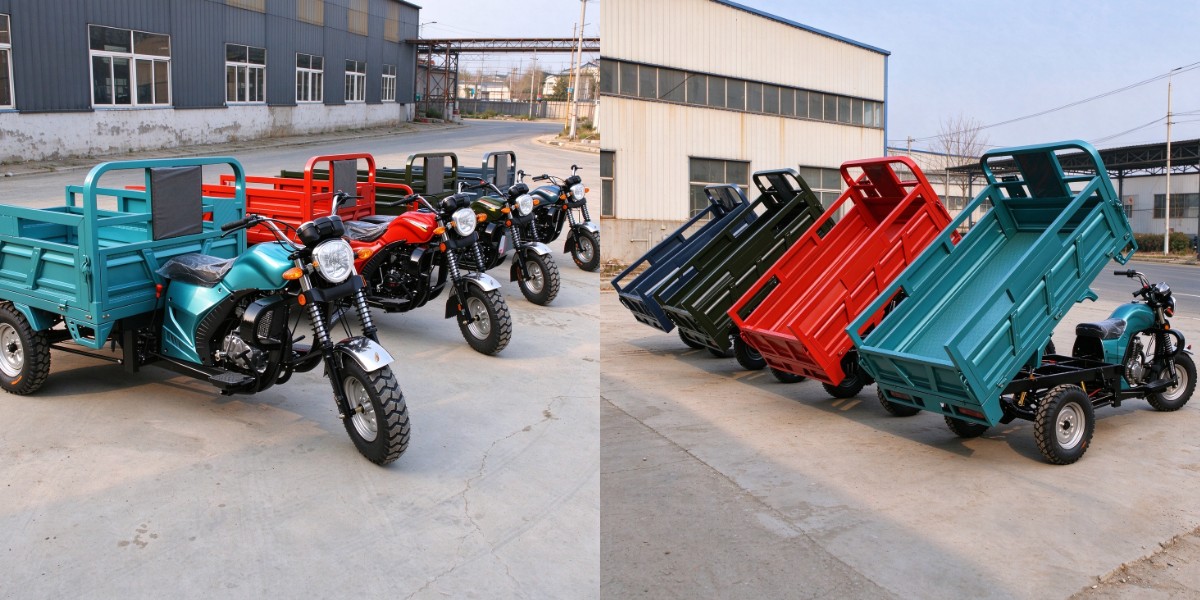
Mobile Market Vending: A Shop on Wheels That Follows the Crowd
Third job? It stops being a hauler and turns into the seller. The petrol cargo motor tricycle becomes a stall on wheels - throw on some racks and a shade frame and the cargo bed's a shop that parks wherever people bunch up, a market square first thing, a bus stop when school kicks out, a festival field come the weekend. The small size is what makes it work; a vendor slides into the gap between two fixed stalls and clears off the moment the crowd does. Range and a quick splash of fuel let the stall chase the demand across town before the light goes. No rent, no lease, just retail off the same vehicle that carted the stock in. Oldest trick in selling, really - take the goods to the buyer instead of waiting.
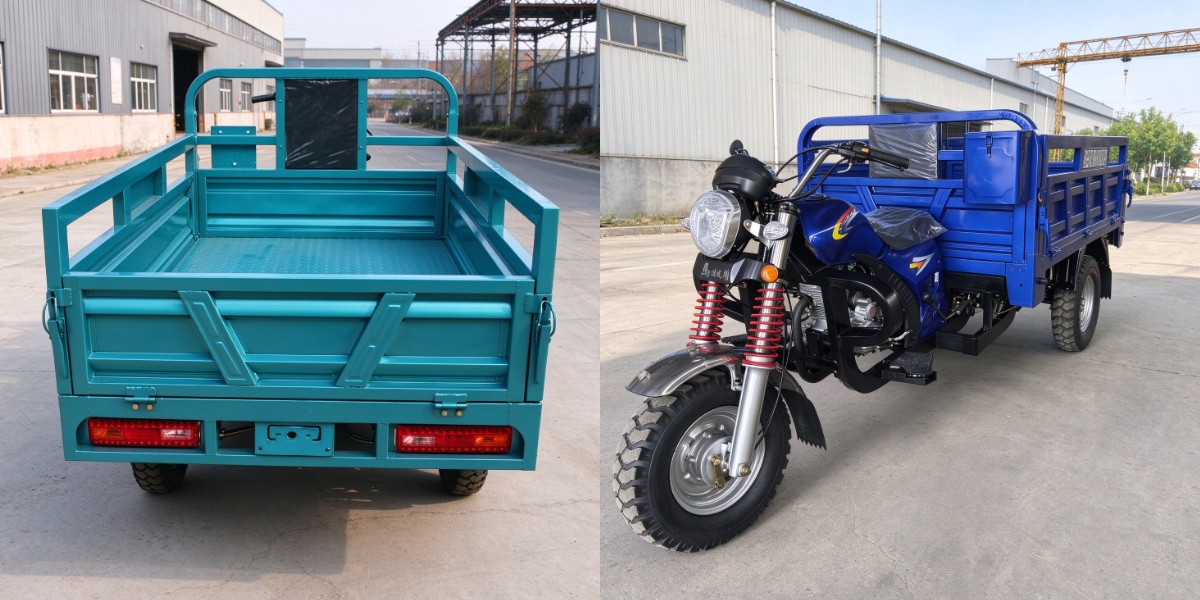
Farm and Site Haulage: The Original Jobs Still on the List
None of that says the original work disappeared. The same gasoline commercial tricycle still hauls harvested crops, feed sacks, building materials - up the inclined tracks that stop a loaded handcart, carrying weight a motorcycle was never meant to, run after run. The petrol engine pulls from low down, so a full bed gets rolling off the line, and you can set the drivetrain for the local ground, which means the steep-road operators get the gearing their actual routes want. Line that up beside the water runs, the scrap and the vending: this was never a farm tool that helps out occasionally. It's a working vehicle, and the list of jobs just keeps growing. Where it ends, nobody's worked out yet.
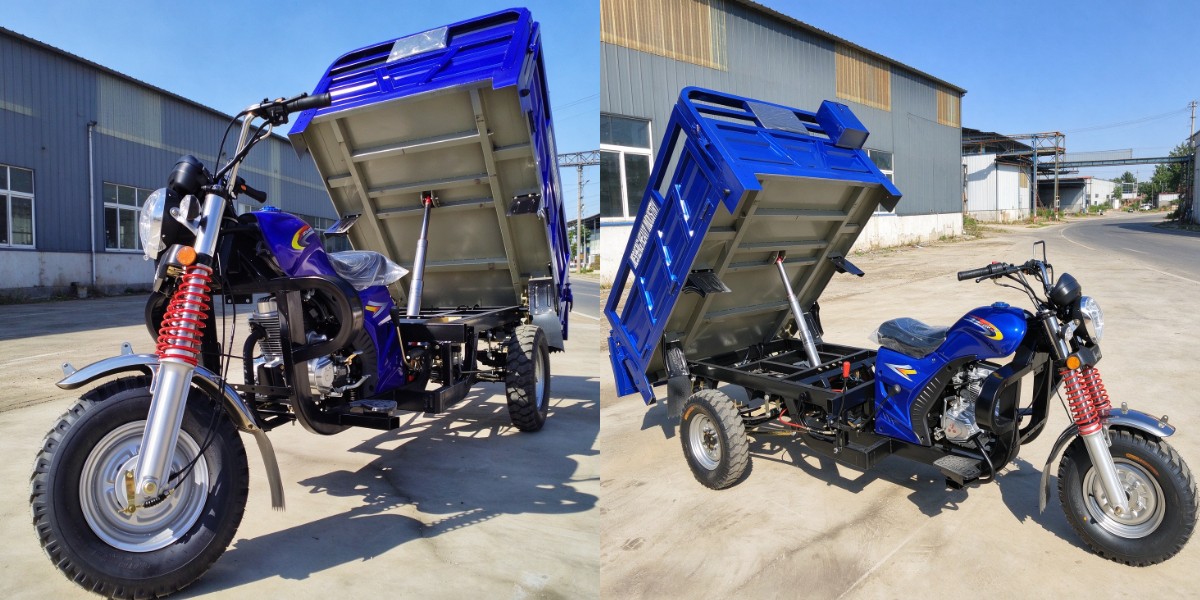
Easy to Run, Cheap to Keep: Why One Machine Can Hold So Many Jobs
A tool only keeps the "multi-purpose" name if one person can work it across all that and keep it alive. A manual box and light steering - a new rider's moving loads by the end of an afternoon, so the whole household or crew shares it instead of one person being the holdup. The upkeep's the dull part, in a good way: the engine's a design every back-street mechanic's seen a hundred times, parts sit on shelves in towns you couldn't point to on a map, and most of them already know it cold. Day to day it's three things - tire pressure, brake fluid, engine oil. That easy handling and low cost is why one petrol cargo motor tricycle can carry water, scrap, goods and produce in a single week and still not turn into a problem you own. The brochure calls it versatility. Out here it's just a machine that turns up for work.