

Why the 150cc Gasoline Motor Tricycle Is the Optimal Balance of Payload, Fuel Economy and Size
Spend any time in a farming district or a busy market town and one thing jumps out: the vehicles doing the real work usually have three wheels, not four. A 150cc gasoline motor tricycle lands in a spot nobody really talks about - bigger than a motorcycle, smaller than a pickup. That balance is exactly why it works so well. This gasoline tricycle for light haulage hits the right point on three things that actually matter for a small transport tool: payload, fuel economy and size.
Understanding Its Power and Performance On Challenging Terrain
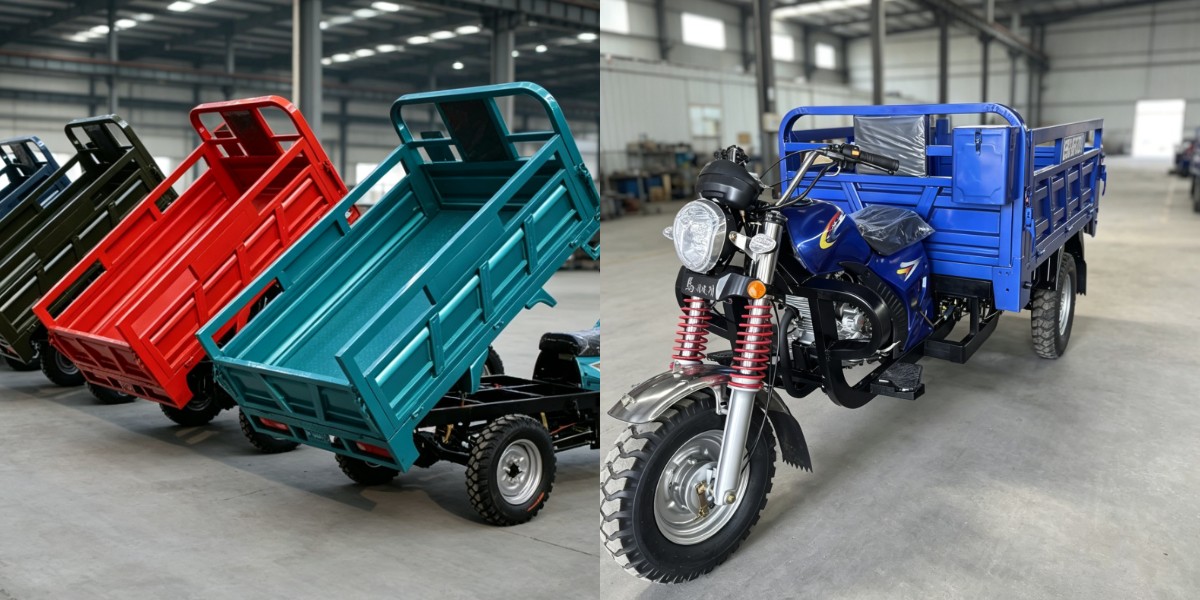
Twist the throttle on any 150cc gasoline motor tricycle and you'll feel it straight away - this is a plain gasoline engine, not a battery that needs time to build up power. Torque is there the second you need it, which matters when you're dragging a loaded bed off the line.
That torque is what the payload side of the balance rests on. Get it onto rolling slopes and the engine keeps its climbing strength instead of fading the way a lightweight two-wheeler would, and the wheels stay planted on loose, rutted rural tracks. A gasoline tricycle for light haulage earns its keep here simply because the engine does the heavy lifting. Set it up right and a fuel efficient cargo tricycle hauls a genuine load without ever feeling breathless.
Fuel Range and Refueling: How It Works For Long Routes
Fuel economy is the next part of the equation. The question everyone asks first is fair:how far on a single tank? It boasts a long fuel range,delivering around 100 kilometers on a full tank.
Filling up is exactly what you'd expect: pull into any station,top the tank,ride on. For a gasoline tricycle for light haulage running long routes,that ease is the fuel-economy win,day after day - a fuel efficient cargo tricycle doesn't sit parked waiting for a charger the way battery machines do.
Payload Basics: What "Light Haulage" Really Means
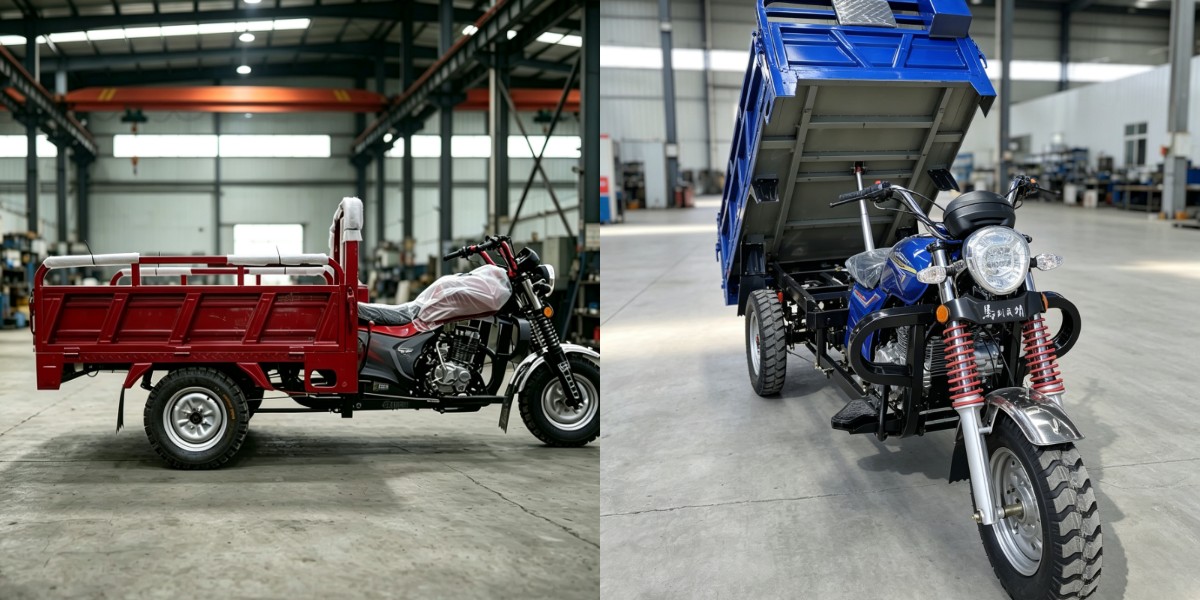
Start with payload, and be clear about what that means. A 150cc gasoline motor tricycle is built for light haulage - produce, small building materials, shop stock, market goods - not factory-scale freight. Its reinforced frame and three-point base move that everyday cargo safely, load after load.
It won't touch a pickup's capacity, nor is it meant to; what it does match is the pickup's daily rounds at a fraction of the price. With the load sitting low across three wheels, the fuel efficient cargo tricycle stays steady when it's stacked sensibly, so tipping isn't something you lose sleep over. That trade - enough for the jobs that actually show up, nothing wasted on capacity you'll never use - is the gasoline tricycle for light haulage in a nutshell.
Compact Design: Where It Shines In Tight Spaces
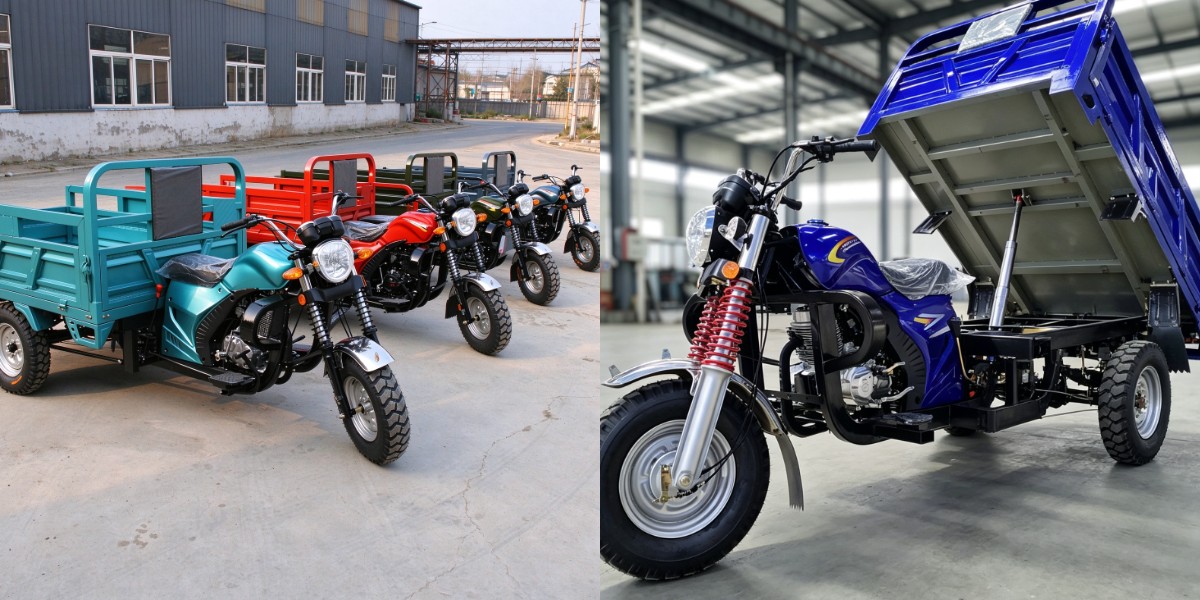
Size is the last piece, and the "compact" in fuel efficient cargo tricycle is literal, not a brochure word. Line a 150cc gasoline motor tricycle up beside a four-wheel light truck and the difference is plain to see: narrower, shorter, easier to park.
Village lanes a truck can't fit down, tight alleys, fenced-in farm paths - they're normal ground for this machine. A gasoline tricycle for light haulage reaches operators at the far end of roads the map barely shows, places bigger vehicles simply give up on.
Simple Controls and Low Maintenance: The Long-Term Ownership Picture
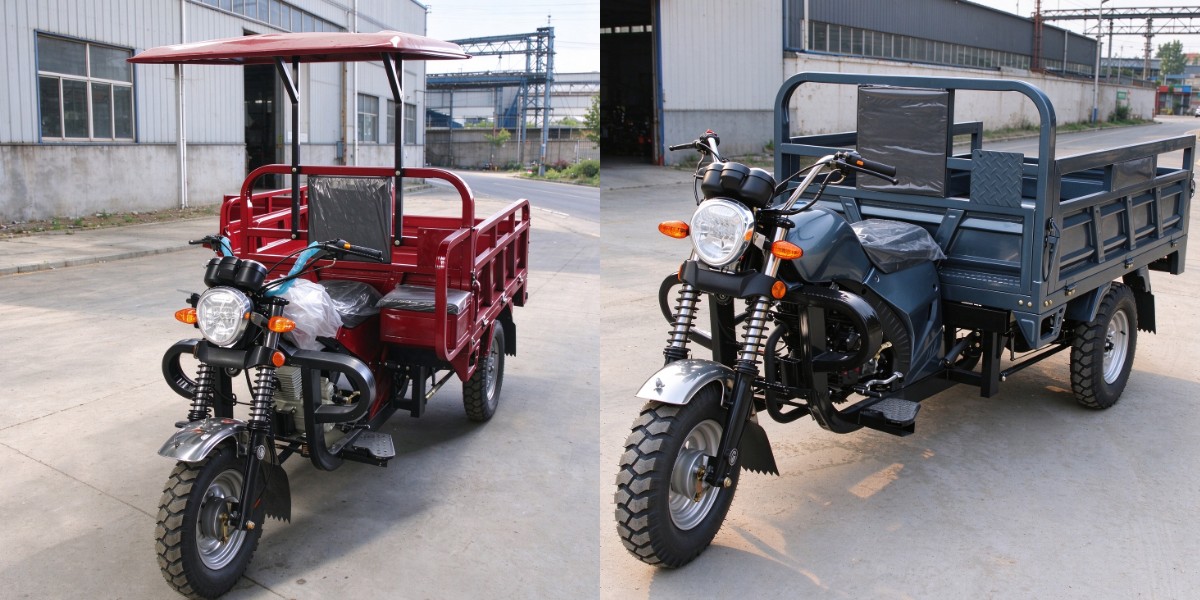
None of the balance matters if the machine is a pain to own. Most 150cc gasoline motor tricycle models use a manual box with the same logic riders already know - shift, steer, throttle all do what you expect, and the steering is light with a throttle that responds directly.
The engine's been built for years, which works for the owner: bits are everywhere, and any decent general mechanic can fix it without special kit. Upkeep is basically tire pressure, brake fluid, engine oil. Those low, steady running costs are what keep the fuel-economy side honest over time - and if you want a fuel efficient cargo tricycle that stays trustworthy on cheap, simple care, this gasoline tricycle for light haulage is worth a proper look.


