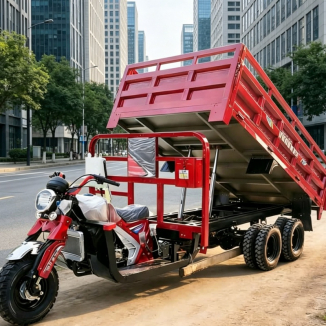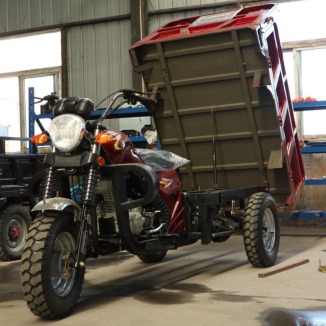

What are the disadvantages of a 3-wheel motorcycle?
3-wheel motorcycles have been getting more popular lately, with a design that’s supposed to give you the freedom of a motorcycle and the stability of a car. A lot of riders like ’em ’cause they look cool and seem easier to balance—especially if you’re not great with regular bikes. But honestly? There are downsides nobody really talks about, ones that mess with your safety, how handy the bike is, and even how much fun you have riding it. I’m gonna break down the biggest ones here—stuff you probably haven’t considered—to help you figure out if buying one is actually a good call.
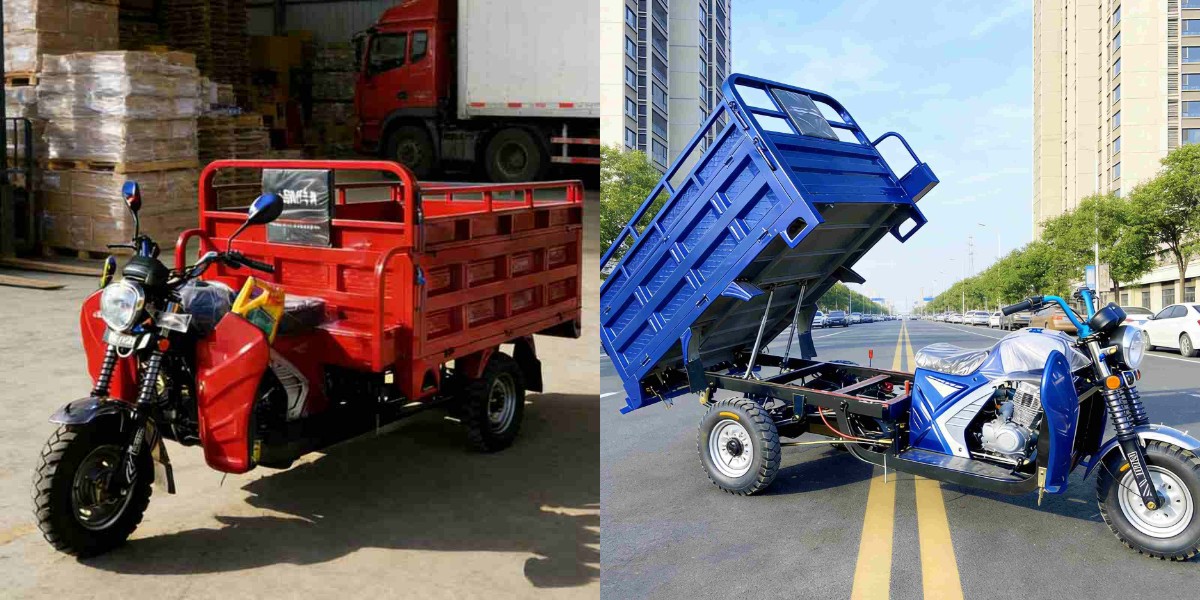
1. Tight Spaces Suck: Urban Riders, Save Yourself the Headache
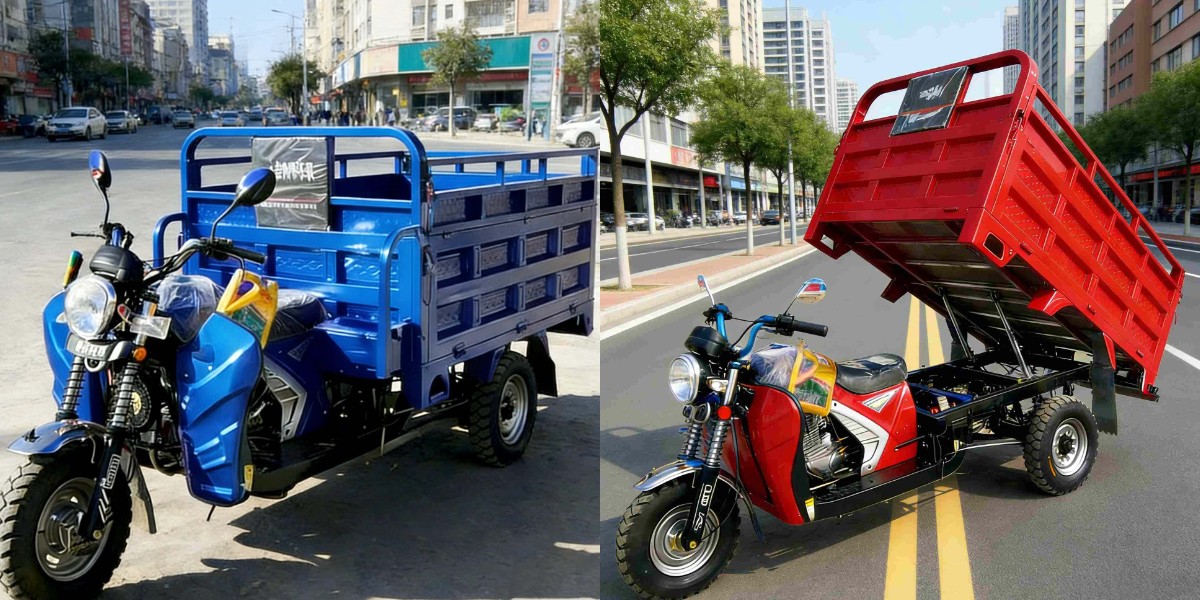
Lots of people think 150CC Cargo Tricycle are easier to handle than two-wheelers, but that’s only if you’re on wide, empty roads. In busy cities? Total hassle. Regular motorcycles can weave through traffic, squeeze into tiny parking spots, and make sharp turns no problem. But 3-wheelers have a wider turn radius and feel bulkier. Navigating crowded streets becomes a pain—you’ll struggle to get between cars, dodge potholes, and even fit into normal motorcycle parking.Take downtown commuting, for example. A 3-wheeler needs way more space to U-turn or pull over, which is brutal during rush hour. They’re also heavier than regular bikes, so moving slow—like in stop-and-go traffic—is harder. You’re more likely to stall or lose control when you’re trying to make tight turns. And unlike a regular bike, you can’t lean into turns to stay steady—3-wheelers have a fixed frame, so if the road gets bumpy or unexpected, you can’t adjust as easily.
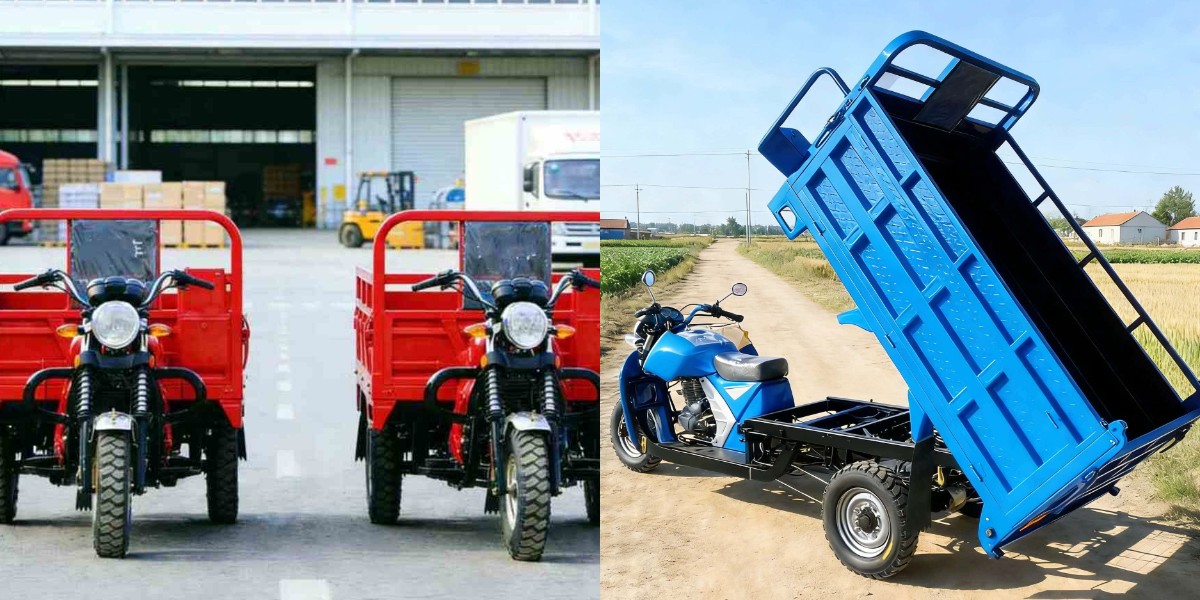
2. High-Speed Crashes Are Scarier: Safety’s Not a Given
A lot of riders think 3-wheelers Gasoline Tricycle are safer ’cause they don’t tip over as easy—but that safety goes out the window if you crash at high speed. Unlike cars, which have strong frames, airbags, and seatbelts, most 3-wheelers don’t even have basic safety stuff to keep you from getting hurt bad. Even the ones with enclosed cabins have thinner frames and less crash protection than a small car, so you’re wide open if you get hit from any side.
Another thing no one mentions: at high speeds, 3-wheelers can tuck or fishtail. Especially the ones with two wheels up front—if you speed up too fast or hit the brakes hard, the weight shifts weird across the wheels. That can make the bike slide or spin out, which is way more dangerous than a regular bike’s lean. With a normal bike, you can control the lean; with a 3-wheeler, you’re basically along for the ride if it slides. Plus, not a lot of drivers know how 3-wheelers handle—they’ll misjudge your speed, how far away you are, or how you’ll turn, which makes crashes more likely.
3. Maintenance Costs Creep Up, and You Can’t Make It Your Own
At first glance, 3 wheel motorcycle cargo might seem cheaper than a car—but over time, they cost more than a regular motorcycle, even a small car. Why? They’re more complicated. Three wheels, a fancier suspension, and usually a bigger engine to carry the extra weight means more frequent, more expensive maintenance. For example, tires cost more—you need three instead of two—and the suspension wears out faster ’cause of the extra weight and stress.
And if you like customizing your ride? Forget it. 3-wheelers have way fewer options than regular bikes. If you want a custom exhaust, handlebars, or body kit, parts are hard to find and cost a ton. Most aftermarket companies focus on regular motorcycles, so you either stick with the factory parts or pay through the nose for custom stuff. Not only can you not make the bike feel like yours, but if a part breaks, you might wait weeks for a replacement—leaving your bike sitting in the garage, doing nothing.
Final Thoughts: Should You Buy a 3-Wheel Motorcycle?
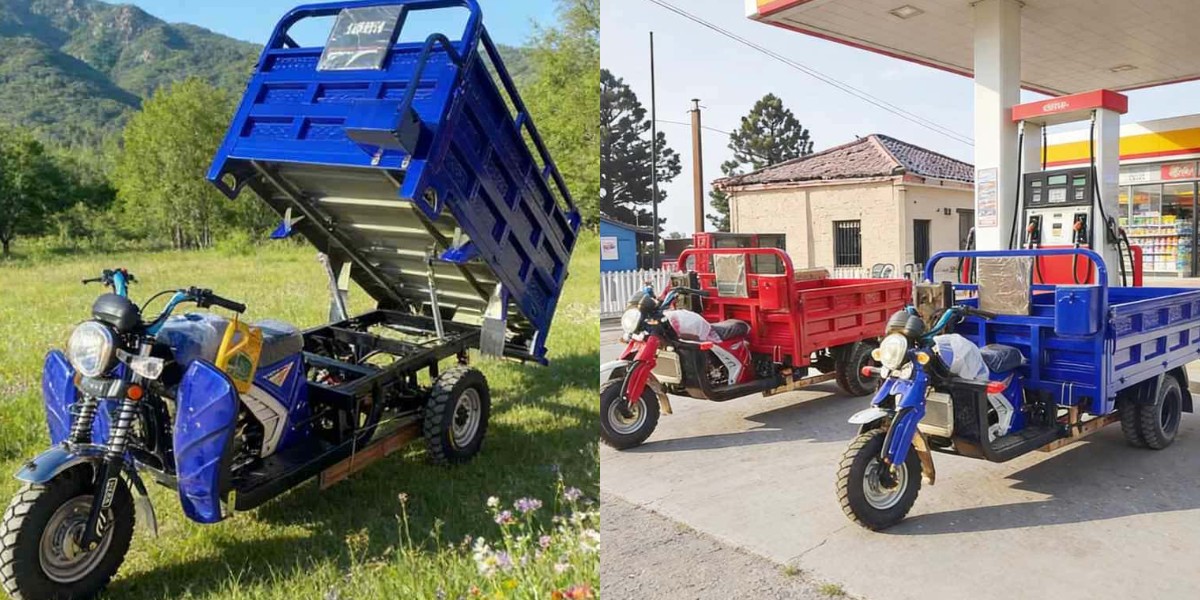
Don’t get me wrong—3-wheelers are cool. They’re unique, turn heads, and are good if you struggle with balance on regular bikes. But their downsides—being a pain in tight city spots, scarier high-speed crashes, and costly maintenance—are hard to ignore. Before you buy one, think about how you’ll use it. If you commute in the city, need something easy to park, or want to keep maintenance cheap, a regular motorcycle or small car is better. If you just want it for leisure rides on open roads, make sure you weigh these cons against the pros before you buy.