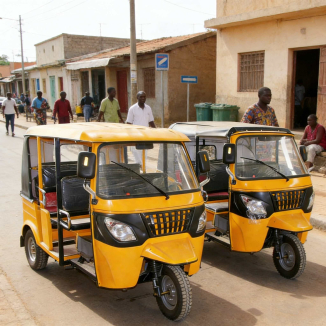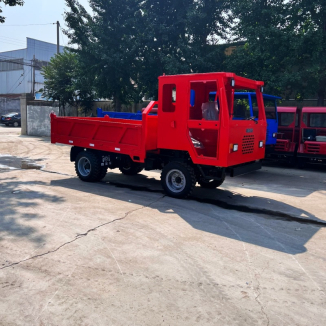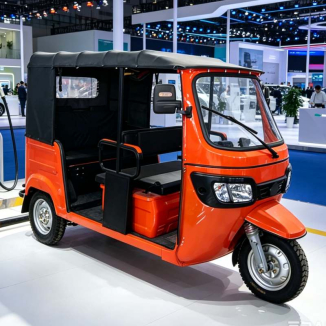

Open vs Closed Gasoline Tricycle: Which Suits Your Cargo & Weather Needs?
Too many first-time buyers write off this decision as a simple matter of a roof, only to face costly write-offs, forced downtime, or sky-high maintenance bills months down the line. In this guide, we break down the hidden differences between open and closed gasoline tricycles, beyond basic weather protection, to help you pick the model that keeps your loads safe, your operations running, and your profits growing year-round.
1. Cargo Safety & Profit Retention: It’s Not Just About Covering Loads—It’s About Avoiding Costly Write-Offs
The single biggest mistake haulers make when choosing between open and closed tricycles is focusing only on how much they can carry, not how much they can protect. Your tricycle isn’t just a hauling tool—it’s a mobile warehouse for your cargo, and every scratch, soak, or stolen item cuts directly into your profit margin. This is where the core divide between open and closed designs hits your wallet hardest, and it’s entirely tied to what you haul and the weather you operate in.
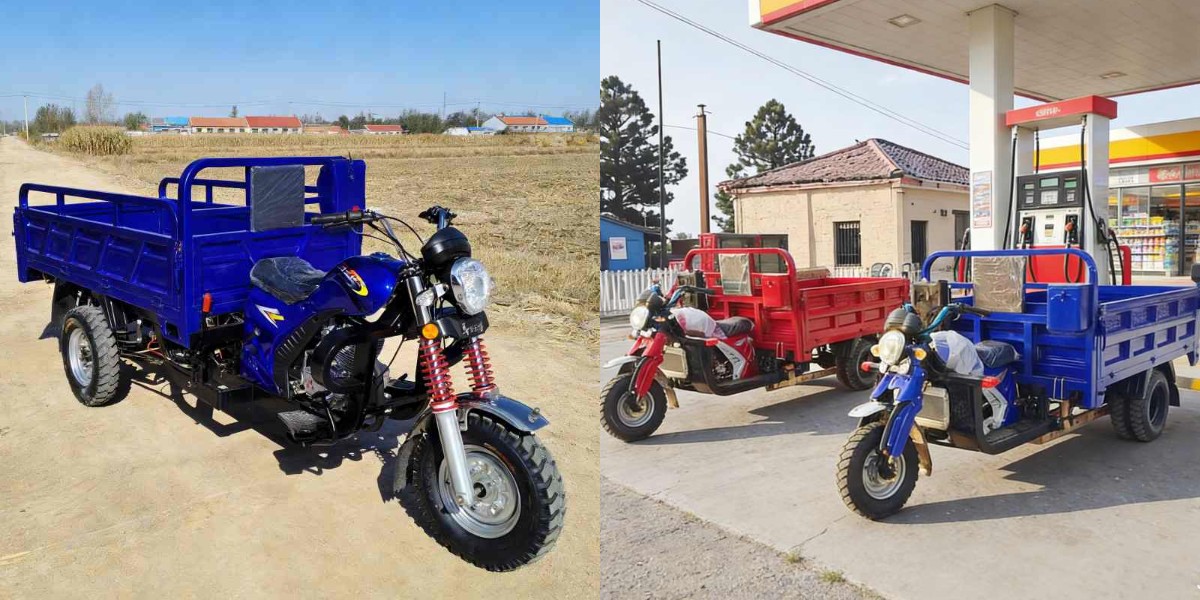
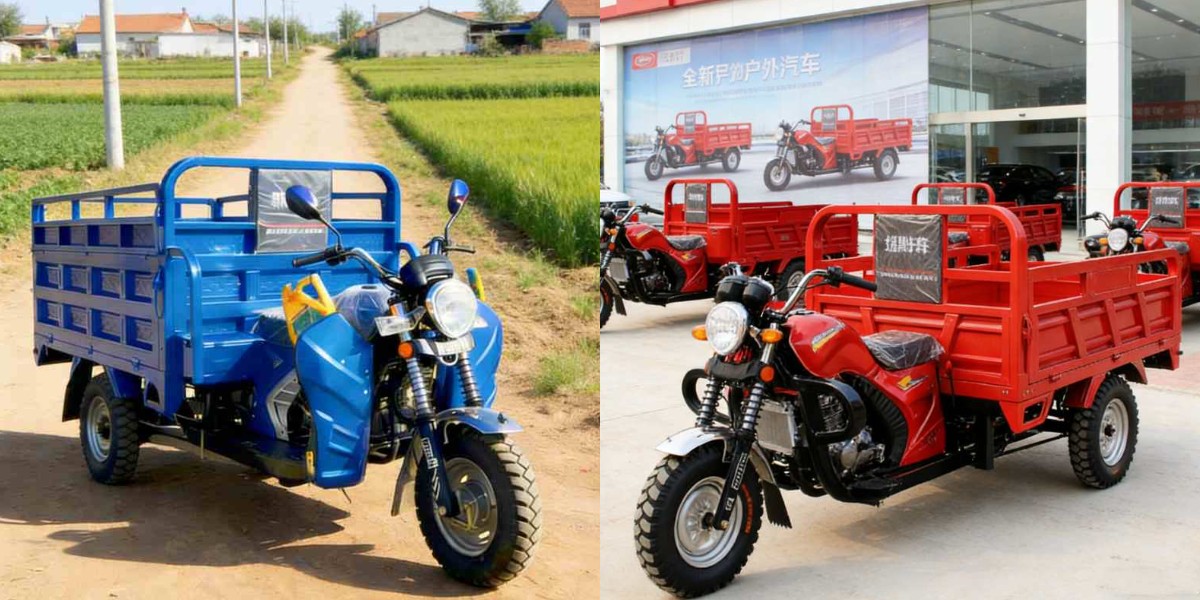
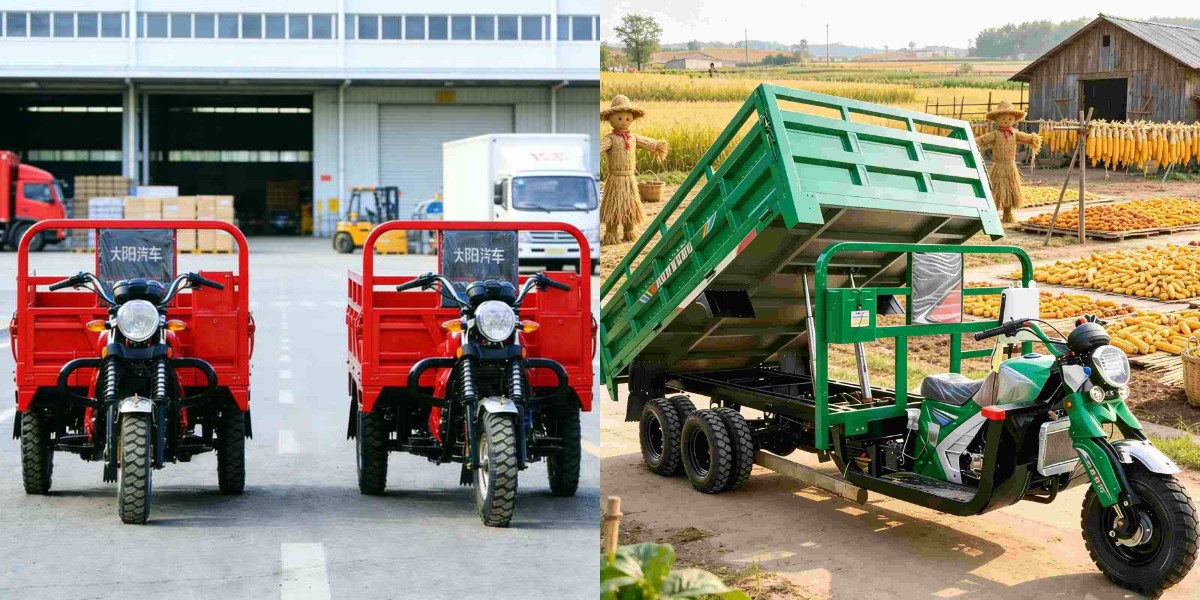
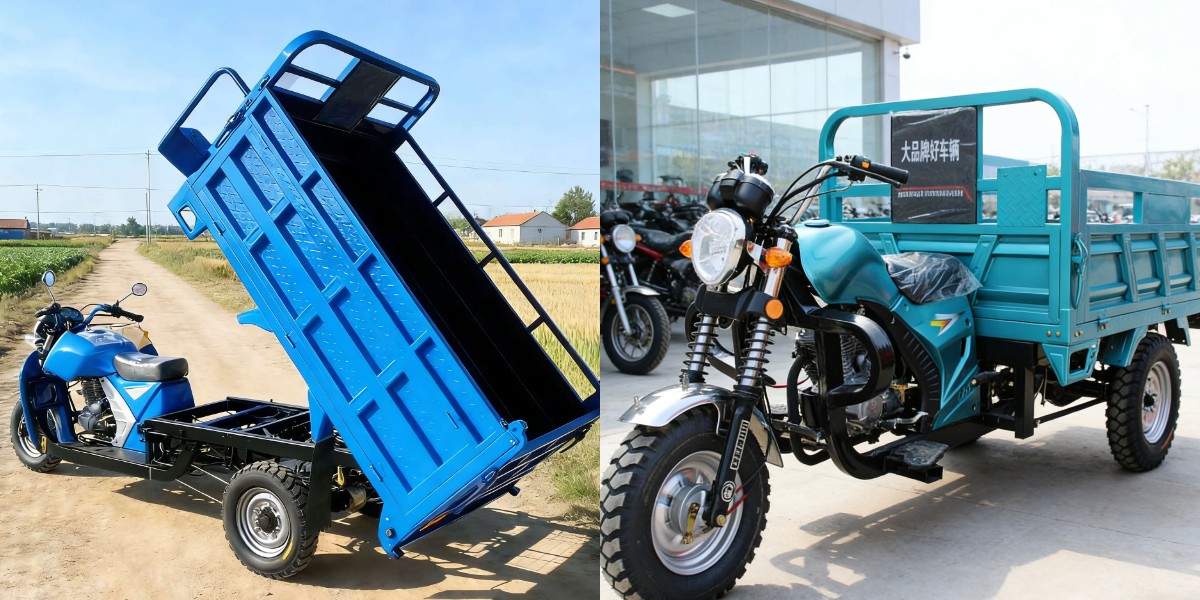
For operators hauling non-perishable, weather-resistant cargo—think bricks, gravel, lumber, or bulk farm crops like cassava or maize—an open-body gasoline tricycle is often the more practical choice. Its unconfined bed lets you load and unload oversized, irregular items that won’t fit through a closed cabin’s rear doors, cuts down on loading time, and eliminates the hassle of maneuvering around cabin frames for bulk drops. If you operate in a region with consistent, dry weather with minimal unexpected downpours, and your cargo won’t lose value from sun exposure or a light dusting of rain, an open model delivers exactly what you need with a lower upfront cost.
But if you regularly haul weather-sensitive, high-value, or fragile cargo—fresh eggs, fruits and vegetables, packaged consumer goods, electronics, or pharmaceuticals—a closed-cabin tricycle is non-negotiable for most climates. Anyone who’s ever been caught in a sudden monsoon downpour with an open load of packaged noodles knows the gut punch of watching your profit margin soak through the cardboard. A cheap tarp over an open bed isn’t a fix: any hauler who’s fought a flapping tarp in 30mph winds will tell you tarps don’t stop water, they just redirect it—usually straight to your most valuable cargo. Even extreme heat is a silent profit killer: direct sunlight on an open load can spoil fresh produce in hours, warp packaged goods, or melt sensitive inventory, leaving you on the hook for replacement costs that can wipe out weeks of earnings.
Closed cabins also solve a rarely talked about profit drain: theft. An open bed leaves your cargo exposed every time you stop for fuel, a meal, or a quick delivery drop. For high-value loads, locked cabin doors cut theft risk by over 90%, ensuring you don’t lose a full day’s earnings in a 5-minute stop. In regions with frequent rain, dust storms, or high humidity, closed-cabin operators see an 85% lower rate of cargo-related write-offs than open-body operators, according to on-ground data from small logistics fleets across West Africa and Southeast Asia.
2. Driver Uptime & Operational Consistency: How Cabin Design Directly Controls How Many Hours You Can Work
Most buying guides frame cabin design as a “comfort” feature—an afterthought for when you’ve checked off cargo capacity and price. But for anyone who earns their living behind the handlebars, comfort isn’t a luxury: it’s the difference between working a full 8-hour day and shutting down early, between taking a high-priority delivery in bad weather and turning down income, between consistent earnings and unpredictable monthly checks. Your cabin design directly dictates your operational uptime, and it’s inextricably tied to the weather you face every day.
Open-body gasoline tricycles work for operators running fixed, short routes in regions with mild, predictable weather. If you’re only hauling goods 5-10km a day, back and forth from a local market, and rarely drive in rain or extreme heat, an open model’s minimal design keeps things simple. But for anyone running longer routes, multi-stop deliveries, or operating in regions with harsh, unpredictable weather, the open design becomes a hard limit on your earning potential.
In tropical regions where midday temperatures regularly hit 38°C/100°F, open-body drivers can only safely operate for 3-4 hours a day before heat exhaustion and sun exposure force them to stop. In monsoon seasons, heavy rain leaves open drivers with two bad choices: suit up in a bulky rain suit that blocks peripheral vision and risks tangling in the handlebars, or park the truck and lose a full day’s work. Even dust storms in arid regions make open-body driving unsafe, with flying debris and reduced visibility leading to higher accident risk and forced downtime.
Closed-cabin tricycles eliminate these limits. A fully enclosed cabin shields drivers from rain, blistering sun, wind, and dust, letting them work a full 8-hour day, even in harsh weather. The difference in earnings is staggering: on-ground data from delivery fleets in Ghana, Indonesia, and the Philippines shows that closed-cabin operators average 12 more working days per month during rainy seasons, with monthly earnings 40% higher than their open-body counterparts. When bad weather puts most open-body haulers out of service, closed-cabin operators can take on urgent, high-paying deliveries that other drivers can’t fulfill, building loyal customer relationships that drive consistent income long-term.
There’s also a hidden long-term uptime benefit: driver health. Open-body operators face daily exposure to engine fumes, dust, and extreme weather, leading to higher rates of respiratory illness, skin damage, and heat-related sick days. A closed cabin with proper ventilation filters out fumes and dust, reducing sick days by an average of 6 days per year, according to fleet operator surveys. For small operators who are both the driver and the business owner, every sick day is a full loss of income—making the closed cabin an investment in your most valuable asset: you.
3. Total Cost of Ownership (TCO) & Resale Value: The Hidden Financial Gap Most Buyers Miss
It’s easy to look at the 15-25% lower upfront price of an open-body gasoline tricycle and assume it’s the budget-friendly choice. But smart haulers don’t buy based on sticker price—they buy based on total cost of ownership (TCO): the full amount you’ll spend on the truck over its lifetime, including maintenance, repairs, lost income, and resale value. When you run the numbers, the gap between open and closed models flips the script on which one is truly the cheaper option, and it all comes back to how your local weather and cargo needs wear on the vehicle over time.
Open-body tricycles have a clear upfront cost advantage, making them a viable choice for operators with extremely tight budgets, who only plan to use the truck for 1-2 years, or who run exclusively in dry, low-dust environments with minimal weather exposure. Their simple design has fewer parts to break, and their lightweight build delivers a 5-8% better fuel efficiency on flat, consistent routes, which adds up for high-mileage bulk hauling. But the financial math changes dramatically when you introduce rain, humidity, dust, or salt air from coastal regions.
The biggest hidden cost of open-body tricycles is accelerated wear and tear. Every core component of the truck—the engine, electrical system, transmission, and frame—is fully exposed to the elements. Rainwater seeps into the engine and electrical wiring, causing short circuits and premature engine failure. Dust and sand grind into moving parts, forcing you to replace air filters, brake pads, and clutch components twice as often as you would on a closed-cabin model. In coastal or high-humidity regions, open-body frames develop severe rust and structural damage in as little as 3 years, while closed-cabin frames—protected from constant moisture and road spray—last 50% longer on average.
For operators in harsh weather regions, this translates to 30-40% higher annual maintenance costs for open-body tricycles. A $2,000 upfront savings on an open model can easily be erased by $500+ in extra repair bills every year, not to mention the lost income from days the truck is stuck in the shop.
Final Verdict: Which One Is Right For You?
There’s no universal “best” option—only the option that fits your unique cargo and weather needs.Still unsure which gasoline tricycle fits your specific cargo routes, local weather, and budget? Our team of commercial vehicle experts has spent years working with haulers across every climate and cargo type, and we’re here to help you find the perfect fit. Browse our full lineup of heavy-duty open and closed gasoline tricycles, built to handle the toughest cargo and the most unforgiving weather, and get a personalized recommendation today.