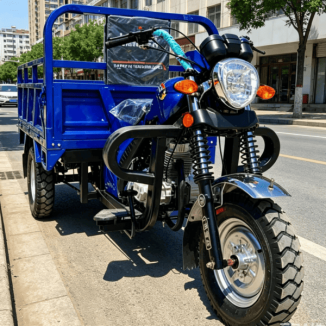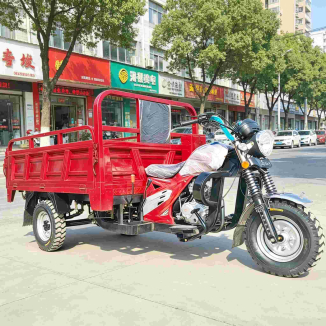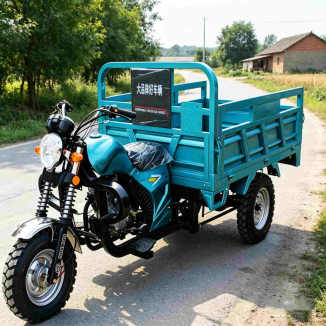

How to Maintain a Tuk Tuk?
If you run a tuk tuk for daily passenger trips, short-distance cargo runs, or regular city commutes, you know just how tough these three-wheelers work day in and day out. Most generic maintenance guides sound stiff and robotic, but seasoned tuk tuk drivers with years of road experience follow simple, down-to-earth routines that actually keep the vehicle running steady, cut repair bills, and avoid sudden roadside breakdowns. Below are hands-on, field-tested care habits real owners rely on every single day.
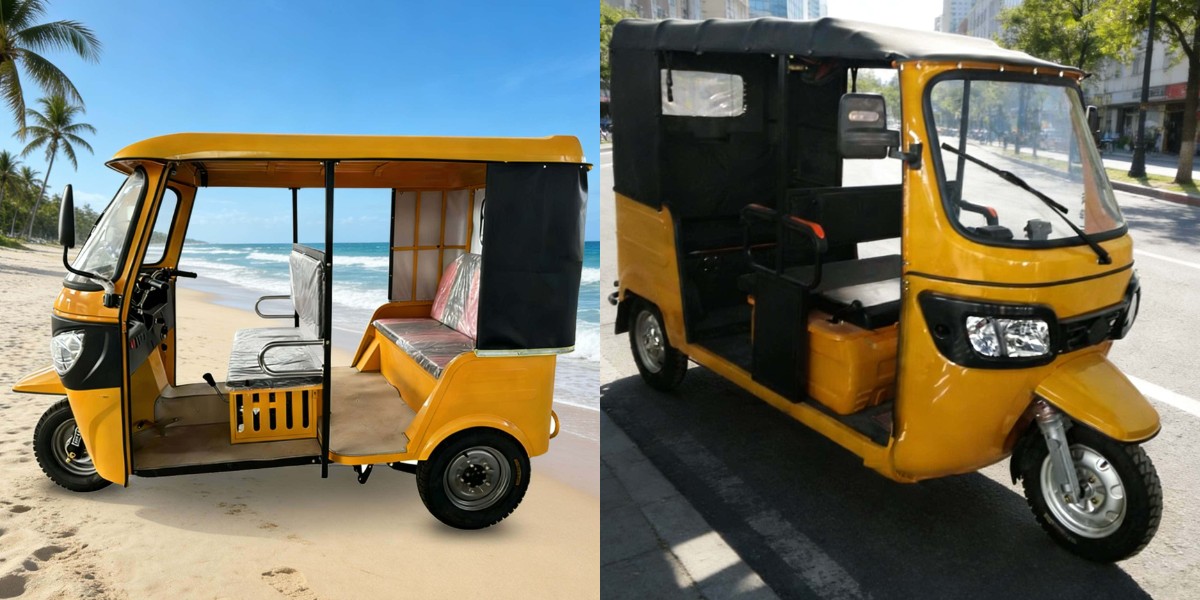
Daily Engine & Fuel Habits: Stop Small Issues Before They Blow Up
Any long-time tuk tuk handler will tell you the engine doesn’t fail out of nowhere—it’s always neglect of tiny daily checks that leads to big trouble later.
First off, never skip basic oil watching. In hot, dusty street conditions common across many developing regions, engine oil breaks down faster than you think. Don’t just stick blindly to kilometer numbers; check the oil level with the dipstick every few days when the engine sits cold. If the oil looks dark, gritty or thin, get it changed right away, along with a brand-new filter. Cheap shortcuts on filters always clog the system slowly, wearing internal parts down early and costing far more in heavy repairs down the line.
Dust is another silent killer for tuk tuk engines. Driving through crowded market streets, unpaved rural roads or dry windy areas clogs the air filter super quick. Take two minutes every week to pull it out, tap off loose dust, and give it a light clean. For fuel lines and basic carburetor parts, a casual visual check every month works wonders—dirty fuel residue builds up over time, causing rough idling, slow acceleration or even sudden stalling mid-traffic, which no driver wants to deal with at rush hour.
Cooling matters more than new owners realize too. Tuk tuks idle endlessly in heavy street traffic, so overheating troubles pop up easily. Glance at coolant levels regularly, check rubber hoses for tiny cracks or slow leaks, and don’t ignore slight temperature spikes on the gauge—catching it early saves you from a dead radiator on a busy route.
Brakes, Tires & Chassis Care: Safety That Serves Every Trip
For a small three-wheeled vehicle carrying people and light loads, brakes and tires aren’t just maintenance items—they’re pure safety priority, especially on bumpy, uneven local roads.
Seasoned drivers never wait for brakes to feel soft or slow before checking them. Every couple weeks, take a quick look at brake shoe thickness, and top up brake fluid if levels drop noticeably. Old, murky fluid holds moisture inside the lines, making stopping feel delayed and unstable; flushing it out once every couple years keeps response sharp no matter morning rush or evening dark rides. All drum brake tuk tuks need simple clearance adjustments now and then, easy tweaks that prevent lazy braking without visiting a repair shop every time.
Tire pressure is one tiny habit everyone should build into their daily routine. Hot weather, rough potholed streets and heavy frequent runs wear tires unevenly fast. Check pressure before starting work each morning, look closely for small cuts, embedded stones or sidewall bulges, and rotate tires on a regular cycle to even out wear. When tread gets too shallow, replace immediately—blowouts on busy streets put passengers, cargo and your whole daily income at unnecessary risk.
Don’t overlook the chassis and suspension either. Constant bouncing over rough roads loosens joints, wears shock parts and dries out grease points. A little manual greasing on steering connections and frame joints monthly stops rust from setting in, keeps steering smooth, and cuts down that annoying clunky noise you hear when the chassis starts wearing thin. A solid, well-kept frame means your tuk tuk holds together far longer through tough daily use.
Real-World Electrical Checks & Regular Clean Living Care
Most sudden tuk tuk breakdowns out on the road aren’t engine faults at all—they trace back to lazy electrical upkeep, something casual owners always brush off until disaster hits.
Start simply with the battery. Heat, dust and frequent short stops drain power faster than standard vehicles. Wipe away white corrosion buildup on terminals often, tighten loose connectors firmly, and never leave headlights or signal lights on after shutting the engine down overnight. For traditional fuel-powered tuk tuks, a healthy well-maintained battery easily lasts multiple years with basic attention. If you run an electric tuk tuk model, avoid running power down to empty repeatedly; shallow regular charging preserves overall battery life far better in real daily operation.
Spend five minutes weekly testing every light on the vehicle—headlights, turn signals, brake lights and rear taillights all matter a lot for night runs and road safety visibility. Cracked bulbs or frayed wiring along loose harnesses pop up often from vibration and outdoor parking; rodents even chew wires in quiet lots sometimes, so a fast visual scan prevents sudden light failure mid-job.
Beyond mechanical bits, plain old cleaning goes further than anyone thinks. Wash down the body and especially the undercarriage regularly to strip dust, mud and moisture that eat away metal and spark early rust. If you plan to park the tuk tuk idle for weeks at a time in off-seasons, store it in dry shaded spots, disconnect the battery fully, and inflate tires a little higher than usual to avoid flat spots setting in from sitting too long unmoved.
Wrap-Up
At the end of the day, solid tuk tuk maintenance isn’t about fancy technical tricks or expensive shop visits nonstop. It’s all about slow, steady, daily small checks that local working drivers have proven reliable for decades. Look after your core engine needs, stay strict on brake and tire safety basics, sort out tiny electrical issues early, and keep the frame clean and protected from wear and rust. Stick to this natural, real-world routine, and your tuk tuk will hold strong through endless busy routes, fewer unexpected stops, lower ongoing repair costs, and consistent work ready whenever you need it.