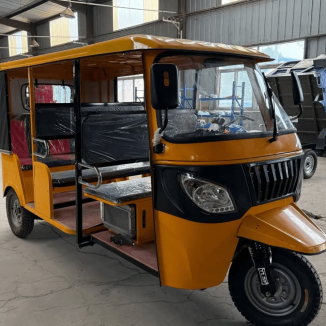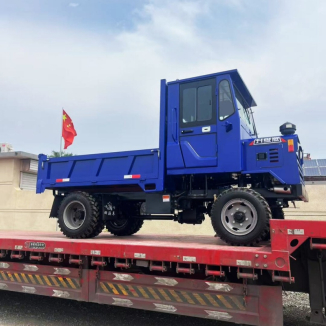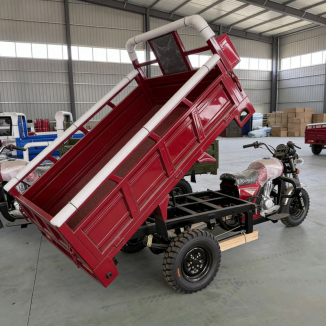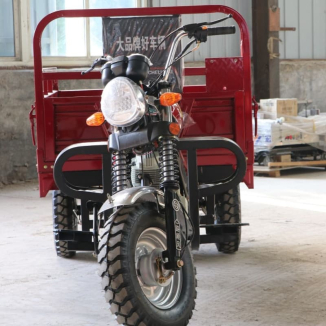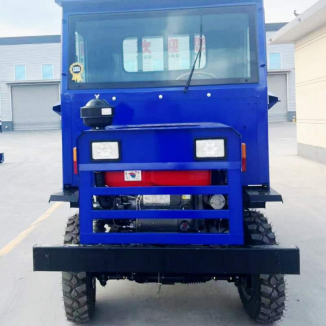

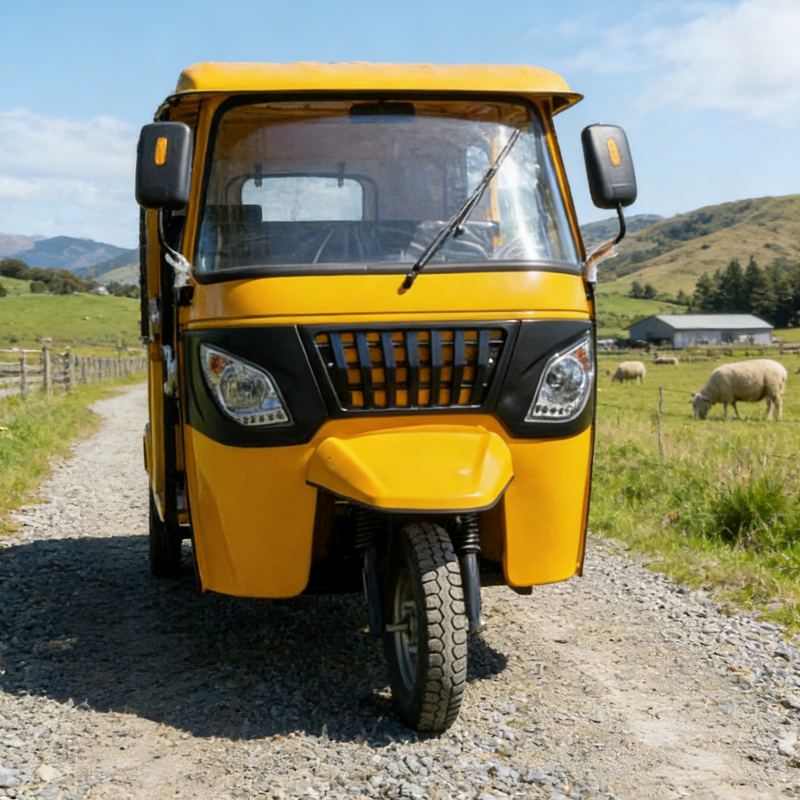
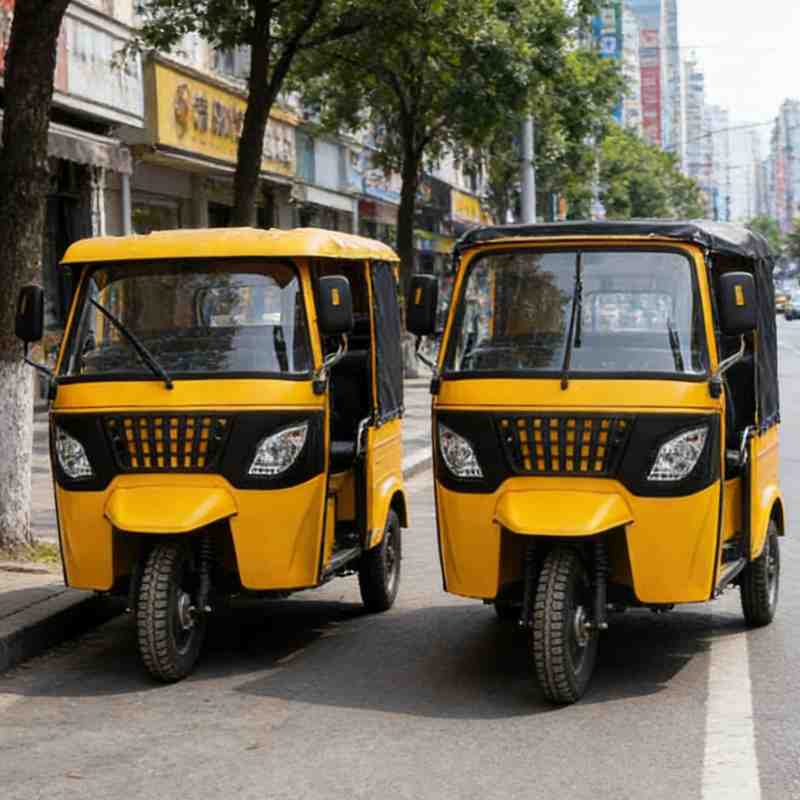
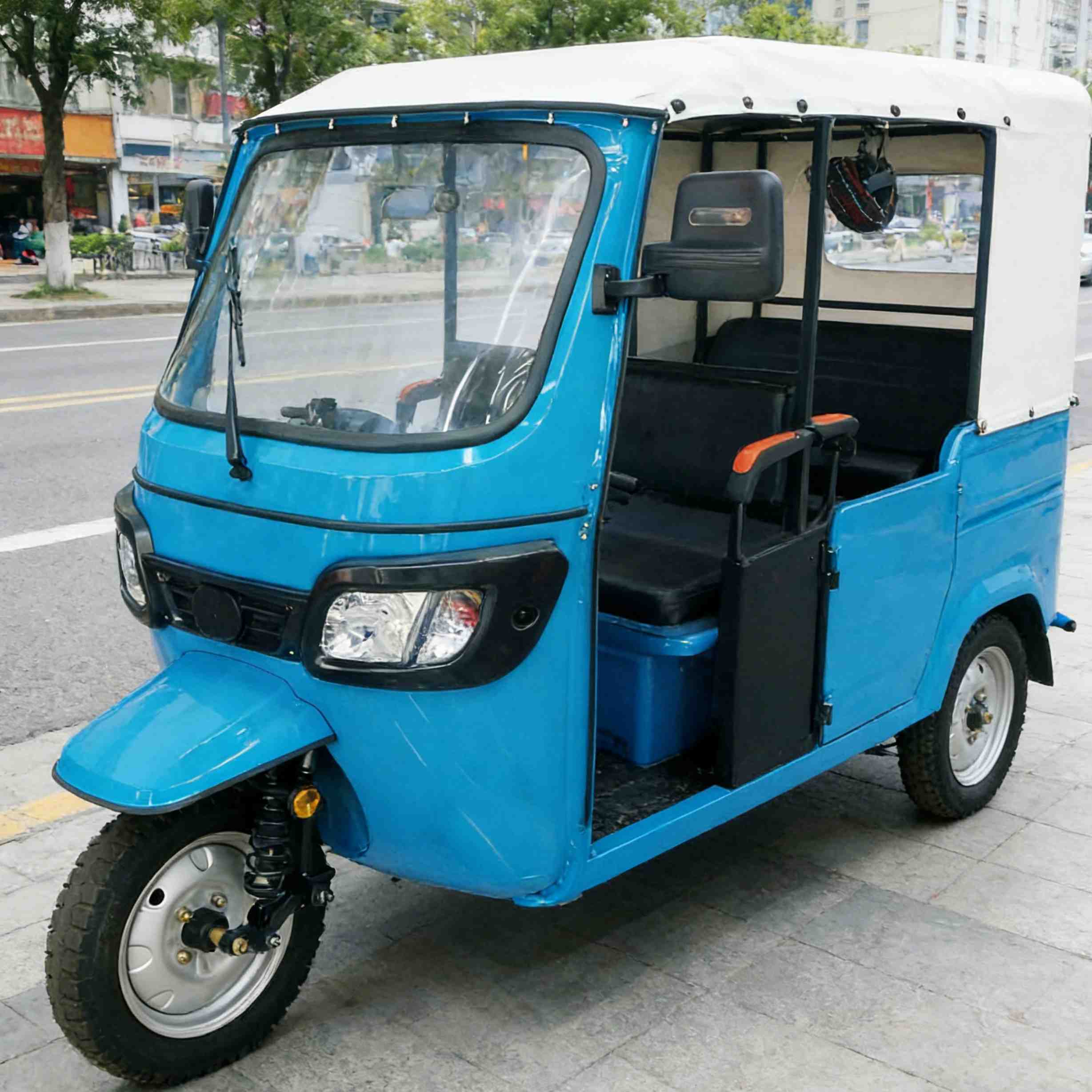
Passenger rickshaw
Eco-friendly: Electric or hybrid cars reduce pollution and support green travel.
Affordable: Fares are lower than traditional taxis, offering better value.
Smart Dispatch: Track cars in real-time and choose the best route to avoid traffic.
Safe: Real-time monitoring and driver checks ensure a secure travel experience.
Product Introduction
If you’re looking to buy passenger rickshaws (tuk tuks) for your business, you know how frustrating it can be. Let’s be real—you’re trying to balance how much they cost to run, if passengers will be comfortable, how long they’ll hold up, and making sure they don’t get you in trouble with local rules. We’ve seen it time and time again: buyers waste cash on the wrong ones. Either they pay extra for features they never use, or go cheap on a junk model that breaks down every week—killing their profits. We’re not here to sell you anything. We’re here to help you pick the right rickshaw for your business. No fluff, no fancy lines—just straight talk from people who’ve been making these things for years.
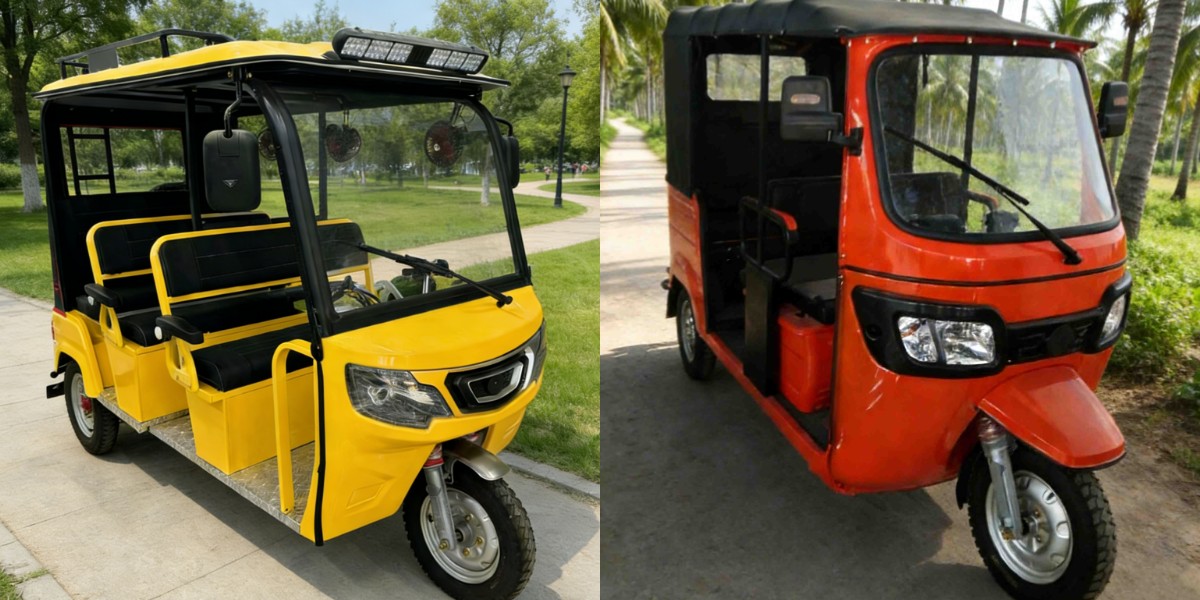
Product Parameters
Power | Maximum Power: 8–12 kW |
Battery | 12V |
Maximum Speed | 55–70 km/h |
Fuel / Range | Fuel Tank Capacity: 8–12 L; Fuel Consumption: 2.5–3.5 L/100km |
Dimensions (L×W×H) | 2600 × 1200 × 1750 mm |
Wheelbase | Approx. 1800–2000 mm |
Curb Weight | 280–350 kg |
Load Capacity | 300–400 kg |
Product Details
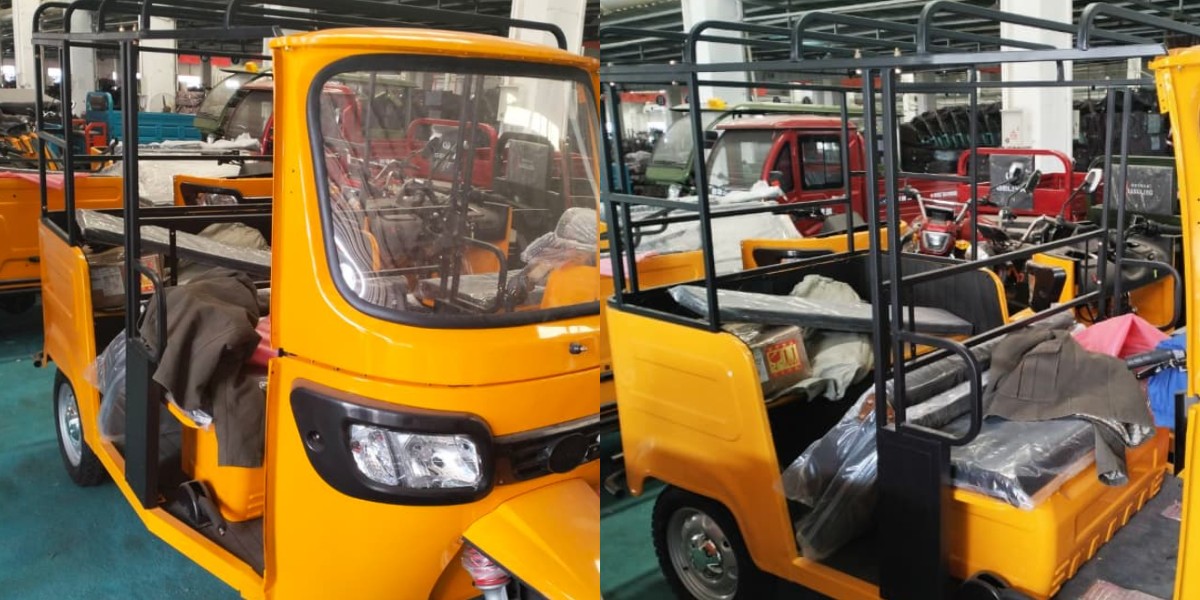
Frame & Body—This Is What Makes Them Last
Specs: 2.0mm thick high-strength steel frame, ABS plastic body.
Let me tell you what that really means. Our frame is 0.5mm thicker than most other guys sell. Why does that matter? It holds 500kg—4 passengers plus a driver—without bending or warping. We’ve seen buyers save about a quarter on maintenance each year because of this. So many people go for 1.5mm frames to save $50 upfront, but those frames break down in 1-2 years. Ours lasts 3-5 years. Do the math—you’ll save more in the long run. Honestly, it’s not even a close call.
How we make sure it’s not junk: Every frame goes through 3 checks. First, welding—we use robots, so no missed spots, error under 0.5mm. We also use ultrasonic testing to find cracks you can’t see with your eye—small cracks turn into big problems later. Then rust-proofing: pickling, phosphating, electrostatic spraying—three layers. We had a buyer in coastal Thailand use our rickshaw three wheeler for 4 years, no rust at all. Finally, load test—we put 600kg on it for 24 hours. If it bends, we scrap it. Simple as that.
Product Usage Scenarios
I want you to be 100% sure these auto rickshaws fit your business. No sales talk, just real scenarios. I’ll tell you the problems you’ll face, how our rickshaws fix them, and where they’ll just cause you trouble. Honesty is better than a sale we both regret.
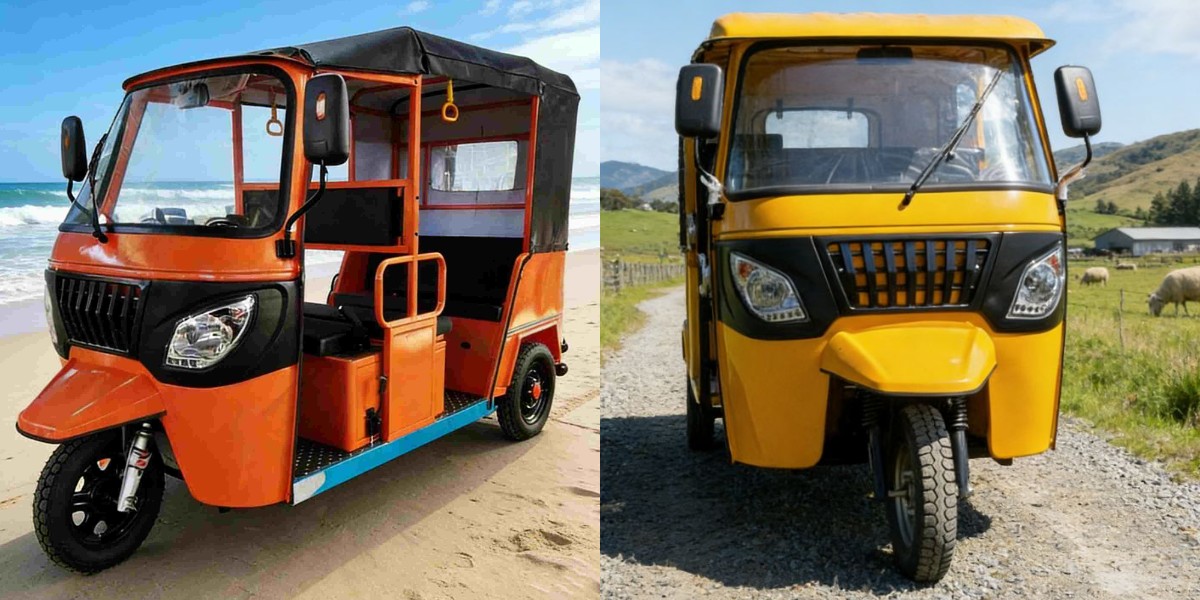
1. Scenic Spots & Tourist Areas—Perfect Fit
What you’ll deal with: Narrow roads (big cars can’t get through), need quiet (tourists hate loud noise), long hours (8-10 hours a day), and eco-rules (many spots ban fuel vehicles). We had a customer in Chiang Mai who tried fuel rickshaws—got kicked out of the scenic spot on day 1 for being too loud.
Our fix: Electric rickshaws are 1.2m wide—fit down narrow paths. Quiet (under 50dB), so no noise complaints. No emissions, so eco-friendly spots love them. The 100Ah battery lasts 8-10 hours a day. We can also put your logo on them—free advertising for your spot. That Chiang Mai customer switched to electric, and his business doubled in 3 months.
2. Small Cities & Rural Areas—Fuel Models Are Better
Problems: No steady electricity (can’t charge electric models), bumpy roads (need power), long workdays (no time to charge). We had a buyer in rural Kenya buy electric models—spent $300 on a generator to charge them, lost money fast.
Our fix: Fuel rickshaws don’t need charging—refuel in 5 minutes, work 12+ hours a day. The 150cc engine and shocks handle bumpy roads. The strong frame holds up to rough use—we’ve got customers in rural areas using them for 4 years with no frame issues. That Kenya buyer switched to fuel and saved $200 a month on generator costs.
Packaging and Delivery
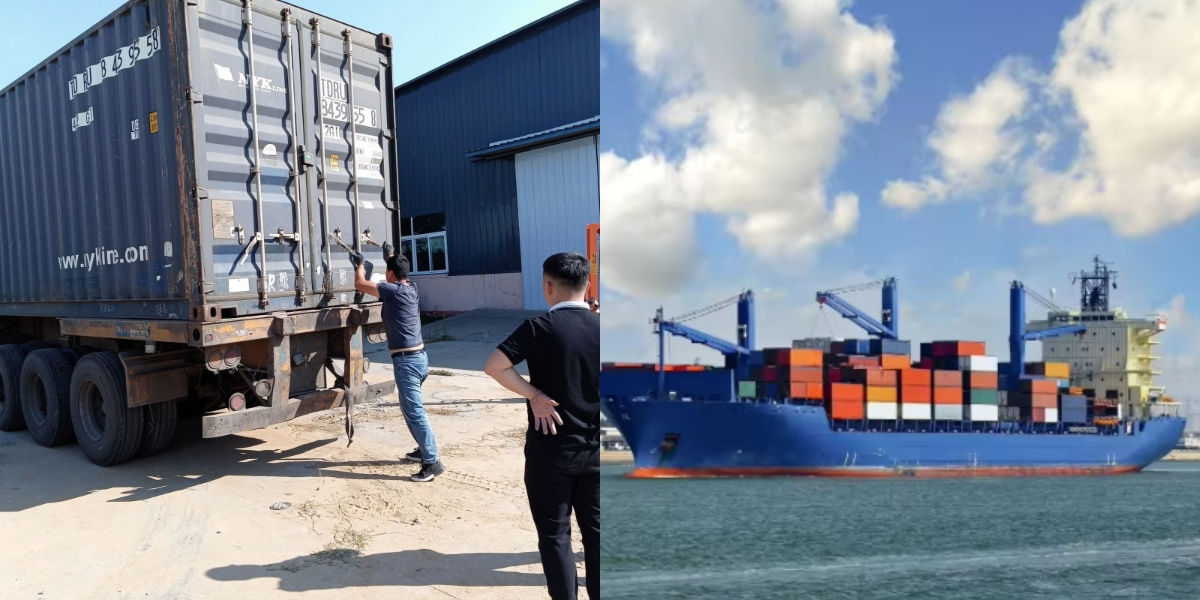
Let’s be real—you care about three things: no damage during shipping, on-time delivery, and no hidden fees. I’ll tell you exactly how we do things, no surprises. We’ve been shipping these for 8 years—we know how to avoid the common nightmares.
FAQ
We’re not going to ask irrelevant questions. These are the ones buyers actually ask us—straight answers, no fluff.
Q1: Can I order fewer than 10 standard models?
A: Yes, but the small orders cost more to produce, pack, and ship—we’re honest about that so you can budget. If you’re in it for the long haul, 10+ units save you money.
Q2: What’s hard to customize, and how does that affect time and cost?
A: Three main things are tricky: 1) Motor power: Changing from 500W to 800W means we have to match a new controller and battery—adds 3-5 days and 8-12% to the unit cost. 2) Body size: Changing length/width means modifying the frame mold—adds 7-10 days and at least $500 (only worth it for 100+ units). 3) Special materials (like corrosion-resistant for coasts): We have to buy new raw materials—adds 5-7 days and 15-20% to the cost.
Q3: Do you guarantee on-time delivery? What if you’re late?
A: For standard in-stock models: 15-25 days, guaranteed. For custom models: 30-45 days, guaranteed. If we’re late because of our mistake (not natural disasters, port strikes, etc.), we’ll pay you 0.5% of the total order per day—up to 5% total. We have a 98% on-time rate—one of the best in the industry.
Q4: What if the automatic rickshaws aren’t right for my business after I get them?
A: We’ll tell you upfront if our models won’t work for you—just talk to our sales team first. If it’s our mistake (we said it would work, but it doesn’t), we accept returns within 7 days. We’ll pay for return shipping and refund your deposit (minus initial packaging/shipping costs). If it’s your mistake (like electric models in an area with no power), we don’t take returns—but we’ll help you resell them at a discount to cut your losses.
Q5: How do I keep my rickshaws running longer?
A: We send a detailed manual, but here’s the quick version: Electric models—charge after use (don’t let the battery die), clean battery terminals monthly, check the motor for dust every 2 weeks. Fuel models—change oil every 500km, clean the air filter monthly, check for fuel leaks. Do this, and they’ll last 1-2 years longer. Our after-sales team also sends quarterly maintenance reminders via email.