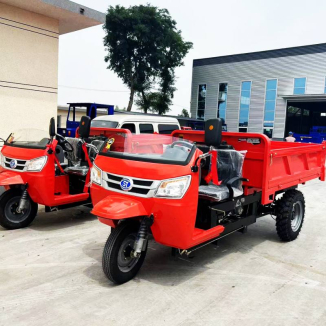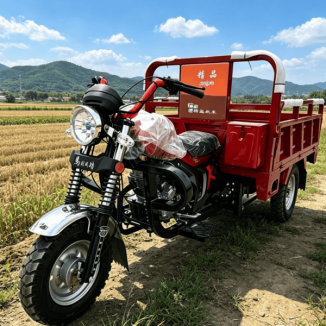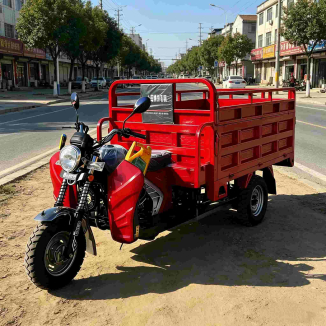

What is another name for an auto rickshaw?
Let me tell ya — if you’ve traveled anywhere in Asia, Africa, or Latin America, you’ve definitely seen those little three‑wheeled vehicles buzzing around. I’ve been jumping between cities in those regions for years, and honestly? Auto rickshaws are my ride‑or‑die.They’re small enough to squeeze through narrow alleys cars can’t reach, cheap enough that I never stress about the cost, and loud enough you can hear ’em coming before you spot ’em.But here’s something I figured out real quick: nobody actually says “auto rickshaw” in real life. Like, ever.
If you’ve ever stood on a street corner thinking, “Wait… what do people even call these things?” — you’re not alone at all.I’m gonna break down all the nicknames I’ve heard firsthand, from the ones everyone knows to the weird local terms you only pick up if you chat with a driver. No fancy jargon, no weird generic explanations, just real stuff from someone who’s hopped in these things dozens of times.Whether you’re planning a trip, just love random transport facts, or you’re curious how people talk about these rides worldwide — this one’s for you.
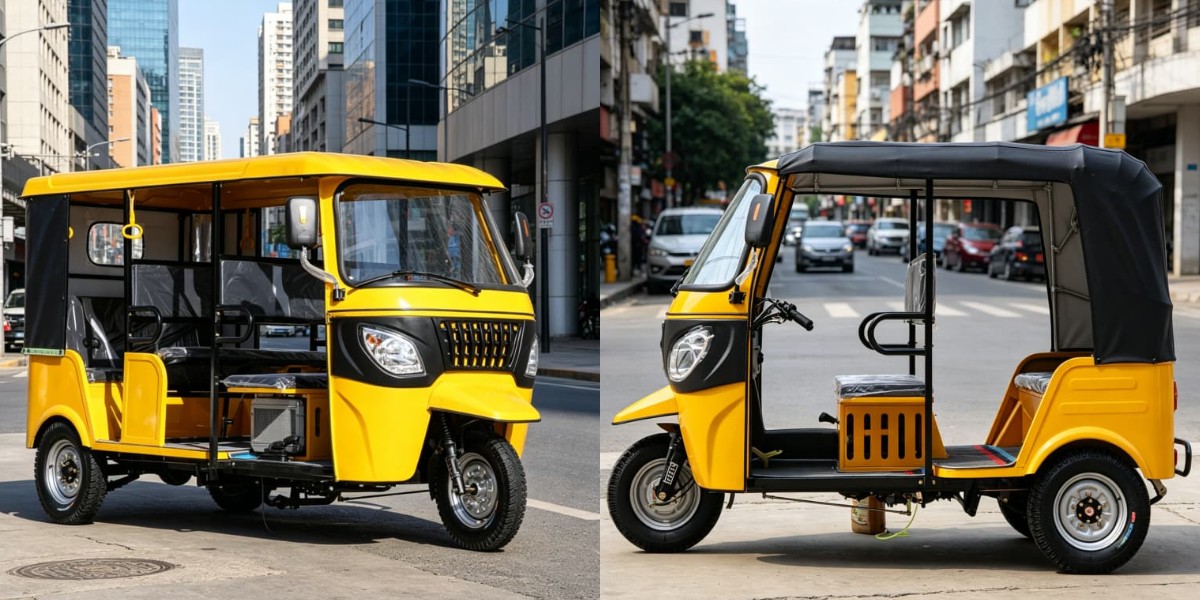
1. The Nicknames That’ll Actually Get You a Ride (I’ve Tested ’Em All)
Forget the formal “auto rickshaw” stuff. When you’re standing on a busy street, you need the names locals actually use. These are the ones that make a driver wave you over before you even finish the word, and I’ve used every single one during my travels.
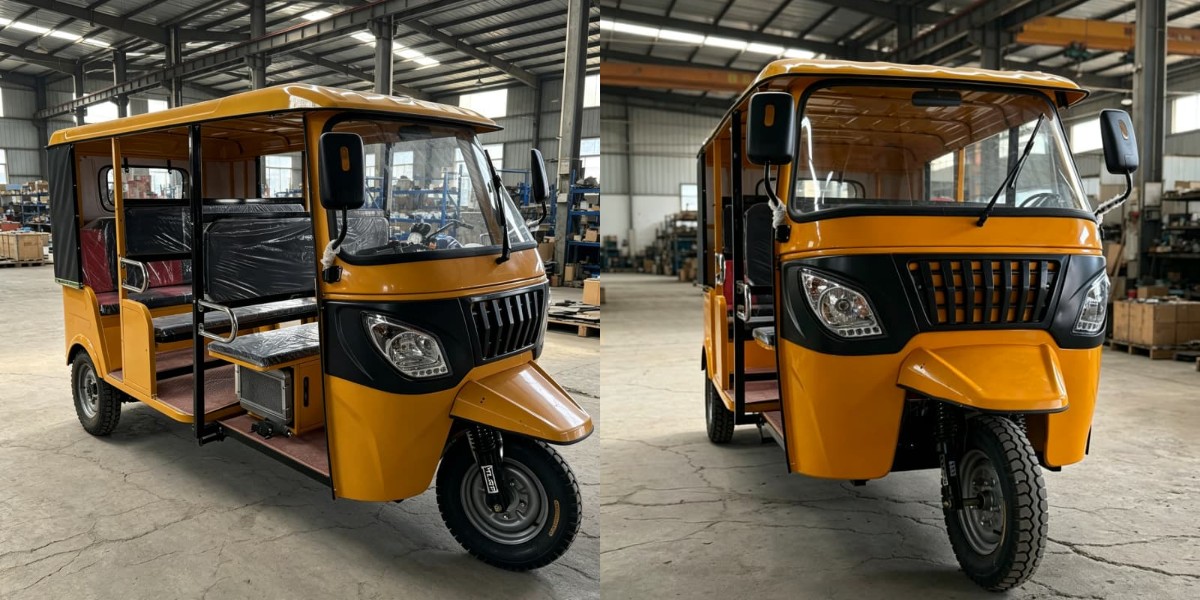
First up: Tuk‑tuk.Yeah, you’ve probably heard this one, but it’s not just some tourist word. When I was in Bangkok, hanging around street food stalls eating pad thai, vendors would yell “tuk‑tuk!” at me like they just knew I’d need a ride to the next market.
The name comes straight from that puttering “tuk‑tuk‑tuk” noise the old engines make. Pretty obvious, right? And it’s everywhere. I once called for a “tuk‑tuk” in Colombo, Sri Lanka, fully expecting to have to explain myself — but the driver just smiled, nodded, and waved me in. Total win.Then there’s “Auto” — short, simple, and made for South Asia.In India, Pakistan, and Bangladesh, that’s what everyone calls them. I spent a month in Delhi, and every time I needed to get somewhere, I’d just grab my bag and yell “Auto!” down the street. Within 10 seconds, one would pull over.It’s not fancy, but it works. Locals don’t have time for the full “auto rickshaw” phrase, so they shortened it — and it stuck. Same with “Three‑wheeler” in Sri Lanka and Nepal. No extra fluff, just exactly what it is. You say that, everyone knows what you mean. No confusion, no extra words.And don’t sleep on “Bajaj”.I first heard this in Indonesia and thought it was just some local slang — until a driver explained the story. It’s from Bajaj, one of the biggest auto rickshaw makers in India, like how people call any tissue a Kleenex.Back in the day, Bajaj was basically the only name people trusted for these vehicles, so folks started calling all three‑wheelers “Bajaj” out of habit. Now you hear it in Tanzania, Madagascar, even parts of Southeast Asia. I took one in Jakarta, and the driver laughed when I said I knew where the name came from — said most tourists have no idea.
2. Why These Names Stick (It’s Not Just Random)
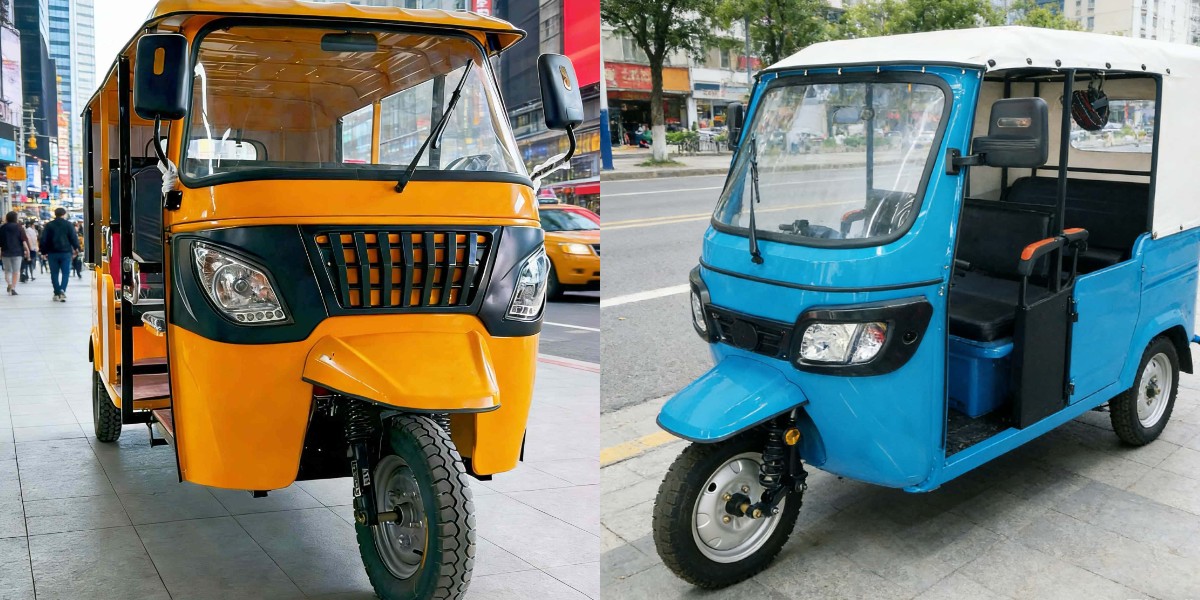
I used to think these nicknames were just made up on the spot — someone yelled a word, and it caught on. But after talking to tons of drivers and locals, I realized every single one has a real story behind it. They’re tied to how people actually live with these vehicles, not some generic textbook explanation.Take “tuk‑tuk” again — it’s just sound imitation, plain and simple.That engine noise is impossible to miss, and locals started copying it to call drivers. It’s casual, easy to remember, and even tourists pick it up in a day. I met a driver in Phnom Penh who said he loves the name because it feels “happy” — people smile when they say it, even if they’re in a hurry. That’s the kind of small detail you don’t get from a robot.“Bajaj” is all about brand recognition.Imagine every tissue is a Kleenex, every soda is a Coke — that’s exactly what happened here. Years ago, Bajaj was the main company making these rides in so many countries, so people just started calling all of them “Bajaj.” Now even if a driver has a different brand, the name stays. It’s habit, it’s familiar, it’s easy. No overthinking.Then there’s the short versions: “Auto” and “Three‑wheeler.”Let’s be real — when you’re rushing to catch a ride before it rains, you don’t want to say some long, fancy term. Locals cut “auto rickshaw” down to “Auto” because it’s faster, that’s it. “Three‑wheeler” is even more direct: look at it, it has three wheels. Why overcomplicate it? That’s the whole point — these names are practical, and that’s why they’ve stuck around so long.
3. Local Slang You Won’t Find in Guidebooks
The global names are useful, but the fun part is the weird, local ones — the kind that make you go, “They call it WHAT?” These are the terms people use among themselves, and they tell you way more about a place than any guidebook. I’ve collected these over years of traveling, and they’re my favorite part.In Bangladesh, I heard two that made me laugh: “Baby taxi” and “CNG”.“Baby taxi” is exactly what it sounds like — the auto rickshaws there are way smaller than the ones in India, almost cute. I rode one in Dhaka, and it was so tiny I could barely fit my backpack. The driver chuckled and said, “Baby taxi best for narrow streets — cars can’t go where we go!”“CNG” is even more straightforward. It stands for compressed natural gas, what most of these run on. Locals just shortened it to CNG, and now it’s the most common name. I asked someone why they don’t say the whole thing, and they just said, “Why bother? Everyone knows what CNG means.” Fair enough.In Nepal, some three‑wheelers go by “Tempo”.And no, it’s not about speed — trust me, they’re not that fast. A driver in Kathmandu told me it comes from an old brand of auto rickshaws that used to be huge there. The brand’s gone now, but the name stuck, especially for the bigger, sturdier ones that handle rough roads outside the city. It’s like a little piece of nostalgia tied to these rides.Then there’s Cuba’s “Cocotaxi” — easily the funniest nickname ever.These auto rickshaws are bright yellow, with a round top that looks just like a coconut. Locals started calling them cocotaxis, and now they’re basically a tourist attraction. I saw them all over Havana — drivers decorate them with flowers, stickers, even little lights. The name fits perfectly, and it’s hard not to smile when you hear it.
Wrapping It Up
So to answer the question: What is another name for an auto rickshaw?There’s no single answer — it all depends where you are. But if you remember tuk‑tuk, auto, or bajaj, you’ll get by almost anywhere.
These names aren’t just words. They’re part of the vibe of the cities they’re from. They’re the sound of a driver calling for passengers, the quick wave of a local hailing a ride, the little stories you get when you ask someone where a name came from.