
Is Water-cooled Better Than Oil-cooled Motors for Tuk Tuk?
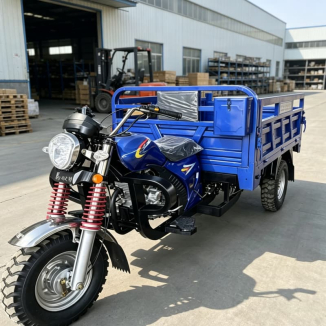
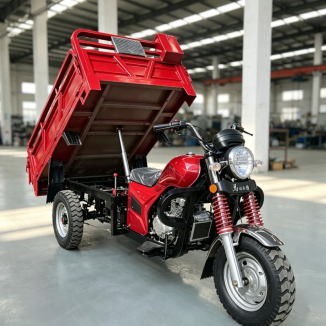
Every tuk tuk driver and fleet owner cares a lot about engine cooling performance. If you run daily passenger trips or small cargo deliveries with your Petrol Auto Rickshaw Tuk Tuk, the cooling system decides how reliably your vehicle works all day. Many operators struggle to choose between water-cooled and oil-cooled setups, because the wrong option leads to overheating, weak power and frequent repairs. This issue is super common in hot tropical areas, busy city streets, crowded market zones and rough rural roads. Overheating downtime directly cuts your daily income. We offer flexible custom upgrades for our Gasoline Auto Rickshaw, including exterior tweaks and functional adjustments, to fit different local business and road conditions.
What are the core advantages of water-cooled motors for commercial tuk tuk operation
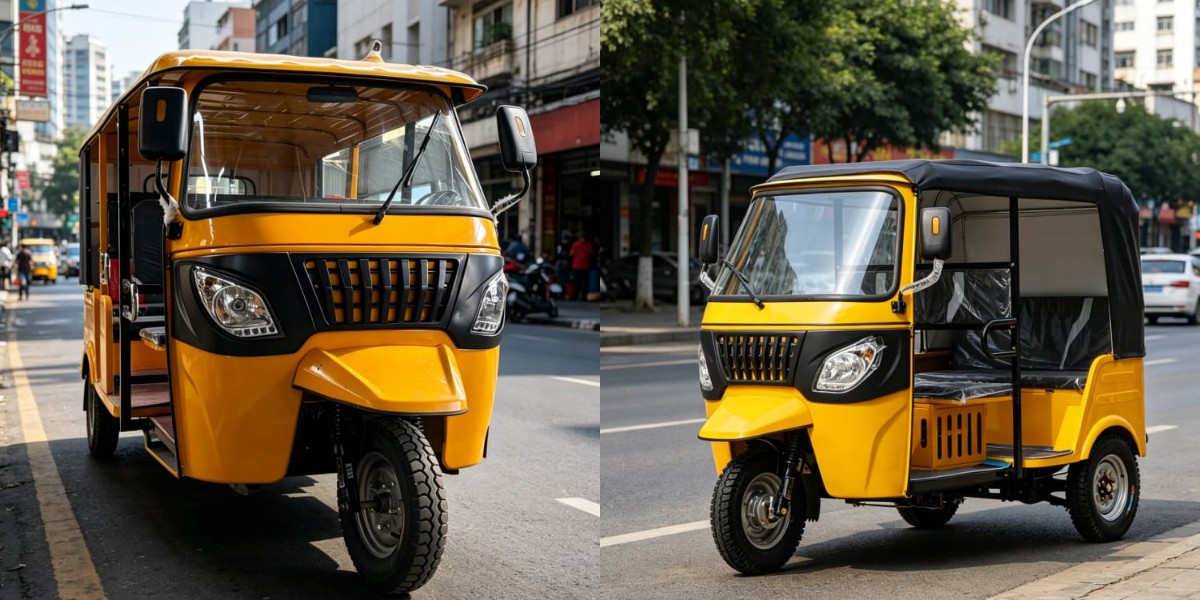
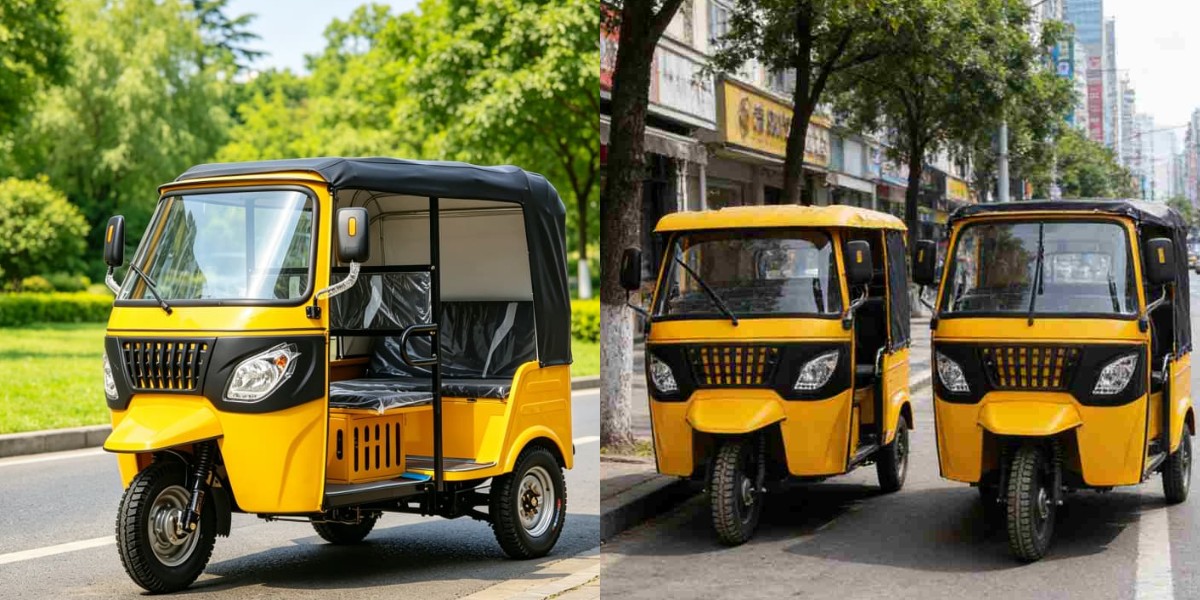
Water-cooled motors are made for full-time daily commercial use, which matches how most Gasoline Tuk Tuk operators work. It uses circulating water to regulate engine temperature, so the motor never gets too hot even after nonstop running under full passenger loads or extreme heat. You can operate the tuk tuk from morning to evening without frequent stops for heat dissipation. Built with thick high-strength carbon steel frame and stable three-wheel structure, this tuk tuk runs steadily on all kinds of roads. It is extremely easy to drive, with a control logic similar to regular motorcycles. New learners can master it quickly with no professional training needed. Its compact size lets it pass through narrow alleys, crowded market passages and tight village roads that large vehicles cannot access. It delivers steady power for daily passenger shuttles, short-distance travel and small cargo transport. Anti-slip foot pedals and cargo area baffles keep passengers safe and goods stable during bumpy rides, improving overall driving safety for daily commercial work.
What are the limitations of oil-cooled motors in field tuk tuk use?
Oil-cooled motors have simple structures and fewer parts, so they cost less at first glance. They work fine for casual, intermittent short-distance rides. However, they are not fit for full-time commercial tuk tuk business. Oil cooling relies solely on engine oil to release heat, which is very limited during long-hour continuous operation. When you carry full passengers or work under high temperature, heat builds up fast inside the motor. This wears internal components quickly, reduces driving power and causes frequent small faults. For drivers who rely on their tuk tuk for stable income, constant overheating problems mean more repair costs and longer service stops. Oil-cooled motors also struggle on rough rural roads and cannot handle high-frequency market delivery tasks. Poor heat resistance shortens the vehicle’s service life and limits your daily business volume.
Why water-cooled tuk tuk is more cost-effective for long-term commercial use?
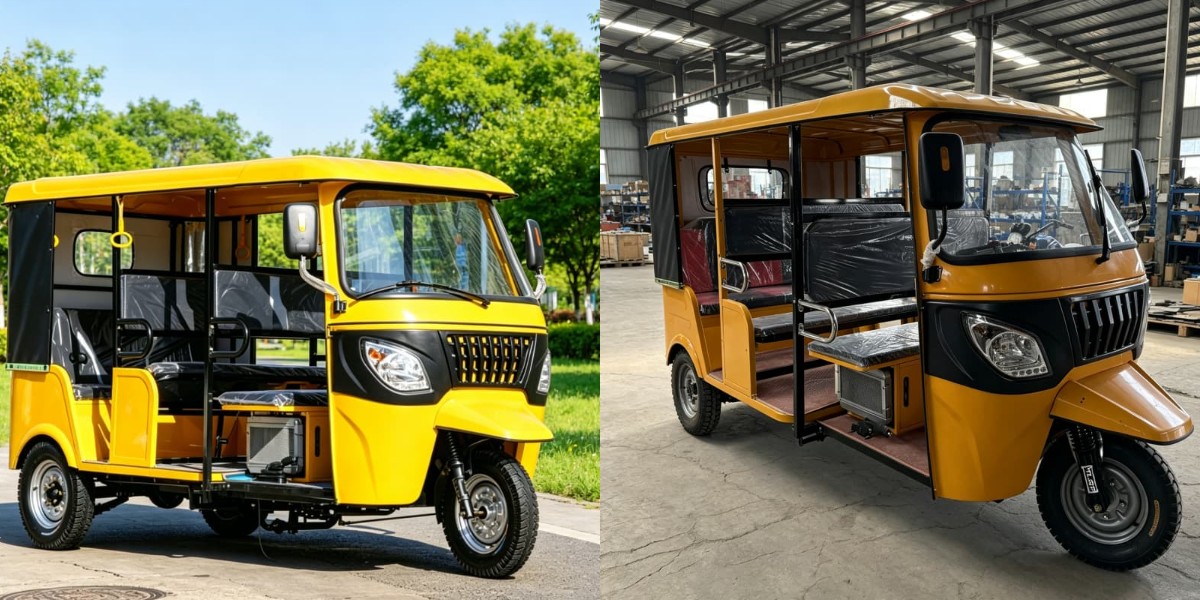
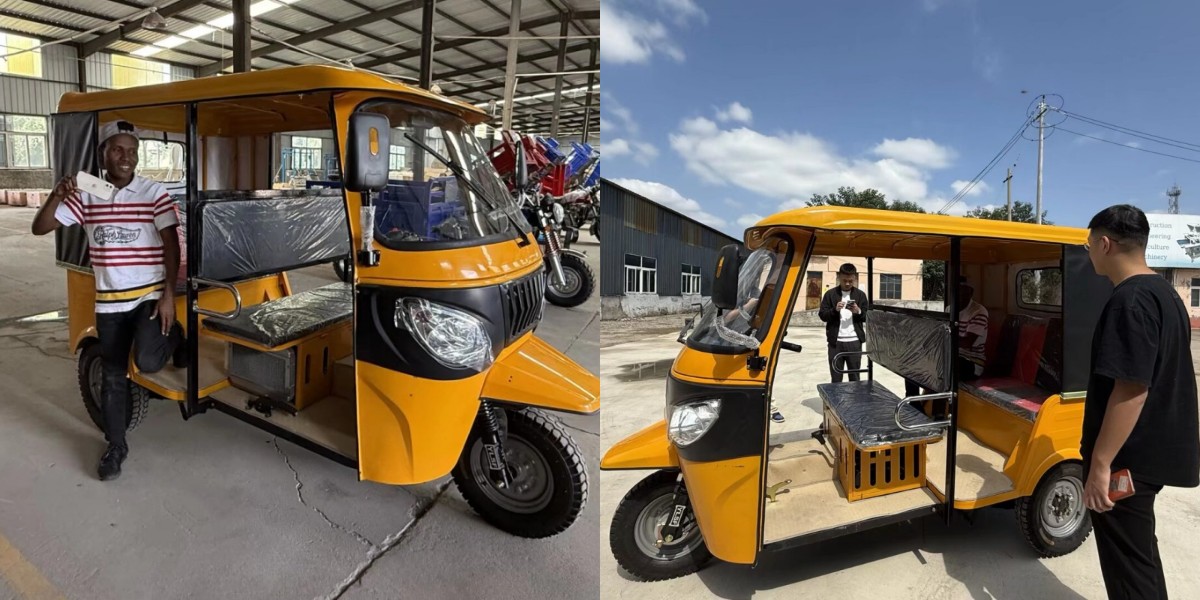
Water-cooled tuk tuks bring real cost-saving benefits for long-term operation. The biggest advantage is the dual-use design for both passengers and cargo. You can switch freely between carrying people and transporting small goods with one single vehicle. It saves you extra procurement costs and improves equipment utilization greatly. The ergonomic seats and high-quality shock absorption system make rides more comfortable and reduce driver fatigue after long working hours. Equipped with thickened wear-resistant rubber tires with deep treads, the tuk tuk has strong grip and anti-burst performance. It works well on city roads, rural dirt roads and market stone roads. The body adopts rust-proof steel plates and wear-resistant materials, resisting scratches, corrosion and aging for long-term outdoor use. With low noise and low emission features, this Petrol Auto Rickshaw Tuk Tuk complies with urban environmental rules and road restrictions. It can run normally in urban areas, residential zones and industrial parks. No matter for suburban distribution, market cargo transfer or daily passenger service, the water-cooled Gasoline Auto Rickshaw runs stably with low failure rates, bringing better long-term returns for operators.
Summary
In short, water-cooled motors are far more practical for commercial tuk tuk long-term operation than oil-cooled motors, especially for full-time fleet businesses and individual drivers. The stable water circulation cooling system effectively solves overheating issues during long-hour and high-load driving, lowering daily maintenance costs and reducing unexpected downtime. Featuring flexible body, stable load capacity, strong road adaptability and dual-purpose passenger and cargo design, the water-cooled Gasoline Tuk Tuk adapts to almost all urban and rural transport scenarios. Durable, safe and eco-friendly, it meets diverse market demands and serves as a cost-effective transport tool for global commercial operators.