
Indian Clients Visit Three Wheels Motorcycle Factory
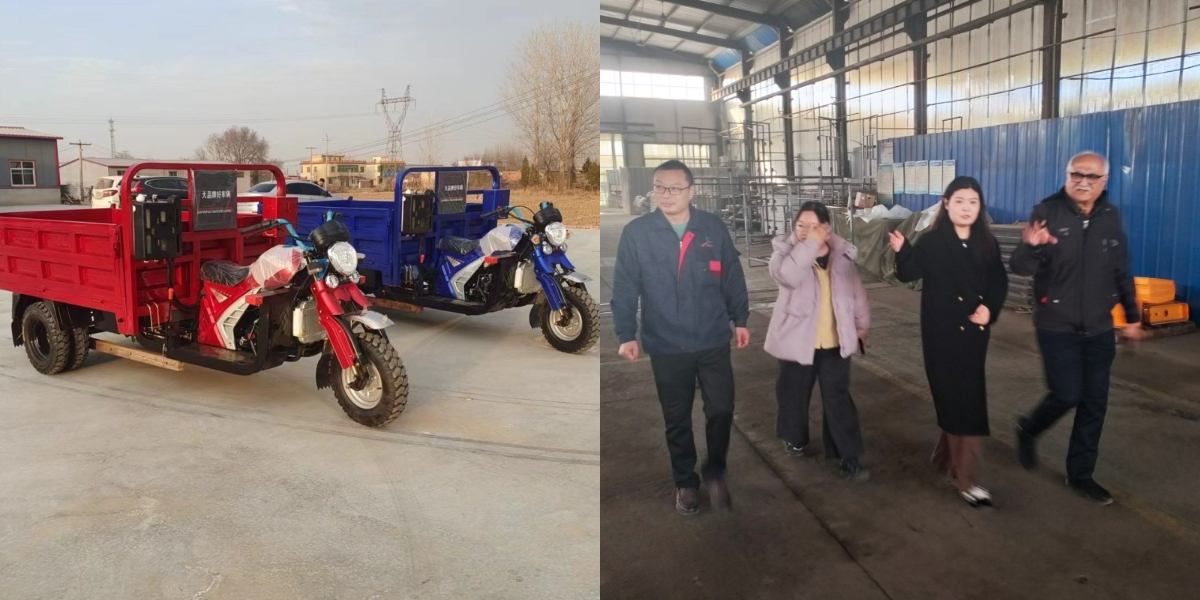
For Indian entrepreneurs and traders in the three-wheeler industry, gasoline-powered trikes are more than just vehicles—they are the backbone of urban last-mile transport and rural cargo delivery. Recently, a delegation of Indian clients from Delhi and Mumbai visited our gasoline three wheel motorcycle factory, diving deep into production lines, testing vehicle performance, and negotiating customized cooperation plans. This visit not only bridged the gap between manufacturing and market demand but also revealed the core needs of the Indian market for gasoline three-wheelers. Let’s explore the highlights of this cross-border cooperation journey.
1. Customization for Indian Terrain: From Frame to Engine, Tailored to Local Needs
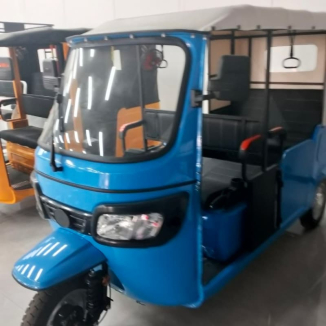
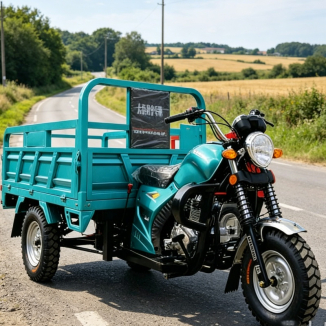
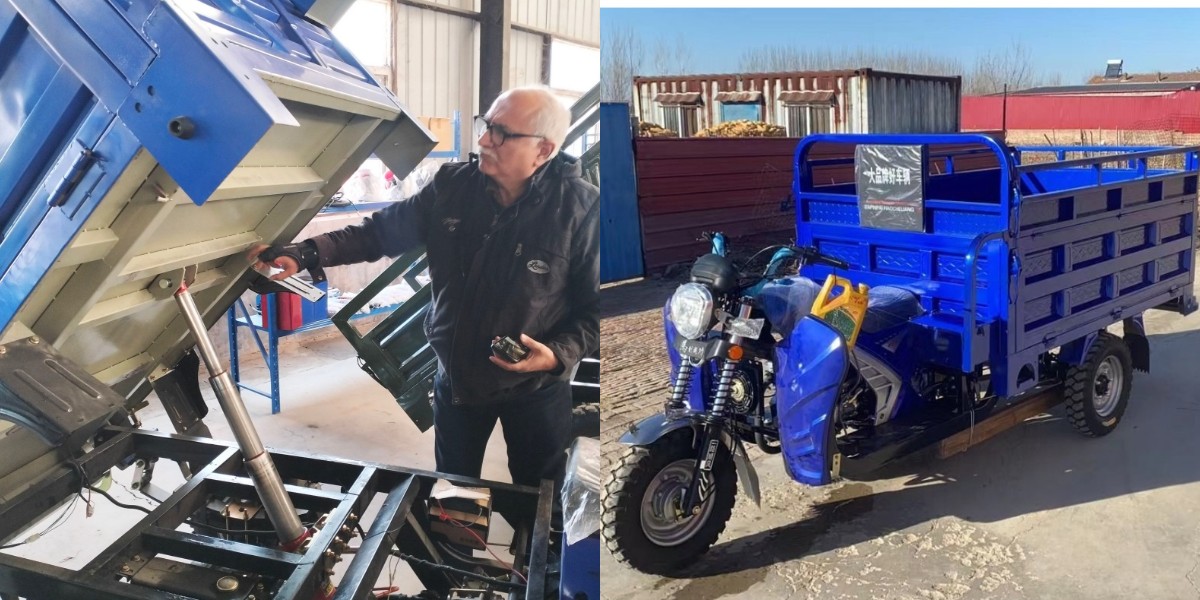
The first focus of the Indian clients was not the standard models, but how the factory adapts products to India’s diverse terrain and usage scenarios. Unlike the smooth urban roads in some countries, India’s transportation network combines narrow rural lanes, bumpy mountainous paths, and crowded city streets—posing unique challenges to the durability and maneuverability of gasoline three-wheelers.During the workshop tour, the clients closely inspected the reinforced steel frames of the trikes, which are 15% thicker than standard versions to withstand frequent load-bearing and road impacts . “In rural Maharashtra, we use trikes to transport agricultural products like cotton and mangoes. A sturdy frame means less maintenance and longer service life,” explained Mr. Sagar Gupta, a leading member of the delegation and a veteran cargo motorcycles three-wheeler trader . The factory’s engineering team also demonstrated the adjustable engine power system—clients can choose between 100cc and 350cc gasoline engines based on local fuel costs and load requirements. For dense urban areas like Delhi, the 100cc engine offers optimal fuel efficiency (up to 32 km per liter), while the 350cc version is designed for hilly regions with stronger torque .Another key customization is the open-body design with anti-rust aluminum components. Considering India’s high humidity and monsoon seasons, the factory uses corrosion-resistant aluminum for the passenger compartment and cargo bed, extending the vehicle’s lifespan by 2-3 years compared to traditional steel parts . The clients also requested a modified seating layout—adding a foldable third seat for passenger models to maximize revenue in peak hours, a detail that aligns with India’s auto-rickshaw operation habits .
2. Beyond Assembly Lines: Strict Quality Control That Wins Indian Trust
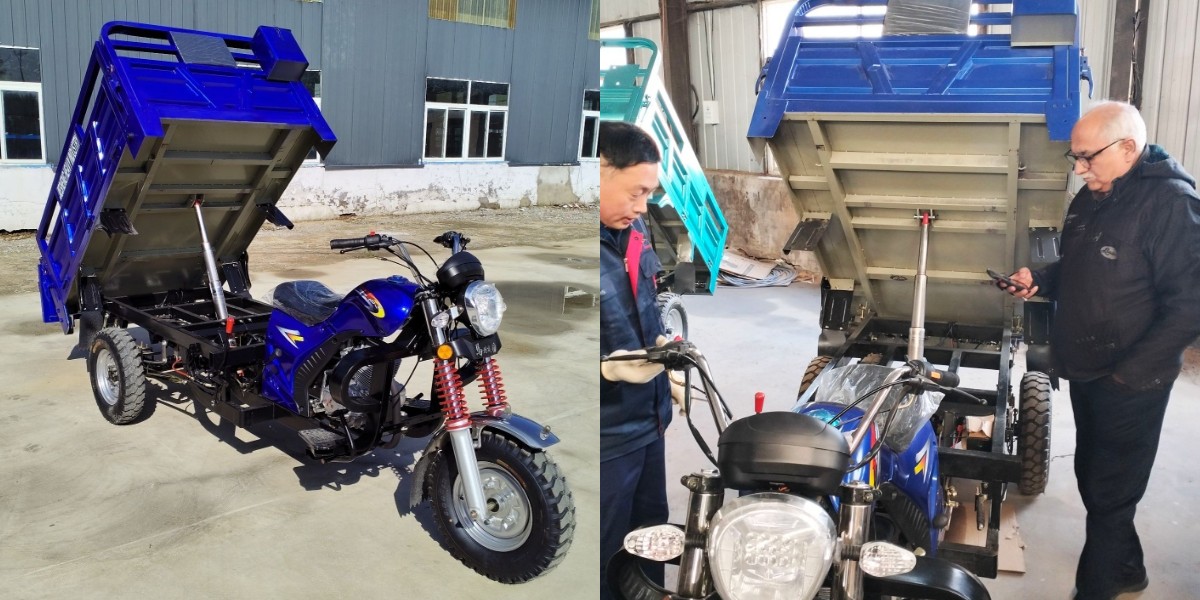
Indian clients place extreme emphasis on product reliability, as gasoline three-wheelers are often the primary source of income for local families. During the visit, the delegation spent nearly two hours in the quality control (QC) workshop, witnessing every rigorous test that the trikes undergo before leaving the factory—from engine performance to brake sensitivity.A memorable moment was when the clients test-rode the trikes in the factory’s closed test area. Mr. Raza Husain, a Delhi-based auto-rickshaw fleet owner, praised the vehicle’s handling: “It’s easy to navigate through narrow spaces, and the hydraulic brakes are more responsive than the ones we currently use. This will help our drivers avoid accidents in crowded markets.”
3. Win-Win Cooperation: From Bulk Orders to Localization Support
The visit was not just about product inspection—it was a platform for deepening cooperation. The Indian delegation brought clear demand: bulk orders of 300 cargo trikes, with a request for CKD (Completely Knocked Down) kits to reduce import duties and support local assembly . In response, the factory offered a tailored cooperation plan: providing CKD kits with detailed assembly manuals and on-site technical training for local workers.For small and medium-sized Indian traders, cost control is crucial. The factory adjusted the pricing strategy for bulk orders, offering a 8% discount on orders exceeding 200 units, while promising a 3-month lead time—shorter than the industry average of 45 days . Additionally, the two parties discussed after-sales cooperation: the factory will establish a spare parts distribution center in Chennai, ensuring that replacement parts reach clients within 48 hours for urban areas and 72 hours for rural regions.
“We don’t just sell vehicles—we build long-term partnerships,” said the factory’s export manager. “India’s gasoline three-wheeler market is growing rapidly, and we aim to support local businesses with high-quality gasoline trikes and localized services. This cooperation is just the beginning.”
Why Indian Clients Choose Our Gasoline Three-Wheel Motorcycles?
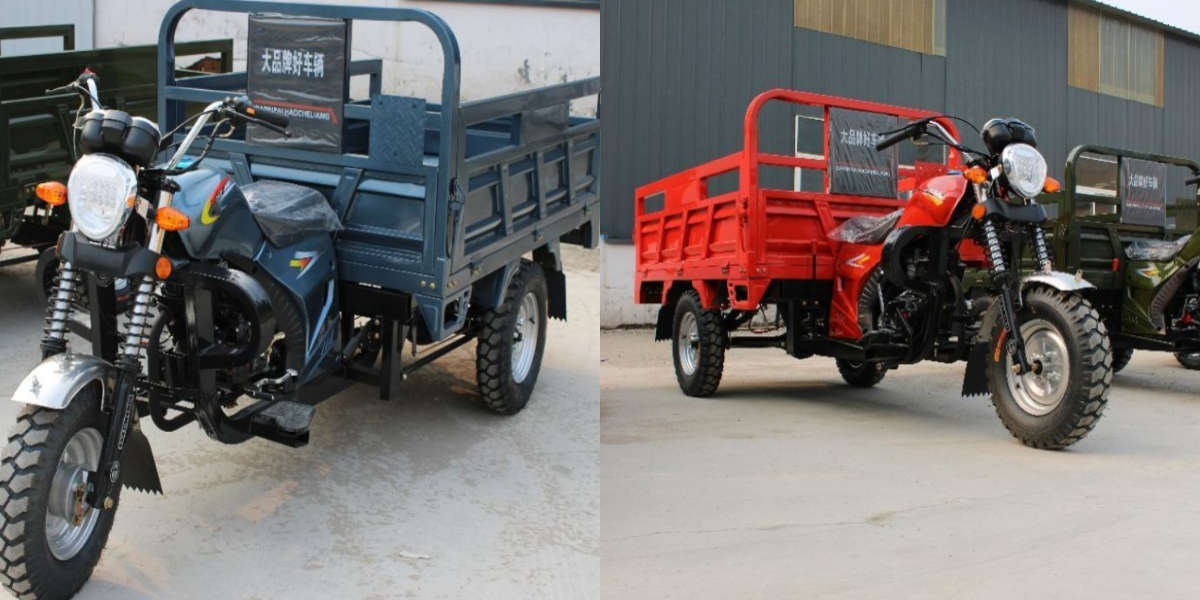
India’s gasoline three wheel tricycle motorcycles market is dominated by brands like Bajaj and Piaggio, but our factory stands out with three core advantages: customization capabilities tailored to local needs, strict QC processes that ensure durability, and comprehensive post-sales support . For Indian clients, these advantages translate to lower operational costs, higher revenue, and reduced risks.
Whether it’s passenger trikes for urban transport or cargo models for rural areas, our gasoline three-wheel motorcycles are designed to thrive in India’s unique market environment. This visit by the Indian delegation is a testament to the factory’s commitment to understanding and serving global markets—bringing reliable, efficient transportation solutions to South Asia.
If you’re an Indian trader or entrepreneur looking for high-quality gasoline three-wheel motorcycles, contact us today to arrange a factory visit or request a customized quote. Let’s build a win-win partnership for the booming Indian three-wheeler market!