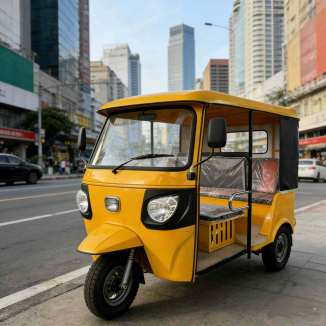

What Is the Best Tuk-Tuk Business Model?
The short-distance transport market is a tough game. Buying a tuk tuk is relatively affordable. Keeping steady money coming in is a completely different story. Drivers fight for pennies on the street every day. There is no single magic formula that works for everyone. A good strategy balances affordability, cost control, and what local riders actually want.
Maybe you are thinking about running a passenger tuk tuk in a busy city. Maybe you want to operate a rural taxi tuk tuk between villages. Maybe you are building a commercial tuk tuk fleet. Or maybe you want to put a petrol cargo tuk tuk on the road for deliveries. Either way, you need a clear plan. Let's break down the models that actually make money.
The Traditional Street-Hailing Model: Low Barrier, High Risk
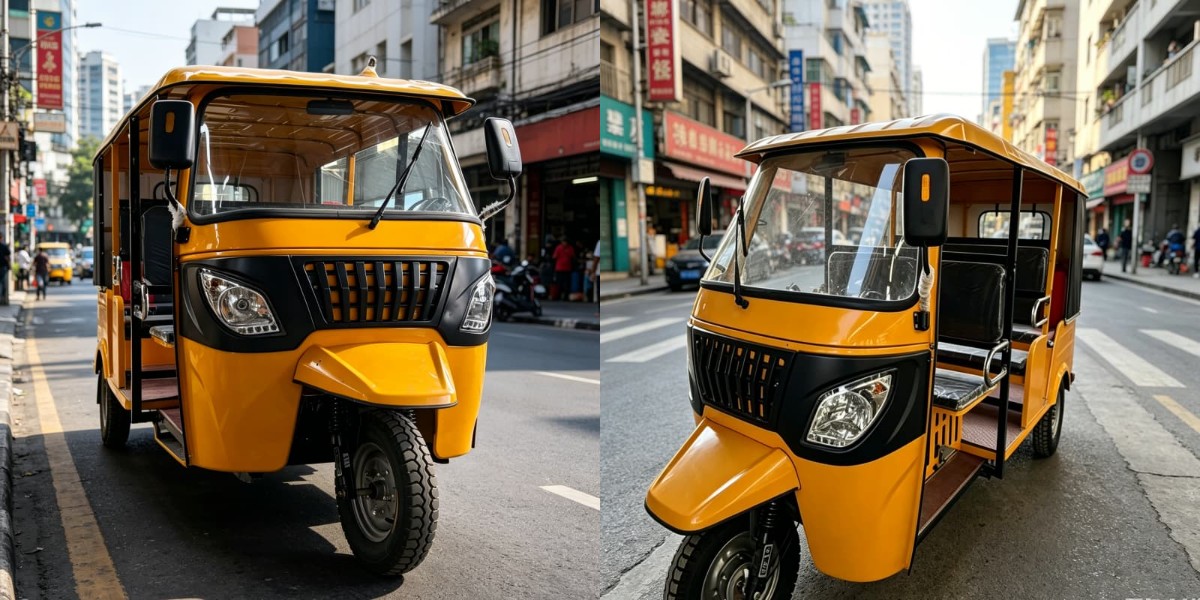
This is the classic way to start. A driver owns or rents a petrol cargo tuk tuk and hunts for fares on the side of the road. It is the most common way to run a tuk tuk. The upside? You start immediately. No corporate rules. You control your own hours.
But the drawbacks are brutal. Income is completely unpredictable. You might sit on the curb for hours waiting for a ride. Then you have to negotiate every single fare. That means constant arguments with locals and tourists. Without a brand name or a regular customer base, running a city transport tuk tuk this way makes long-term financial security hard to reach.
A petrol cargo tuk tuk parked at a busy corner still burns fuel while it waits. The driver pays for every idle hour out of his own pocket. You are just surviving day to day.
The Platform Aggregation Model: The Urban Standard
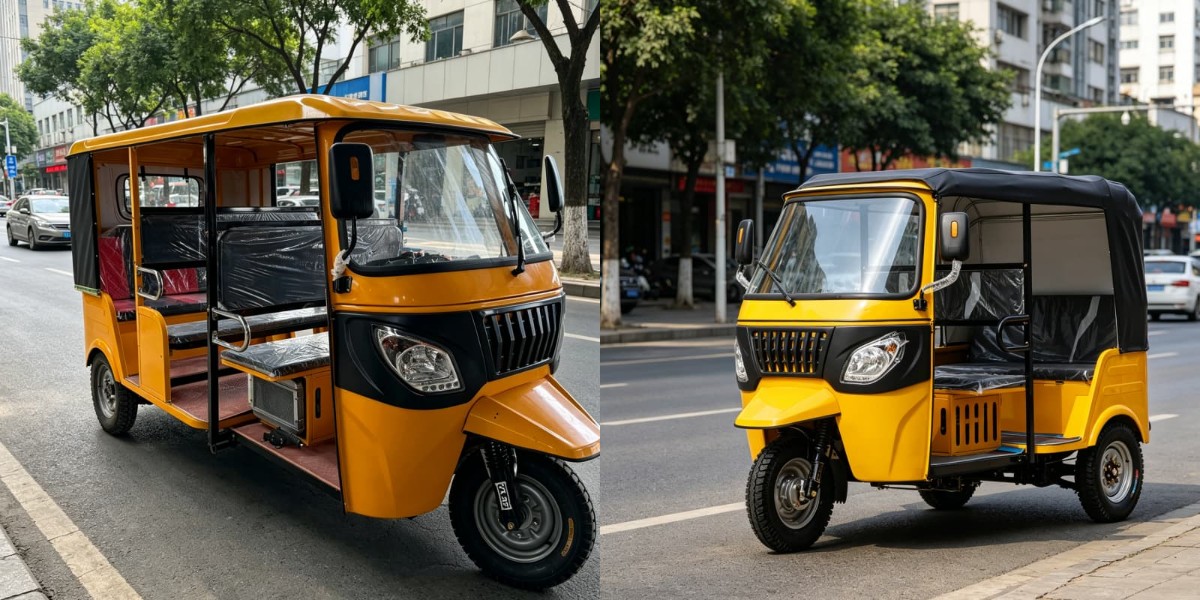
App-based ride-hailing has become a common operational model, particularly across Southeast Asia. In places with high smartphone penetration, hooking up a passenger tuk tuk to a digital dispatch system provides a steady stream of orders. This model works well in dense cities where demand is constant.
The platform handles pricing, which ends daily haggling and improves safety monitoring for a commercial tuk tuk fleet. A petrol cargo tuk tuk can join the same network for small deliveries between passenger jobs. Another petrol cargo tuk tuk on the road means more orders covered.
But operators must consider the local context. In areas with limited digital infrastructure, running a tuk tuk through an app still struggles. High platform commissions mean you need volume to survive. A petrol cargo tuk tuk sitting idle still costs money, so every hour has to earn. You must accept that the platform controls the customer relationship. That is the price of steady orders.
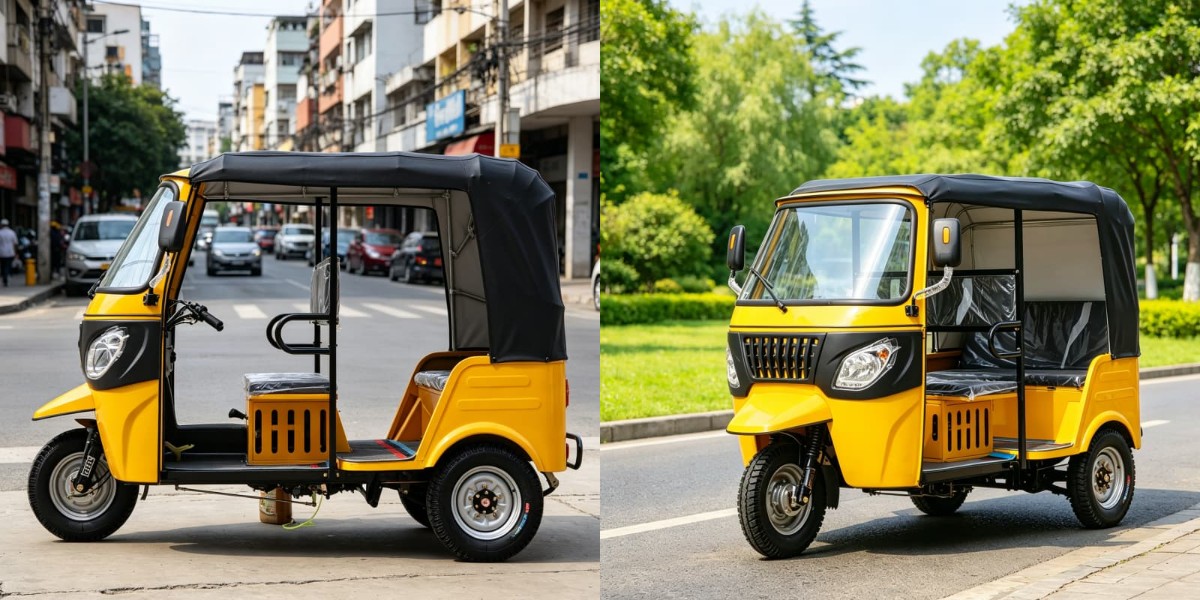
Niche Customization: The High-Margin Escape Route
If you are tired of the low-margin rat race, you have to go niche. Stop fighting for random riders. Target specific needs instead. This is where a petrol cargo tuk tuk shines.
Instead of hauling people, you partner with local shops for last-mile parcel delivery or moving construction materials. A second petrol cargo tuk tuk can handle the morning market run while the first one covers afternoon parcels.
For passenger services, you can secure dedicated hotel-to-airport contracts. A rural taxi tuk tuk can lock in reliable school runs or daily market shuttles. A city transport tuk tuk with a fixed route and a commercial tuk tuk contract both sell certainty, and certainty pays.
By offering package tours or dedicated logistics, you charge premium rates. The market is smaller. The profit per trip is much higher. A petrol cargo tuk tuk on a standing contract does not chase the lowest fare. You are no longer competing on price.
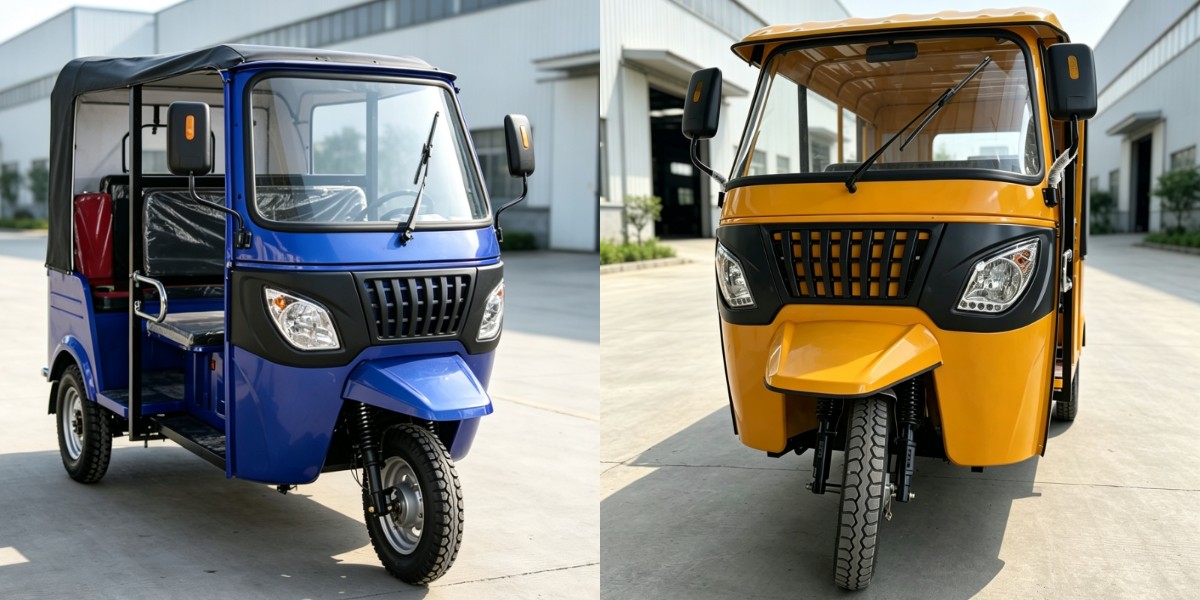
The Hybrid Approach
So what is the actual best business model? A hybrid strategy is often the most practical approach. Relying solely on street hailing can make it difficult to sustain stable profits. Depend entirely on an app and commissions will choke you. The real money comes from combining both.
Running a successful commercial tuk tuk needs strict pricing, top safety protocols, and motivated drivers. Do not just copy what everyone else is doing on the street. Build a mixed model that keeps your wheels turning and your cash flow healthy.