
How Small Businesses Are Turning Tuk-Tuks into High-ROI Mobile Billboards
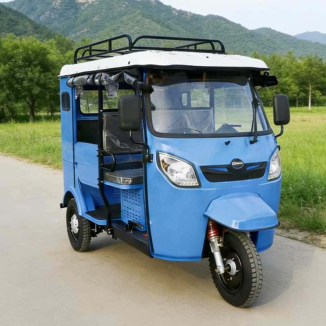
Across the busy thoroughfares of Asia, the tuk-tuk is familiar. Once seen only as transport, this three-wheeled vehicle is now being used as an advertising medium. A motorbike tuk-tuk wrapped in bold colors can turn an ordinary commute into a moving billboard. Pedestrians and drivers both see it.
Tuk-tuk commercial advertising is catching on because tight-budget entrepreneurs cannot afford expensive static placements. One tuk-tuk routed through a dense neighborhood at peak hours can deliver thousands of daily impressions. The cost is a fraction of what traditional placements charge. A branded tuk-tuk gives owners something a fixed sign cannot. It moves all day and feels familiar locally, giving people an identity to remember.
Why Mobile Beats Static: The Core Advantages
For small enterprises, advertising costs can make or break the business. Traditional billboards demand high upfront fees. The locations are fixed. The contracts lock you in. That ties up scarce cash before a single customer walks in.
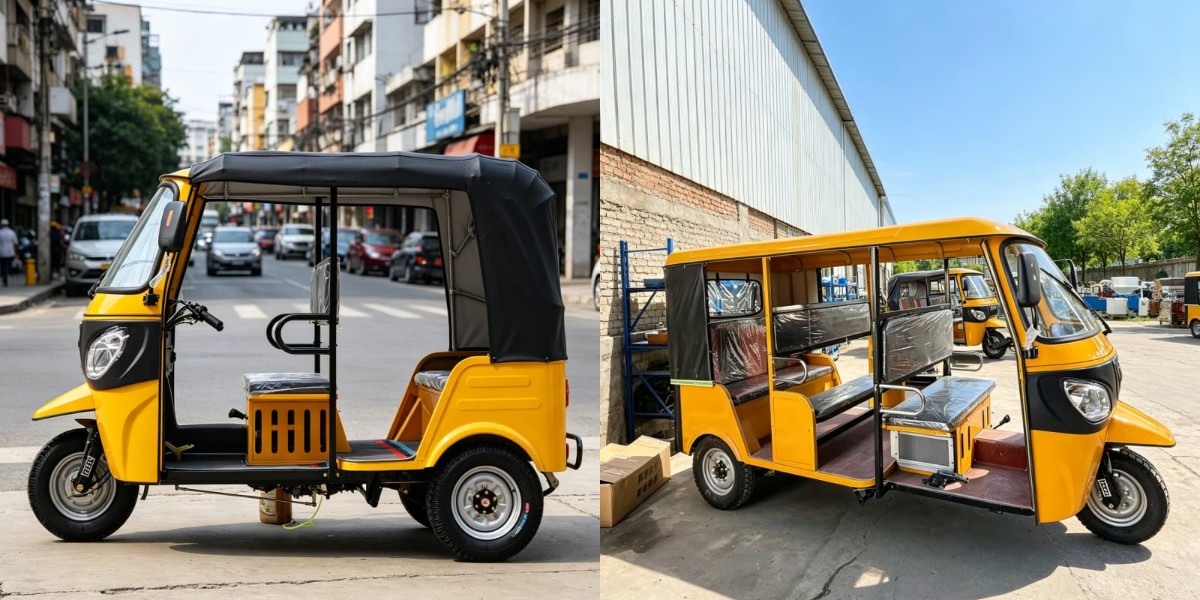
A three-wheeler tuk-tuk works differently. It moves through the streets where customers live and shop. A petrol auto rickshaw with a compact advertisement can cover residential lanes, market zones and transit corridors in one shift. It reaches audiences a stationary sign never will.
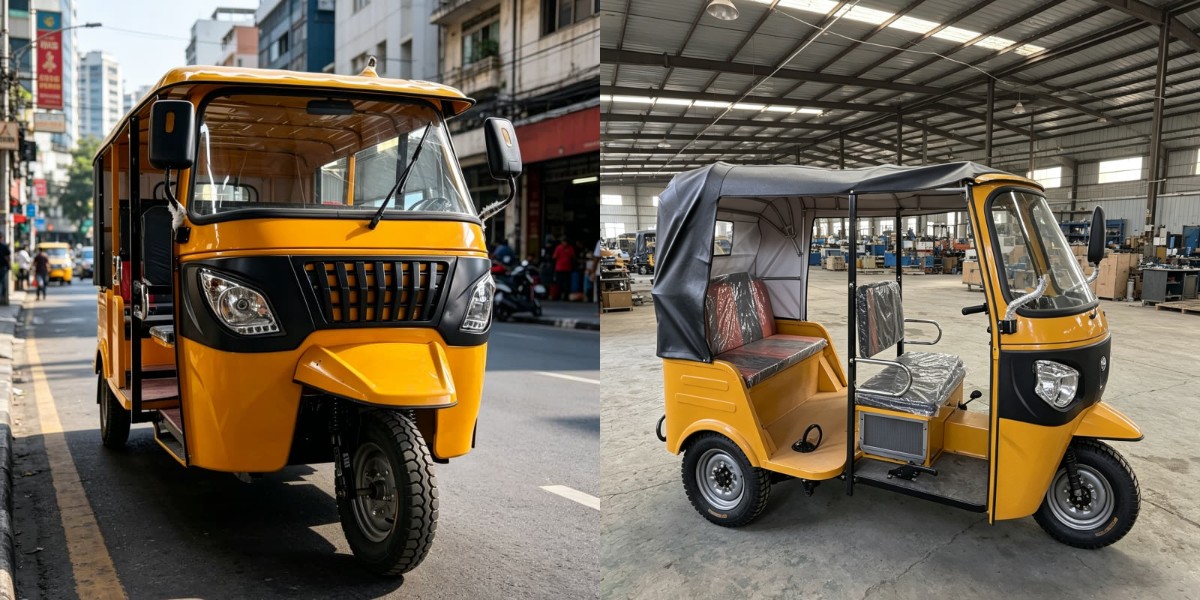
Our factory vehicles show what that means in practice. An approximately 18-liter tank and a range of about 260 kilometers allow a full day of cruising on a single fill. Fuel costs stay low and predictable. That flexibility explains the return. Instead of paying a premium for one intersection, merchants can run a tuk-tuk commercial campaign across several neighborhoods for the same spend.
Closeness to pedestrians fosters engagement a distant billboard cannot match. A branded tuk-tuk rolling past a storefront carries the message to people who are likely to become repeat customers.
From Concept to Street: Practical Playbooks
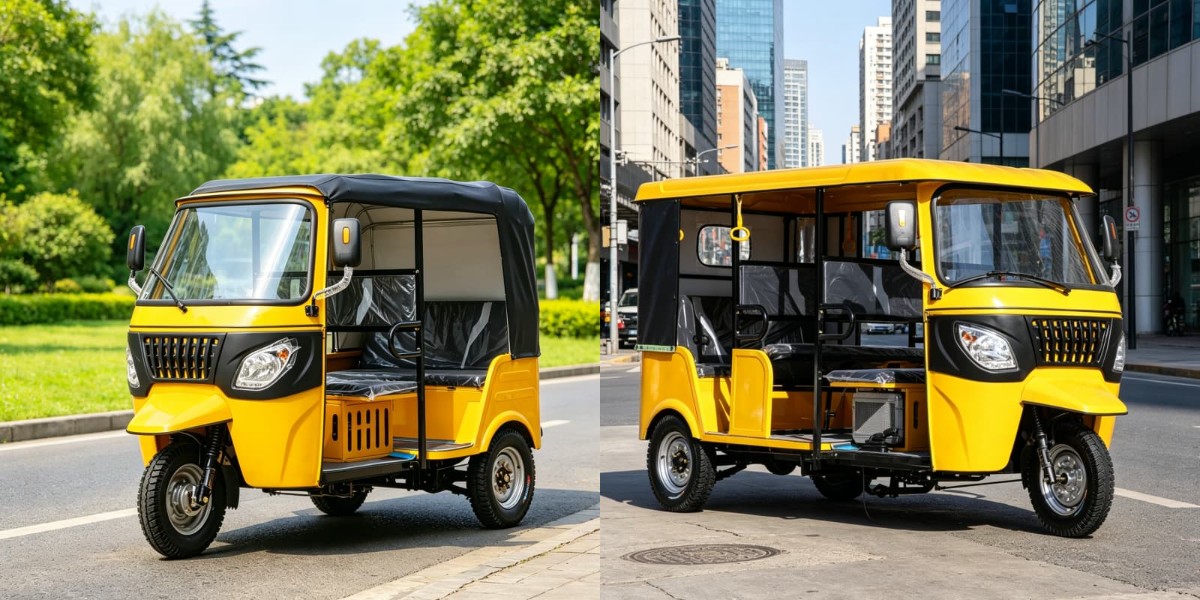
Mobile advertising is more accessible than owners assume. The visual change comes first. Vinyl wraps, hand-painted panels, or removable stickers can turn a petrol auto rickshaw into a rolling showcase without permanent modification, and modular designs swapped seasonally keep the message fresh.
Routing matters just as much. Merchants map short loops through commercial districts and time those journeys for the lunch rush and evening markets. A single tuk-tuk can serve several merchants on a rotating schedule.
Our factory models reach a design speed of approximately 60 kilometers per hour, so the driver can shift between districts quickly and then slow to a crawl through crowded lanes. Some drivers and retailers agree on revenue-sharing deals, paying a commission per referral, which aligns incentives and keeps expenses variable.
A branded tuk-tuk circling a busy district three times a day can outperform a static sign that goes unnoticed for weeks, meeting consumers in motion and at eye level.
Navigating Obstacles and Refining the Model
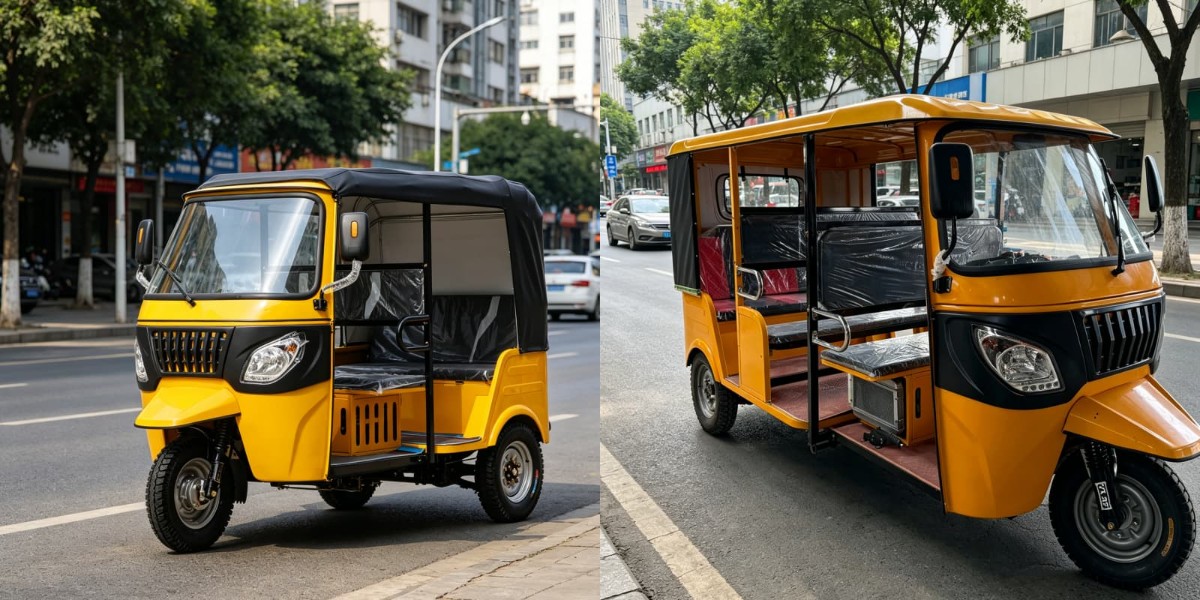
Mobile tuk-tuk advertising has complications. Municipal rules on vehicle appearance vary, and a three-wheeler tuk-tuk that ignores them risks fines. More careful merchants register their campaigns and secure the permits. They keep the designs legal.
Durability is another concern. A petrol auto rickshaw on dusty roads for ten hours a day will see its graphics fade. Owners need weather-resistant films that are easy to replace.
The audience issue is subtler. A moving vehicle cannot linger, so the message has to register in seconds. Effective tuk-tuk commercial campaigns use bold typography and a clear call to action. They also need repeated exposure along optimized routes. A motorbike tuk-tuk following a researched path through markets and transit hubs will deliver far better recall.
A Grounded Path Forward for Local Commerce
For shops with modest budgets, the branded tuk-tuk combines affordability with genuine visibility. It needs neither a prime billboard slot nor a digital campaign, yet delivers a neighborhood-level presence that algorithms cannot replicate.
As consumers grow wary of impersonal advertising, the low-tech charm of a three-wheeler tuk-tuk wrapped in a local merchant's story is likely to gain relevance. Regulated mobile advertising can enliven a streetscape rather than clutter it. If operators keep designs legal, make the creative count and plan routes carefully, a tuk-tuk carrying a shop's message will become a common sight on city streets.
The most effective billboard, it turns out, may be the one that actually moves.