
How fast can a gasoline tuk tuk go?
If you’ve ever hailed a gasoline tuk tuk in Bangkok, Delhi, or Nairobi, you’ve probably leaned forward at some point and thought—“Can this thing go any faster?” Trust me, I get it. Those little three-wheelers look like they’re just trundlin’ along, but every now and then, when the road’s clear, they’ll surprise you with a little burst of speed. But here’s the real deal: you won’t find the answer to “how fast” on any spec sheet. It’s from the drivers who sit behind the wheel 10+ hours a day, the ones who know exactly what these machines can do—and what they can’t. I spent a whole month hangin’ with tuk tuk drivers across three countries, and they told me everything straight up—no fluff, no factory lies, just real talk about how fast a gasoline tuk tuk actually goes. Lemme break it down for you.
Factory Speeds Are a Lie—Here’s What Drivers Actually Get
Walk into any tuk tuk shop, and the guy sellin’ ’em will wave a brochure in your face: “70 km/h top speed!” “200cc engine, faster than a scooter!” Yeah, right. I talked to Tee, a 41-year-old driver in Chiang Mai who’s had his Bajaj for six years, and he laughed so hard he almost spilled his iced tea. “70 km/h? C’mon, man—only if I’m goin’ downhill, empty, with a tailwind, and the engine’s brand spankin’ new,” he said. “I’ve never hit 60 with passengers—never. Most days, with two people and their bags, we’re cruisin’ at 45, max. That’s it.”
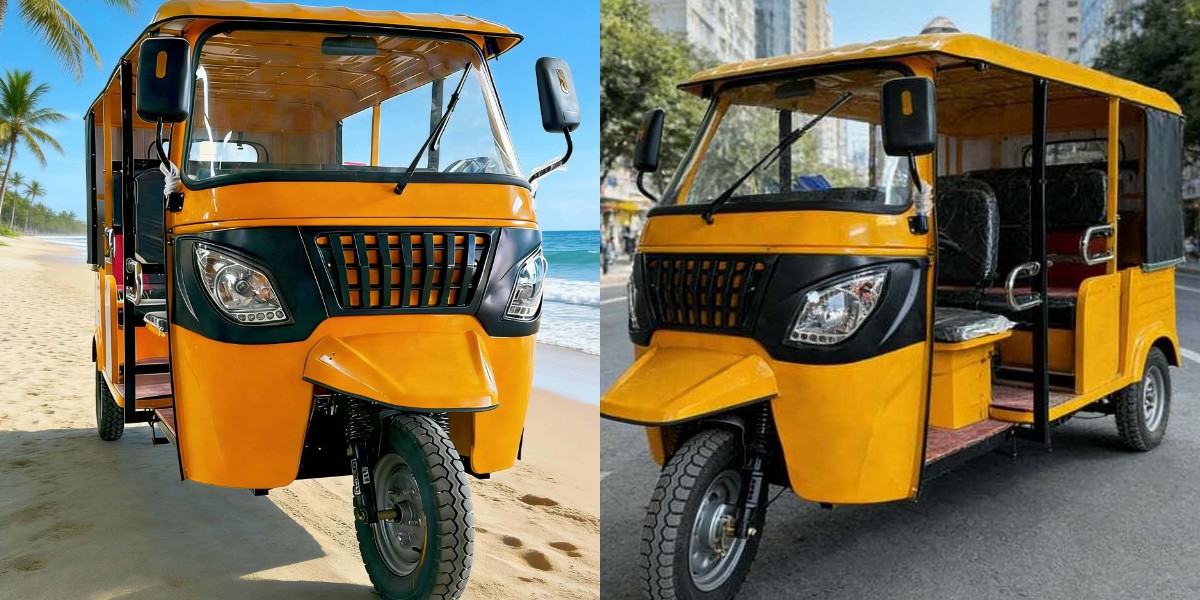
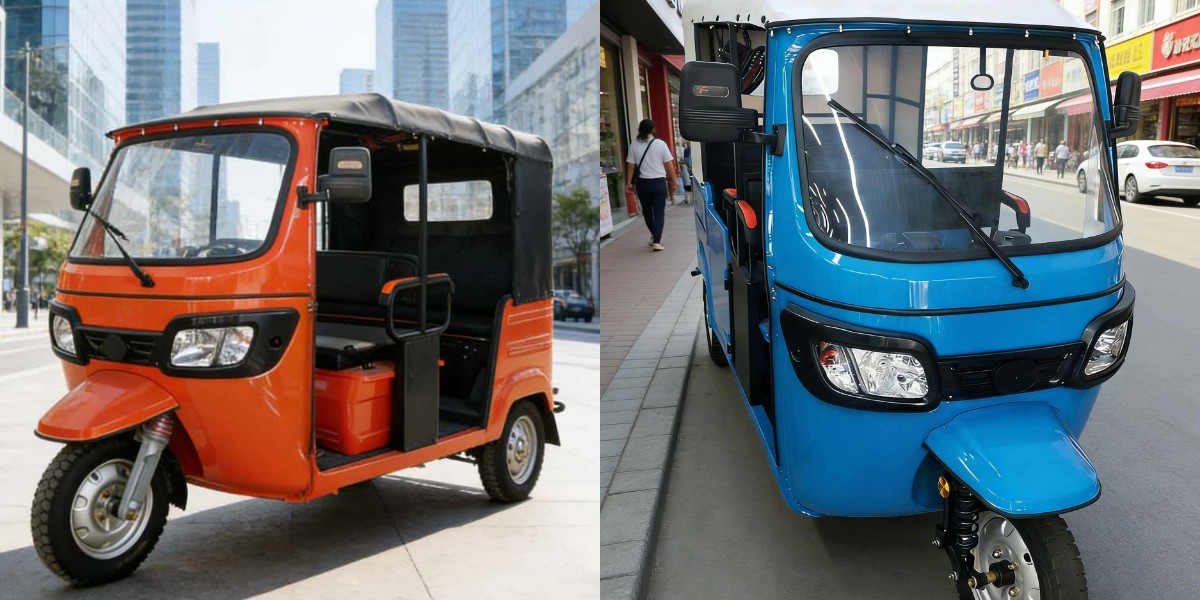
Frankly, let’s be real: most gasoline tuk tuks—the ones you actually ride in—have 150-200cc engines. That’s less power than a lot of lawnmowers, man—we’re talkin’ 8-12 horsepower. They weigh 300-400 kg empty, and add three passengers plus luggage? You’re lookin’ at a slow crawl up hills. Raj, a driver in Jaipur, told me he once had seven people in his tuk tuk (don’t even ask—India’s traffic rules are pretty loose) and they were movin’ slower than a cycle rickshaw. “I had to rev the engine so hard, I thought it was gonna stall on me,” he said. “Hills are the worst—20 km/h on a steep one, if I’m lucky. Sometimes even slower.”
Sure, the factory says 65-70 km/h. But that’s in a lab—no wind, no weight, perfect road. In real life? 45-55 km/h is the sweet spot for most drivers. And even that’s pushin’ it. “Why go faster?” Tee asked me. “These tires are thin as paper, the suspension’s garbage—hit a pothole at 60, and you’re gonna flip. Ain’t worth riskin’ it for a few extra km/h.”
Three Things That Kill Tuk Tuk Speed (Drivers Hate These)
I used to think engine size was the only thing that mattered—turns out, I was dead wrong. Every driver I talked to brought up the same three things that slow their tuk tuks down more than anything. This ain’t no technical stuff, either—it’s just the crap they deal with every single day.
1. Passengers (and Their Stuff) Are Heavy
Tuk tuks are supposed to hold 3-5 people, but in most places, that’s just a suggestion. In the Philippines, I saw a tuk tuk with 8 people plus a crate of mangoes—no joke. “Each extra person adds weight, man,” said Carlo, a driver in Cebu. “I can go 50 km/h empty, but with 6 people? 35, maybe 40. And don’t even get me started on luggage—suitcases, backpacks, even live chickens sometimes. All that weight kills speed, plain and simple.”
It ain’t just the number of people—it’s how they sit. If everyone piles in the back, the weight shifts, and the engine has to work twice as hard. “I tell people to spread out, but nobody listens,” Raj laughed. “They just wanna get where they’re goin’, and they don’t care that we’re movin’ like a snail. Can’t blame ’em, but it sure slows us down.”
2. Roads Are Worse Than You Think
Smooth roads? That’s a luxury, dude. Most tuk tuks drive on potholed streets, dirt roads, or roads that turn to mud when it rains. “Monsoon season in Bangkok? I’m lucky to hit 20 km/h sometimes,” Tee said. “The roads are flooded, and if I go too fast, I’ll get stuck in a puddle. Potholes are even worse—hit one too hard, and you’ll bend a wheel. Ain’t worth fixin’ that mess.”
And then there’s traffic. In Delhi, Raj spends 4 hours a day in gridlock—averagin’ 10-15 km/h. “I could walk faster, but people pay for the AC, y’know?” he said. “Stop-and-go traffic kills speed, and it kills my fuel too. I can’t go fast even if I wanna—there’s just no room.”
3. Weather Is a Nightmare
Wind, heat, rain—all of it slows a tuk tuk down. “Coastal winds in Goa? I’m drivin’ into a headwind, and it’s like the wind’s pushin’ back real hard,” said Ravi, a driver in Goa. “I can’t go more than 40 km/h on a windy day. Heat’s just as bad—when it’s 40 degrees, the engine gets tired. It loses power, and I have to go slower to keep it from overheat-in’.”
Altitude too. I talked to a driver in Nepal who takes tuk tuks up small mountain roads. “At 2,000 meters, the engine can’t breathe, man,” he said. “It’s slower than a cow goin’ up a hill. You gotta take it easy, or the engine will die on you. Ain’t no rush up there.”
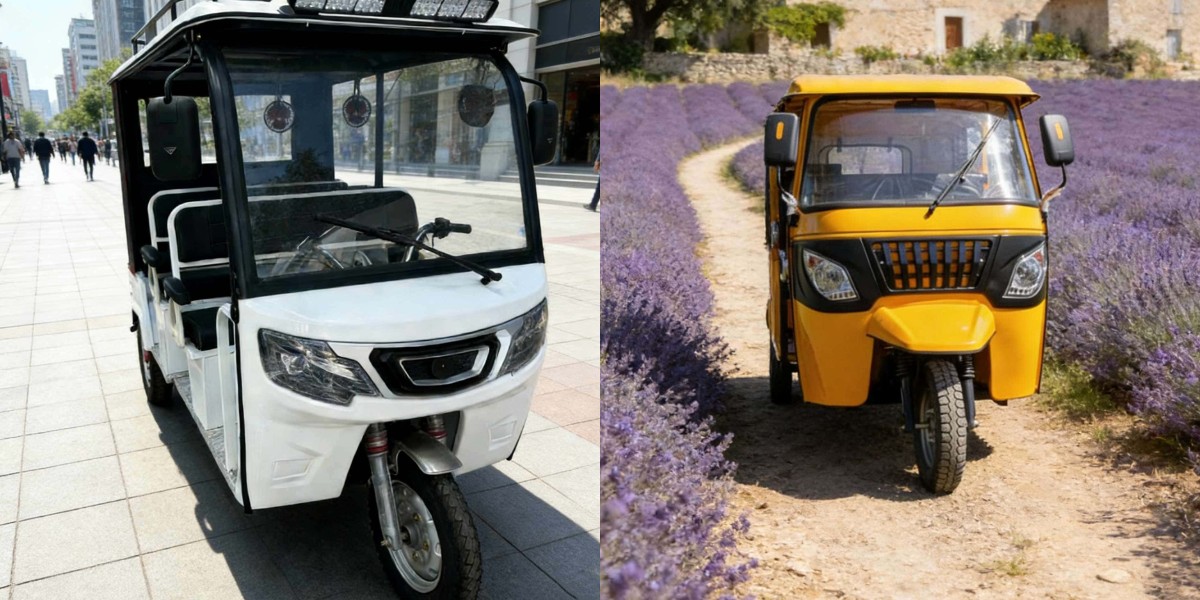
So, How Fast Can a Gasoline Tuk Tuk Actually Go?
Lemme cut to the chase—no fluff, no lies, just straight talk:
If you’re in a regular, unmodified gasoline tuk tuk (150-200cc), with passengers and luggage, on a normal road? 45-55 km/h. On a downhill, with a tailwind, empty? Maybe 60-65 km/h. On a hill, in traffic, or bad weather? 20-35 km/h. That’s it. The factory specs are a fantasy—real life is slower, safer, and more about gettin’ from A to B than goin’ fast.And that’s okay. Tuk tuks ain’t meant to be fast. They’re meant to weave through traffic, get you to places cars can’t, and give drivers a way to make a livin’. Next time you’re in one, don’t rush the driver. Sit back, roll down the window, and enjoy the ride—slow and steady wins the race, right?
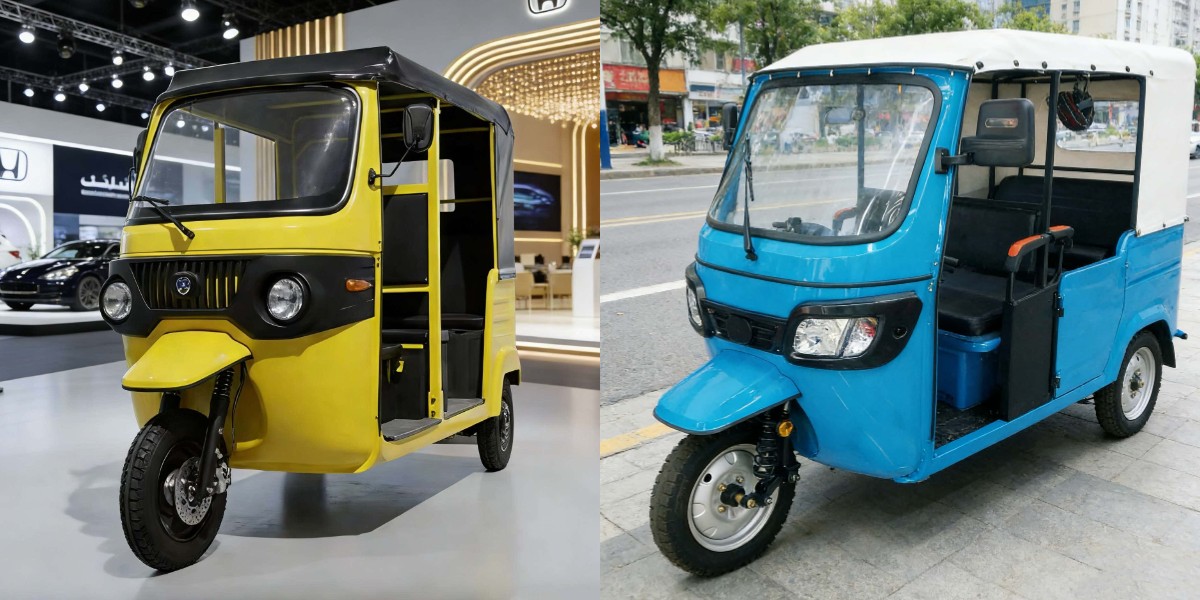
Quick Questions I Get All the Time (From Real Riders)
1. Can I make my tuk tuk go faster?
Nah, not really. You can modify it, but it’s unsafe, illegal in most places, and it’ll break your engine faster. Drivers say it ain’t worth it—save your money for repairs instead.
2. Are electric tuk tuks faster?
Nope. Most electric ones top out at 40-50 km/h—slower than gasoline. They’re quieter, sure, but not faster. Good for short trips, though.
3. Do tuk tuks have speedometers?
Some do, but most drivers don’t use ’em. They judge speed by how the engine sounds. “I know when I’m goin’ 45—engine hums just right,” Tee said. “Don’t need no gauge for that.”
4. What’s the best speed for fuel?
35-45 km/h. Go faster, and you burn more gas. Go slower, and you waste gas too. Drivers stick to that sweet spot—saves ’em money in the long run.