
Can Water‑Cooled Tuk‑Tuk Avoid Overheating For Long‑Hour Operation?
For operators running tuk‑tuk passenger transport in tropical and high‑temperature regions, engine overheating is one of the most troublesome daily issues. Many conventional gasoline rickshaw with air‑cooled structure will face performance drop or shutdown after hours of continuous driving under hot weather. Fleet owners and individual drivers are eager to find reliable three‑wheel transport solutions to prevent overheating damage, reduce downtime and extend engine service life. Choosing a water‑cooled tuk‑tuk has gradually become a hot topic among local auto rickshaw buyers.
Common Overheating Risks For Air‑Cooled Auto Rickshaw In Heavy‑Duty Work
Most budget‑level three‑wheel transport adopt air‑cooled engines. When the tuk‑tuk runs non‑stop for passenger delivery under high‑temperature outdoor environment, heat cannot dissipate efficiently. Continuous heavy‑load operation will trigger engine overheating, resulting in power reduction, accelerated component wear and unexpected stop‑offs. For transport operators, each unexpected shutdown means lost orders and extra maintenance cost. This pain point is widely reflected by tuk‑tuk users in Southeast Asia and African markets, especially for those who need long‑hour daily commercial service.
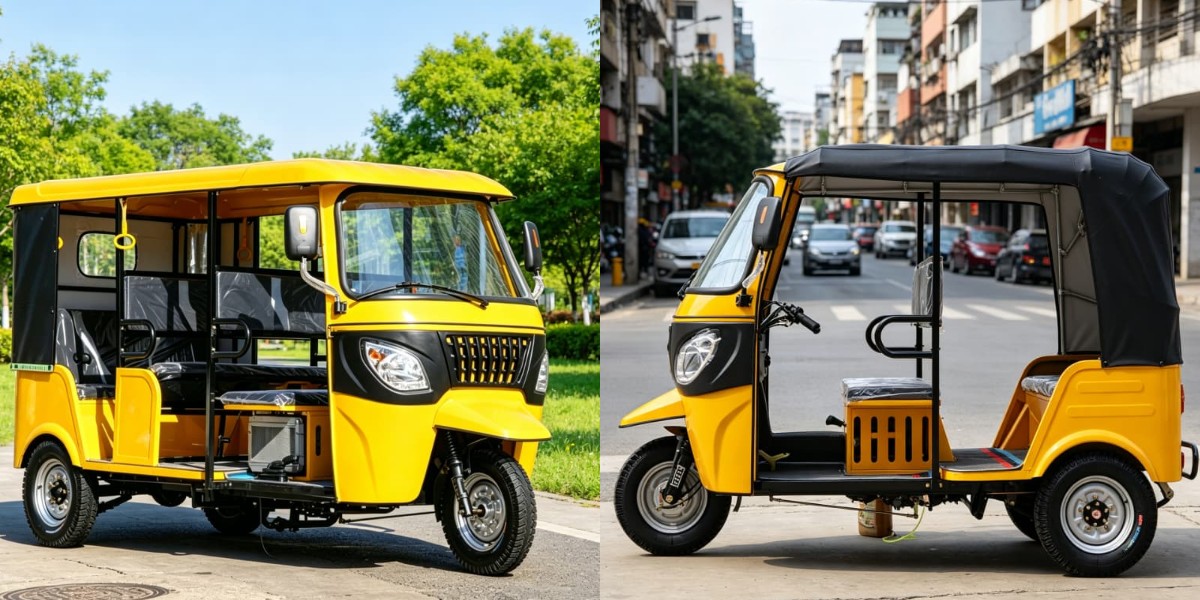
How Water‑Cooled Tuk‑Tuk Solves Long‑Hour Working Heat Dissipation Trouble
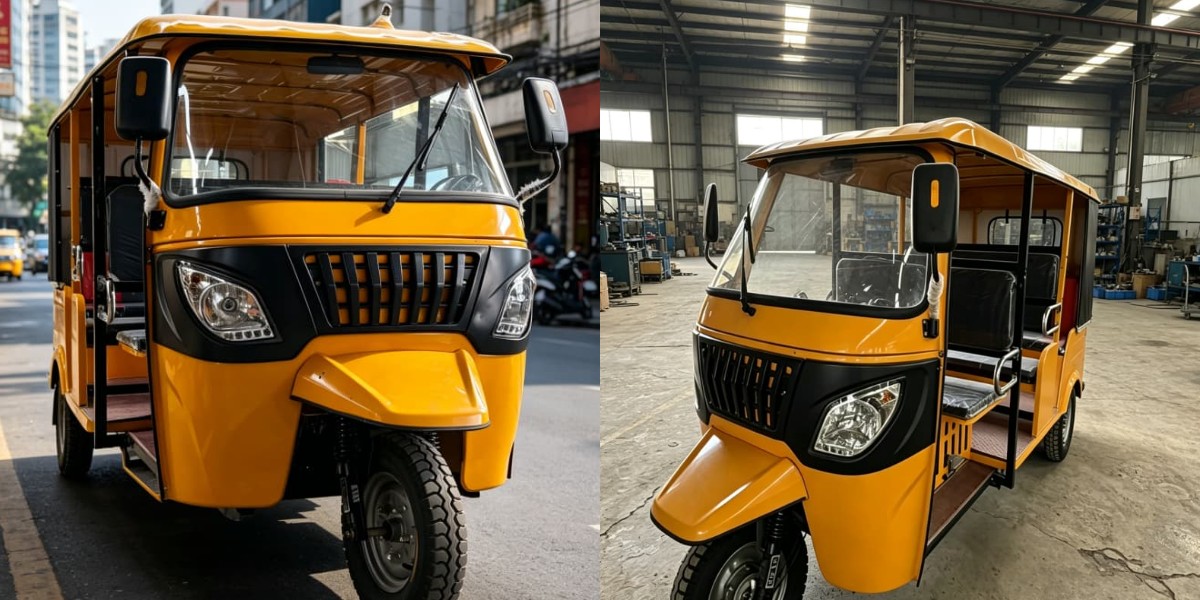
Water‑cooled auto rickshaw applies circulating liquid cooling system to stabilize engine working temperature. Different from air‑cooled models which fully rely on natural wind, the water‑cooled structure keeps stable operating status even under sustained heavy‑load driving. Our 200cc water‑cooled tuk‑tuk is built for continuous commercial operation. It maintains proper engine temperature when running shuttle passenger tasks all day long, effectively lowering the risk of overheating shutdown. For gasoline rickshaw operators working in hot climate, reliable cooling performance directly improves vehicle availability.
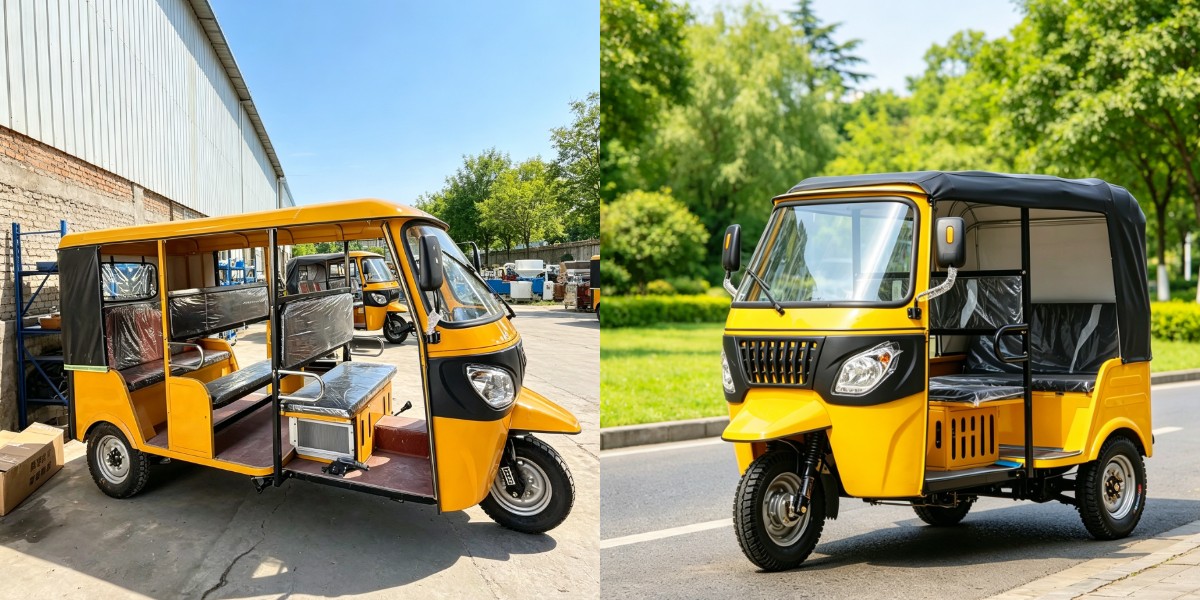
Practical Benefits For Operators Using Water‑Cooled Gasoline Rickshaw
Stable cooling performance brings multiple practical values for tuk‑tuk business. First, it cuts down unexpected downtime caused by high‑temperature failure, helping drivers complete more passenger orders every day. Second, stable working temperature reduces internal engine wear, prolonging the service life of core assemblies and lowering long‑term replacement expense. Besides, water‑cooled three‑wheel transport keeps consistent power output, whether driving on flat urban streets or bumpy rural roads. For fleet purchasers, these advantages reduce overall operating cost of the whole auto rickshaw fleet.
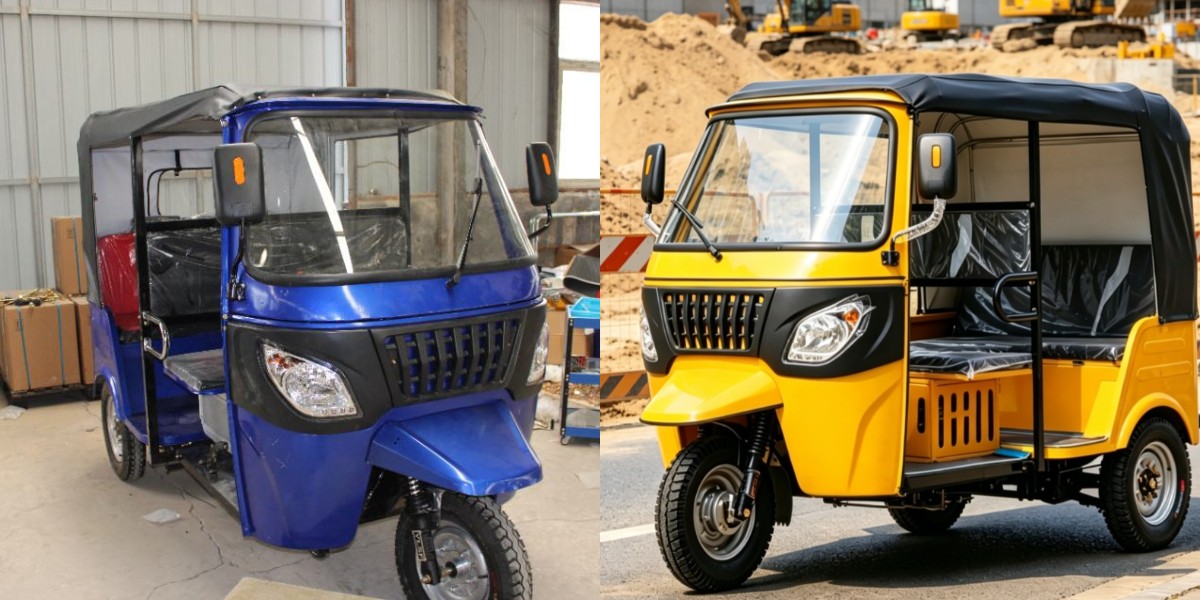
Key Reminders When Selecting Water‑Cooled Tuk‑Tuk For Business
Not all water‑cooled tuk‑tuk deliver equal cooling performance. Buyers should focus on real engine configuration instead of only referring to product descriptions. It is suggested to check engine displacement, cooling assembly quality and spare‑part accessibility before purchase. A qualified water‑cooled gasoline rickshaw can effectively avoid overheating during long‑hour operation, bringing stable returns for passenger transport business. For operators in high‑temperature zones, water‑cooled auto rickshaw is a worthwhile investment for long‑term commercial usage.